


Understanding Efflorescence in Brick Masonry: Causes, Effects, and Mitigation Through German Smear
Efflorescence appears as a white, powdery deposit on brick surfaces, resulting from the migration of soluble salts carried by water. This common issue in masonry structures can affect both aesthetics and longevity if not addressed through proper building practices. Exploring its scientific mechanisms reveals opportunities for prevention, particularly with traditional methods like German Smear that enhance brick durability while preserving historical integrity.
Introduction
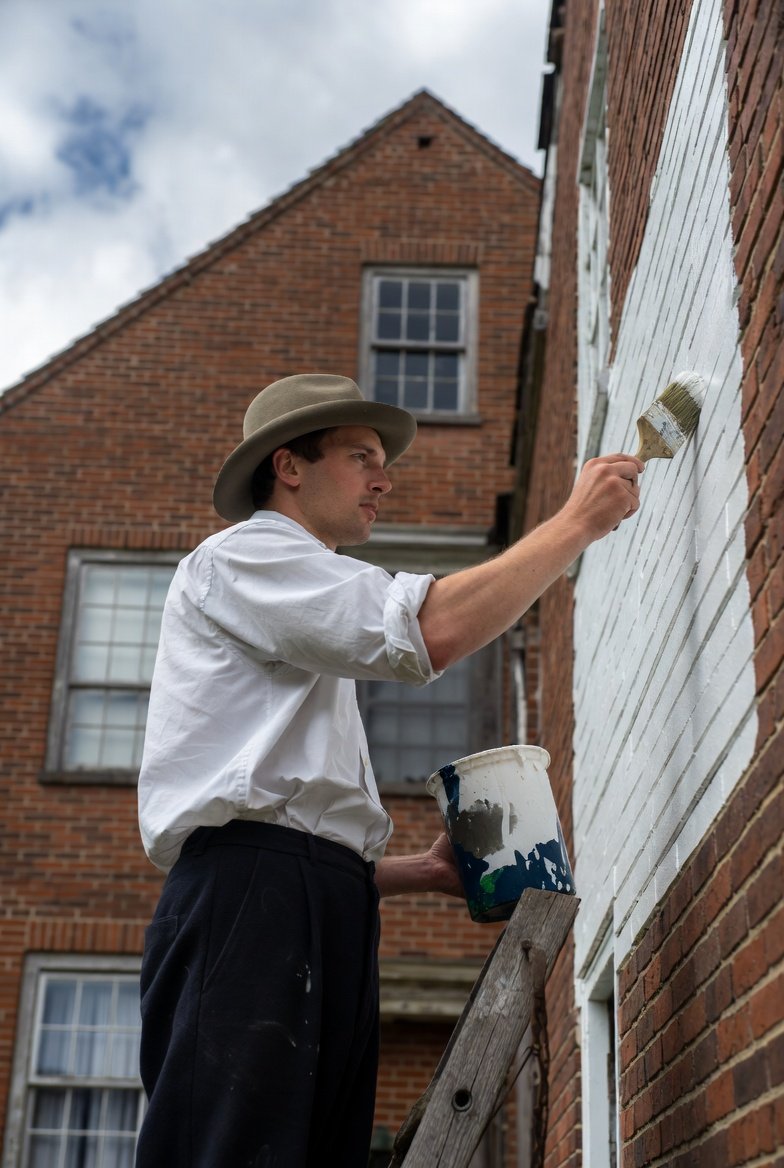
The Origins of Painting Brick Houses
Painting brick houses emerged as a practical response to the limitations of early brick materials, providing protection against weathering while allowing for aesthetic enhancements. This tradition reflects broader shifts in architectural practices, influenced by material science and cultural preferences over centuries. By examining its historical development, we gain a deeper appreciation for how building treatments have evolved to balance durability and design.
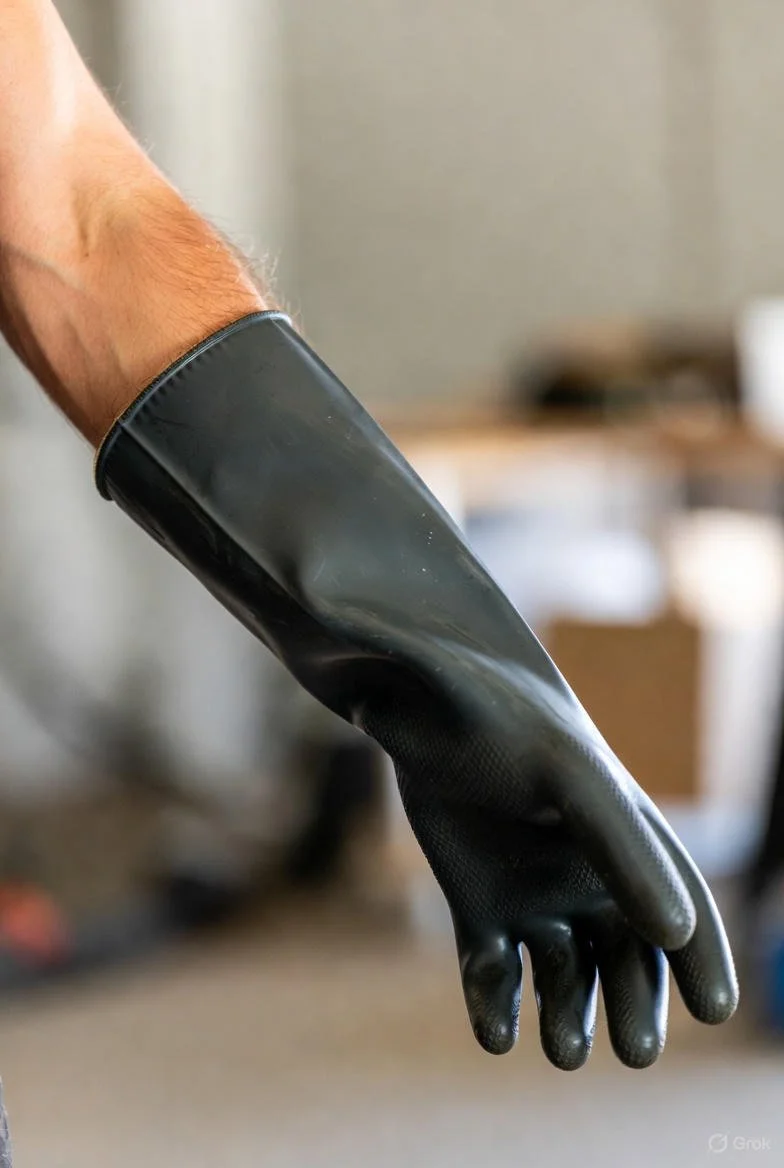
The Dangers of Mortar in German Smear
Mortar used in German Smear techniques possesses inherent caustic qualities due to its alkaline components, posing risks to skin, eyes, and respiratory systems. Understanding these dangers emphasizes the necessity of personal protective equipment (PPE) to prevent chemical burns and other injuries. Additionally, the fluid consistency of mortar in this method heightens exposure risks by facilitating splatters and widespread contact.
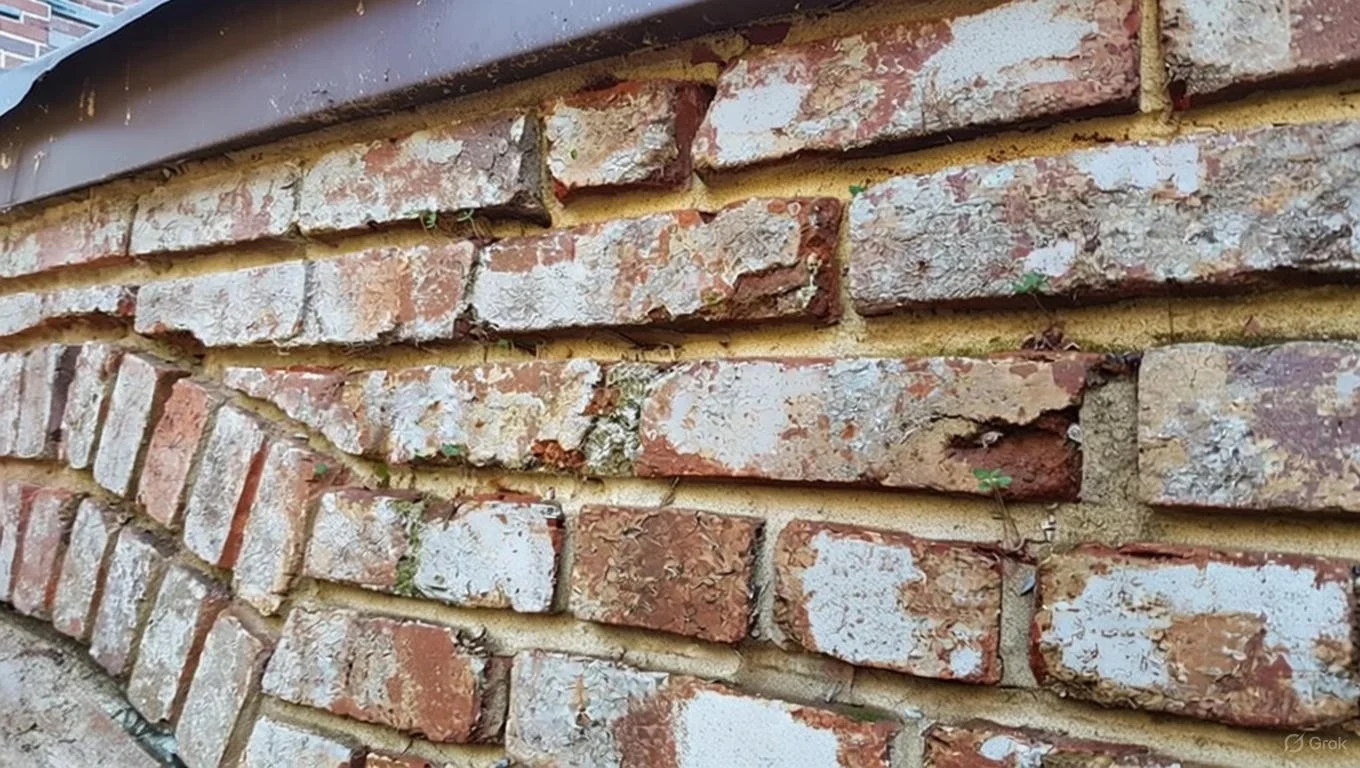
The Role of German Smear in Addressing Mortar Joint Erosion in Brick Houses
Mortar joint erosion in brick houses often results from prolonged exposure to environmental factors, leading to structural vulnerabilities over time. German Smear, a traditional mortar-wash technique, can help mitigate minor erosion by filling gaps and enhancing surface protection. This approach draws from historical European building methods, offering both aesthetic and functional benefits when applied correctly.
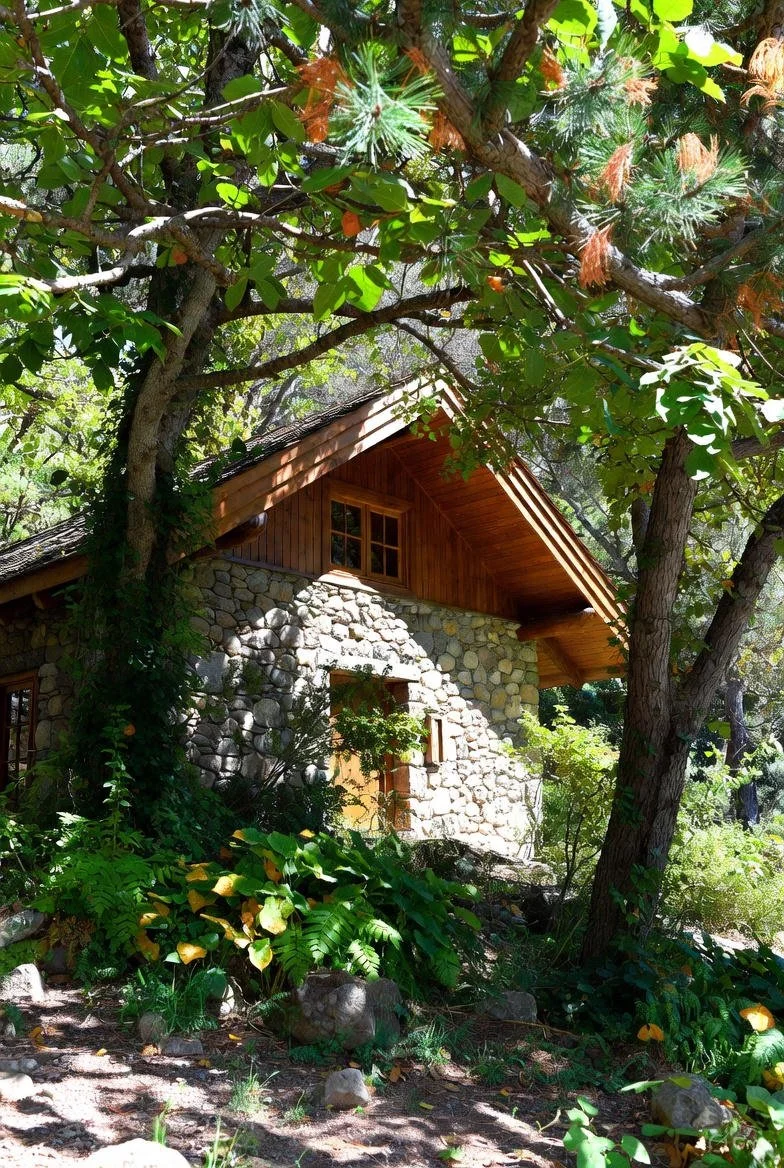
Differences in German Smear Application and Aesthetics on Natural Versus Man-Made Stone
German Smear, a mortar-based finishing technique rooted in European building traditions, creates a textured, aged appearance when applied to stone surfaces. While suitable for both natural and man-made stone, the process and results vary due to differences in material composition and surface characteristics. These distinctions influence texture, adhesion, and overall uniformity, offering unique architectural expressions in each case.

Creating an Irregular Pattern in German Smear
German smear, a traditional brick finishing method, relies on intentionally irregular application to produce a distressed, aged appearance that evokes historical European architecture. This "pattern that has no pattern" technique avoids uniformity, allowing the mortar to interact naturally with the brick surface for a timeless look. By embracing randomness in coverage and texture, artisans can replicate the organic wear seen in centuries-old structures.

The Drawbacks of Painting Stone: Material Effects and Breathable Alternatives
Painting natural or man-made stone can lead to long-term damage by interfering with the material's natural properties, such as breathability and moisture management. This practice often results in trapped water vapor, causing deterioration over time in various climates. Exploring alternatives like mineral-based washes provides options that preserve stone integrity while achieving aesthetic changes.
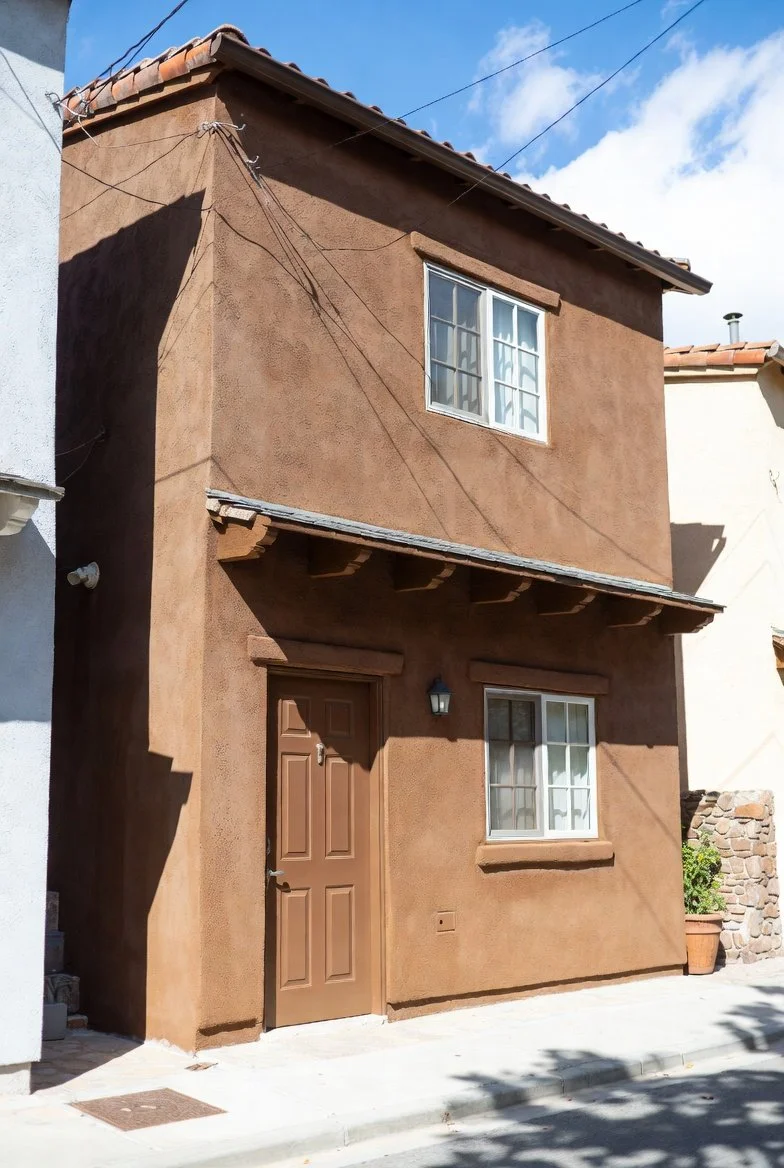
Comparing Color Options in Stucco and German Smear
Stucco and German Smear share remarkably similar approaches to coloration, relying on integral natural pigments rather than surface coatings. This method ensures material integrity while limiting palettes to earth-derived tones for historical and functional reasons. Understanding these constraints highlights the importance of breathable finishes in architectural conservation.

Exploring the Different Styles of German Smear Techniques
German Smear, also known as mortar wash or Schmear, is a historical brick finishing method that originated in Central European masonry practices during the medieval era. This technique involves applying a mortar mixture to brick surfaces to create an aged, textured appearance while enhancing structural integrity. Different styles vary primarily in the degree of mortar coverage and application method, offering options from subtle toning to more monolithic finishes.
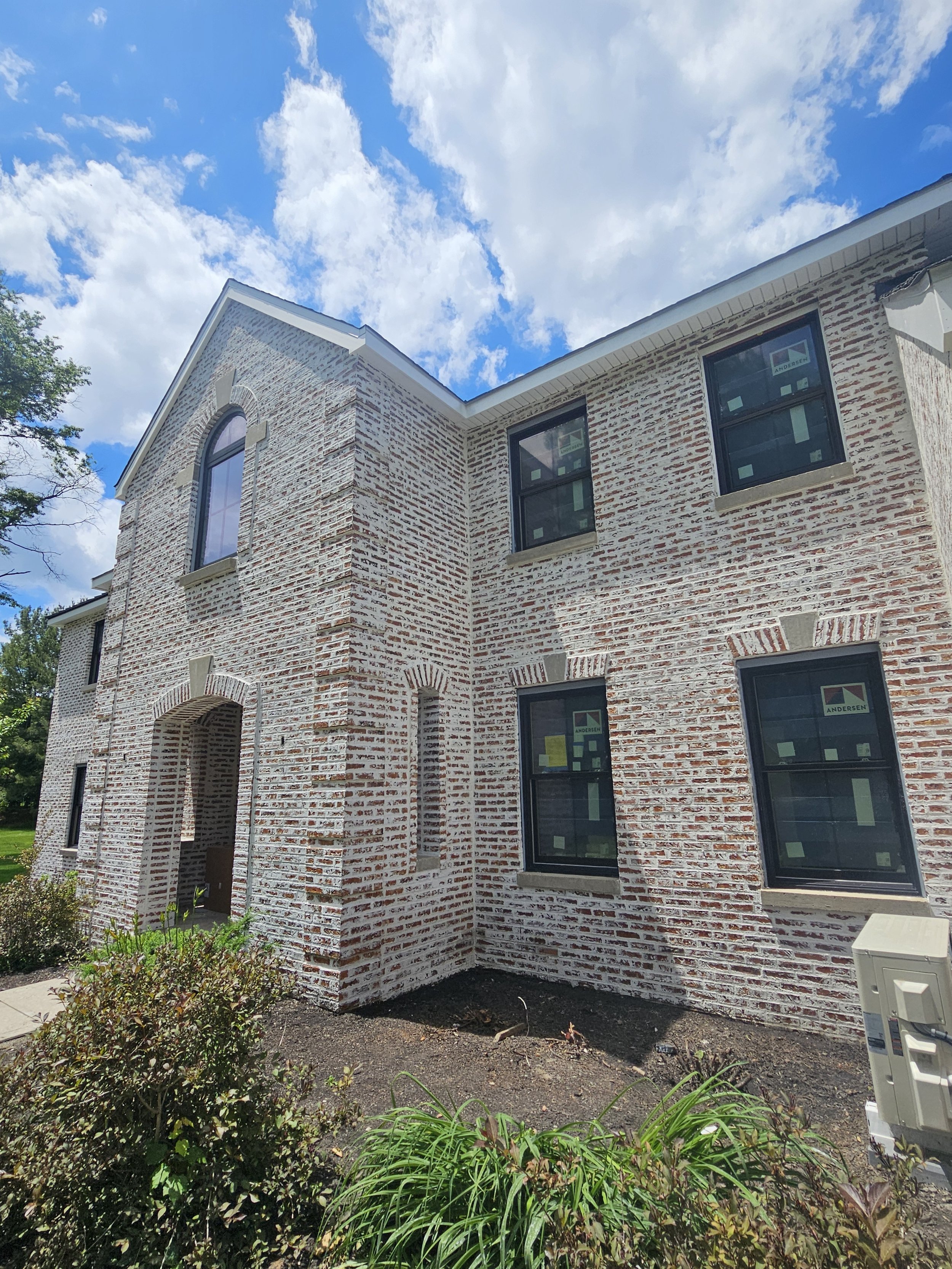
Brick Home Exterior Ideas: 7 Ideas to Improve Your Curb Appeal
Brick homes have long been valued for their durability and timeless aesthetic, rooted in historical building practices that emphasize natural materials and breathability. Enhancing curb appeal involves thoughtful modifications that respect the brick's inherent properties while improving visual and functional aspects. This blog explores seven educational ideas, drawing on architectural traditions and building science to inform potential updates.
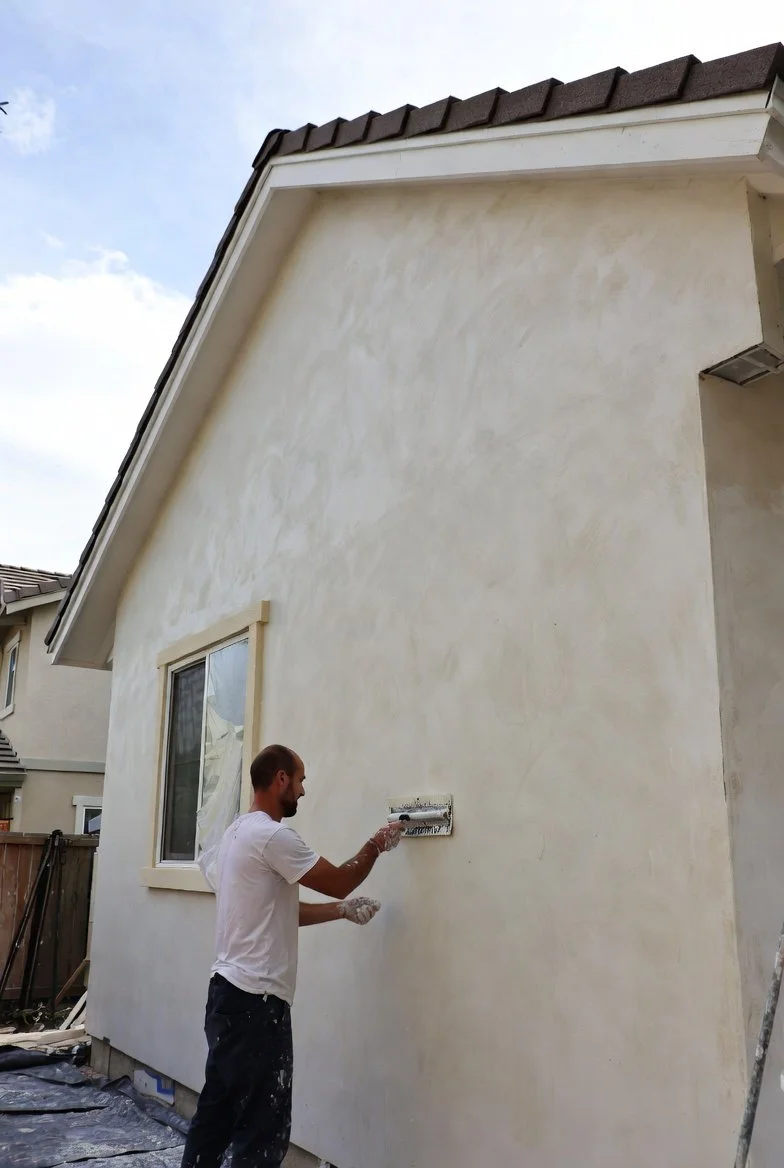
Comparing Stucco and German Smear Application Processes
Stucco and German Smear are both time-tested methods for altering the appearance of brick surfaces, drawing from historical European building traditions. While stucco involves layered plastering for a uniform finish, German Smear uses a mortar wash to create a textured, aged look. This comparison explores their similarities in materials, tools, and visual impact, highlighting how each technique enhances architectural character through breathable, durable applications.
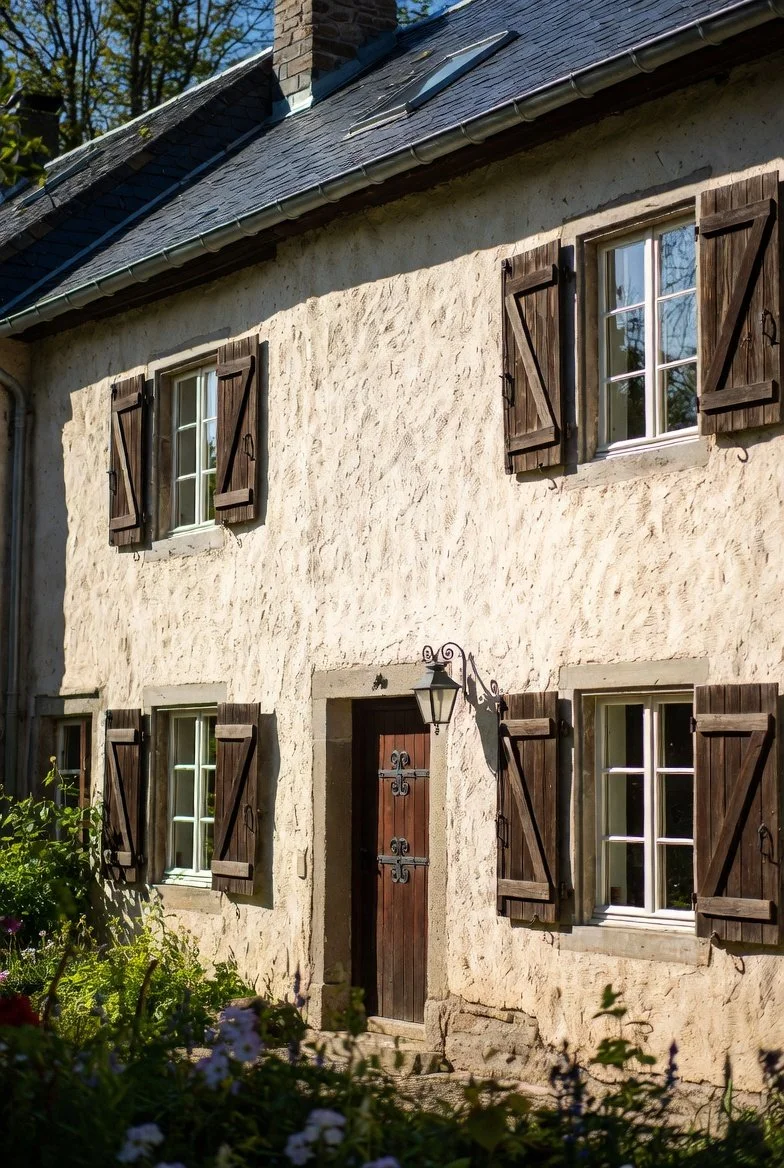
German Smear: A Centuries-Old Technique Rediscovered in Contemporary Building Practices
German Smear, a mortar-based finishing method, traces its origins to European masonry traditions dating back centuries, where it served both aesthetic and functional roles in protecting brick and stone structures. Today, this technique is being rediscovered for its ability to infuse modern homes with an authentic old-world European aesthetic while maintaining the breathability essential to masonry durability. By applying a thin layer of mortar and partially removing it, German Smear creates irregular textures that blend seamlessly with historical architectural elements.
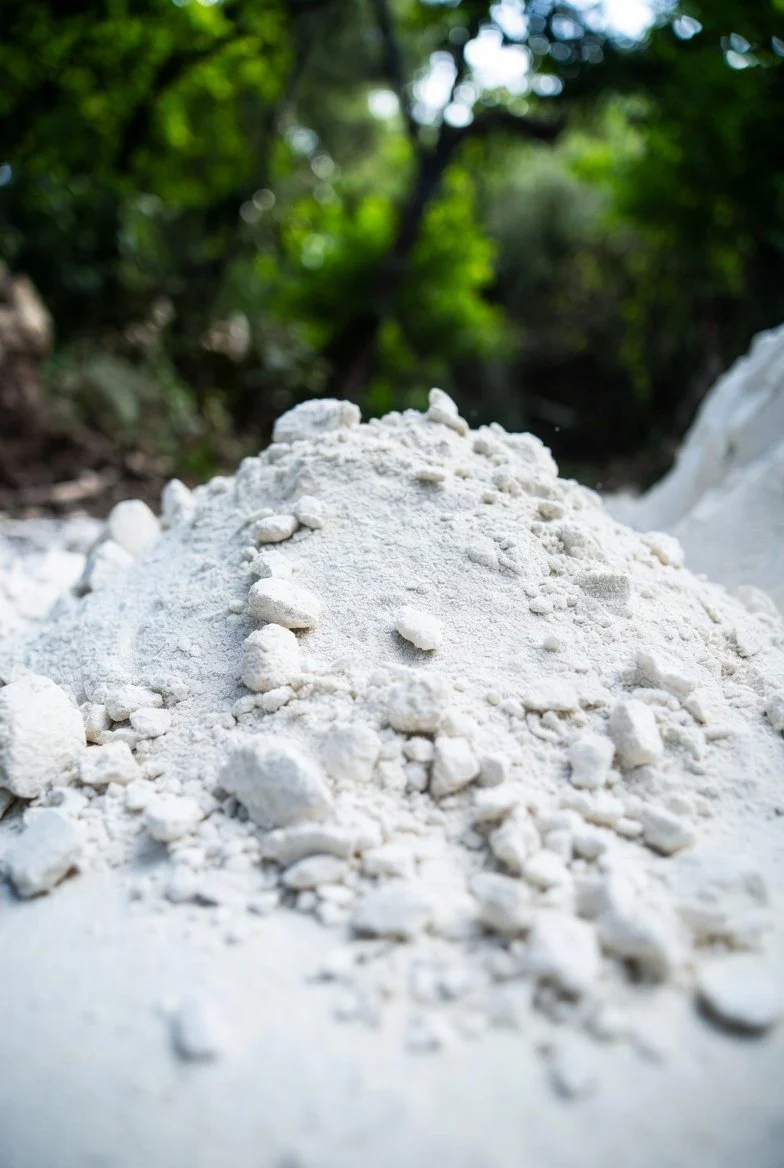
Lime-Based Finishes and Their Resistance to Algae and Mold Growth
Limewash and German Smear, both derived from lime-heavy materials, offer natural resistance to algae and mold through their alkaline properties and breathability. These finishes create environments inhospitable to microbial growth while allowing moisture to escape, reducing the conditions that foster such issues. Understanding their scientific mechanisms and the role of breathable waterproofing can inform choices in architectural applications.
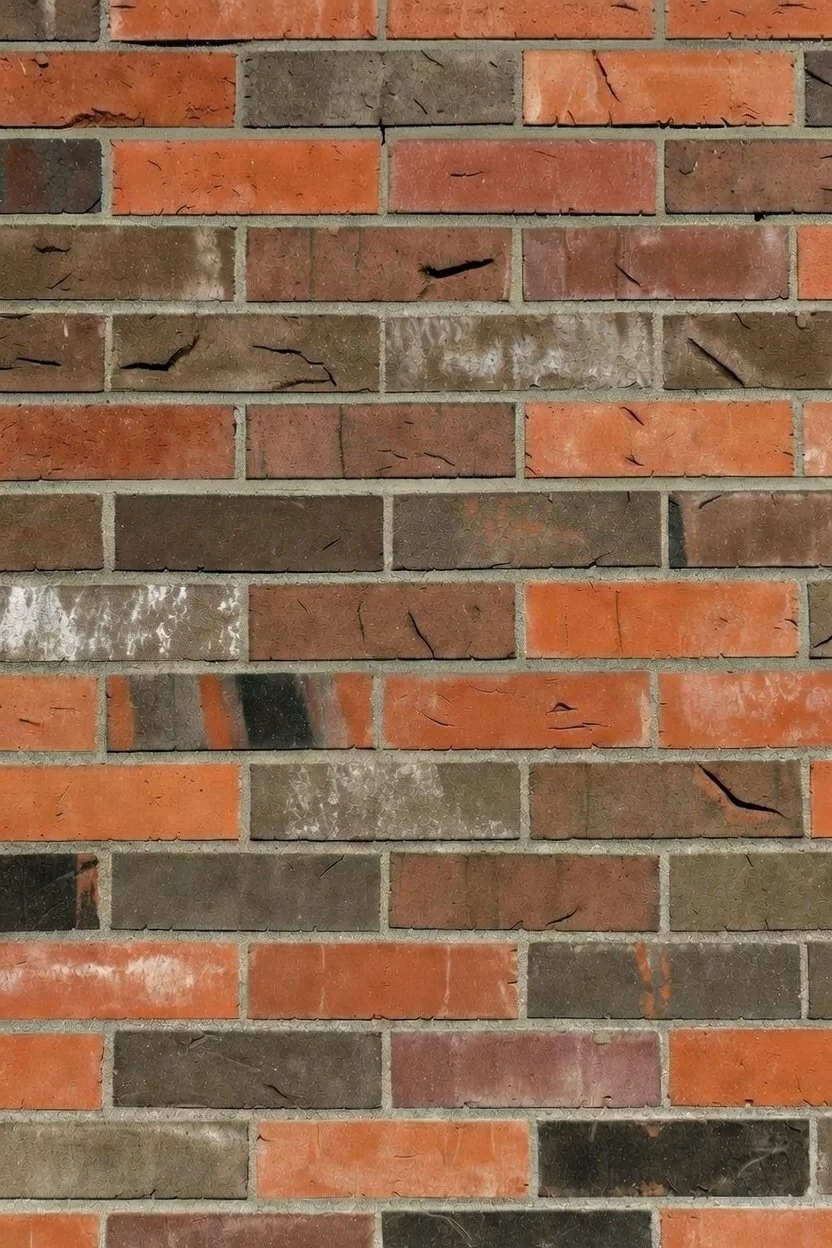
Understanding Mortar Joint Thickness in Brick Structures
Mortar joints, often referred to as grout lines in masonry contexts, vary significantly in thickness across different brick structures, influenced by historical building practices and functional requirements. These variations serve structural, aesthetic, and environmental purposes, affecting everything from load distribution to weather resistance. In the context of German Smear—a traditional mortar-wash technique—joint thickness plays a key role in application methods and final appearance.
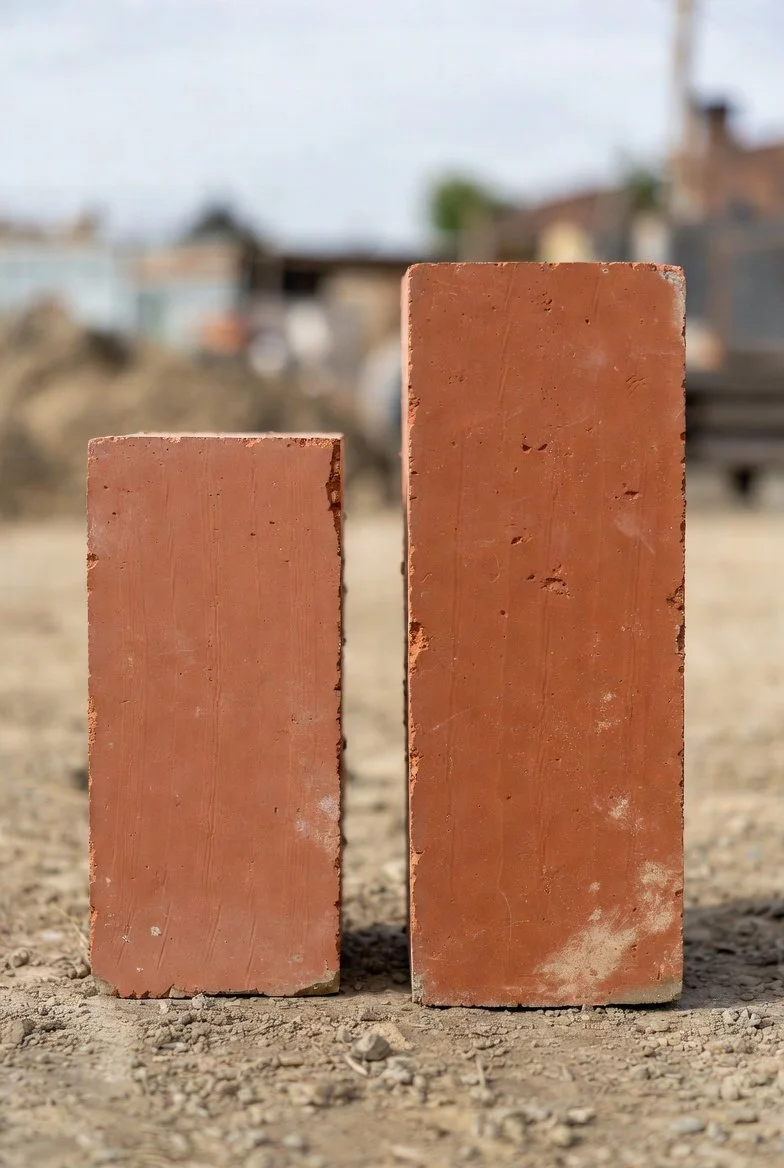
The Spectrum of Brick Sizes: From Compact to Expansive Formats
Brick sizes have evolved over centuries to meet diverse architectural needs, ranging from small, intricate units suited for detailed masonry to large, efficient blocks for expansive structures. These variations influence construction speed, structural integrity, and aesthetic outcomes, while also affecting surface treatments like German Smear. Understanding these differences provides insight into historical building practices and modern adaptations.

German Smear: Evaluating Cost-Effectiveness in Commercial Applications
German Smear, a mortar-based finishing technique documented in European masonry traditions since the 1500s, offers a durable alternative to painting brick exteriors. While initial application costs may exceed those of standard paint, its extended lifespan and reduced maintenance needs can result in long-term savings for structures like commercial buildings. Architecturally, this method enhances visual distinctiveness through textured, aged appearances that integrate historical aesthetics with modern functionality.
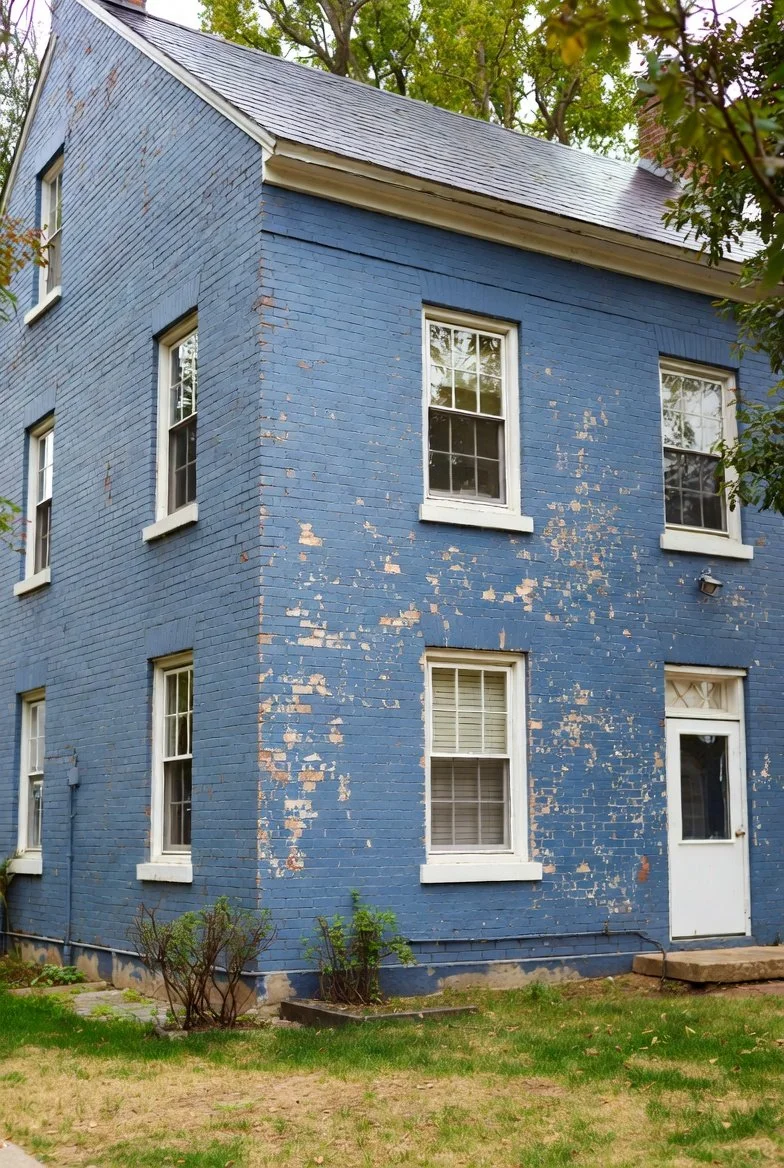
The Deterioration of Paint on Brick Houses
Paint applied to brick houses often deteriorates faster than on other surfaces due to the porous nature of brick, which can trap moisture behind the non-breathable coating. This leads to issues like peeling, cracking, and structural damage over time. Understanding the chemical processes and environmental factors involved highlights the importance of selecting appropriate brick treatments in architectural conservation.

The Production and Properties of White Mortar
White mortar, prized for its light color in decorative architectural applications, is produced using specialized materials and processes to minimize impurities that cause discoloration. This mortar plays a key role in techniques like German Smear, where its composition influences both aesthetics and material performance. Understanding its makeup and effects on properties such as permeability helps in appreciating its historical and practical uses in brick treatments.

German Smear and Protection Against Freeze-Thaw Cycles
German smear, a traditional mortar wash technique, utilizes lime-based materials that enhance the durability of brick structures in regions prone to temperature fluctuations. This method protects against freeze-thaw damage by promoting moisture evaporation through high vapor permeability, preventing water accumulation within the masonry. On a molecular level, the structure of slaked lime in the mortar forms a porous network that allows water vapor to diffuse outward even as the material solidifies.

The Craftsmen Behind German Smear: Origins and Material Practices
German Smear, a traditional masonry technique involving the application of mortar to brick or stone surfaces, emerged from centuries-old European building practices, particularly in Germany. Craftsmen discovered the benefits of lime in enhancing breathability and providing protection against environmental damage through practical application in construction. This method, rooted in medieval traditions, involved sourcing and processing local materials like lime and sand to create durable, textured finishes.