

Brick Water Absorption Variability and Its Impact on German Smear Application
Water absorption in bricks refers to the capacity of the material to take in moisture through its porous structure, a property rooted in traditional clay brick production methods documented since ancient times in regions like Mesopotamia and later refined in European practices. This variability matters architecturally because it affects the adhesion, workability, and longevity of surface treatments such as German Smear, a mortar-based finish commonly used to achieve a textured, aged appearance on brick exteriors. Understanding absorption helps preserve the structural integrity of brickwork, ensuring compatibility between substrate and applied materials in conservation efforts.
Factors Influencing Brick Water Absorption
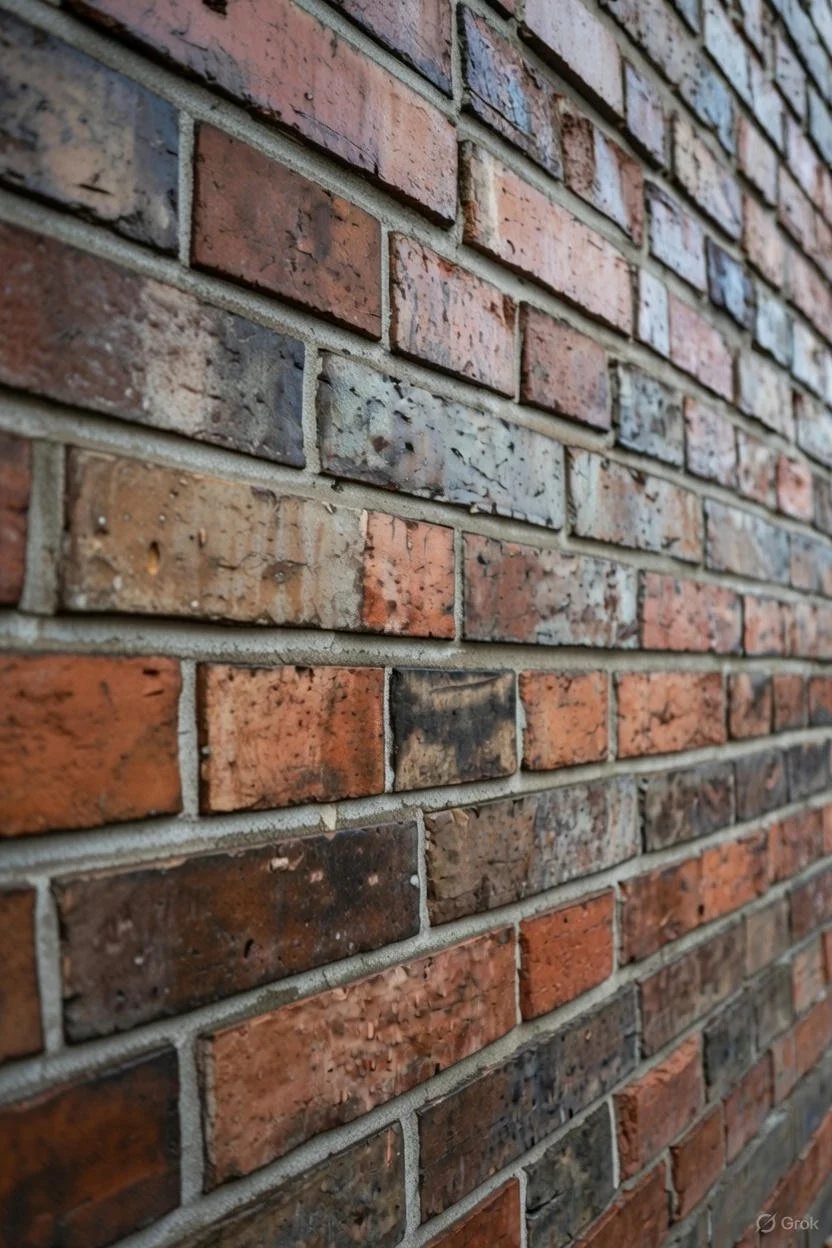
Brick water absorption is determined by inherent material properties and production techniques, with porosity being the primary factor as it creates voids that allow moisture ingress. Documented in building science literature, higher porosity correlates with greater absorption, often measured as a percentage of weight gain after immersion.
Porosity: Arises from the clay's microstructure; bricks with 20% porosity, such as some ceramic types, typically absorb 10-15% water by weight.
Firing temperature: Higher temperatures, around 1000-1200°C, densify the brick and reduce voids, lowering absorption to under 10%; lower firing preserves more pores.
Material composition: Additions like lime can reduce absorption by 4-6%, while clay type and impurities influence capillary structure.
Manufacturing process: Extruded bricks often have lower absorption than handmade ones due to uniform compaction; surface treatments during production can further minimize uptake.
Environmental exposure: Over time, weathering may alter surface porosity, though initial absorption is set during fabrication.
These factors ensure bricks range from low-absorption engineering types (under 7%) to high-absorption common bricks (over 20%), impacting their suitability for various climates and applications.
Effects of Brick Absorption on German Smear Application
German Smear involves applying a thin mortar layer to brick surfaces, partially removing it to create irregular patterns, a technique likely derived from 19th-century European repair methods for weathered facades. High brick suction—the rate at which bricks absorb water—draws moisture from the wet mortar, accelerating drying and stiffening the mix before adequate spreading or texturing.
In building science terms, this suction disrupts the mortar's hydration process, potentially leading to weaker adhesion and uneven finishes. Mortar typically requires consistent moisture for proper setting, and rapid loss can cause shrinkage cracks or poor bond strength. For climates with freeze-thaw cycles, unmanaged suction exacerbates vapor permeability issues, as trapped moisture may lead to spalling.
Comparison of Application Difficulty on Different Brick Types
Applying German Smear on high-absorption bricks is notably more challenging than on low-absorption ones, as the former can increase drying time by 50-100% under similar conditions, demanding quicker work and frequent remixing. This comparison highlights how substrate properties dictate labor intensity and outcome quality.
Low-absorption bricks (under 10%): Mortar retains moisture longer, allowing extended workability; application is straightforward, with consistent patterning achievable in larger sections.
Moderate-absorption bricks (10-15%): Balanced suction permits standard techniques, though minor pre-adjustments may be needed; drying occurs predictably, reducing inconsistency risks.
High-absorption bricks (over 15%): Rapid water extraction stiffens mortar within minutes, complicating spreading and leading to blotchy results; requires smaller work areas and can double application time due to rework.
Overall, high-absorption scenarios may necessitate 20-30% more mortar and effort to maintain aesthetic uniformity, underscoring the need for substrate evaluation in architectural planning.
Managing Brick Suction for Easier Application
To counteract high suction, pre-wetting the brick surface is a standard building practice, saturating pores temporarily to slow moisture migration from the mortar. This enhances spreadability by maintaining the mix's fluidity, allowing better control over texture and coverage. Commonly documented in masonry guidelines, dampening should occur just before application to avoid excessive runoff.
Apply water via hose or sponge until bricks are damp but not dripping.
Work in 5-square-foot sections to prevent re-drying.
Monitor environmental factors like temperature, as warmer conditions amplify suction effects.
This approach aligns with vapor permeability principles, ensuring the mortar bonds without compromising breathability.
Role of Waterproofing in Long-Term Protection
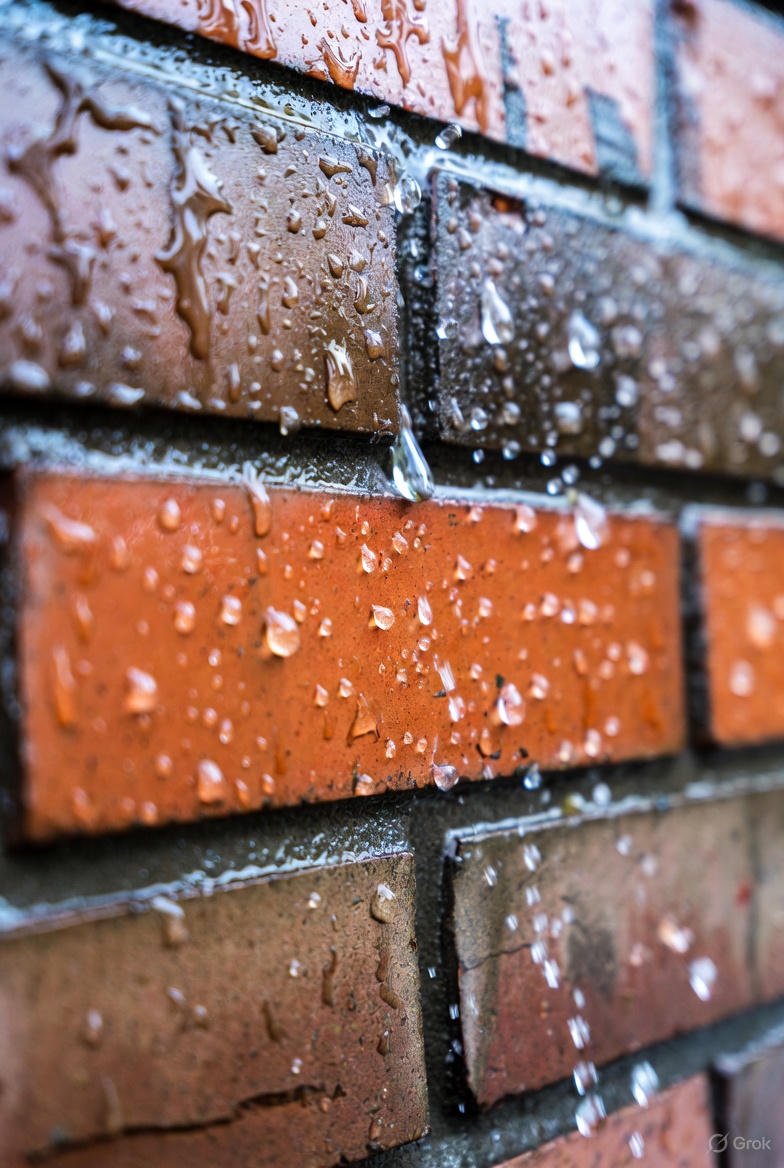
Post-application waterproofing, using breathable treatments like silane or siloxane-based repellents, reduces future water absorption while preserving the brick's natural porosity. These penetrate the surface to form a hydrophobic barrier, minimizing ingress by up to 95% without sealing pores completely. Commonly applied to completed German Smear finishes, they protect against freeze-thaw damage and efflorescence, extending the structure's lifespan in moist climates.
Select repellents compatible with lime-cement mortars for maintained adhesion.
Apply after full curing (28 days) to avoid trapping moisture.
Reapplication every 5-10 years, depending on exposure, sustains protection.
Such treatments support architectural conservation by balancing moisture resistance with material breathability.
Distinctions from Other Brick Treatments
German Smear differs from limewash, whitewash, and painted brick in composition and performance, each affecting vapor permeability and durability uniquely.
German Smear: Mortar-based (cement-lime-sand), breathable with partial brick exposure; enhances texture while allowing moisture egress.
Limewash: Slaked lime slurry, highly permeable and self-healing; weathers naturally but requires periodic renewal.
Whitewash: Simpler lime-water mix, less durable than limewash; offers temporary coverage with high breathability.
Painted brick: Acrylic or latex coatings seal surfaces, reducing permeability and risking trapped moisture in freeze-thaw environments.
These distinctions emphasize German Smear's suitability for historical replication where breathability is paramount.
Conclusion
Brick water absorption varies due to porosity and production factors, directly influencing the ease and success of German Smear applications through suction effects. High-absorption bricks pose greater challenges by accelerating mortar drying, but pre-wetting mitigates this for improved workability. Post-application waterproofing further safeguards the finish, aligning with building science principles for enduring architectural integrity.
