

Understanding Limewash: Its Temporary Nature and Longevity Compared to German Smear
Limewash represents one of the oldest methods for finishing masonry surfaces, commonly used in European building traditions dating back to ancient times. It involves applying a mixture of slaked lime and water to porous materials such as brick or stone, creating a matte, opaque coating that enhances aesthetic appeal while allowing the substrate to breathe. From an architectural standpoint, limewash matters because it preserves the natural properties of masonry, preventing moisture entrapment that could lead to structural damage, and it aligns with conservation principles in historical restorations. Understanding its temporary nature provides insight into why certain traditional finishes demand ongoing care, reflecting broader themes in building science where material behavior influences longevity and maintenance.
What is Limewash?
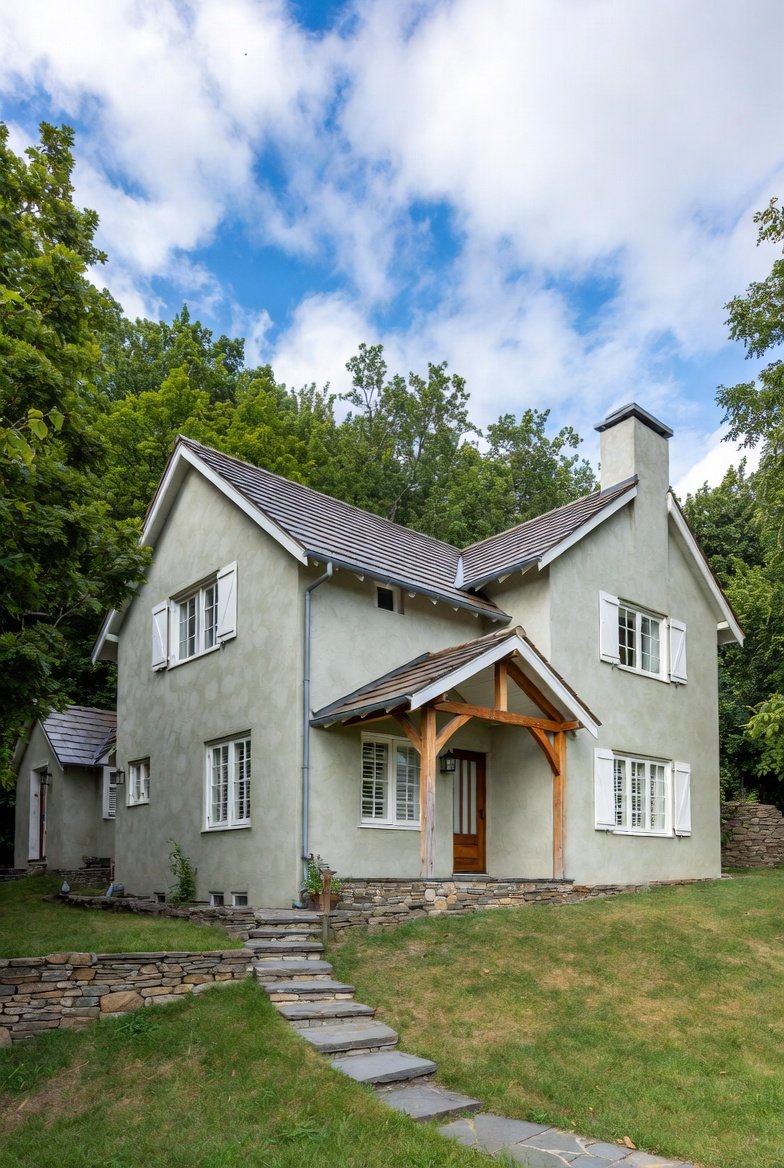
Limewash is a simple, natural coating made primarily from calcium hydroxide (slaked lime) mixed with water, and sometimes natural pigments for color. Documented as early as Roman times, it was widely used throughout medieval Europe for both interior and exterior applications on absorbent surfaces like lime-plastered walls, brick, and stone. Unlike modern acrylic paints, limewash does not form a film on the surface; instead, it penetrates the substrate and undergoes a chemical reaction known as carbonation, where it absorbs carbon dioxide from the air to form calcium carbonate, essentially reverting to a form similar to limestone.
This process results in a finish that is highly vapor-permeable, allowing moisture to evaporate from the underlying material. In architectural contexts, limewash has been favored in regions with variable climates, such as parts of the Mediterranean and Northern Europe, where it helps mitigate issues like rising damp in older structures. However, its inherent composition—lacking synthetic binders—means it behaves more like a sacrificial layer, gradually wearing away rather than providing a permanent seal.
The Inherent Properties Leading to Easy Removal
The ease with which limewash can be washed off is a direct consequence of its chemical and physical properties, rooted in building science principles. Limewash bonds to surfaces through carbonation, a process that creates a crystalline structure integrated with the substrate's pores. While this provides good initial adhesion on porous materials, it does not create a waterproof barrier. Instead, the finish remains soluble in water to some extent, especially before full carbonation or in high-humidity environments.
Exposure to rain, wind, or even routine cleaning can erode limewash because its calcium carbonate matrix is susceptible to dissolution in acidic conditions, such as those from urban pollution or natural rainwater. This erosion is exacerbated on exterior surfaces facing harsh weather, where freeze-thaw cycles can cause microcracking and flaking. In terms of material behavior, limewash's high pH (alkaline nature) offers some antimicrobial benefits but does not enhance durability against mechanical abrasion or prolonged moisture contact.
Key factors contributing to its removability include:
Porosity and Breathability: Limewash's open structure allows vapor transmission but also permits water ingress, leading to gradual breakdown.
Absence of Binders: Without polymers or resins found in modern paints, it relies solely on natural carbonation, which is reversible under environmental stress.
Surface Preparation Dependency: On non-porous or previously painted surfaces, adhesion is weaker, making removal even simpler with pressure washing or scrubbing.
Climate Influences: In wet or freeze-prone areas, the material's freeze-thaw resistance is limited, accelerating wear.
This inherent temporariness distinguishes limewash from impermeable coatings, emphasizing its role in sustainable architecture where finishes are designed to be renewable rather than enduring.
Reapplication Frequency and Factors
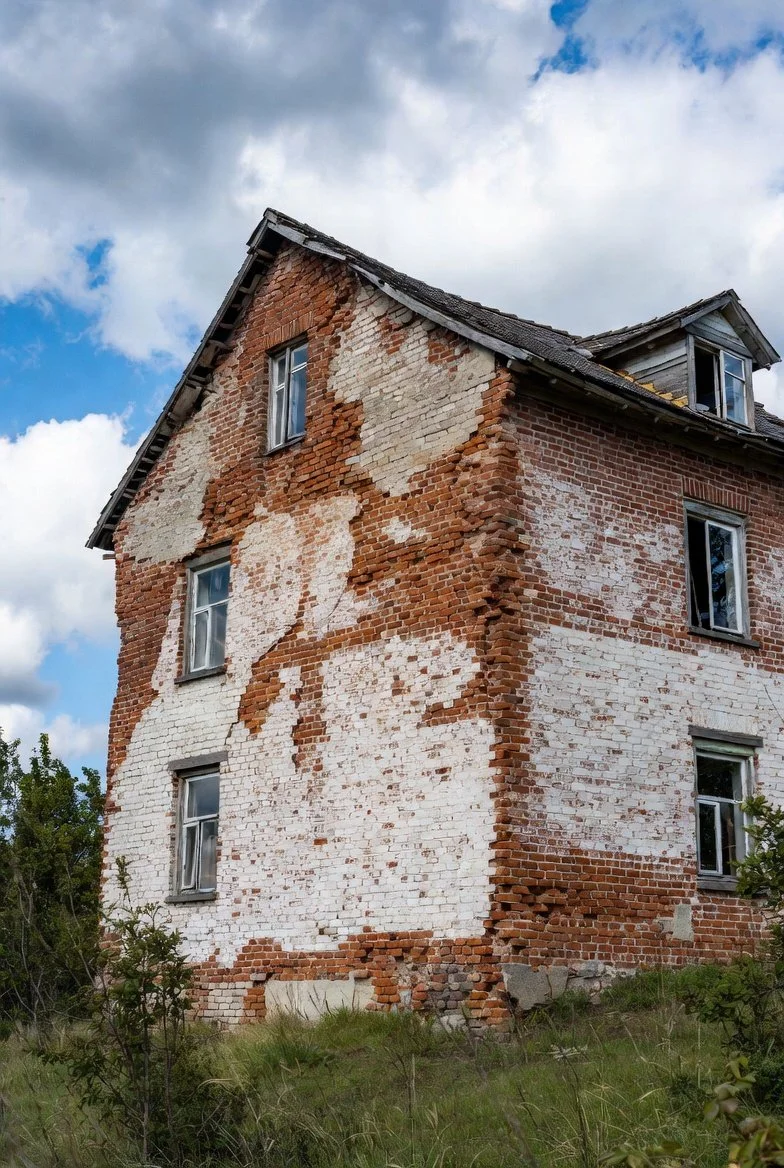
Limewash typically requires reapplication every 3 to 5 years on exterior surfaces, though this can extend to 5 to 10 years indoors or in sheltered locations. The frequency is determined by its vulnerability to environmental degradation, as the thin layers (often 1-2 mm) erode over time, losing opacity and protective qualities. Historical records from European conservation projects, such as those on medieval churches, indicate that limewash was reapplied seasonally or biennially in exposed settings to maintain appearance and function.
Building science explains this through concepts like vapor permeability, measured in perms, where limewash rates highly (often above 20 perms), allowing walls to dry out but also inviting faster weathering. Reapplication involves minimal preparation—often just a light wash and fresh coats—making it straightforward but necessary for longevity.
Factors influencing reapplication intervals include:
Exposure Level: Exterior walls in rainy climates may need attention every 2-3 years, while protected facades last longer.
Substrate Condition: On sound, porous brick, adhesion improves, potentially extending intervals; on deteriorating masonry, erosion quickens.
Application Thickness: Multiple thin coats enhance durability compared to a single heavy layer, which can crack.
Additives and Pigments: Traditional formulations without modern stabilizers wear faster; natural earth pigments can slightly improve resistance but not permanence.
Maintenance Practices: Avoiding harsh cleaners preserves the finish, but inevitable fading from UV exposure necessitates periodic renewal.
These considerations underscore limewash's design as a low-impact, renewable finish in architectural conservation.
Comparison to German Smear Longevity
German Smear, also known as mortar wash or Schmear in some contexts, offers a stark contrast to limewash in terms of durability and maintenance needs. This technique, rooted in German building traditions from the 18th and 19th centuries, involves applying a thin layer of mortar (typically lime-based or cement-lime mix) over brick and then wiping or scraping it to create a textured, irregular finish. Unlike limewash, German Smear integrates more permanently with the substrate through mechanical bonding and partial absorption, resulting in a finish that can last 20 to 50 years or more without reapplication, depending on conditions.
The longevity difference arises from material composition: German Smear's mortar includes aggregates like sand, providing structural reinforcement and better resistance to weathering. It achieves adhesion via hydration and carbonation similar to limewash but with greater thickness and density, reducing erosion from water or abrasion. In architectural terms, while both are breathable, German Smear's vapor permeability is slightly lower, offering more protection against freeze-thaw damage in cold climates.
Comparative aspects include:
Durability Against Elements: Limewash erodes quickly in rain (often within years), whereas German Smear withstands decades due to its mortar matrix.
Maintenance Requirements: Limewash demands frequent recoating; German Smear typically needs only occasional cleaning or minor repairs.
Historical Applications: Limewash suited temporary or interior uses in Europe; German Smear was common for exterior facades in Central European vernacular architecture for its permanence.
Material Behavior: Limewash's solubility allows easy removal; German Smear's cured mortar resists washing off, requiring abrasive methods for alteration.
Climate Suitability: Both perform well in moderate climates, but German Smear excels in harsher conditions due to enhanced freeze-thaw resistance.
This comparison illustrates how traditional methods balance aesthetics, breathability, and endurance in masonry treatments.
Conclusion
Limewash's inherent ease of removal and need for regular reapplication stem from its natural, permeable composition, which prioritizes breathability and historical authenticity over permanence, making it a renewable choice in architectural conservation. In contrast, German Smear provides superior longevity through its robust mortar application, highlighting diverse approaches in brick finishing traditions. These insights reveal the importance of selecting finishes based on environmental factors and maintenance expectations, ensuring the preservation of masonry structures aligns with building science principles.
Looking to DIY?
Checkout SmearTech’s Signature White™ Mortar and German Smear Tools.
