

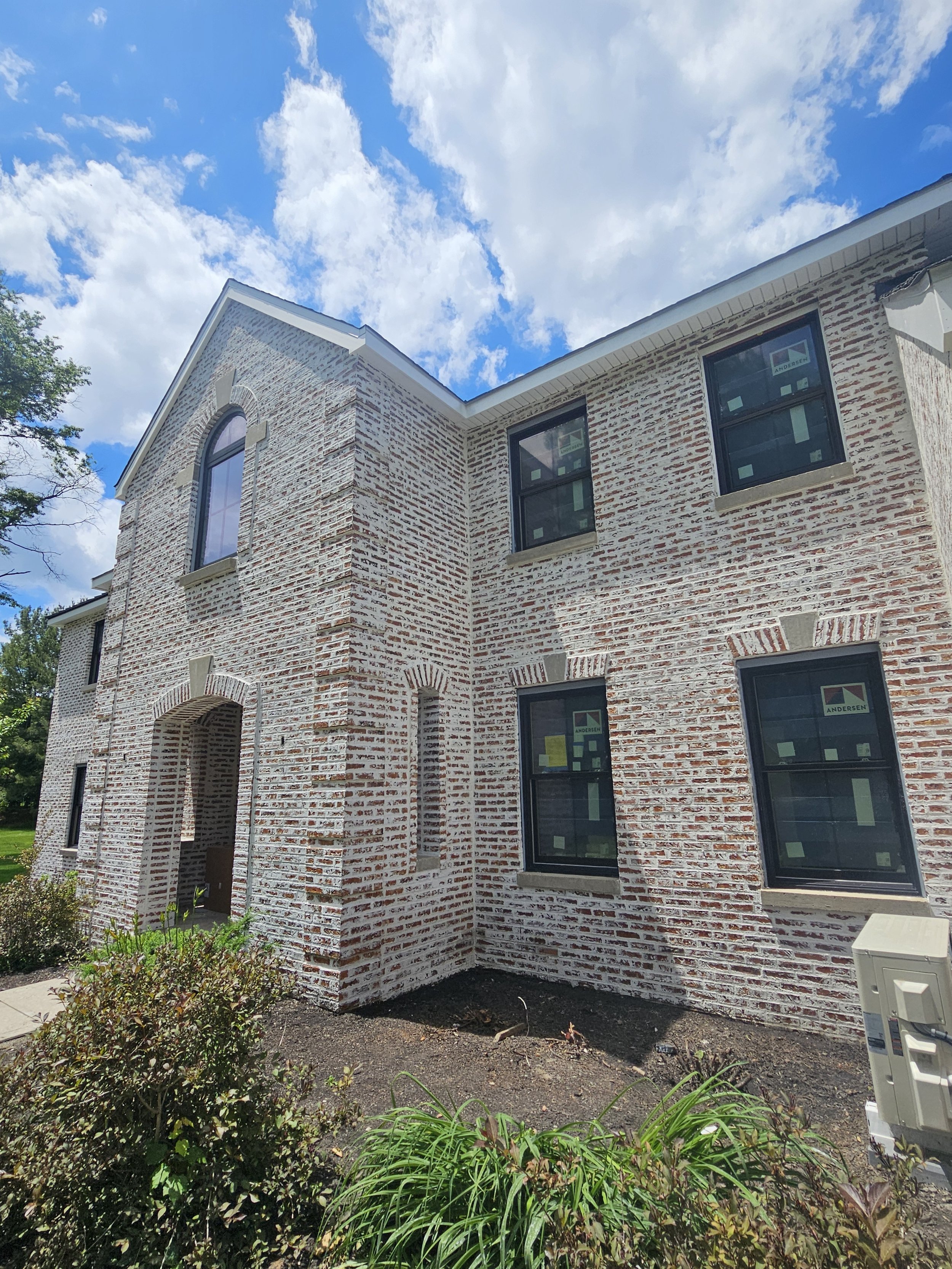
Brick Home Exterior Ideas: 7 Ideas to Improve Your Curb Appeal
Brick homes have long been valued for their durability and timeless aesthetic, rooted in historical building practices that emphasize natural materials and breathability. Enhancing curb appeal involves thoughtful modifications that respect the brick's inherent properties while improving visual and functional aspects. This blog explores seven educational ideas, drawing on architectural traditions and building science to inform potential updates.
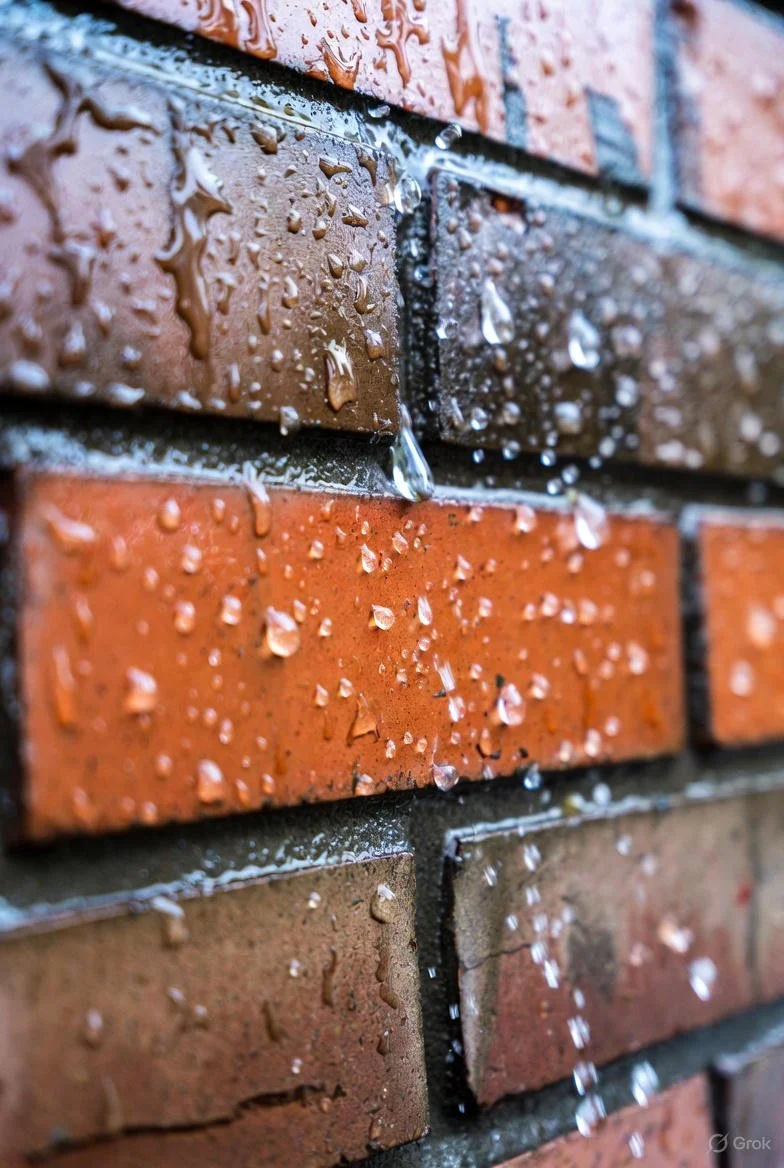
Brick Water Absorption Variability and Its Impact on German Smear Application
Bricks exhibit varying levels of water absorption due to differences in porosity, manufacturing processes, and material composition, which directly influence masonry applications. High-absorption bricks can complicate German Smear by rapidly drawing moisture from the mortar, leading to faster drying and reduced workability. Managing this through pre-wetting facilitates smoother application, while post-application breathable waterproofing treatments enhance long-term durability against environmental moisture.
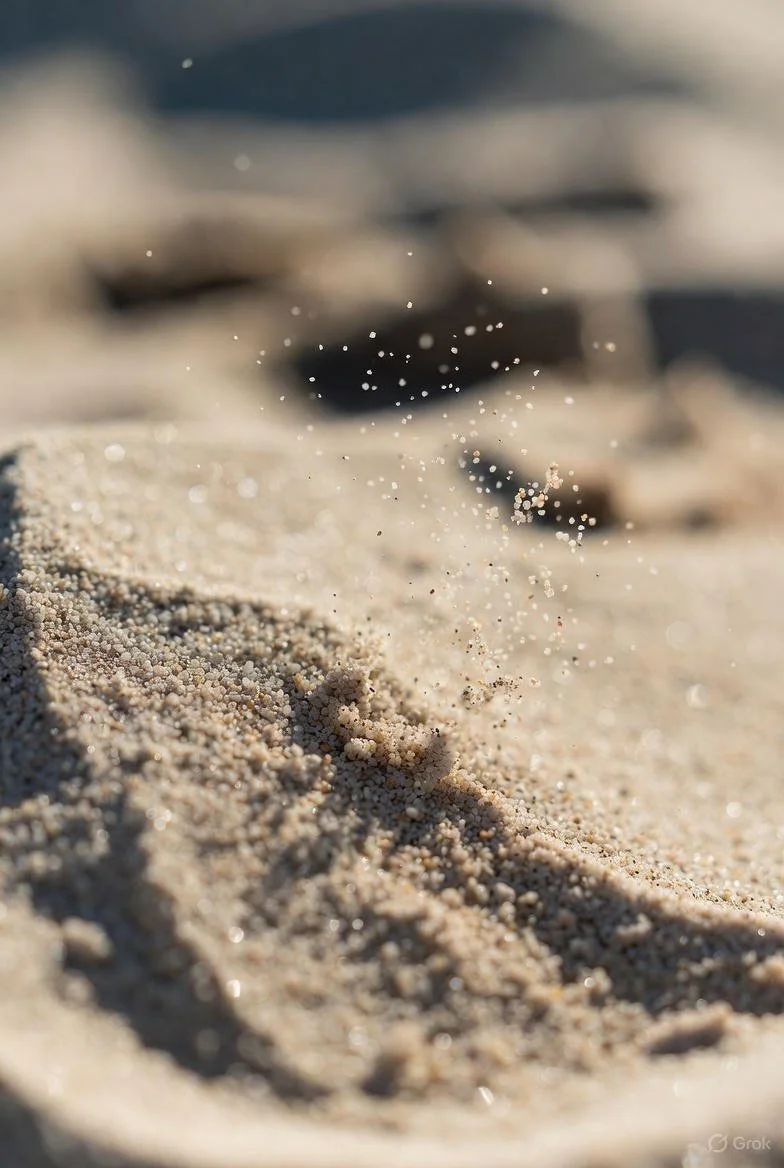
The Role of Particle Size in German Smear Mortar: Why Extremes Are Not Ideal
Particle size in the sand used for German Smear mortar significantly influences the application's workability, durability, and aesthetic outcome. Super fine particles can lead to excessive shrinkage and reduced breathability, while large grains may cause uneven adhesion and a gritty texture. Understanding these factors helps in appreciating the balance required for this traditional brick treatment method.
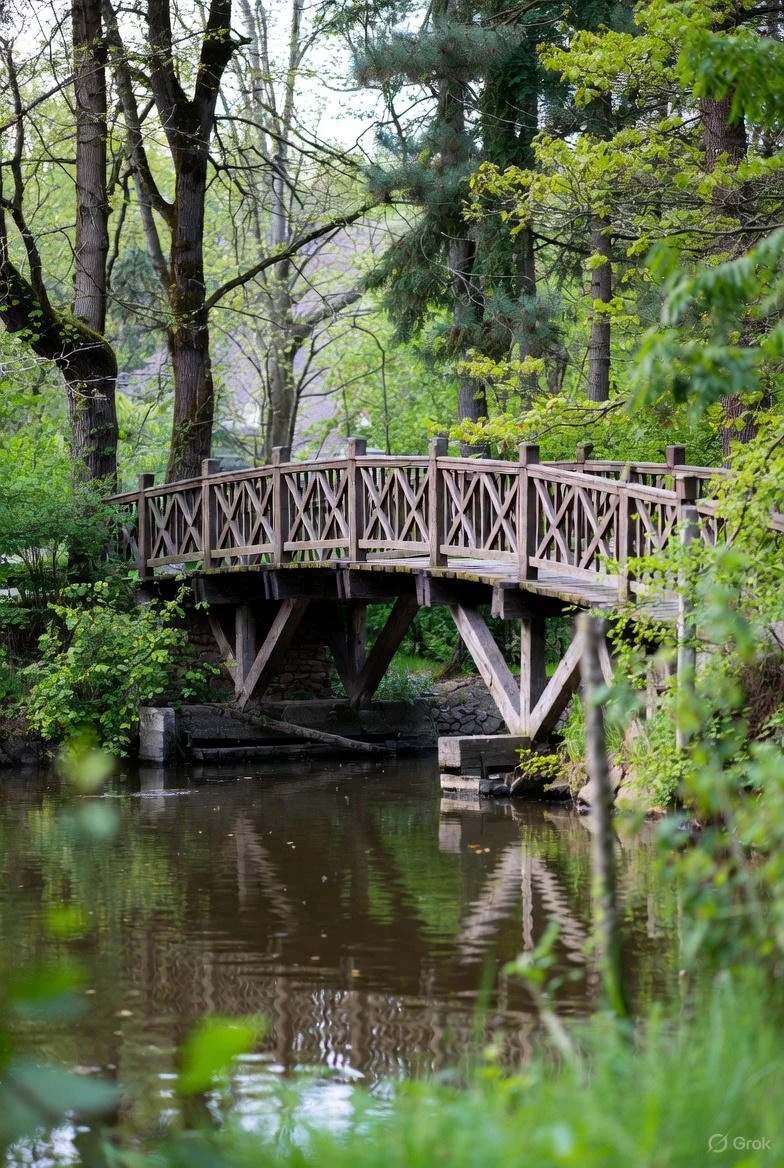
The Transition from Wooden to Brick Bridges in European Architectural History
Early European bridges were predominantly constructed from wood due to its availability and ease of use, but these structures were vulnerable to fire, decay, and flooding. The shift toward brick masonry, particularly in arch designs, offered greater durability and load-bearing capacity, influenced by regional material resources and engineering advancements. This evolution reflects adaptations in building science to achieve longer spans and enhanced resistance to environmental forces.

The Material Evolution of Brick: From Sun-Dried Clay to Modern Engineered Units
Brick, one of the oldest manufactured building materials, has undergone continuous refinement over 7,000 years. Early sun-dried mud bricks gave way to fired clay units in Mesopotamia, followed by Roman hydraulic additions, medieval European variations, and 19th-century mechanized production. Each stage reflects advancements in firing technology, raw-material understanding, and performance requirements driven by climate, durability needs, and architectural demands.
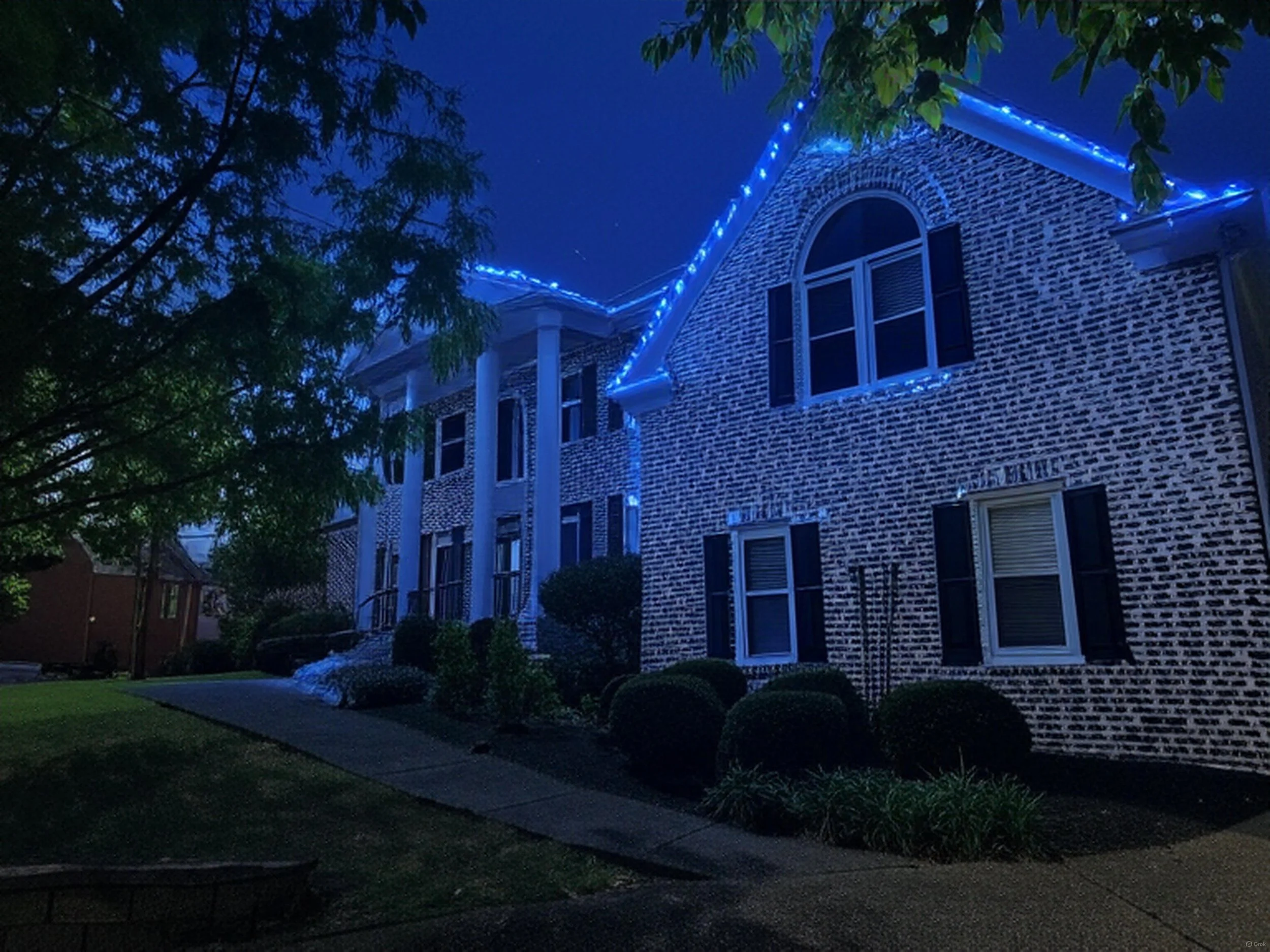
Enhancing Holiday Lighting Effects with White German Smear Brick Exteriors
A white German smear finish—created by applying and partially removing a light mortar slurry over brick—turns a house into a bright, softly textured canvas that dramatically improves the visibility and vibrancy of holiday lights. Because the surface is predominantly white with subtle gray veiling and retained brick undertones, it interacts differently with each lighting color than dark red brick or painted siding. Specific light colors produce stronger contrast, richer saturation, or cleaner projection when displayed against this reflective, neutral backdrop.
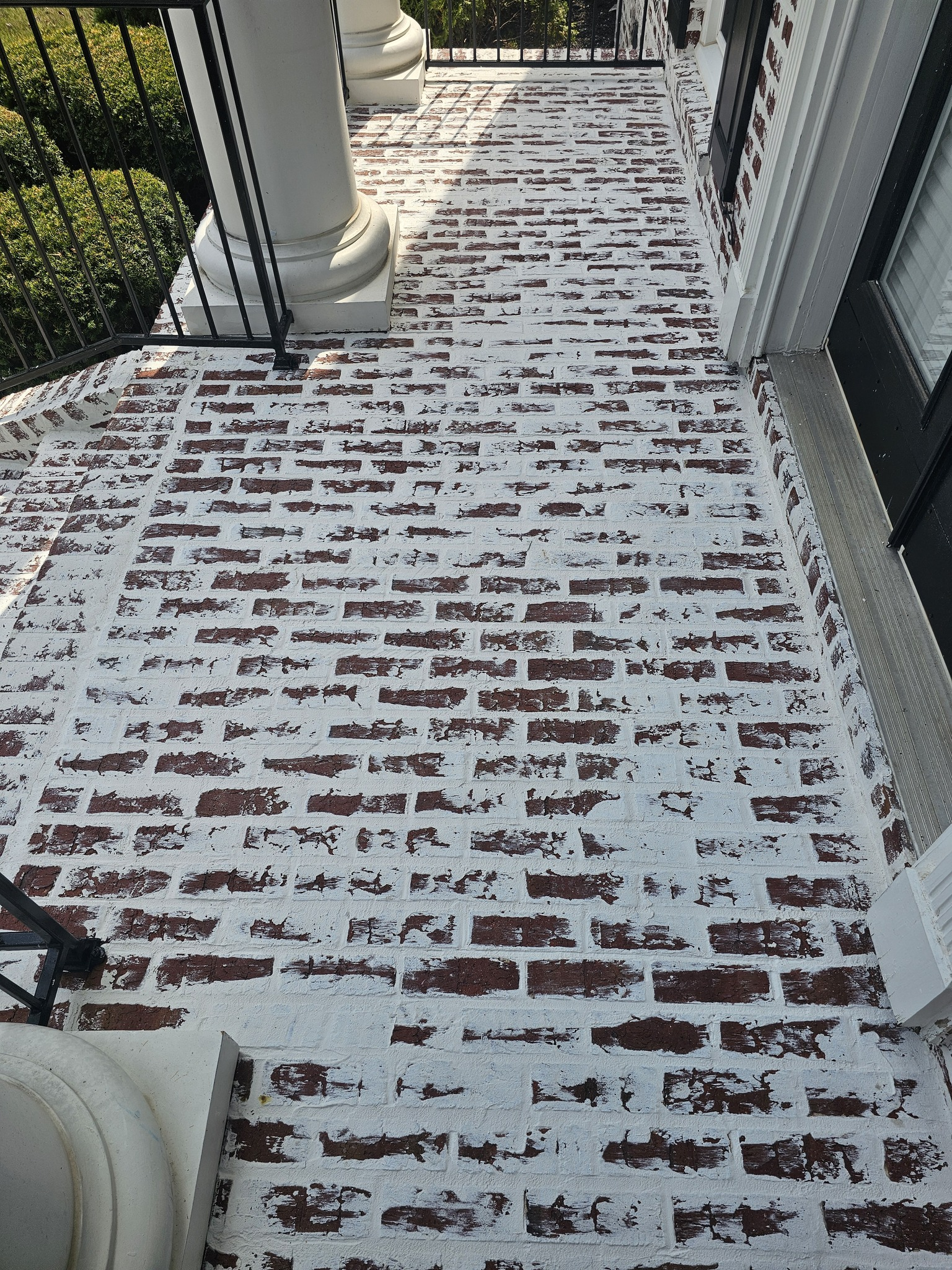
Transforming the Appearance of Brick Pavers: Aesthetic Enhancement Techniques That Preserve Durability
Beyond routine cleaning, brick pavers can be dramatically refreshed or completely re-imagined through historically proven surface treatments such as mortar wash, lime slurry coatings, and selective staining methods. When correctly formulated and applied, these techniques alter color and texture while maintaining the clay unit’s essential vapor permeability and freeze-thaw resistance. The result is a new aesthetic identity—from bright whitewashed Mediterranean courtyards to softly aged European village streets—without sacrificing the paver’s proven longevity.
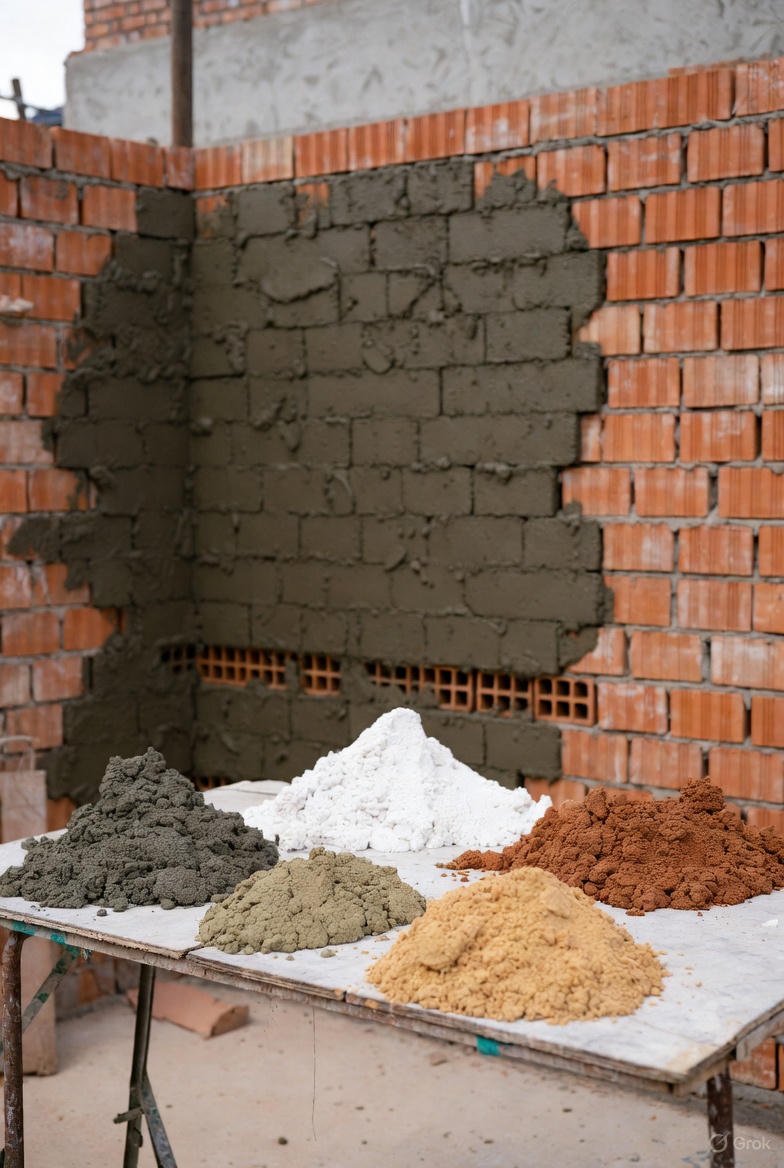
Color Options in German Smear: Pigmentation and Substrate Interaction
German smear achieves its color through iron oxide pigments added to masonry mortar, producing a range of whites, grays, beiges, and muted earth tones. These pigments integrate permanently during hydration and interact with the underlying brick to create soft, layered effects that preserve texture and breathability. The resulting palette offers subtle alternatives to painted brick while remaining rooted in traditional mortar-wash practices.
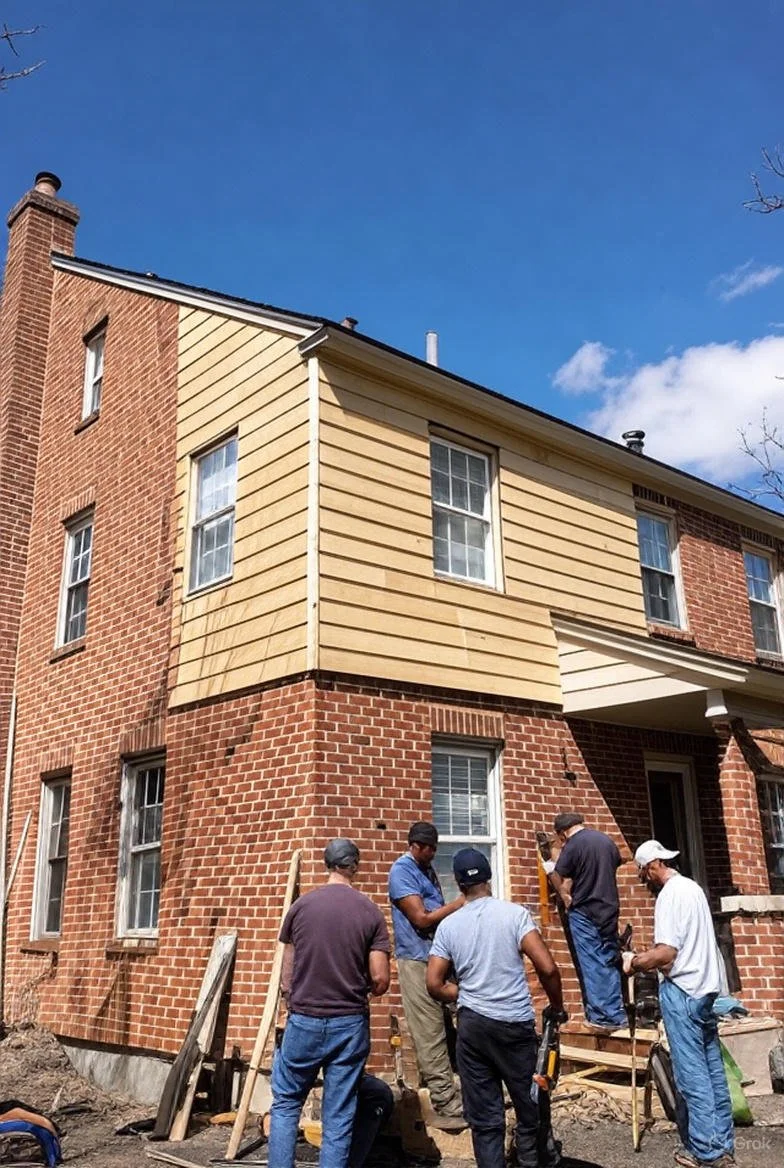
Why Siding Over Brick Might Not Be the Best Move for Your Home
Hey there, homeowner—picture this: You've got a classic brick exterior that's stood the test of time, but you're eyeing siding as a quick refresh. It's tempting, right? A fresh look without the hassle. But before you commit, let's chat about the downsides. As experts at German Smear Specialist, we've seen plenty of folks regret covering up beautiful brick, especially when smarter options like professional German Smear can enhance what you already have. In this post, we'll break down the real cons of siding over brick, backed by solid insights from home improvement pros. Spoiler: It often hides problems rather than solving them, and there are better ways to boost curb appeal and efficiency.

Unlocking the Hidden Perks of German Smear: Insulation for a Cozier, Quieter Home
Hey there, homeowner! As we settle into this crisp October 27, 2025, with energy prices still making waves in the news, what if a single upgrade could wrap your home in timeless charm while dialing down those utility bills and outside noise? Picture transforming your brick exterior into something that not only looks inviting but also works smarter for your comfort. German Smear, that professional masonry technique layering mortar for a textured, European-inspired finish, delivers just that. Here's the smart reason why: It goes beyond aesthetics to offer real insulation benefits, as verified by masonry experts who note how added mortar enhances thermal properties. In this post, we'll explore how this approach creates quieter, more efficient spaces, backed by reliable insights from home improvement sources.

German Smear: The Sustainable Choice for Eco-Conscious Homeowners
What if your next home upgrade could not only make your exterior look stunning but also align with your values for a greener planet? In a world where sustainability is more important than ever—especially with rising energy costs and environmental concerns—German Smear stands out as a smart, eco-friendly option. We've seen how this professional masonry technique transforms homes while minimizing environmental impact, using natural materials that enhance energy efficiency and reduce waste. Picture your brick facade getting a timeless makeover that cuts down on your carbon footprint. In this post, we'll explore why German Smear is the intelligent, planet-friendly alternative to traditional updates like painting, backed by expert insights and verified facts as of October 27, 2025.

Why Painting Your Brick Is a Mistake—and How German Smear Is the Smarter Choice
Tired of your home’s dated brick exterior and thinking about slapping on a fresh coat of paint? Hold that thought—painting your brick could lead to costly issues down the road.

Choosing the Right Finish for Your Brick: Limewash vs. German Smear
Ever stared at your home's brick exterior and thought, "This could use a refresh that boosts curb appeal without sacrificing functionality?" You're not alone—many homeowners are exploring timeless techniques to elevate their spaces. Enter limewash and German Smear, two popular options that give brick that charming, aged European vibe. But what's the real difference, and which one could save you on energy bills while making your home the envy of the neighborhood? As experts at German Smear Specialist, we've helped countless clients navigate these choices, and we're here to break it down for you in a way that's smart, straightforward, and tailored to your needs. By the end, you'll see why understanding these distinctions can lead to a more beautiful, efficient home.
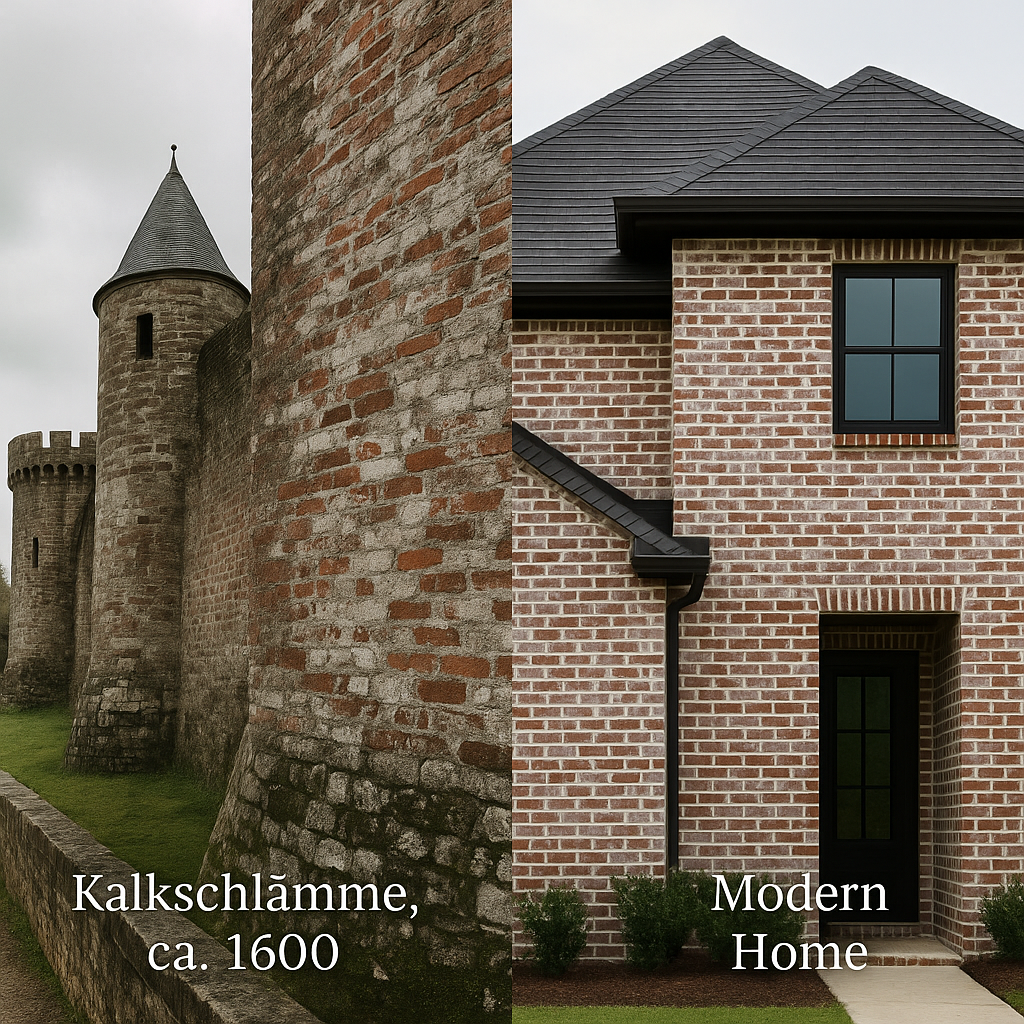
Before It Was Called “German Smear”: The Forgotten History of Europe’s Original Masonry Finish
Before it was called “German Smear,” this centuries-old finish was known by names like Kalkschlämme and Kalküberwurf. Discover the forgotten European origins of the beloved brick-smearing technique that once protected castles and cottages alike.
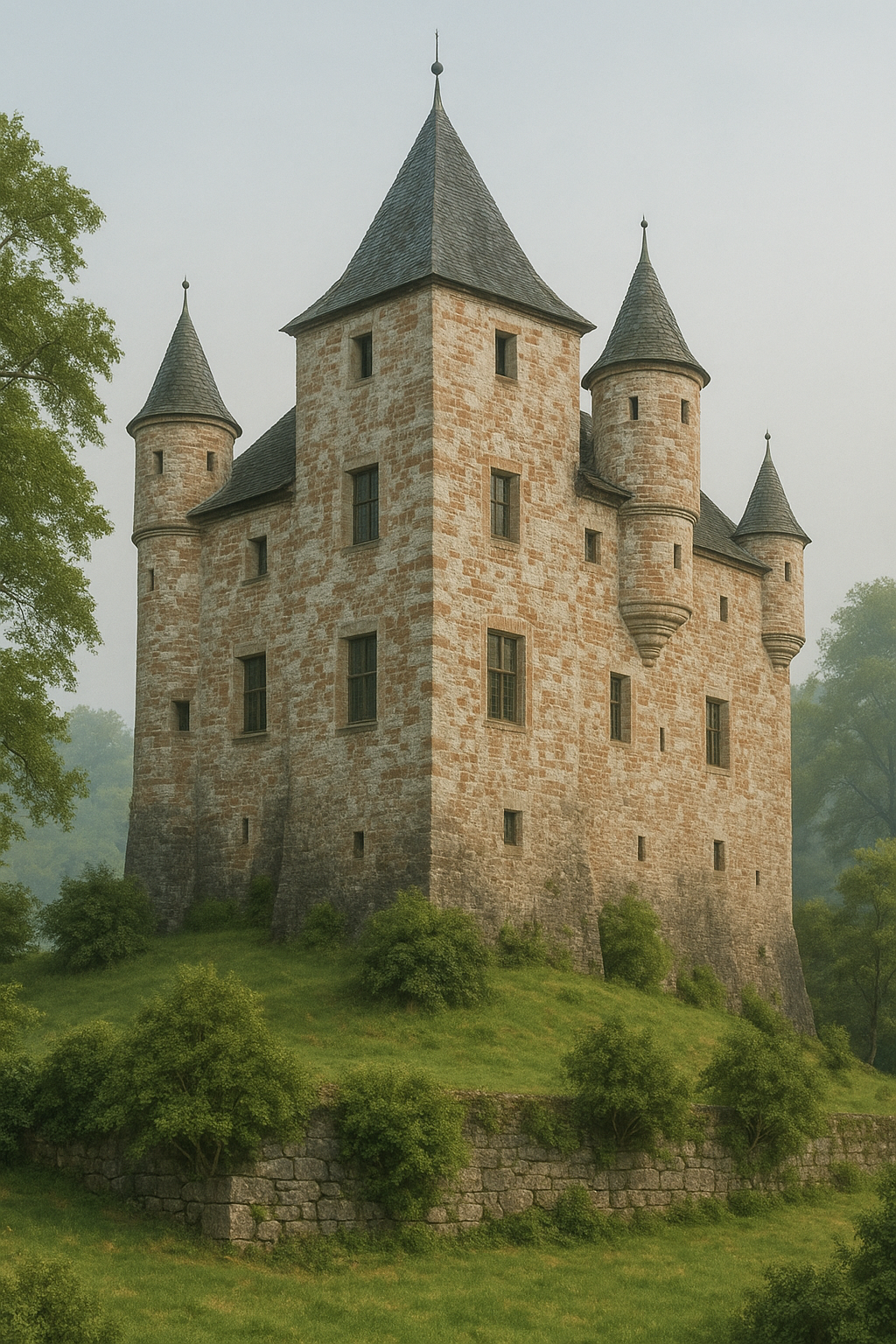
Restoring Royalty: How German Smear Helped Preserve Castles and Homes of the Monarchy
Discover how the German Smear technique—once used to preserve castles and royal estates across Europe—became a timeless method for both protection and beauty, blending craftsmanship with centuries of architectural history.
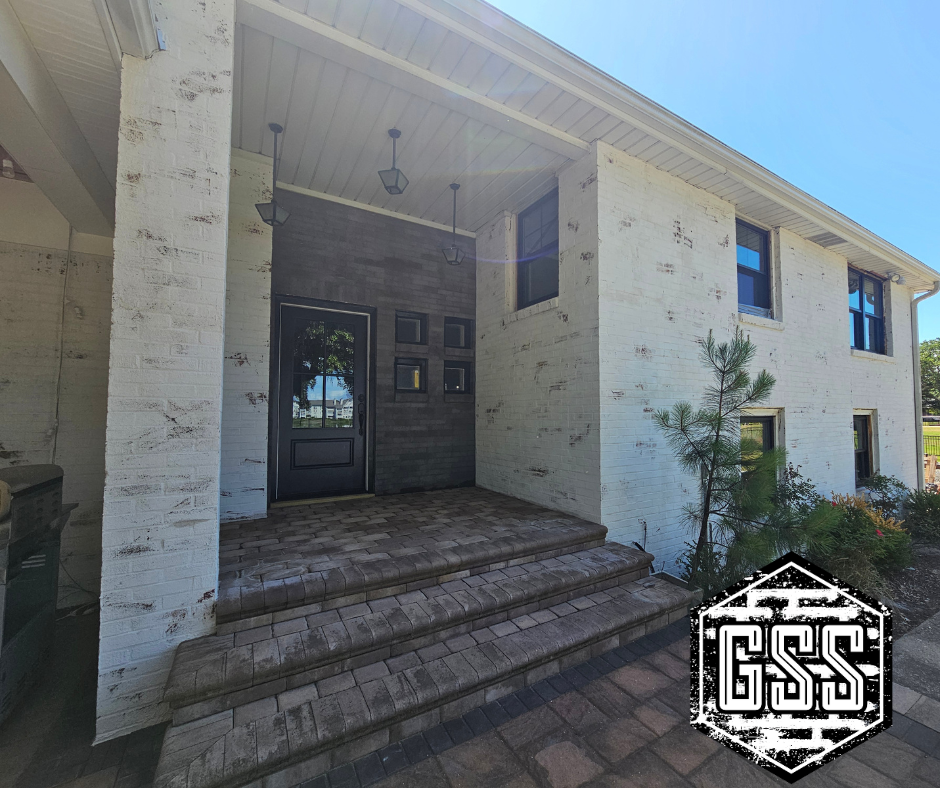
The Historical Origins and Use of German Smear: A Timeless European Technique
German Smear, also known as Schmear, is a centuries-old technique that originated in Germany and has since become a beloved style in both European and contemporary architecture. This method involves applying a thin layer of mortar over brick or stone, creating a rustic, textured, whitewashed appearance. It was originally developed for both practical and aesthetic purposes and continues to captivate homeowners today with its timeless charm.

Beyond Rustic: How German Smear Can Transform Any Style of Home
German Smear is no longer just for farmhouses. This hand-applied mortar finish can go sleek, artistic, or even bold with color. From black and gray to green, blue—even glow-in-the-dark—this technique transforms brick into a one-of-a-kind exterior masterpiece.