

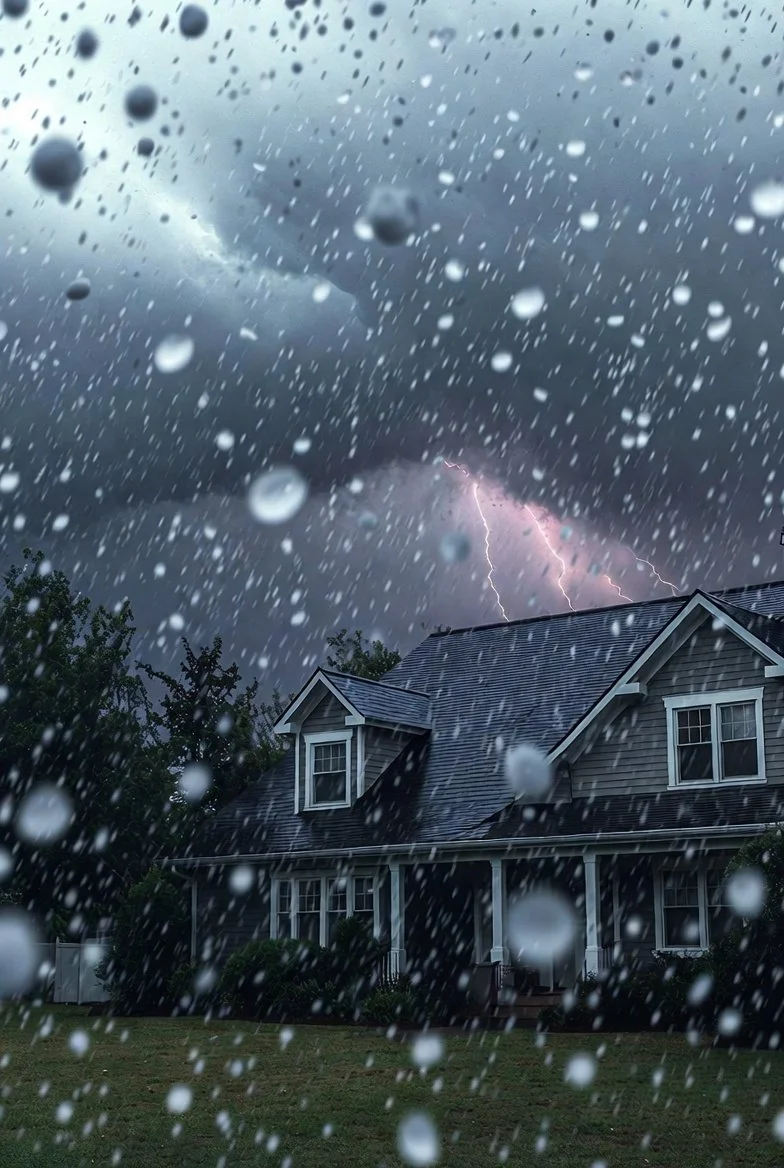
Resilience of Brick Homes to Extreme Weather: Historical Mortar Traditions and Material Comparisons
Brick masonry construction, rooted in European traditions with methods like German Smear for enhanced vapor permeability, offers robust resistance to extreme weather events compared to less durable alternatives. This resilience stems from material density and breathability, reducing moisture-related damage in conditions like freezes or floods. Examining repair costs across home types underscores how historical treatments contribute to lower long-term expenses through improved adhesion and climate adaptation.
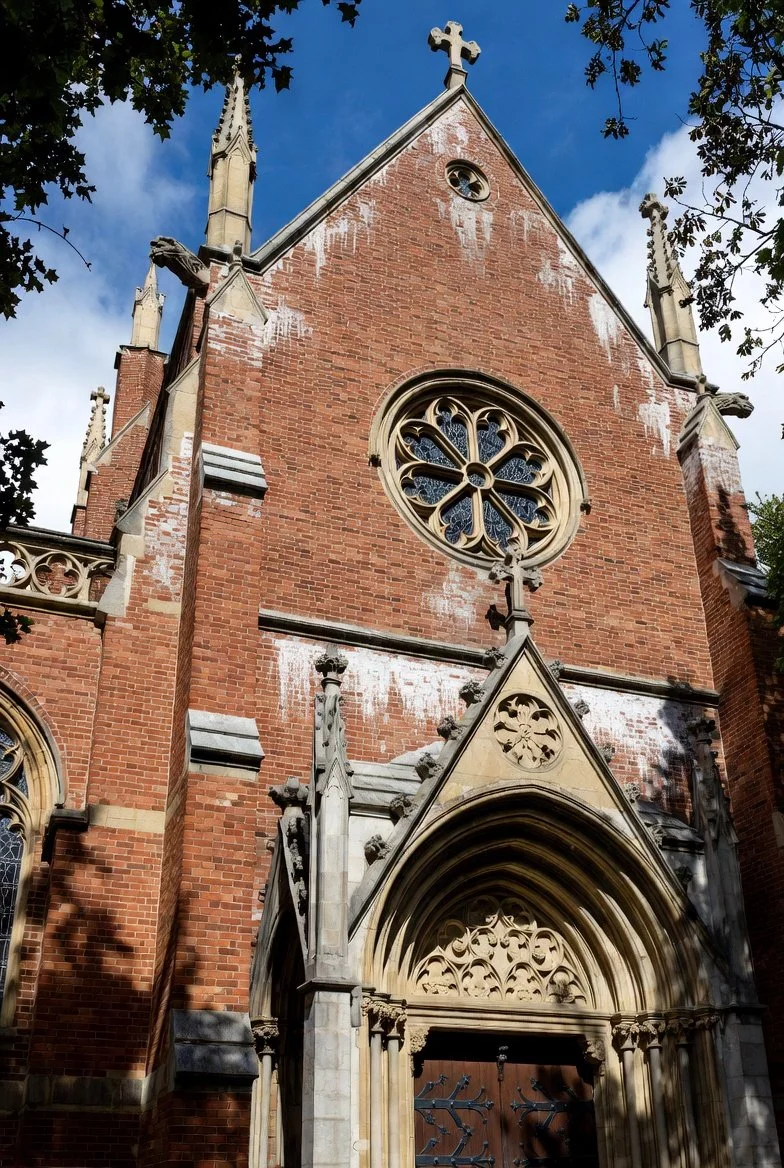
Understanding Efflorescence in Brick Masonry: Causes, Effects, and Mitigation Through German Smear
Efflorescence appears as a white, powdery deposit on brick surfaces, resulting from the migration of soluble salts carried by water. This common issue in masonry structures can affect both aesthetics and longevity if not addressed through proper building practices. Exploring its scientific mechanisms reveals opportunities for prevention, particularly with traditional methods like German Smear that enhance brick durability while preserving historical integrity.
Introduction
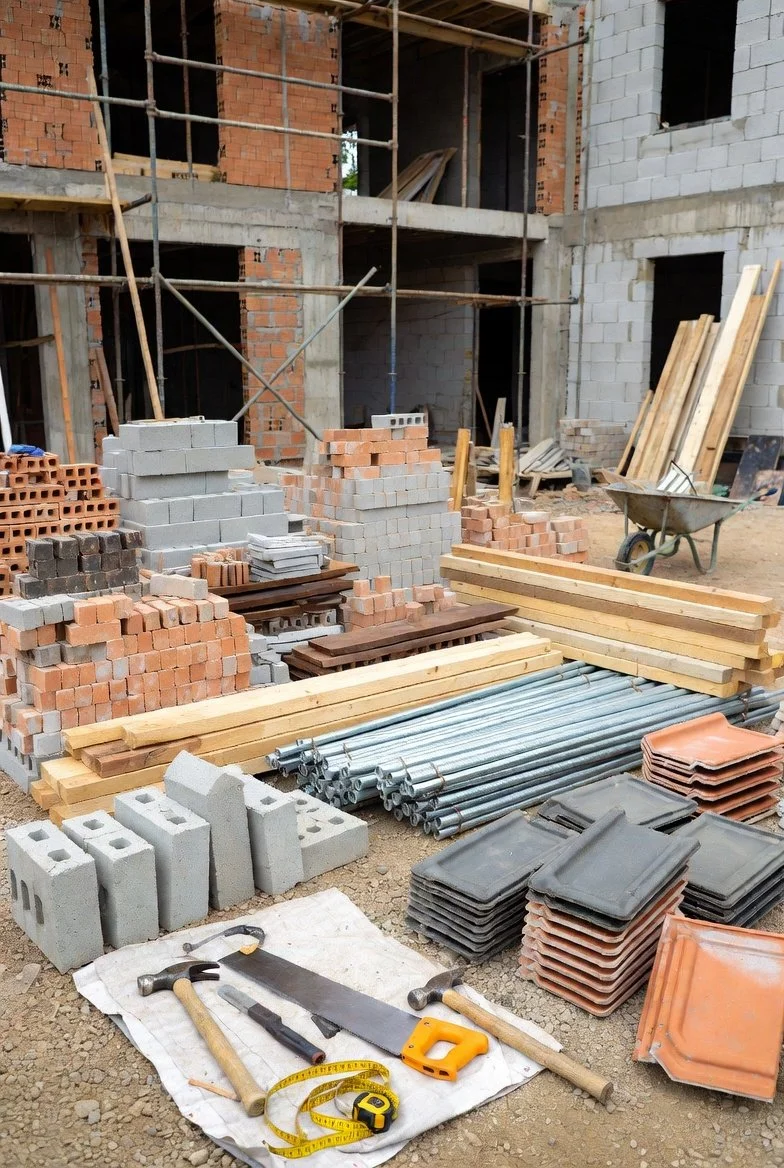
Comparative Construction Costs in Residential Brick Architecture
Brick masonry construction, with its historical roots in European traditions, typically involves higher initial costs due to material density and skilled labor requirements compared to wood-frame or modular alternatives. Factors such as supplies like clay bricks and mortar, combined with labor-intensive installation, influence overall expenses across home types. This post examines various residential construction methods, focusing on material and labor impacts in architectural contexts.
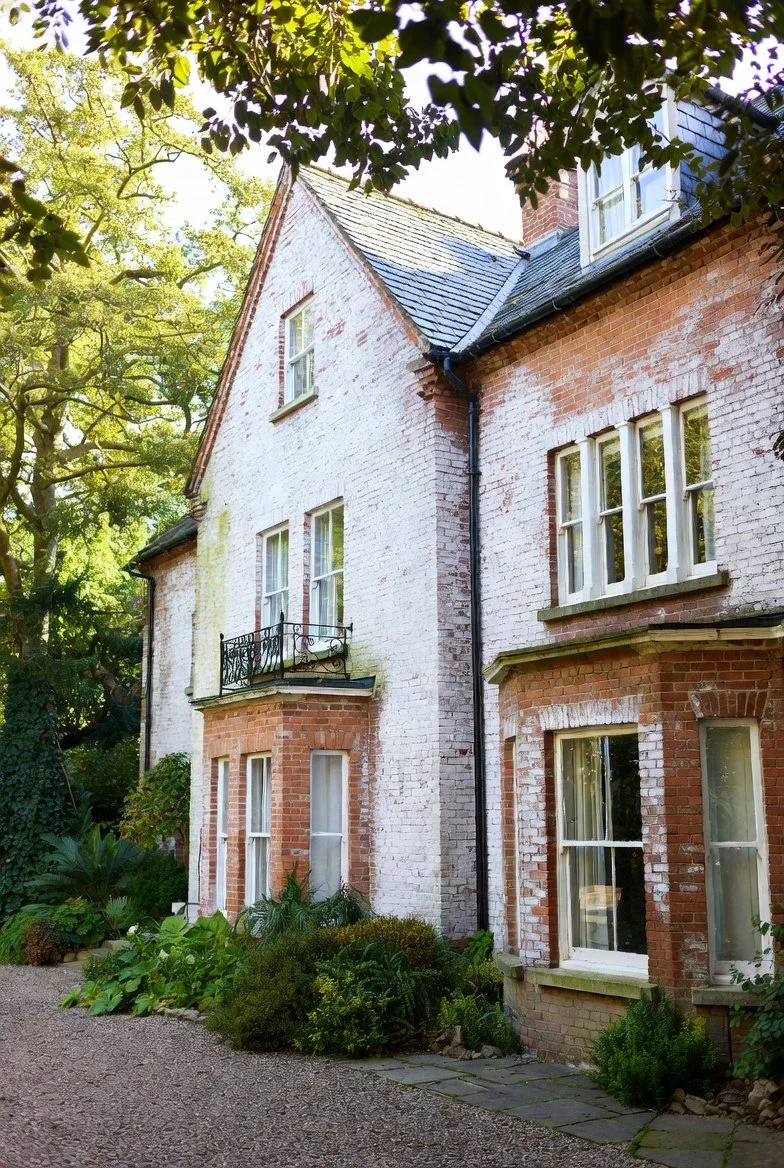
Comparing German Smear Brick Finishes to Untreated Brick: Aesthetic and Building Science Perspectives
German smear, a traditional mortar-wash technique applied to brick surfaces, creates a distinct aged appearance compared to the uniform look of untreated brick. This method, rooted in European building practices, alters both the visual character and material properties of masonry. By examining aesthetic differences, potential impacts on property visibility, and building science aspects, readers can gain insight into how such treatments influence architectural outcomes.