Blending Repaired Brick Sections with German Smear
German smear, alternatively referred to as schmear or mortar wash, involves applying a thin layer of mortar over brick surfaces to produce an irregular, aged aesthetic reminiscent of historical European architecture. This technique is significant from an architectural standpoint because it enables the blending of mismatched bricks—such as those introduced during repairs from damage or structural additions—into a cohesive whole, without resorting to impermeable coatings that could compromise the material's integrity. Historically rooted in northern German building traditions, it preserves the character of brick homes while adapting to practical needs like post-damage restoration.
Historical Context of German Smear
The German smear technique traces its origins to centuries-old masonry practices in northern Germany and parts of England, where it was commonly applied to cottages and castles to achieve a rustic, weathered look. Documented as early as several hundred years ago, it evolved as a functional method to cover irregular stone or brick surfaces with heavy mortar joints, enhancing both durability and visual appeal in traditional European structures. Unlike modern painting, which seals surfaces, this approach maintained the breathable quality of masonry, aligning with pre-industrial building principles that prioritized material longevity in varying climates.
In architectural history, German smear served not only decorative purposes but also practical ones, such as reinforcing weakened joints in older brickwork. It is distinct from limewash, which uses a thinner, lime-based slurry for a more translucent finish, or whitewash, a simple diluted paint mixture; German smear employs thicker mortar for greater texture and coverage.
How German Smear Blends Mismatched Bricks
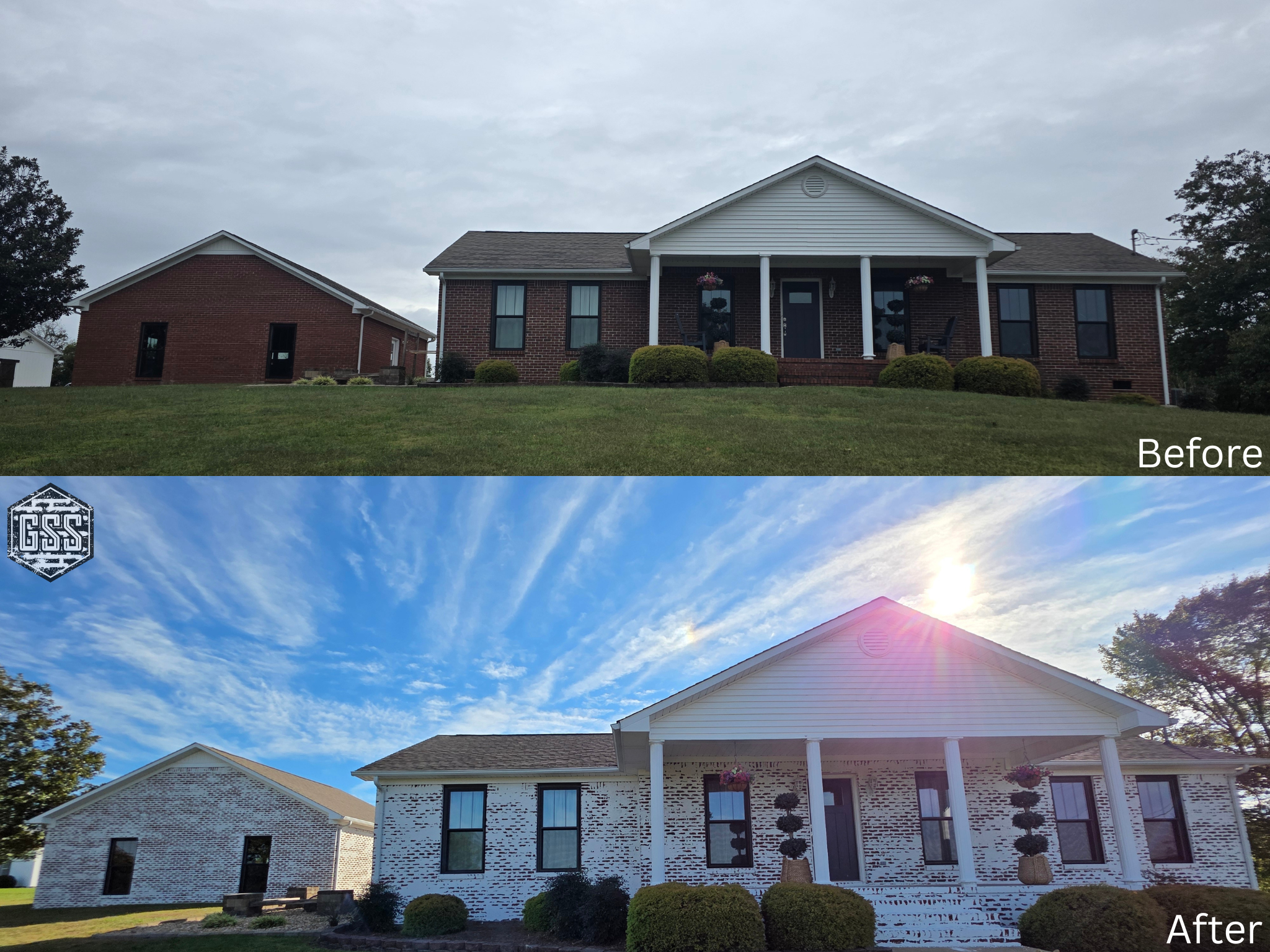
When brick homes undergo repairs—due to damage from weathering, impacts, or additions like extensions—the replacement bricks often differ in color, texture, or porosity from the originals, creating noticeable inconsistencies. German smear addresses this by applying a uniform mortar layer across both old and new sections, partially obscuring the bricks to create an irregular pattern that unifies the facade. This results in a distressed appearance that mimics naturally aged masonry, effectively masking mismatches without altering the underlying structure.
The process involves spreading wet mortar over the surface and wiping away portions before it sets, allowing varying degrees of brick exposure. For instance, in cases of repaired sections, the technique hides minor cracks or color variations, providing a polished yet authentic look. Architecturally, this promotes continuity, especially in historic or period-style homes where maintaining a consistent exterior is key.
Blends color differences: Mortar tints can be adjusted to soften contrasts between faded original bricks and vibrant new ones.
Masks texture variations: Irregular application covers smoother or rougher surfaces from different brick batches.
Integrates additions: Ensures seamless transitions where new walls meet old, preserving overall design harmony
Building Science Considerations
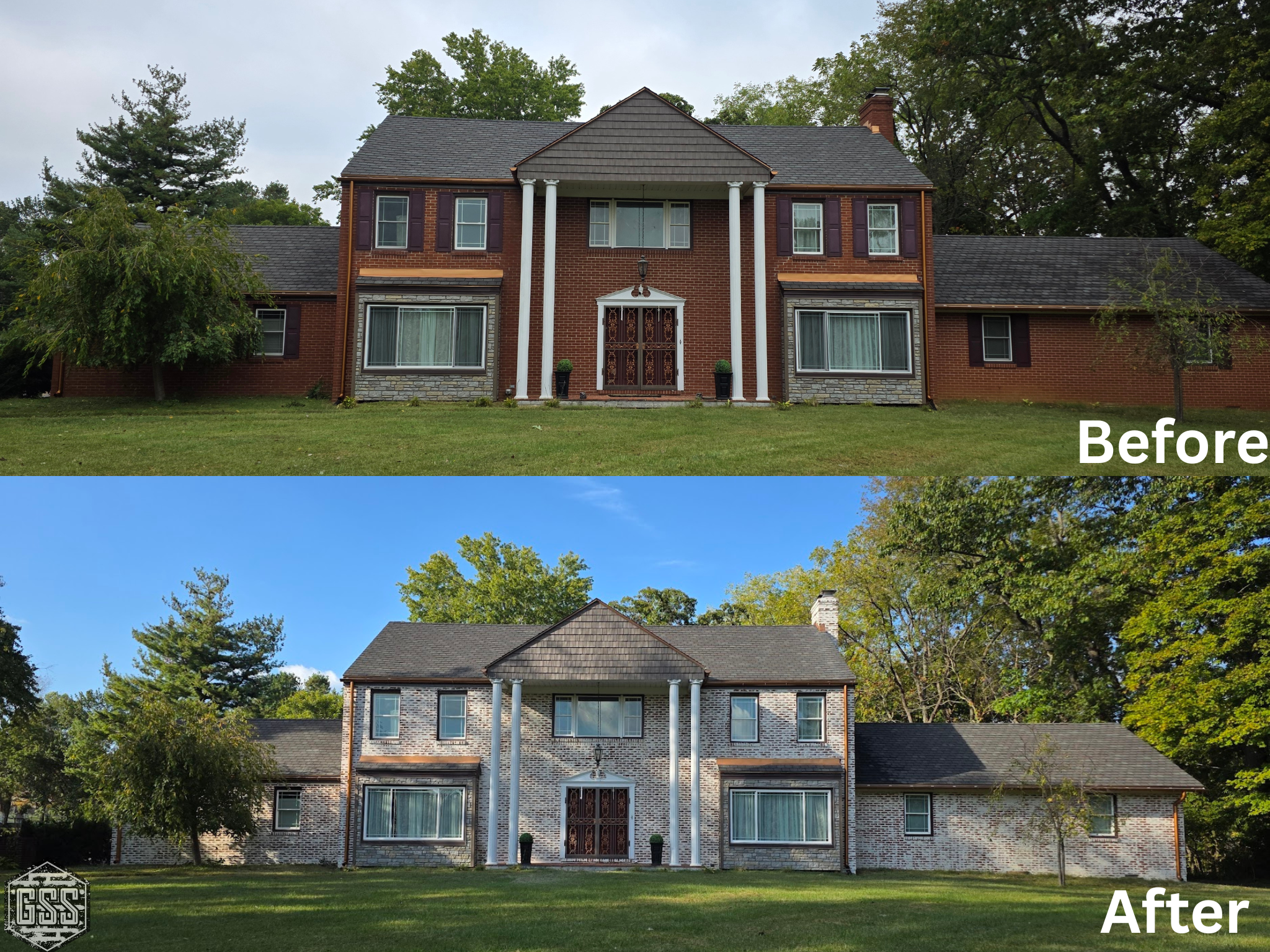
From a building science perspective, German smear enhances the performance of brick facades by improving vapor permeability, allowing moisture to escape and reducing the risk of trapped water that could lead to freeze-thaw damage in colder climates. The mortar, typically composed of cement, sand, and water—or lime-based for traditional applications—adheres to porous brick surfaces through mechanical bonding, reinforcing joints and preventing further deterioration.
Climate plays a role: In humid regions, the breathable nature of mortar prevents mold growth behind the finish, unlike non-permeable paints. Adhesion principles rely on the brick's porosity; overly smooth or sealed bricks may require surface preparation for proper bonding. Material behavior includes resistance to weathering, as the added layer protects against UV fading and erosion, extending the lifespan of repaired sections.
Vapor permeability: Allows walls to "breathe," mitigating interior condensation issues.
Freeze-thaw resistance: Reduces cracking in northern climates by accommodating expansion.
Mortar composition: Often includes fiberglass strands for added strength in modern mixes.
Conclusion
German smear provides an effective, historically informed method for blending repaired brick sections, unifying mismatched areas through a textured mortar application that respects architectural traditions. It distinguishes itself from other finishes by prioritizing breathability and durability, offering insights into sustainable masonry practices. This technique underscores the value of adapting European heritage methods to contemporary repair needs, ensuring long-term cohesion in brick structures.
Looking to DIY?
Checkout SmearTech’s Signature White™ Mortar and German Smear Tools.