


Creating an Irregular Pattern in German Smear
German smear, a traditional brick finishing method, relies on intentionally irregular application to produce a distressed, aged appearance that evokes historical European architecture. This "pattern that has no pattern" technique avoids uniformity, allowing the mortar to interact naturally with the brick surface for a timeless look. By embracing randomness in coverage and texture, artisans can replicate the organic wear seen in centuries-old structures.

Exploring the Different Styles of German Smear Techniques
German Smear, also known as mortar wash or Schmear, is a historical brick finishing method that originated in Central European masonry practices during the medieval era. This technique involves applying a mortar mixture to brick surfaces to create an aged, textured appearance while enhancing structural integrity. Different styles vary primarily in the degree of mortar coverage and application method, offering options from subtle toning to more monolithic finishes.
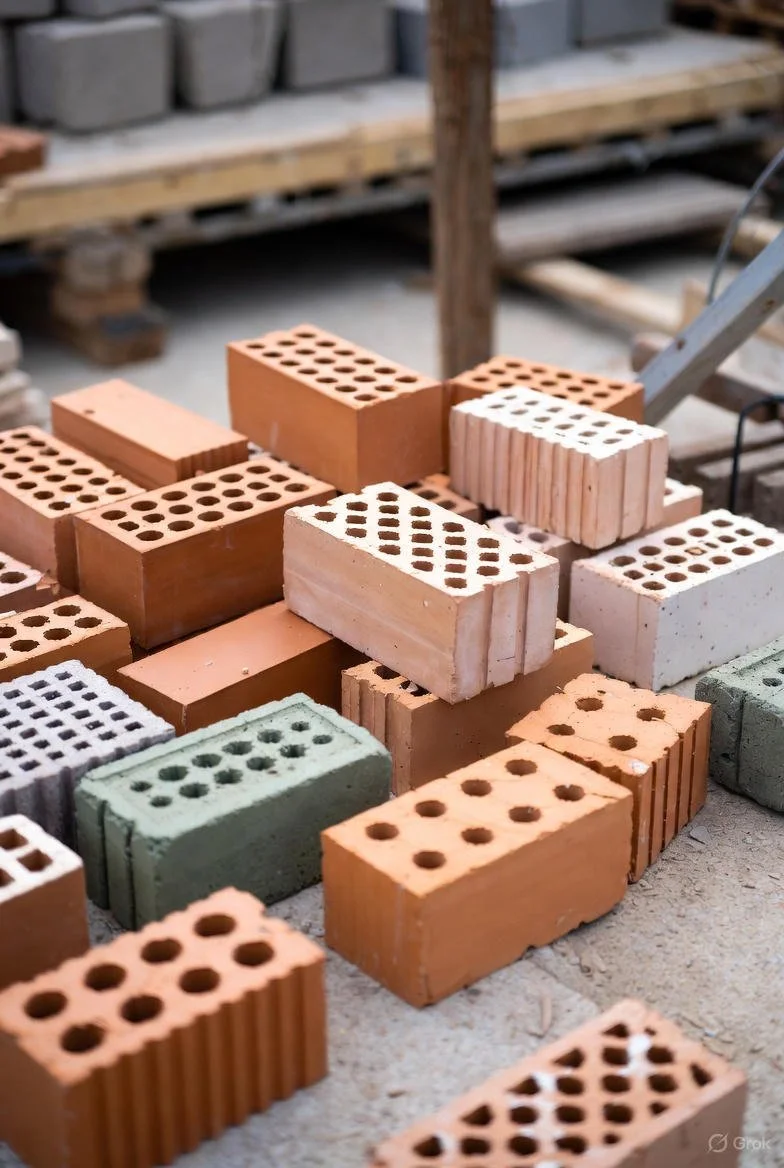
Characteristics of Fired Clay Bricks: Dark Marks and Perforations
Many fired clay bricks exhibit dark marks or spots on their surfaces, resulting from chemical changes during the kiln firing process. These features reflect the material composition of the clay and atmospheric conditions in the kiln. Similarly, perforations or indentations in bricks serve practical purposes rooted in manufacturing efficiency and structural performance, allowing for uniform firing and improved bonding in masonry construction.
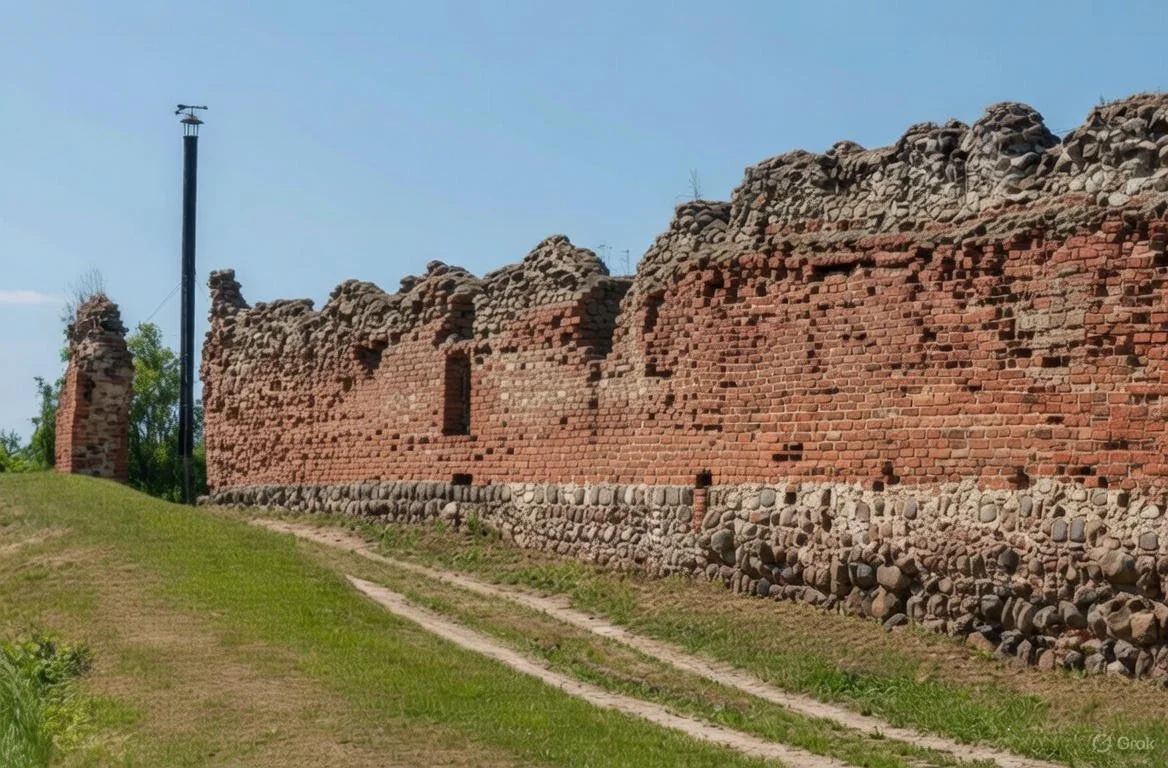
Height Limitations in Historical Brick Structures Versus Modern Possibilities
Historical load-bearing brick buildings were constrained by material variability and compressive limits, requiring massive base walls for modest heights. The tallest unreinforced brick skyscraper reached only 215 feet with walls up to 6 feet thick at the base. Modern advancements, including reinforcement and engineered masonry, allow taller structures with thinner walls, while thin brick veneers enable brick aesthetics on much taller framed buildings.
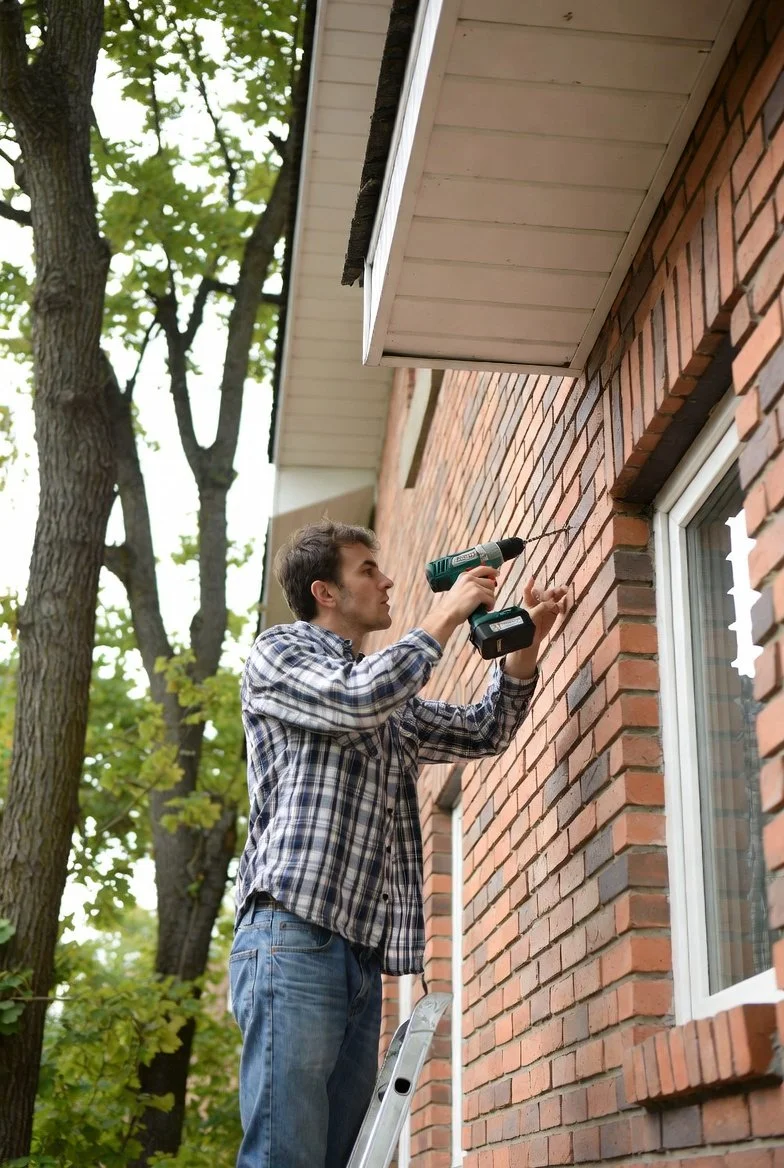
Upkeep Costs in Brick Masonry Homes: Historical Mortar Traditions and Material Comparisons
Brick masonry homes, enhanced by historical mortar-wash methods like German Smear for improved vapor permeability, typically incur lower annual upkeep costs due to their durability against environmental factors compared to more maintenance-intensive alternatives like wood-frame structures. These traditions, rooted in European architectural practices, emphasize breathable finishes that reduce long-term repair needs while preserving aesthetic integrity. Understanding comparative upkeep across home types, alongside protective measures that maintain visual appeal, highlights the architectural value of informed material choices in building conservation.
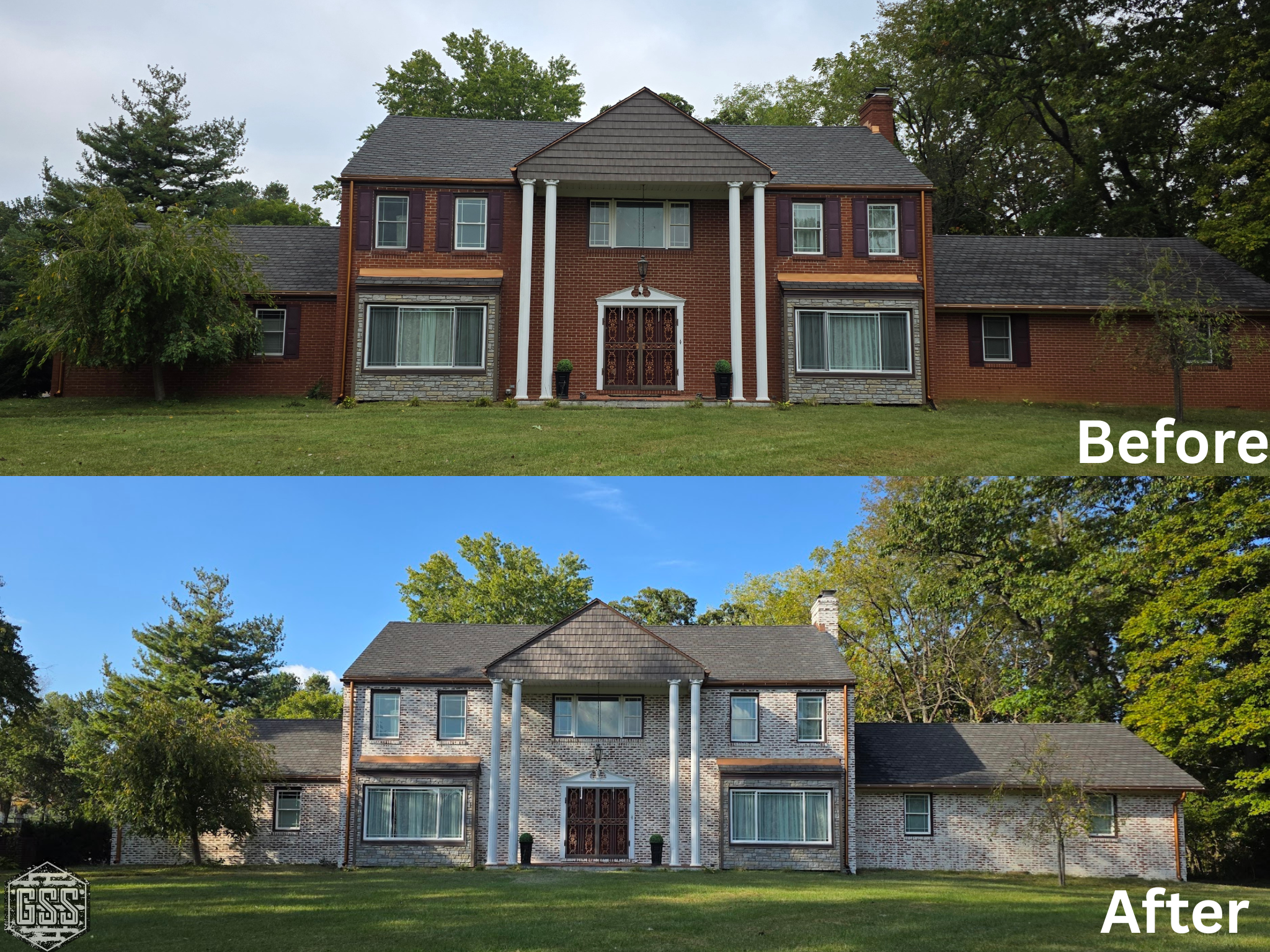
Blending Repaired Brick Sections with German Smear
German smear is a mortar-based finishing technique that can seamlessly integrate repaired or added brick sections into an existing home's facade by creating a uniform, distressed appearance. This method addresses visual discrepancies in color, texture, and age between original and replacement bricks, drawing from long-established European masonry practices. It offers an educational lens into how traditional building methods can resolve modern repair challenges while maintaining architectural cohesion.
Brick Water Absorption Variability and Its Impact on German Smear Application
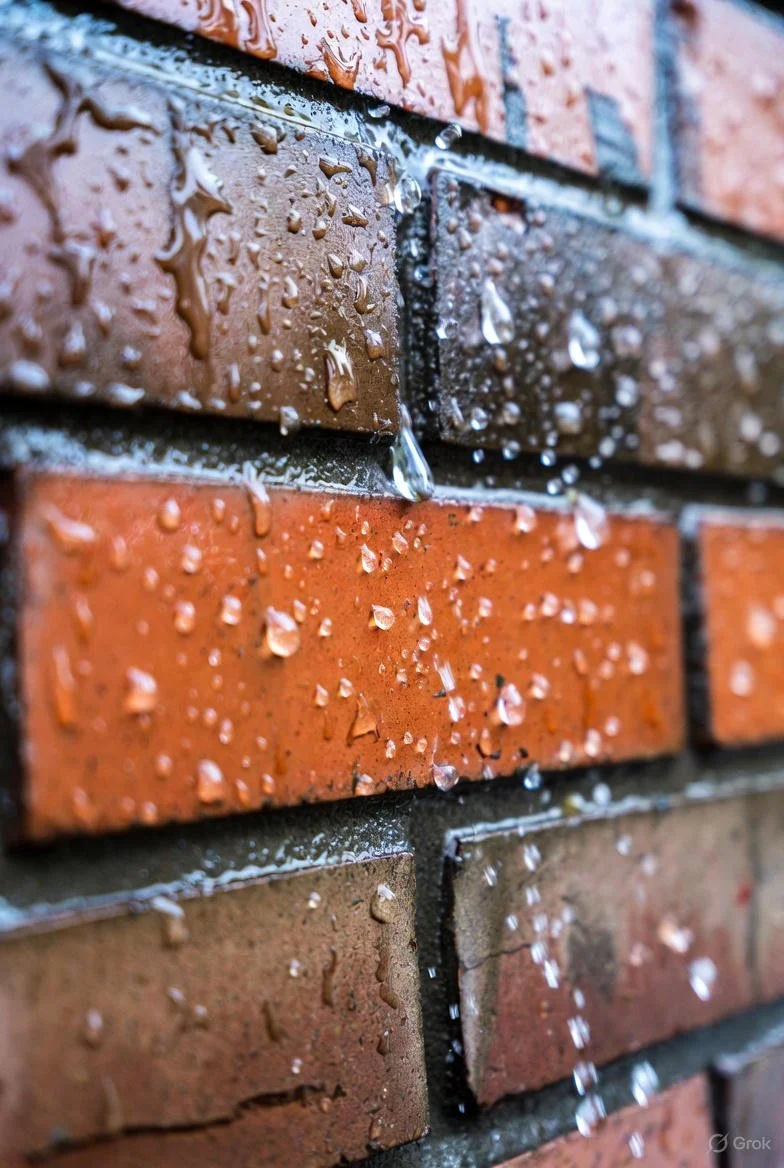
Bricks exhibit varying levels of water absorption due to differences in porosity, manufacturing processes, and material composition, which directly influence masonry applications. High-absorption bricks can complicate German Smear by rapidly drawing moisture from the mortar, leading to faster drying and reduced workability. Managing this through pre-wetting facilitates smoother application, while post-application breathable waterproofing treatments enhance long-term durability against environmental moisture.
The Role of Particle Size in German Smear Mortar: Why Extremes Are Not Ideal
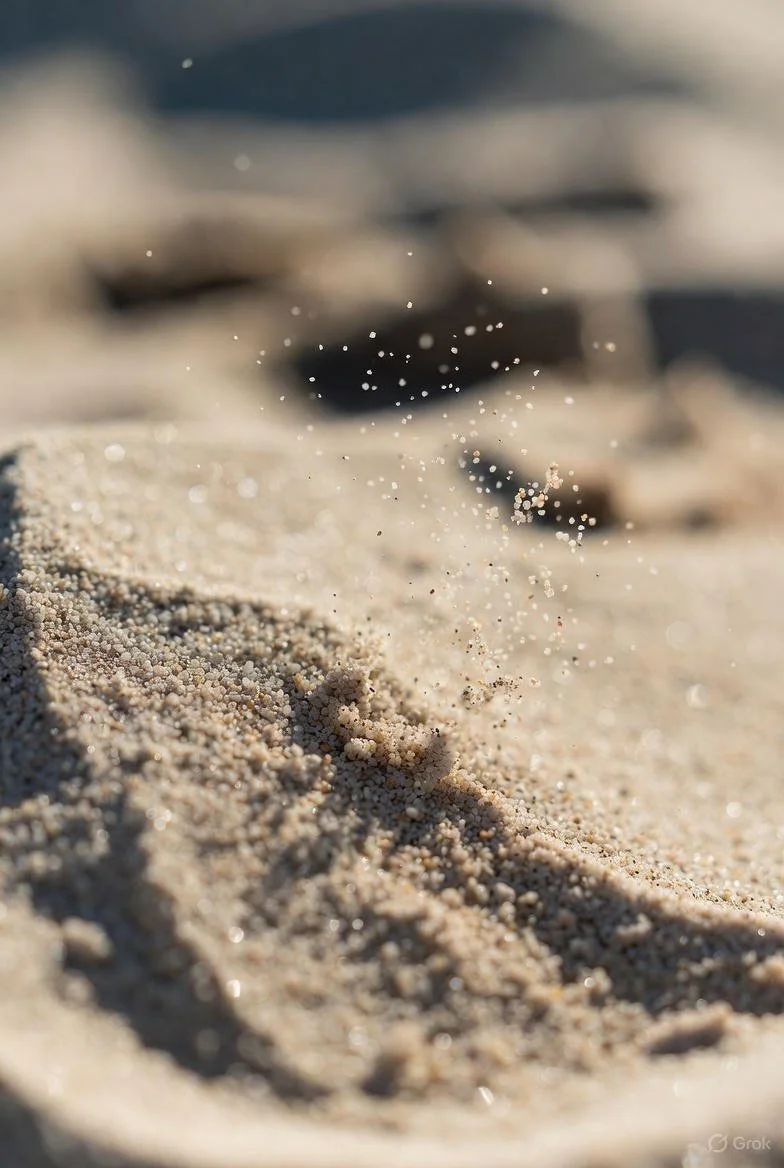
Particle size in the sand used for German Smear mortar significantly influences the application's workability, durability, and aesthetic outcome. Super fine particles can lead to excessive shrinkage and reduced breathability, while large grains may cause uneven adhesion and a gritty texture. Understanding these factors helps in appreciating the balance required for this traditional brick treatment method.

German Smear in the Restoration of Historic Masonry Buildings
German Smear, a traditional mortar wash technique with roots in European masonry practices, involves applying a lime-based slurry to brick surfaces for protection against weathering. Documented in northern European architecture, it provided a sacrificial layer that enhanced durability while allowing vapor permeability. In historic building restoration, its use with compatible lime mortars supports conservation by reinforcing aging brickwork without introducing rigid materials that could cause damage.
Schloss Burgsteinfurt and Kalkschlämme (German Smear) Traditional Masonry Protection
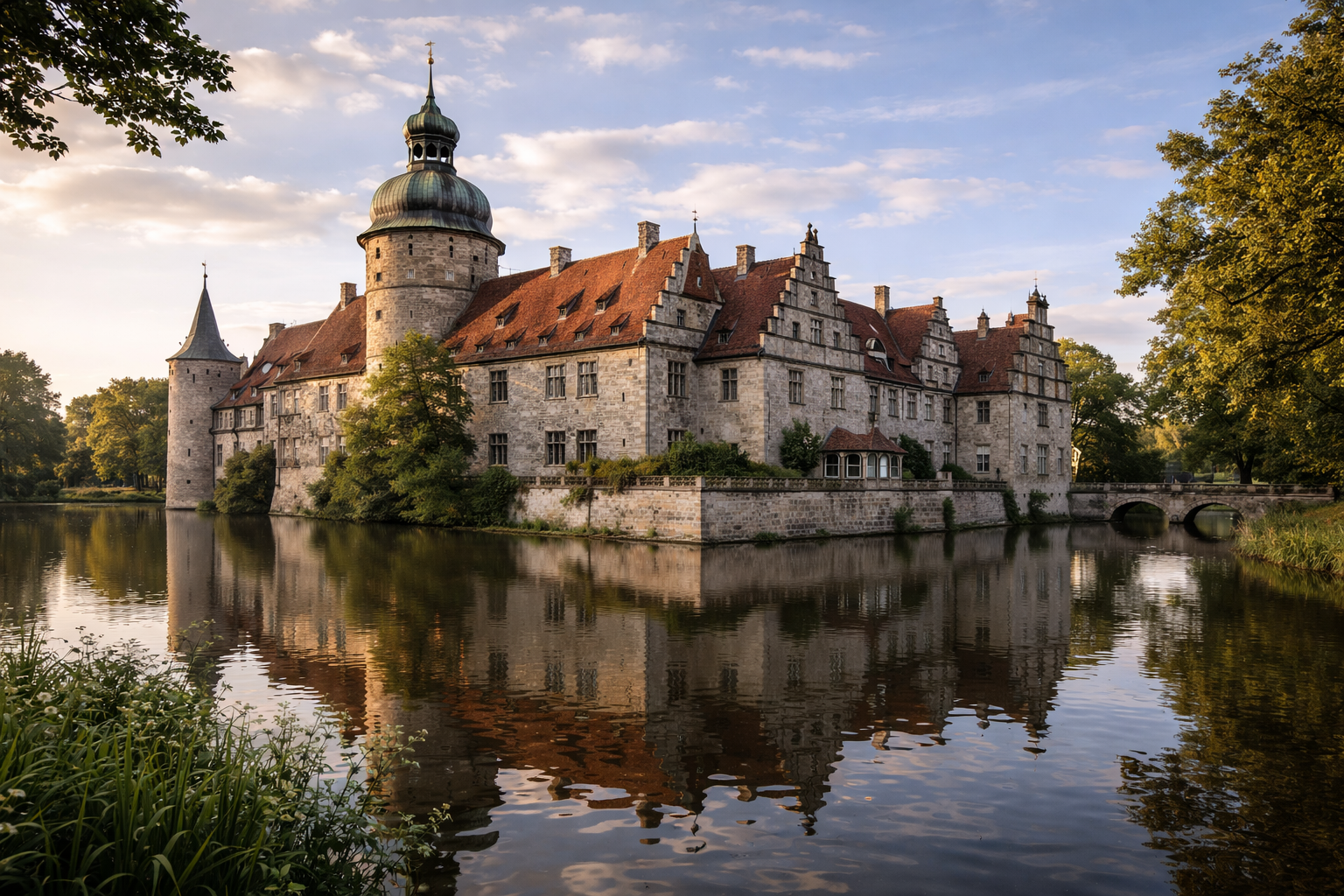
Schloss Burgsteinfurt (Burgsteinfurt Castle), the oldest moated castle in Westphalia first documented in 1129, represents enduring masonry architecture in northern Germany's temperate climate. Kalkschlämme (lime slurry), a traditional lime-based coating, aligns with regional conservation practices for protecting exposed facades. During renovations completed around 2013, a gray natural Kalkschlämme was applied to the facade after removing incompatible cement plaster, enhancing breathability and weather resistance.
Brick Masonry in Home Construction: Materials, Processes, and Mortar Considerations
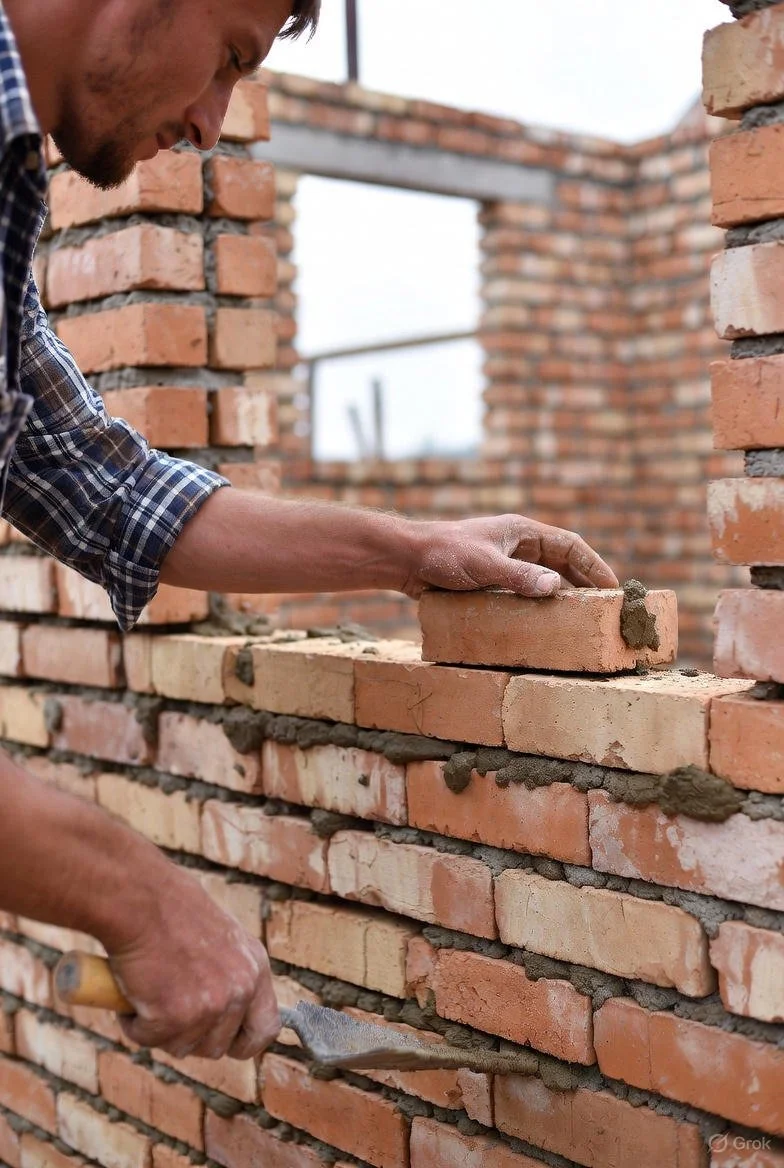
Brick homes rely on durable clay bricks bonded with mortar joints to form structural or veneer walls, providing strength, fire resistance, and thermal mass. Standard mortar joints are typically 3/8 inch (10 mm) thick to ensure load-bearing capacity and proper adhesion. In contrast, the German Smear technique uses a thin, uneven layer of mortar as a surface treatment for aesthetic purposes, distinct from the structural role of construction mortar.
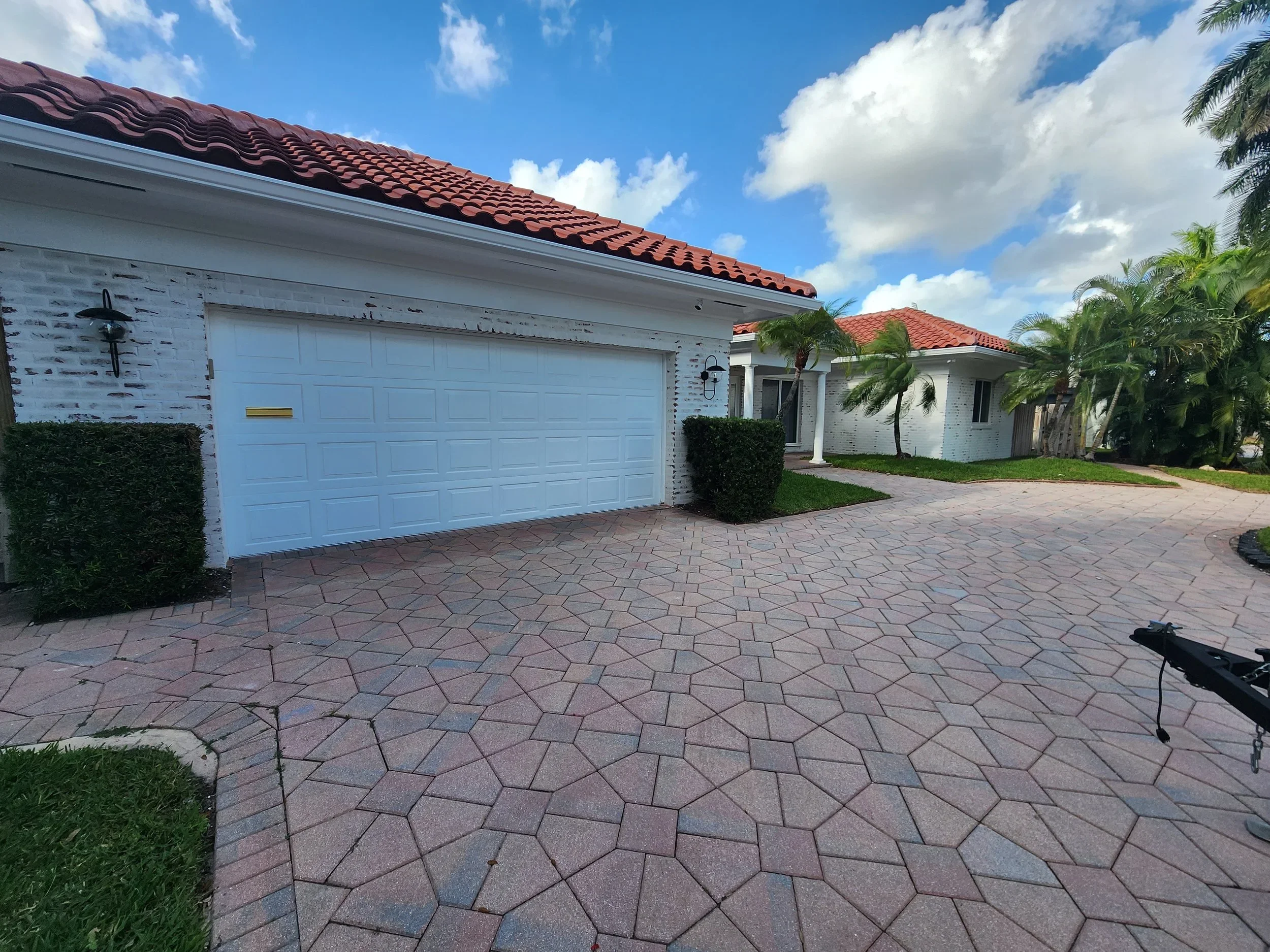
Aesthetic and Architectural Impacts of German Smear on Brick Exteriors
German smear, a historical mortar wash technique rooted in European building traditions, transforms brick surfaces by adding texture and a weathered appearance. This method enhances visual appeal by softening uniform brick lines and creating depth, potentially influencing buyer perceptions of curb appeal. Proper application is essential to achieve an intentional, artisanal look that holds up under close inspection.

Exploring German Smear Techniques: Mortars, Textures, Tools, and Artistic Applications
German Smear, a traditional brick finishing method originating from European building practices, involves applying a mortar wash to create an aged, irregular appearance on masonry surfaces. This technique emphasizes material composition and application methods to achieve varied textures and visual effects. Understanding its components and challenges provides insight into its role in architectural conservation and aesthetic enhancement.

Comparing Maintenance Requirements of Common Exterior Building Materials
Exterior building materials vary significantly in durability and upkeep needs, with options like brick and concrete masonry units (CMU) offering the longest lifespans and lowest maintenance. Vinyl and metal sidings provide ease of care through simple cleaning, while wood demands frequent intervention to prevent deterioration. Understanding these differences helps in assessing long-term performance across diverse climates and architectural applications.
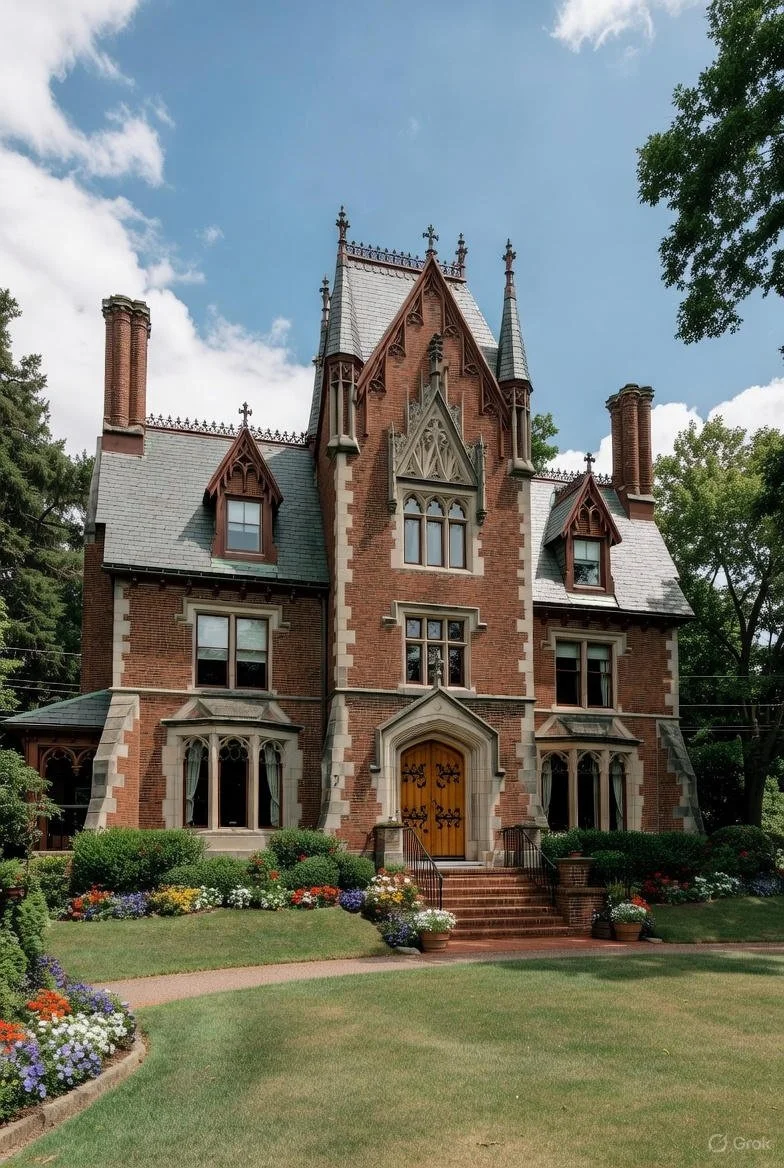
The Pros and Cons of Owning a Brick Home
Brick homes have long been valued for their durability and timeless appeal, rooted in historical building practices that emphasize longevity and resilience. However, owning such a structure involves weighing benefits like energy efficiency against challenges such as moisture management and structural limitations. This overview explores these aspects in detail, including maintenance considerations and historical brick treatments like German Smear, to provide a comprehensive understanding for homeowners interested in architectural conservation.
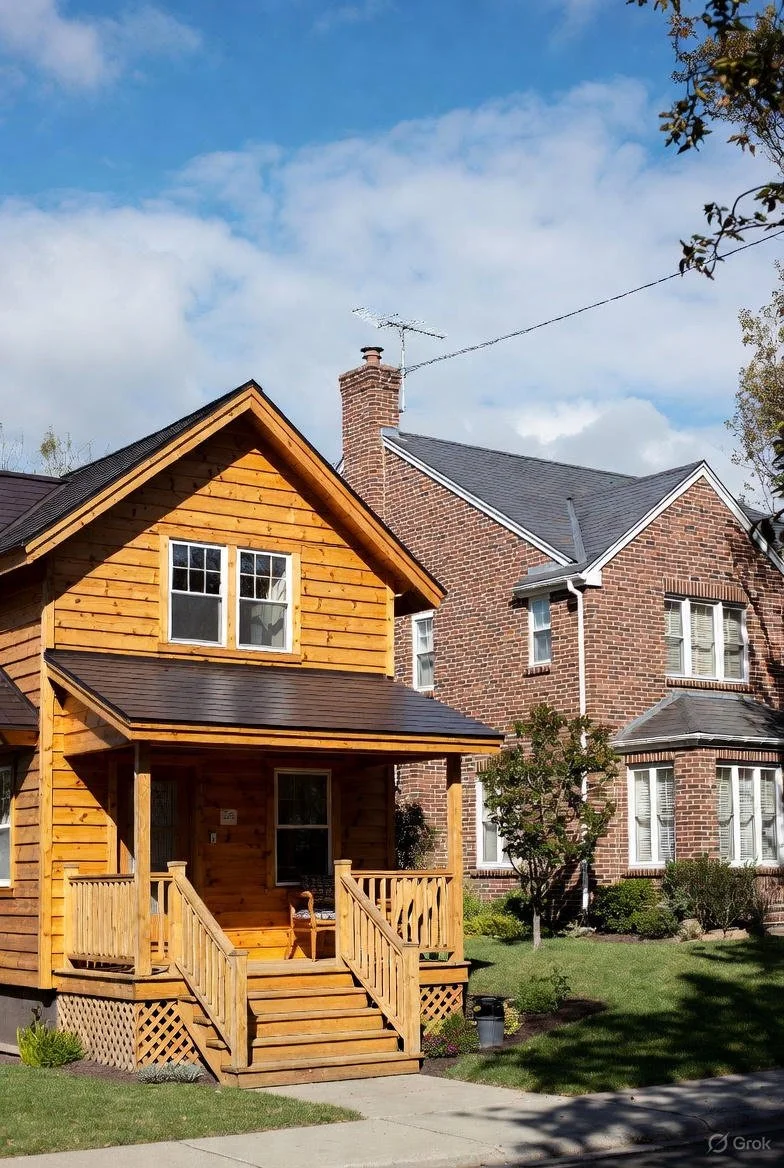
Prevalence of Brick Homes in the Southern United States
Brick homes are a common architectural feature in the southern United States, reflecting historical building practices, material availability, and environmental adaptations. This prevalence stems from practical considerations rather than aesthetic trends alone, offering insights into regional construction traditions.
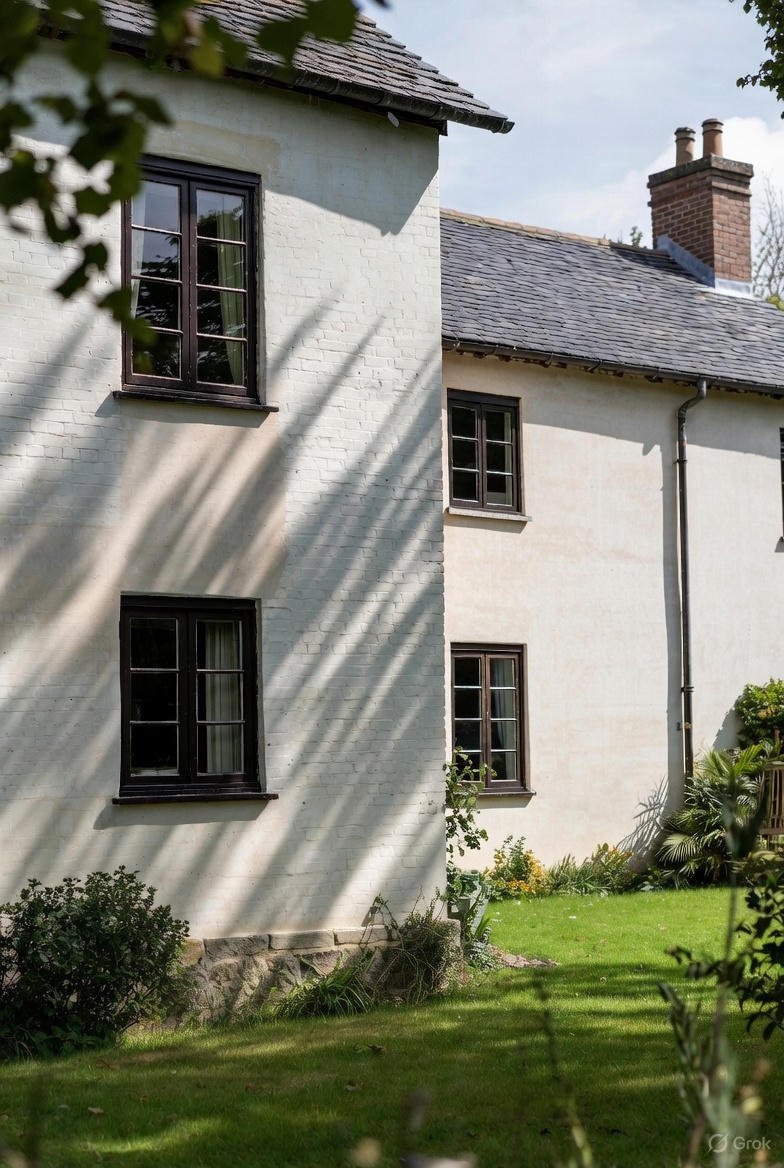
Why Is My Brick House So Hot?
Many homeowners with brick houses notice excessive indoor heat during warmer months, often due to the material's inherent properties. Brick's color and thermal mass play significant roles in absorbing and retaining solar energy, leading to higher temperatures inside. Understanding these factors, along with potential solutions like insulation and exterior coatings, can provide insights into managing heat in traditional brick structures.
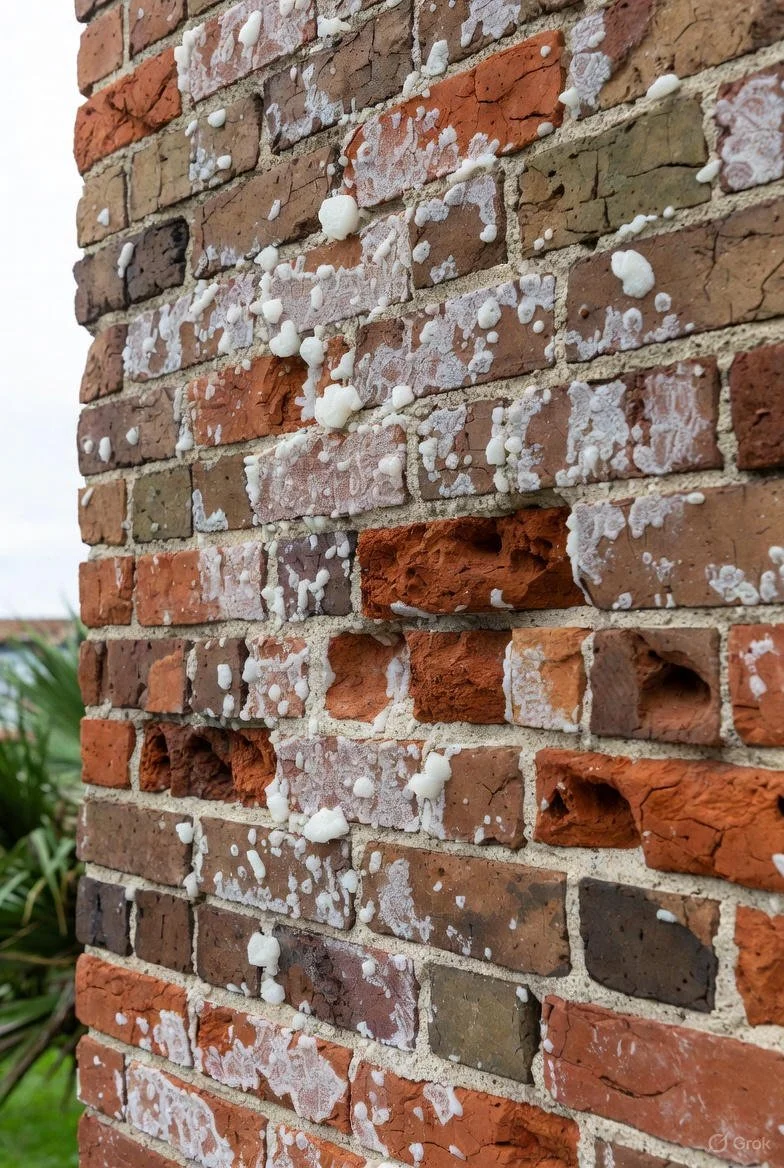
Why Does My Brick Have White Spots on It?
White spots on brick surfaces often indicate efflorescence, a common phenomenon in masonry where soluble salts crystallize on the exterior. This deposit forms through moisture migration and can signal underlying water issues that affect both the brick's integrity and any applied finishes. Understanding efflorescence is essential for preserving historical and modern brick structures, as it ties into fundamental building science principles like vapor permeability and material durability.
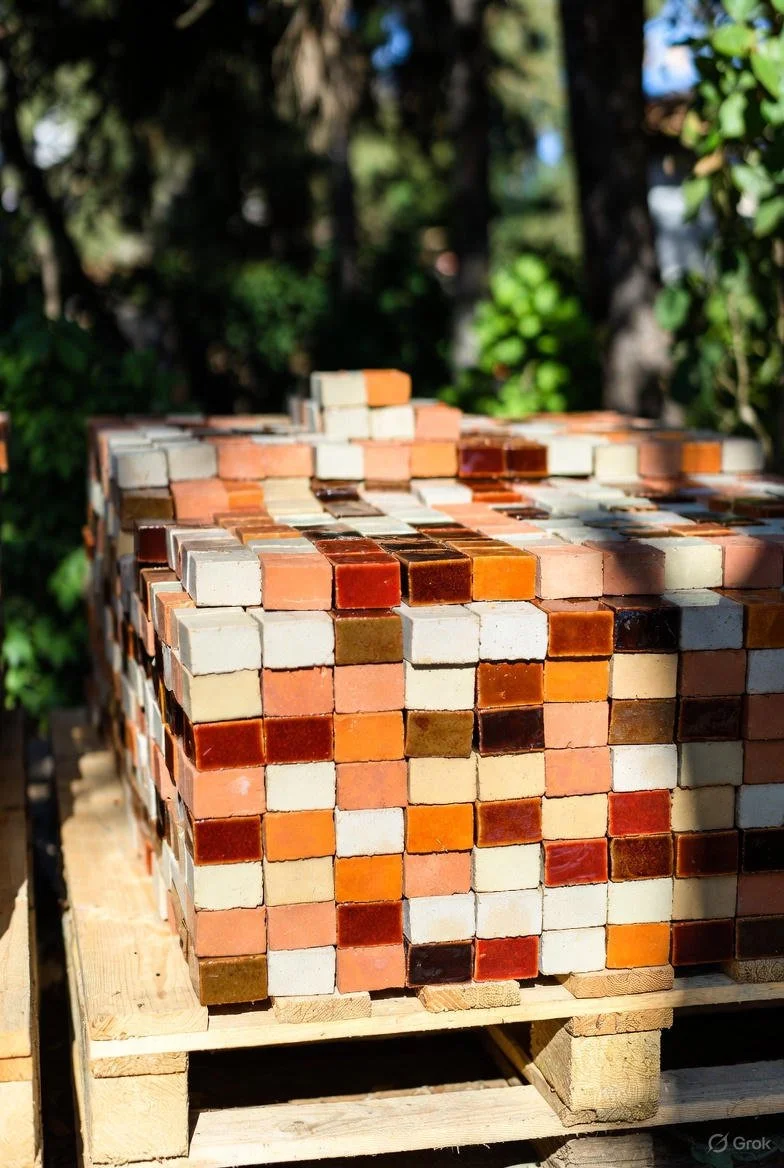
Glazed Bricks: Origins of the Glossy Appearance in Brick Construction
Certain bricks exhibit a glossy or shiny surface due to the application of a ceramic glaze or through vitrification during high-temperature firing. This glossy finish, most commonly seen in glazed bricks, serves primarily to create an impervious barrier against moisture, staining, and environmental damage. While offering enhanced durability and ease of maintenance, glazed bricks present challenges such as reduced vapor permeability and incompatibility with traditional surface treatments like German Smear or mortar wash.
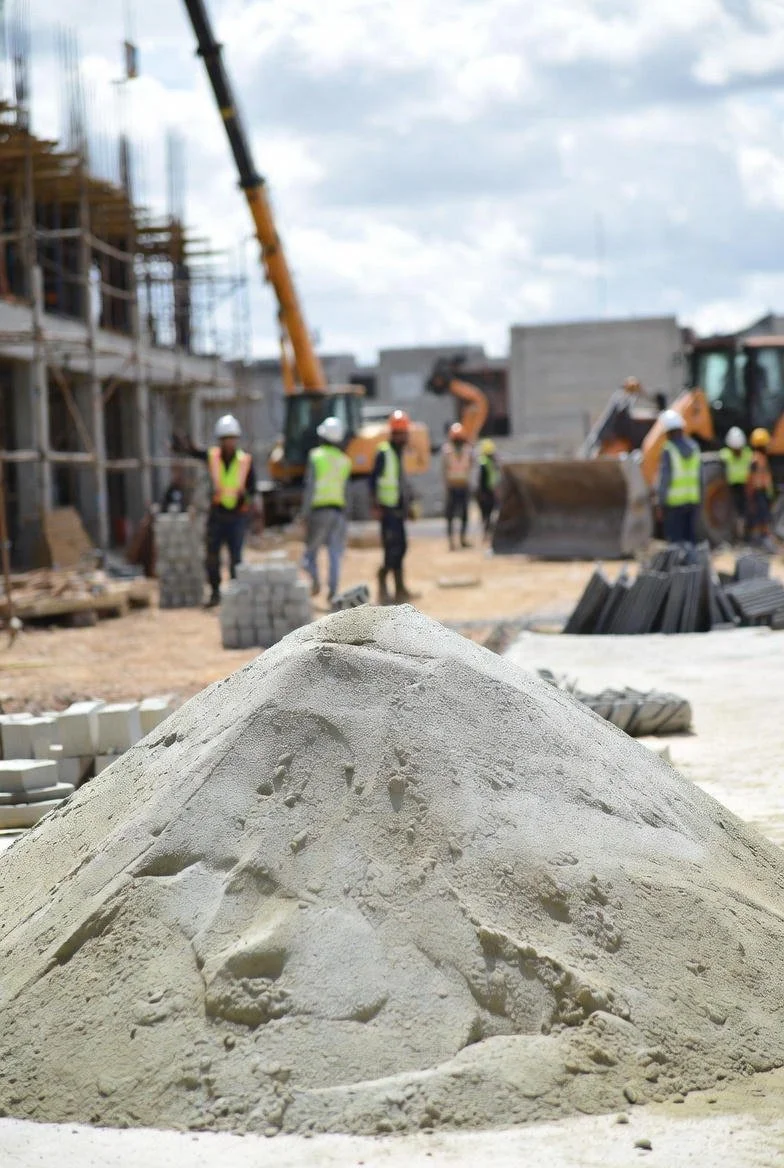
Types of Sand in Mortar and Their Influence on Cured Texture in German Smear Finishes
Sand serves as the primary aggregate in masonry mortars, influencing workability, strength, and the final surface texture after curing. Different sand types—characterized by grain size, shape, and grading—affect how mortar adheres, spreads, and dries. In German Smear, a mortar wash technique rooted in European traditions, the choice of sand directly impacts the rustic, textured appearance of the finish on brick surfaces.