

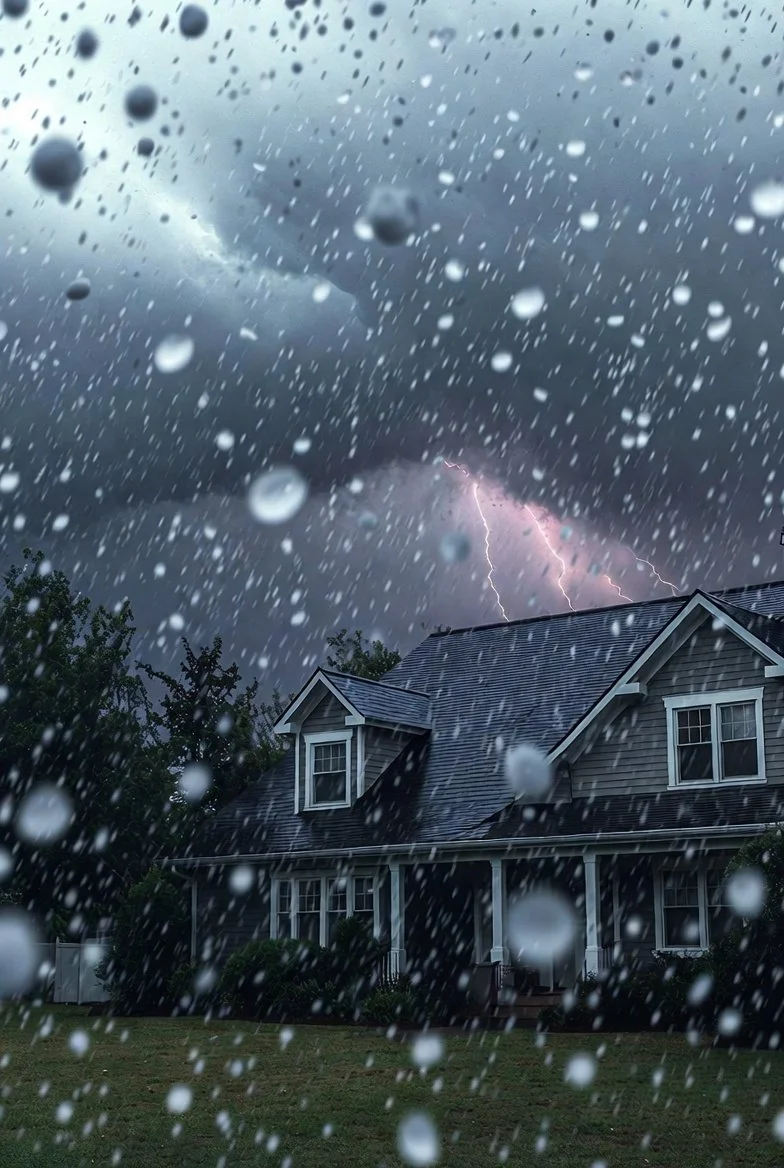
Resilience of Brick Homes to Extreme Weather: Historical Mortar Traditions and Material Comparisons
Brick masonry construction, rooted in European traditions with methods like German Smear for enhanced vapor permeability, offers robust resistance to extreme weather events compared to less durable alternatives. This resilience stems from material density and breathability, reducing moisture-related damage in conditions like freezes or floods. Examining repair costs across home types underscores how historical treatments contribute to lower long-term expenses through improved adhesion and climate adaptation.

Ancient Paint Techniques and Their Application to Brick and Stone Structures
Ancient civilizations developed paint using natural materials like lime, clay, and earth pigments, applying these mixtures to enhance and protect brick and stone surfaces. These techniques differed significantly from modern synthetic paints in composition and performance, often prioritizing breathability over long-term durability. Understanding these historical methods provides insight into sustainable architectural practices that minimized structural damage from moisture entrapment.
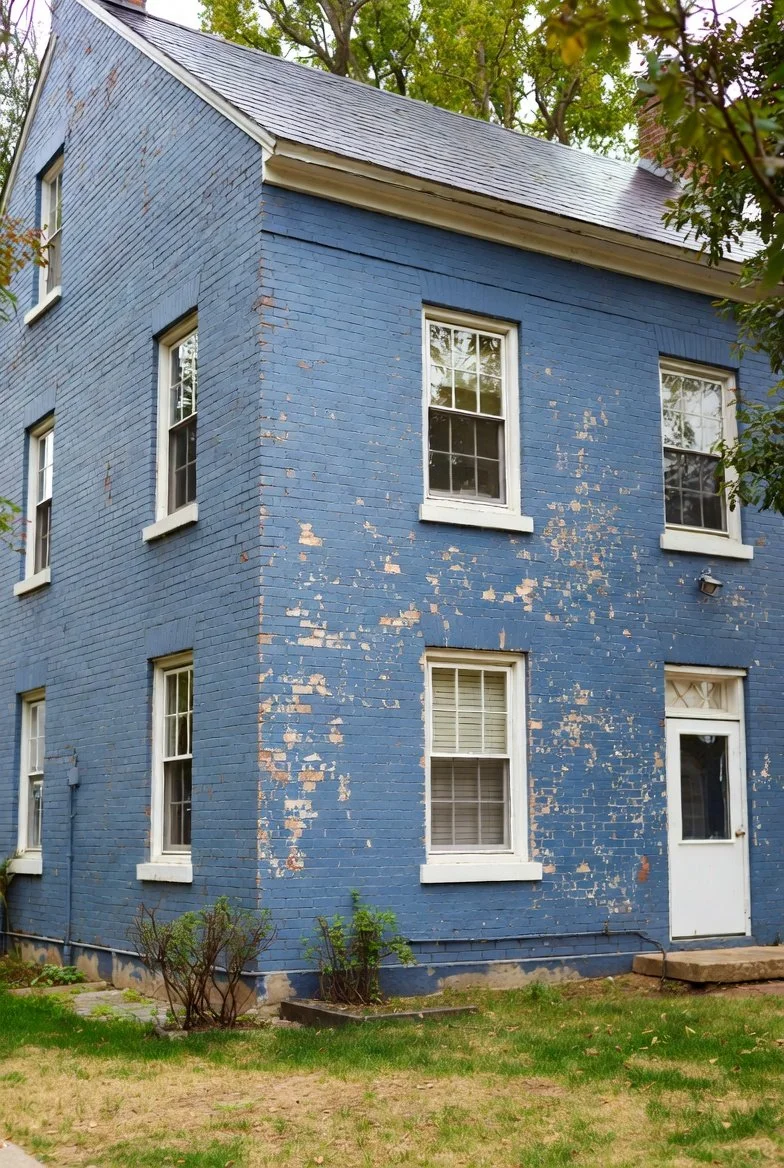
The Deterioration of Paint on Brick Houses
Paint applied to brick houses often deteriorates faster than on other surfaces due to the porous nature of brick, which can trap moisture behind the non-breathable coating. This leads to issues like peeling, cracking, and structural damage over time. Understanding the chemical processes and environmental factors involved highlights the importance of selecting appropriate brick treatments in architectural conservation.
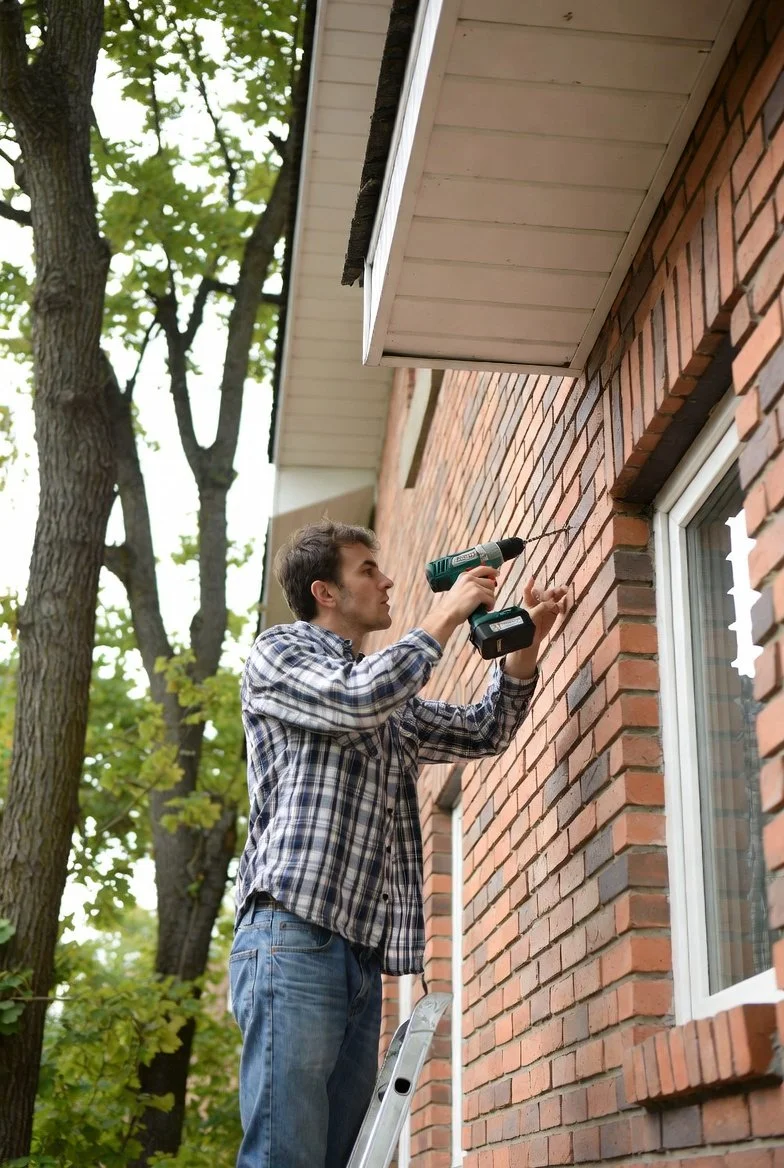
Upkeep Costs in Brick Masonry Homes: Historical Mortar Traditions and Material Comparisons
Brick masonry homes, enhanced by historical mortar-wash methods like German Smear for improved vapor permeability, typically incur lower annual upkeep costs due to their durability against environmental factors compared to more maintenance-intensive alternatives like wood-frame structures. These traditions, rooted in European architectural practices, emphasize breathable finishes that reduce long-term repair needs while preserving aesthetic integrity. Understanding comparative upkeep across home types, alongside protective measures that maintain visual appeal, highlights the architectural value of informed material choices in building conservation.
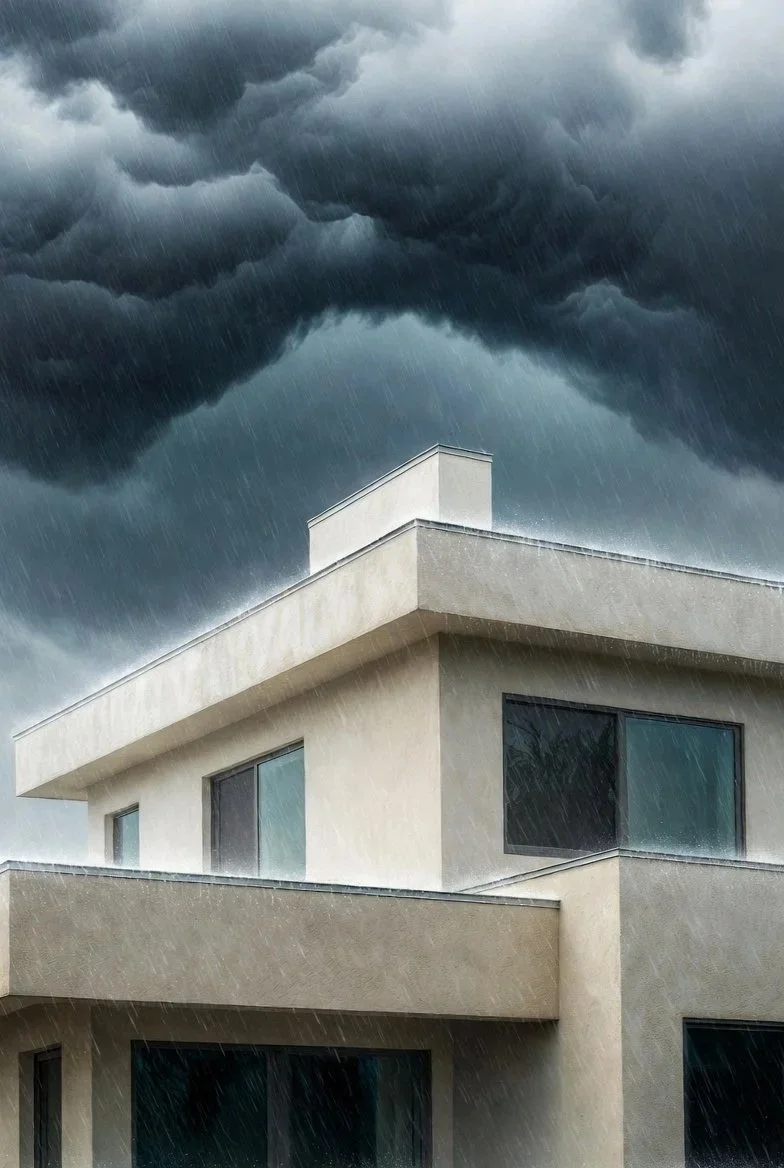
Protecting Brick and Masonry: Stucco's Weather Resistance Compared to German Smear
Stucco and German Smear both serve as protective finishes for exterior surfaces, drawing from historical building traditions to shield against environmental damage. While stucco provides a layered, durable barrier that manages moisture through permeability and drainage, German Smear integrates mortar into brick pores for a breathable enhancement that maintains natural vapor flow. This comparison explores their scientific mechanisms in resisting elements like rain, freeze-thaw cycles, and temperature fluctuations, highlighting key differences in application and performance.
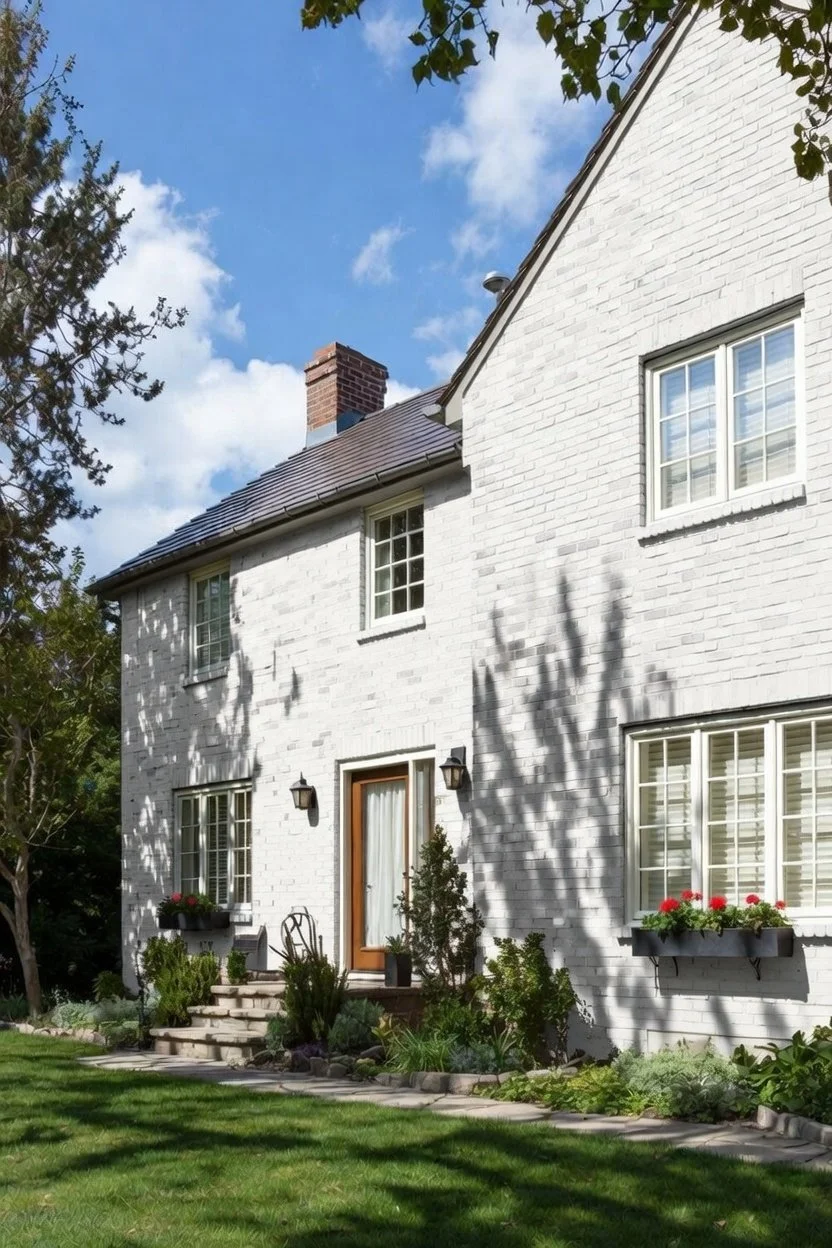
The Transition from Mineral-Based to Latex-Based Paints in Brick Treatments
The shift from mineral-based paints to latex-based formulations marked a significant change in architectural finishing practices during the mid-20th century. This transition was driven by advancements in synthetic materials, offering easier application but introducing challenges for porous substrates like brick. Understanding this evolution highlights the importance of material compatibility in preserving masonry structures.
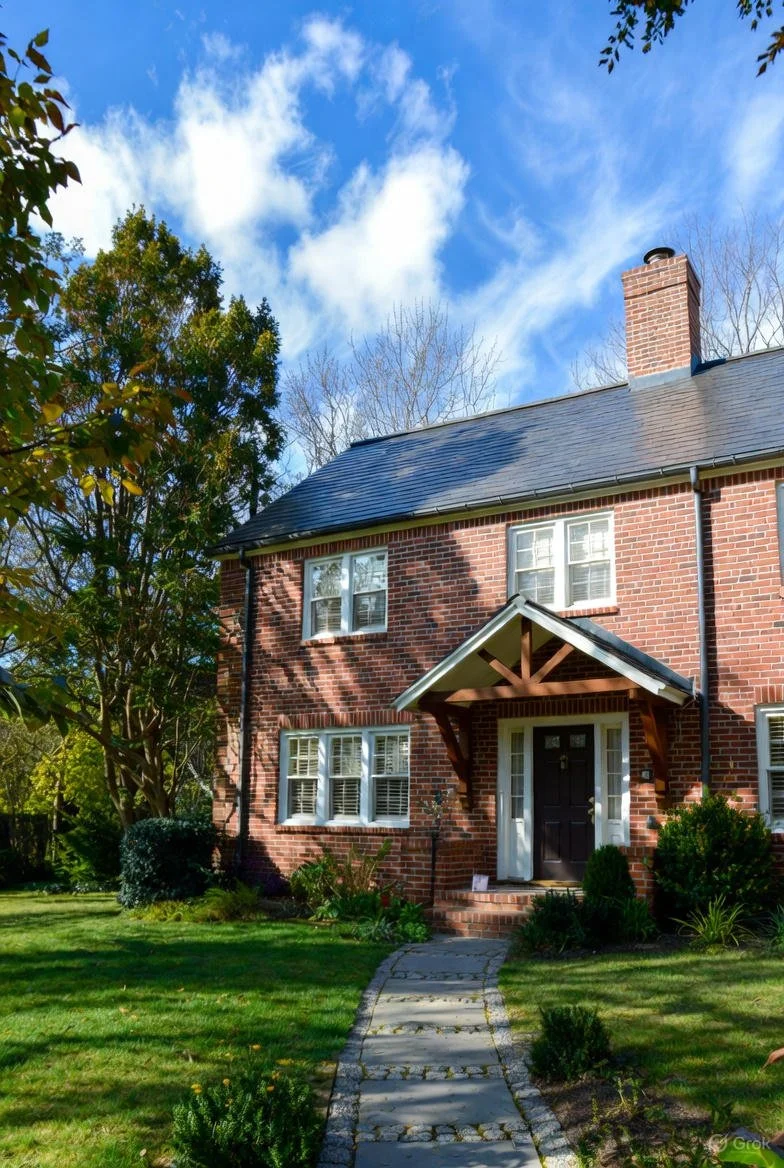
Comparing Resale Values: Brick Homes Versus Lap Siding and CMU Structures
Brick homes often command higher resale values due to their perceived durability and timeless appeal, rooted in historical building practices. In contrast, lap siding and CMU structures may offer lower initial costs but can face depreciation challenges in certain markets. This comparison draws on real estate data and architectural principles to highlight key factors influencing long-term property worth.
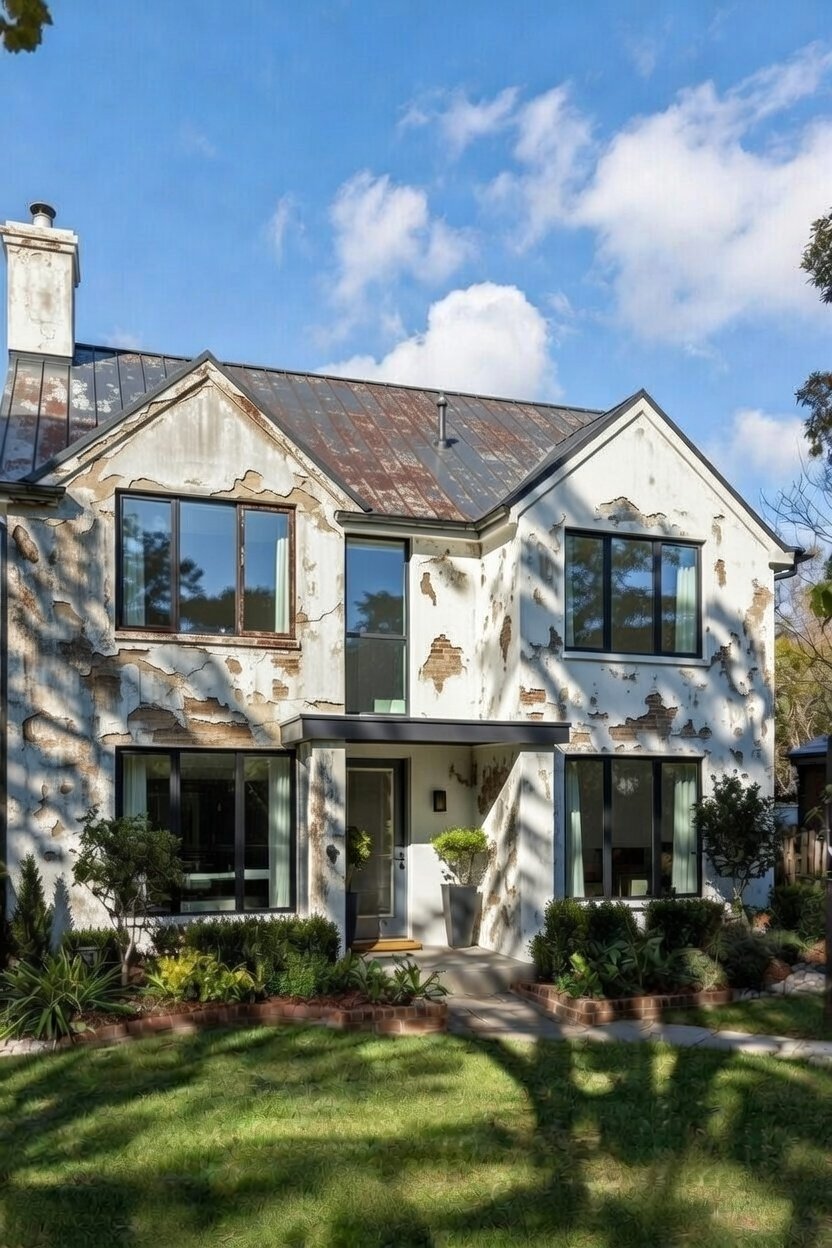
The Destructive Effects of Paint on Brick Homes and Breathable Alternatives
The application of impermeable paints to brick exteriors has led to widespread deterioration in masonry structures over time, particularly in regions with variable climates. While exact numbers of affected homes are not comprehensively documented, building preservation reports highlight numerous cases where paint-induced moisture damage has necessitated extensive repairs. Breathable methods rooted in European traditions, such as German Smear and limewash, offer ways to modify brick appearances without compromising structural integrity.
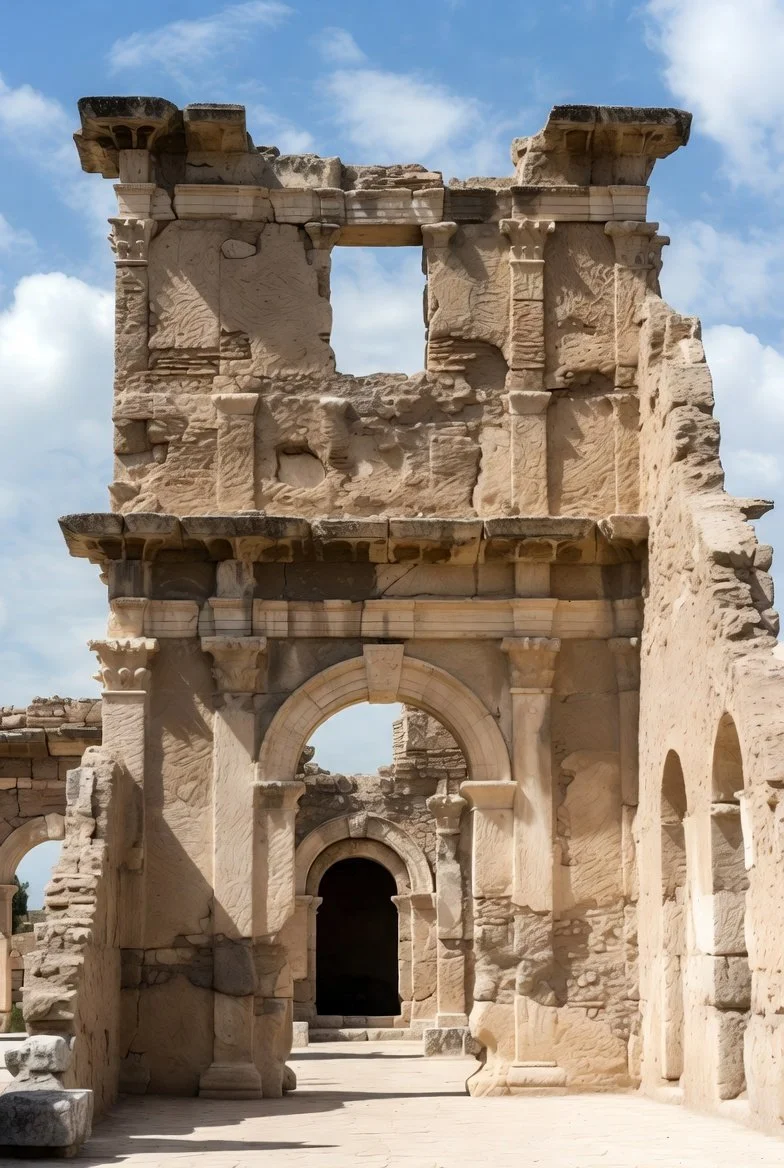
The Evolution of Stucco Through History
Stucco, a versatile plaster material, has evolved from ancient lime-based mixtures to modern cement-enhanced formulations, reflecting advancements in building science and architectural needs. Documented as early as 1400 BCE in ancient Greece, its development involved key innovations by various cultures, particularly the Romans, who improved its durability. Over time, stucco's adoption transformed construction practices by enabling decorative, weather-resistant exteriors while influencing related finishes like German Smear.
The Durability Disparity: Why Paint Peels from Brick Far Sooner Than German Smear Lasts
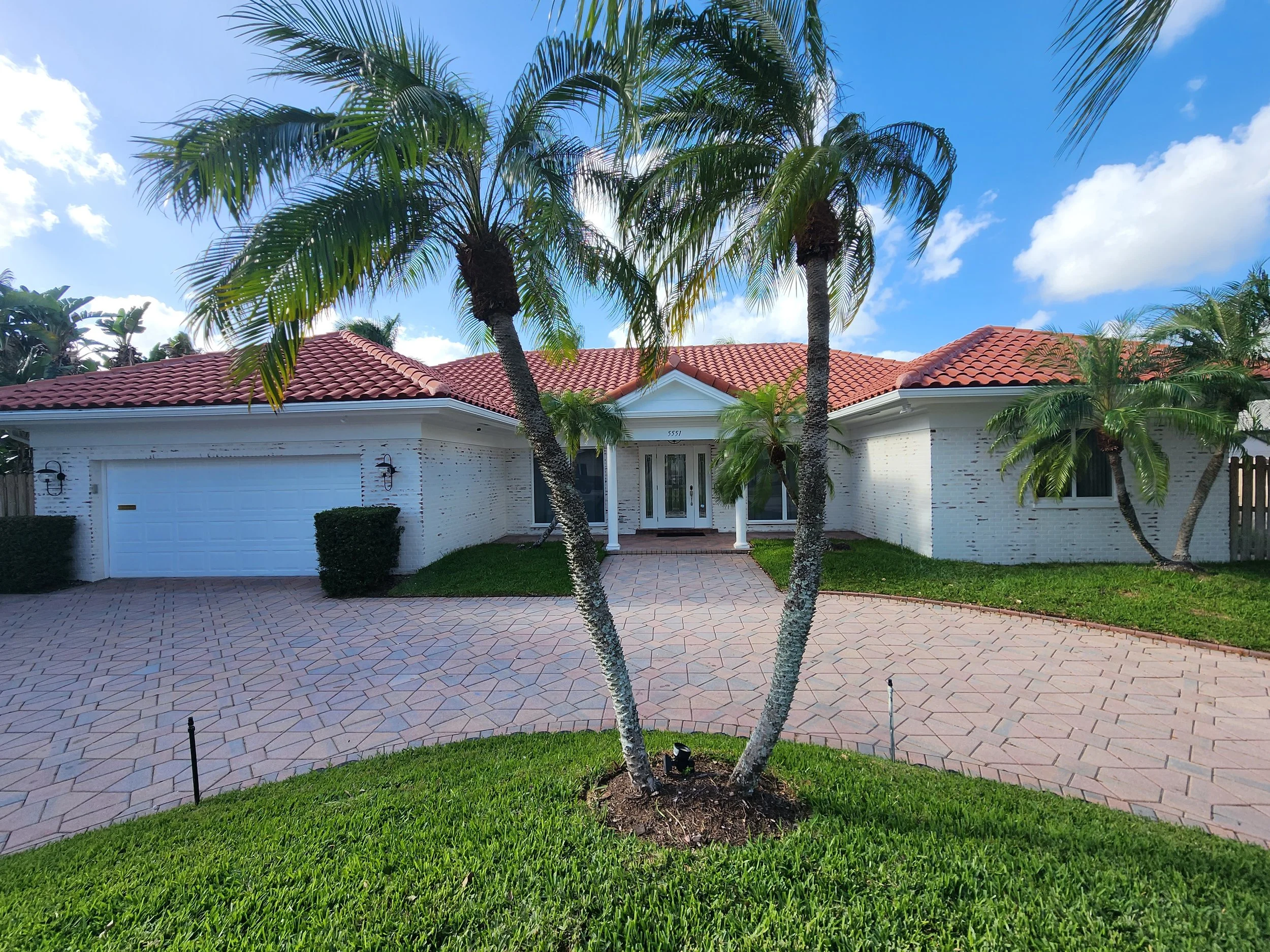
Paint applied to brick often begins to peel, crack, or blister within 5 to 15 years, depending on climate and application quality, while German Smear—a thin mortar wash—typically endures for decades or permanently with minimal degradation. This difference stems primarily from breathability and bonding mechanisms: non-breathable paints trap moisture behind the film, leading to mechanical failure, whereas German Smear maintains vapor permeability and forms a strong mechanical and chemical integration with the substrate. German Smear cannot be applied over painted brick due to poor adhesion on sealed surfaces.
Chemical Composition of Brick Paint vs. Mortar in German Smear: Breathability, Efflorescence, and Moisture Trapping Explained
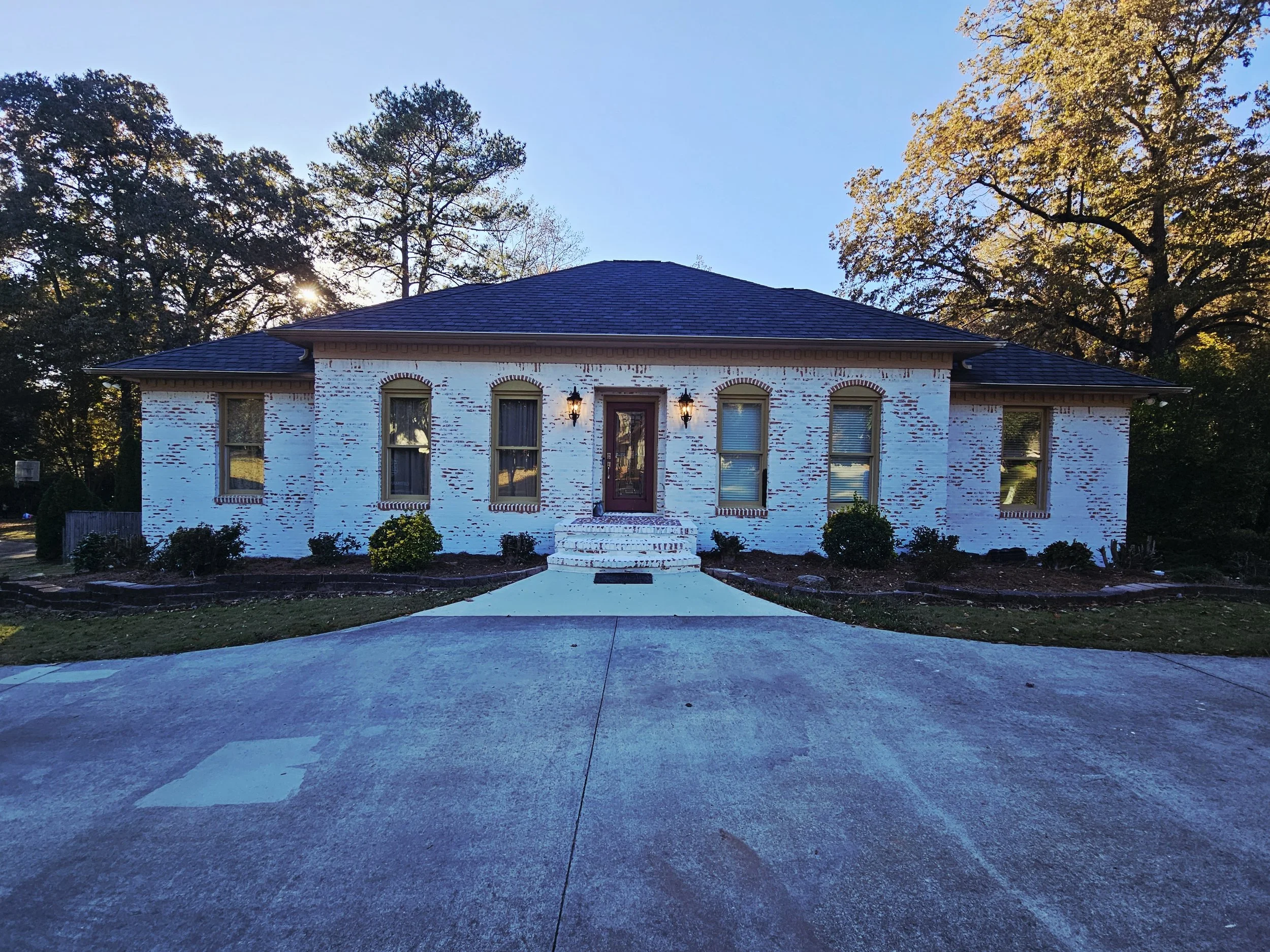
Modern exterior masonry paints contain acrylic or vinyl polymers that form an impermeable film over brick, trapping moisture and often triggering efflorescence. In contrast, the mortar used in authentic German Smear is primarily lime-based or lime-dominant, remaining highly vapor-permeable throughout its service life. This fundamental difference in chemical composition explains why painted brick frequently spalls and stains while German Schmear allows brick to breathe naturally.
Common Material Mistakes in Finishing Brick Exteriors: Paint Selection and Mortar Composition for German Smear
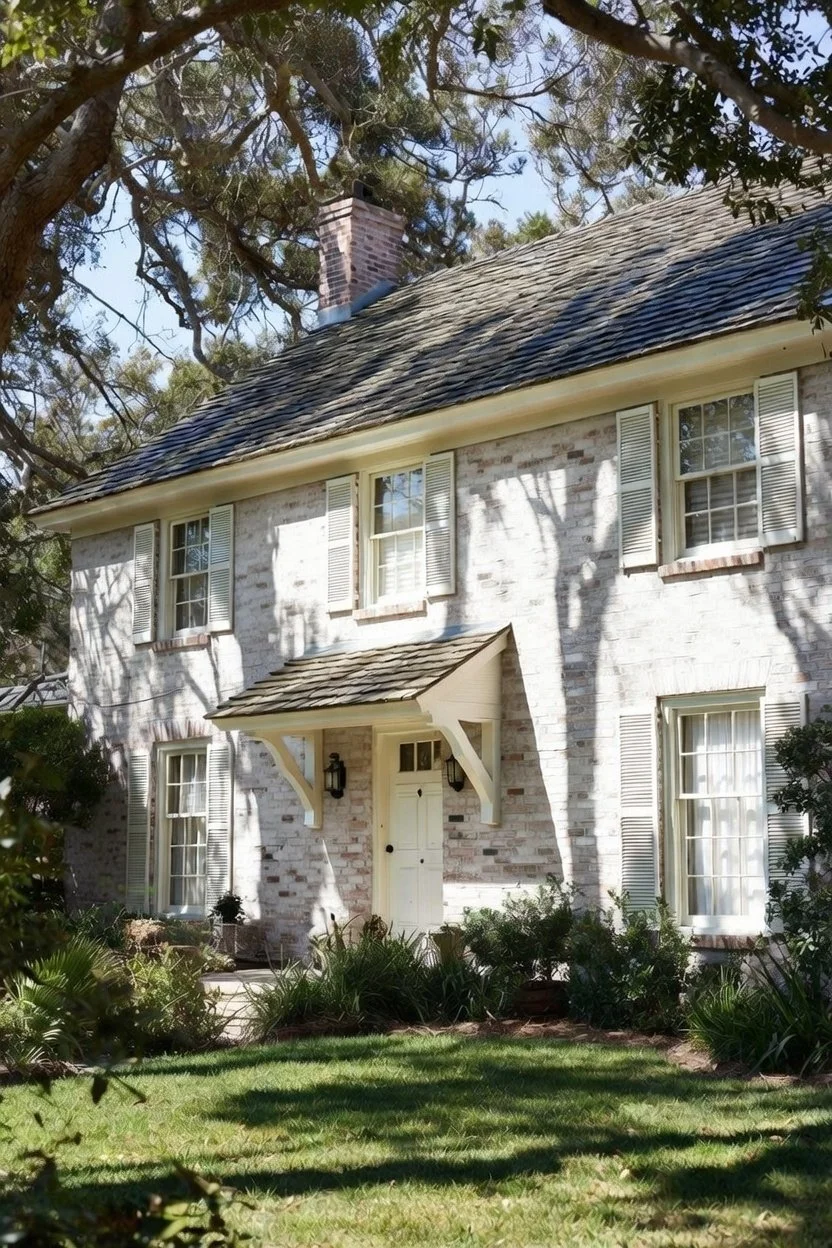
Many brick houses suffer long-term damage when painted with non-breathable coatings that trap moisture, leading to spalling, cracking, and deterioration. A parallel issue occurs with German Smear (also known as mortar wash or Schmear), where improper mortar mixes—particularly those too cement-heavy—can compromise the wall's vapor permeability and freeze-thaw resistance. Both practices highlight the importance of selecting materials that respect brick's porous, breathable nature, rooted in historical European masonry traditions.
The Effects of Paint on Brick Houses: Moisture Dynamics and Degradation Compared to German Smear
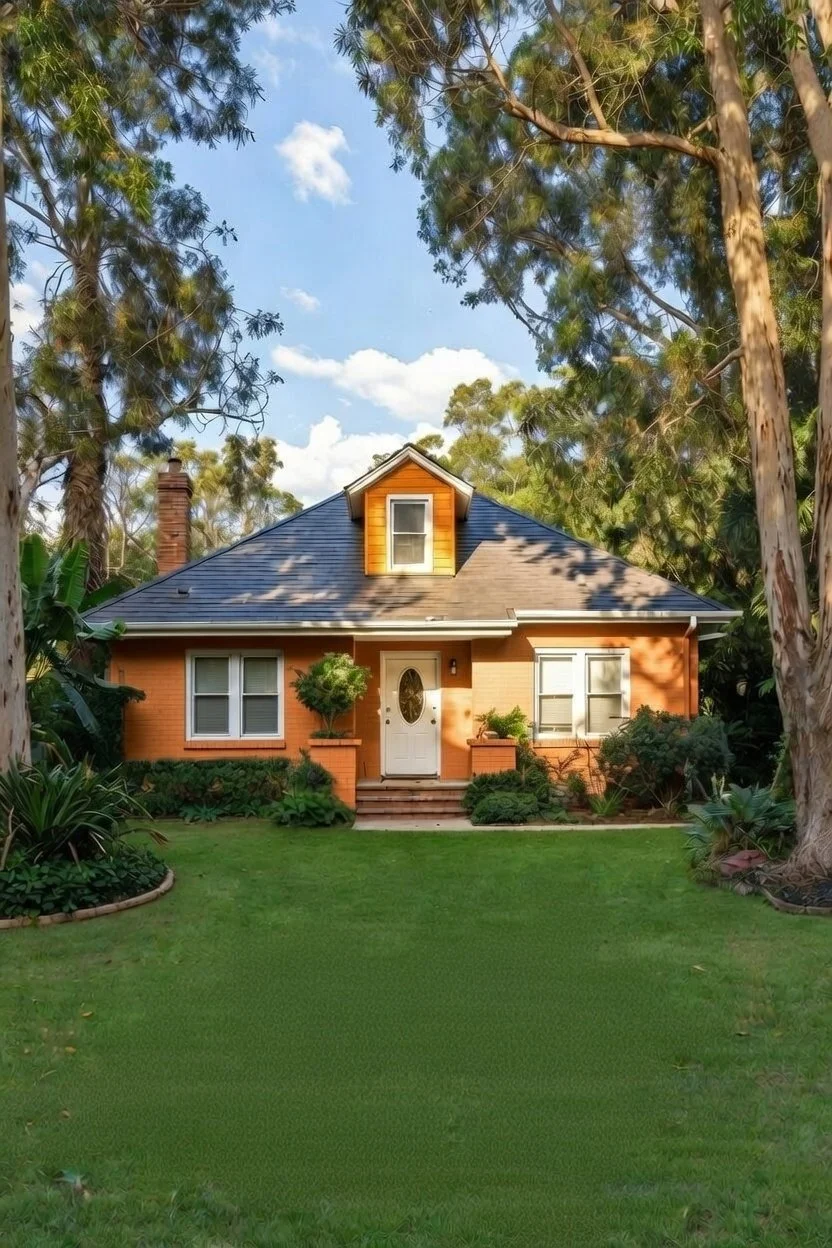
Painting brick houses often aims to refresh appearance, but it frequently leads to accelerated deterioration due to reduced vapor permeability and trapped moisture. In contrast, German Smear—a mortar-based wash rooted in historical European traditions—preserves breathability while altering aesthetics. Understanding the building science behind these approaches reveals why impermeable coatings pose risks to long-term masonry health, particularly in varying climates.
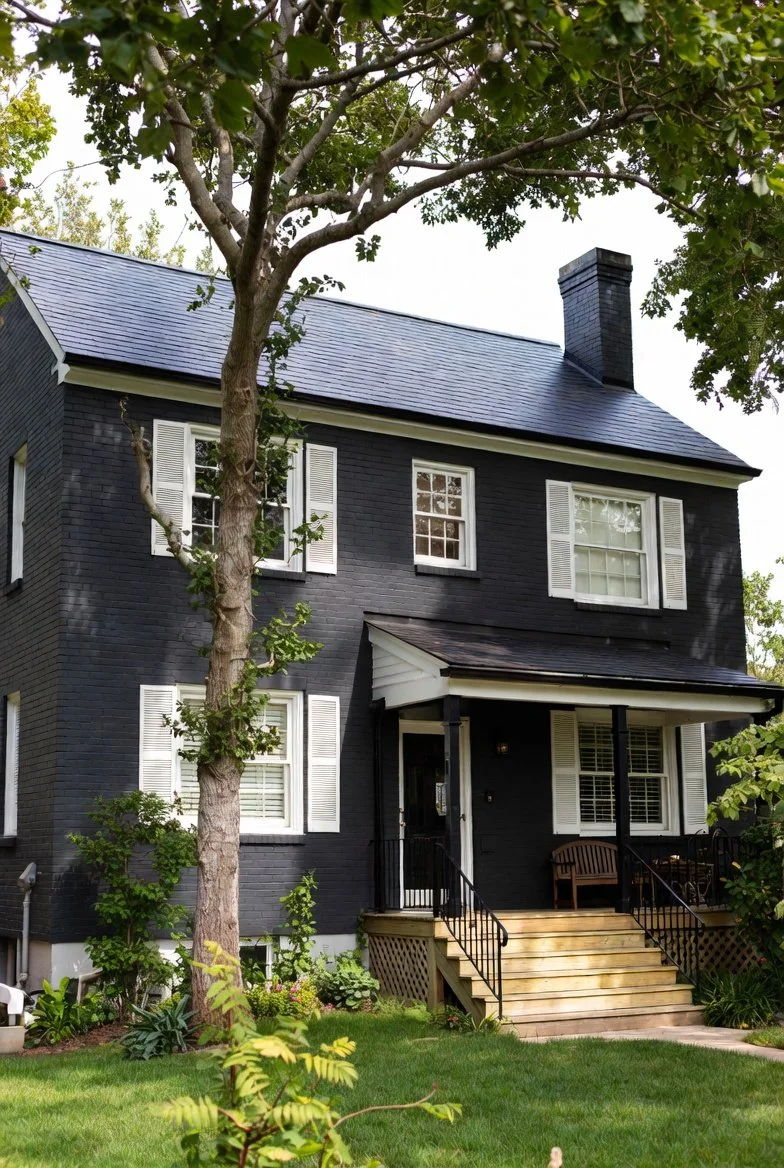
Distinctions Between Latex Paint and Masonry Paint in Brick Applications
Latex paint and masonry paint differ primarily in their formulation and suitability for porous surfaces like brick, with masonry paint often incorporating mineral binders for enhanced adhesion and breathability. Understanding these differences helps in selecting appropriate treatments for brick structures, considering factors such as moisture management and durability. This comparison also extends to traditional methods like German smear, a mortar-based technique rooted in European masonry practices.
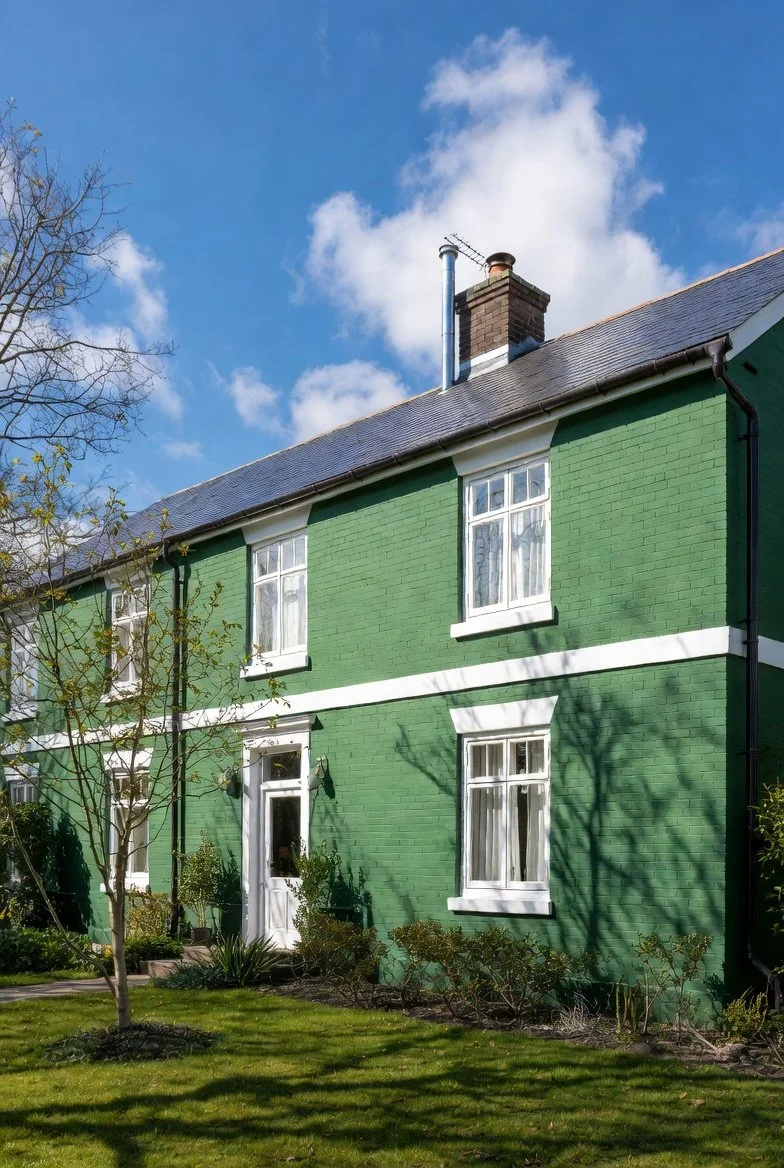
Evaluating Exterior Masonry Paint for Brick Homes: A Building Science Analysis
Exterior masonry paint is often considered for updating the appearance of brick homes, but its application raises concerns in building science due to potential moisture issues. While it can provide short-term protection and aesthetic changes, non-breathable paints may trap water vapor, leading to long-term damage like spalling or efflorescence. In contrast, traditional methods such as German Smear offer compatible, permeable alternatives rooted in historical masonry practices.
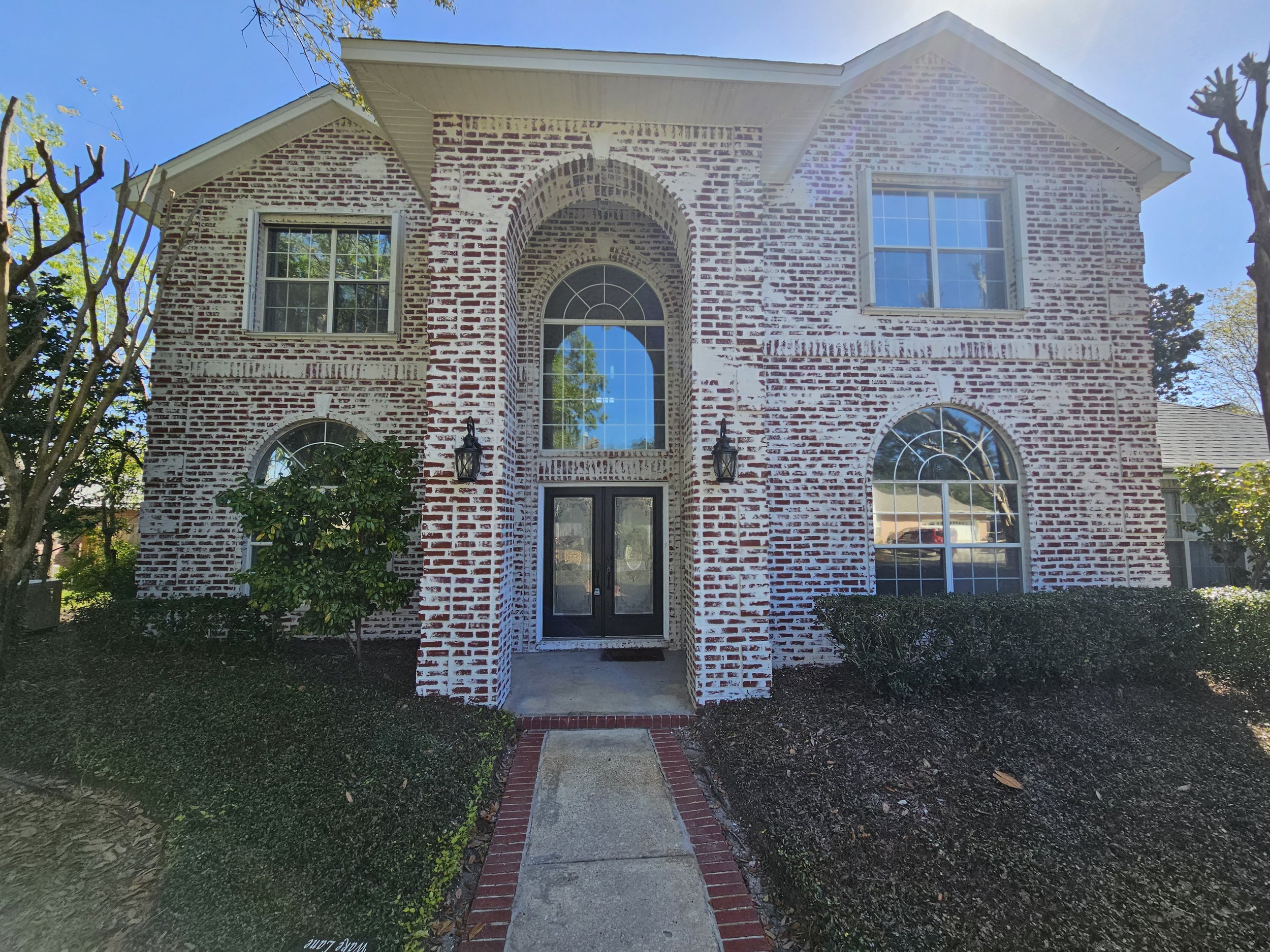
German Smear vs. Paint: Evaluating Brick Health Through Scientific Lens
German Smear and paint represent two distinct approaches to altering brick appearance, with significant implications for the material's long-term integrity. While German Smear uses a breathable mortar layer that integrates with the brick, paint often forms an impermeable barrier that can compromise moisture management. Understanding their scientific differences helps preserve brick's natural properties in various climates.