

Aesthetic and Architectural Impacts of German Smear on Brick Exteriors
Excerpt
German smear, a historical mortar wash technique rooted in European building traditions, transforms brick surfaces by adding texture and a weathered appearance. This method enhances visual appeal by softening uniform brick lines and creating depth, potentially influencing buyer perceptions of curb appeal. Proper application is essential to achieve an intentional, artisanal look that holds up under close inspection.
Introduction
German smear, also known as German schmear or mortar wash, refers to the application of a thin layer of wet mortar over brick or stone, with portions selectively removed to reveal underlying material. Documented in European architecture since at least the medieval period in northern Germany, it originally served protective functions against weather while evolving into an aesthetic treatment mimicking aged cottages and castles. This technique matters architecturally as it bridges historical preservation with modern design, allowing brick to retain character without full coverage, unlike painting or limewashing.
Historical Context and Terminology
German smear draws from centuries-old practices in Germany and England, where masons applied mortar to protect and finish masonry walls. Terms like "Kalkschlämme" relate to similar lime-based washes, but German smear specifically uses cement-based mortar for a textured, permanent effect.
Distinctions from related methods:
Limewash: A breathable paint made from slaked lime, applied in thin layers that patina over time.
Whitewash: Diluted paint or lime mixture, less durable and more uniform.
Painted brick: Fully opaque coverage with latex or masonry paint, sealing the surface completely.
Mortar composition in German smear typically includes Portland cement, lime, sand, and water, providing adhesion and durability.
Aesthetic Differences and Curb Appeal
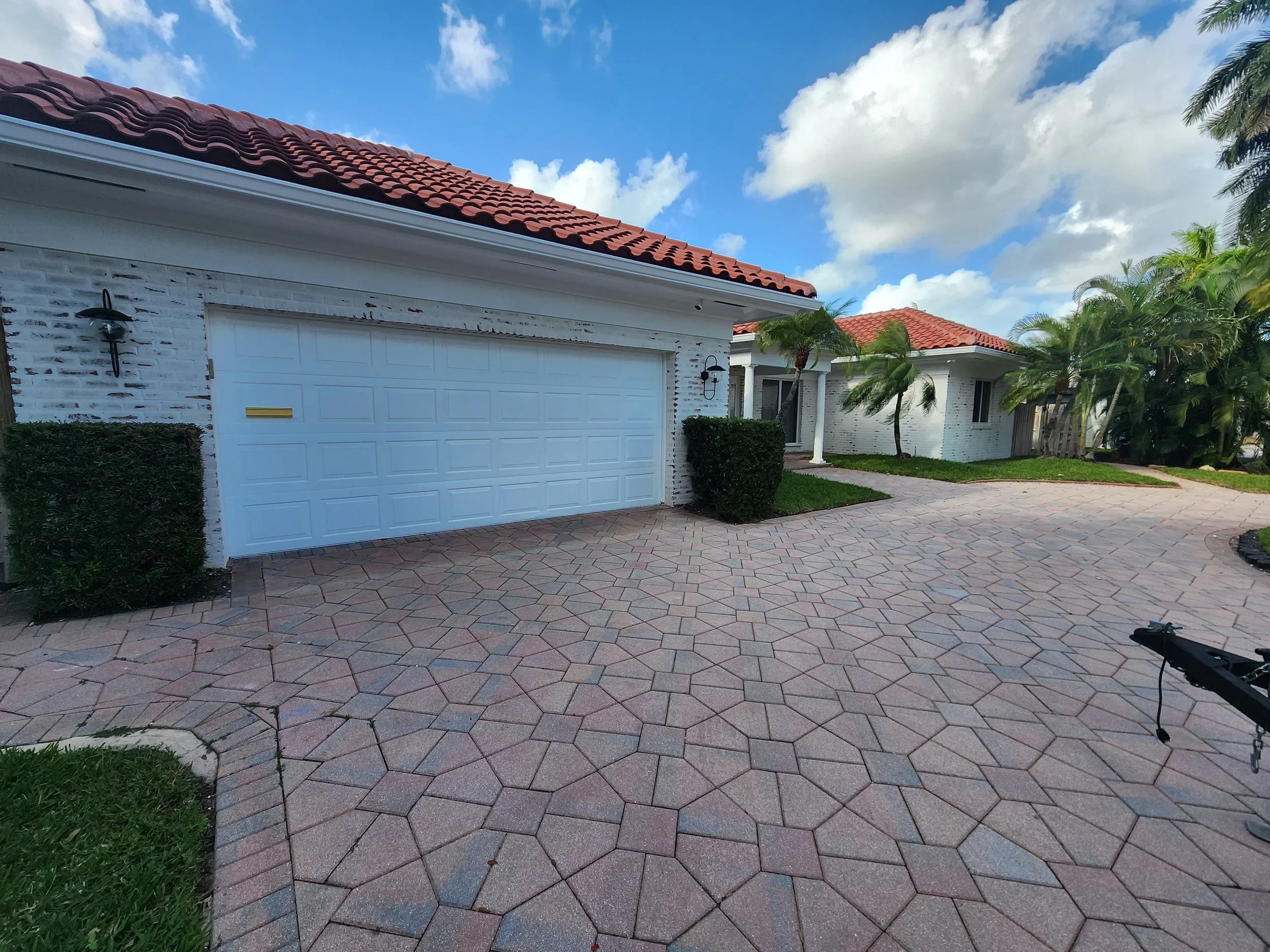
German smear alters brick exteriors by introducing irregularity and depth, softening the rigid grid of standard brickwork. It creates a rustic, old-world appearance with heavy mortar joints and partial brick exposure, evoking historical European structures.
Key aesthetic changes include:
Added texture from uneven mortar application, creating shadow play and tactile interest.
Lightened tone, often using white or off-white mortar over red brick for contrast.
Blurred lines between bricks, reducing uniformity and adding organic variation.
These changes can enhance curb appeal by making a home appear warmer and more characterful, drawing attention through visual distinction in neighborhoods with plain brick facades. The distressed look attracts interest from buyers seeking timeless or farmhouse-style properties.
Importance of Proper Application Technique
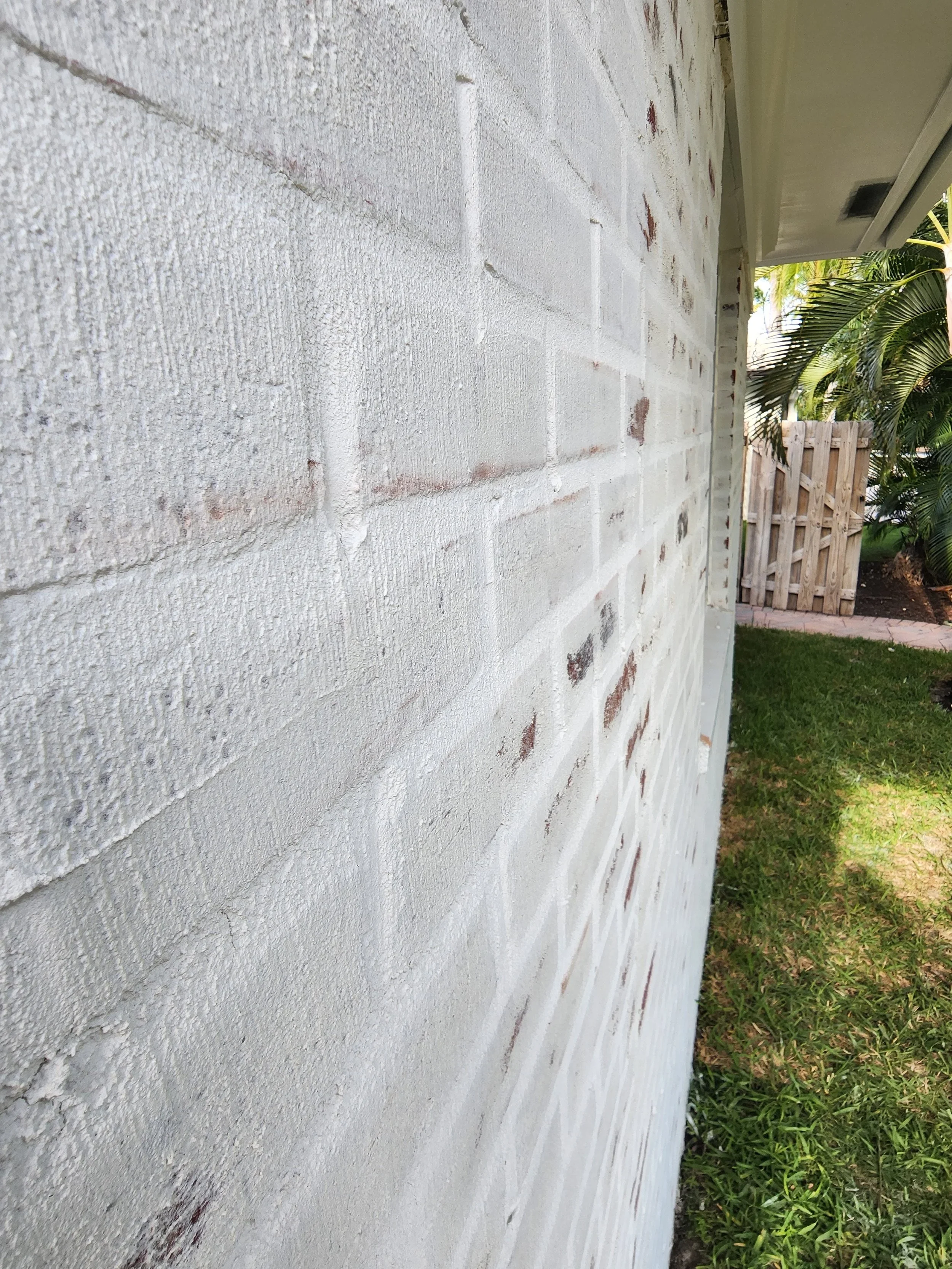
Many German smear applications appear attractive from afar but reveal flaws upon closer view, such as blotchy coverage or disordered texture. Correct technique ensures an intentional, handcrafted result that maintains appeal up close.
Building science principles emphasize:
Consistent mortar mix and working time to avoid uneven drying.
Controlled removal of excess mortar for balanced exposure.
Adhesion reliant on clean, porous brick surfaces.
Improper methods can lead to rough, chaotic appearances due to rushed wiping or inconsistent thickness.
Characteristics of well-executed German smear:
Even distribution with deliberate variation for natural depth.
Smooth transitions between mortar and exposed brick.
Durable bond resisting cracking in varying climates.
Common issues with poor execution:
Splotchy or overly heavy coverage appearing messy.
Trapped moisture if applied too thickly, affecting freeze-thaw behavior.
Disorderly texture lacking artisanal intent.
Vapor permeability remains moderate with thin applications, allowing brick to breathe better than paint but requiring care in wet climates.
Considerations for Material Behavior and Climate
Mortar in German smear adheres strongly to masonry, offering permanence but potential risks if misapplied. In cold climates, proper thickness prevents freeze-thaw damage by maintaining some breathability. Historical use in northern Europe demonstrates suitability for varied weather when executed with compatible materials.
Conclusion
German smear provides a historically grounded method to enhance brick aesthetics through texture, tone variation, and rustic charm, distinguishing it from uniform treatments like painting. Its visual impact stems from intentional irregularity that adds depth and appeal. Accurate technique is critical for achieving a refined appearance at any viewing distance, preserving both architectural integrity and material performance rooted in European traditions.
Looking to DIY?
Checkout SmearTech’s Signature White™ Mortar and German Smear Tools.
