The Role of Particle Size in German Smear Mortar: Why Extremes Are Not Ideal
German Smear, also known as German Schmear or mortar wash, is a historical technique originating from European masonry traditions, particularly in Germany, where a thin layer of mortar is applied to brick surfaces and partially removed to create a textured, aged appearance. This method enhances the visual depth of brickwork while providing some protective qualities, such as improved weather resistance in moderate climates. Particle size in the mortar's sand component plays a critical role in the mix's behavior, affecting adhesion, permeability, and overall performance, rooted in building science principles that prioritize material compatibility with porous substrates like brick.
Understanding Mortar Composition in German Smear
German Smear typically employs a mortar mix consisting of cement, lime, water, and sand, with the sand serving as the aggregate that determines texture and structural properties. Historically, such mixes drew from lime-based mortars used in European construction as early as the medieval period, emphasizing natural materials for breathability and longevity. The sand's particle size distribution influences how the mortar interacts with the brick surface, including its ability to fill joints and create the desired smeared effect without compromising the substrate's vapor permeability.
Mortar in German Smear is applied thinly, often at a consistency similar to pancake batter, to allow partial wiping for aesthetic variation.
Sand particles provide bulk and texture, preventing the mix from becoming too fluid or brittle upon curing.
Building science highlights that well-graded sand—containing a range of particle sizes—promotes better packing, reducing voids and enhancing strength.
Challenges with Super Fine Particles
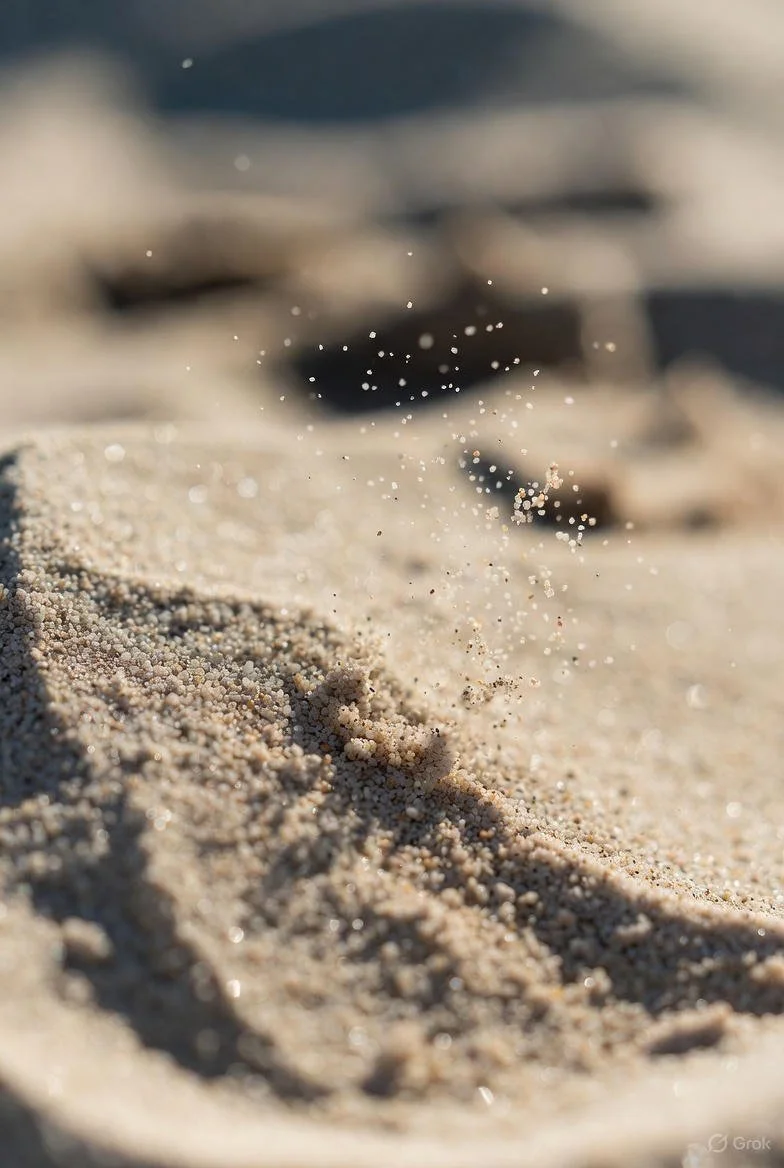
Super fine sand particles, typically ranging from 0.075 mm to 0.425 mm, resemble flour in texture and are commonly used in plastering for smooth finishes. However, in German Smear applications, they pose several drawbacks based on material behavior and historical practices. These particles increase the surface area of the aggregate, requiring more water in the mix, which can lead to higher shrinkage rates during drying and potential cracking.
Excessive shrinkage: Fine particles absorb more moisture, causing the mortar to contract significantly as it cures, which may result in hairline cracks that compromise durability in freeze-thaw cycles.
Reduced breathability: The dense matrix formed by fine grains can trap moisture within the brick, leading to efflorescence or spalling in humid climates, contrary to the vapor-permeable nature of traditional lime mortars.
Poor workability for texturing: The powdery consistency makes it difficult to achieve the characteristic uneven smear, often resulting in a flat, paint-like appearance rather than the rustic depth associated with German traditions.
Historical context: Early European mortar washes favored medium sands to maintain permeability, as documented in 19th-century building manuals, avoiding fines that could densify the mix excessively.
Issues with Large Grain Particles
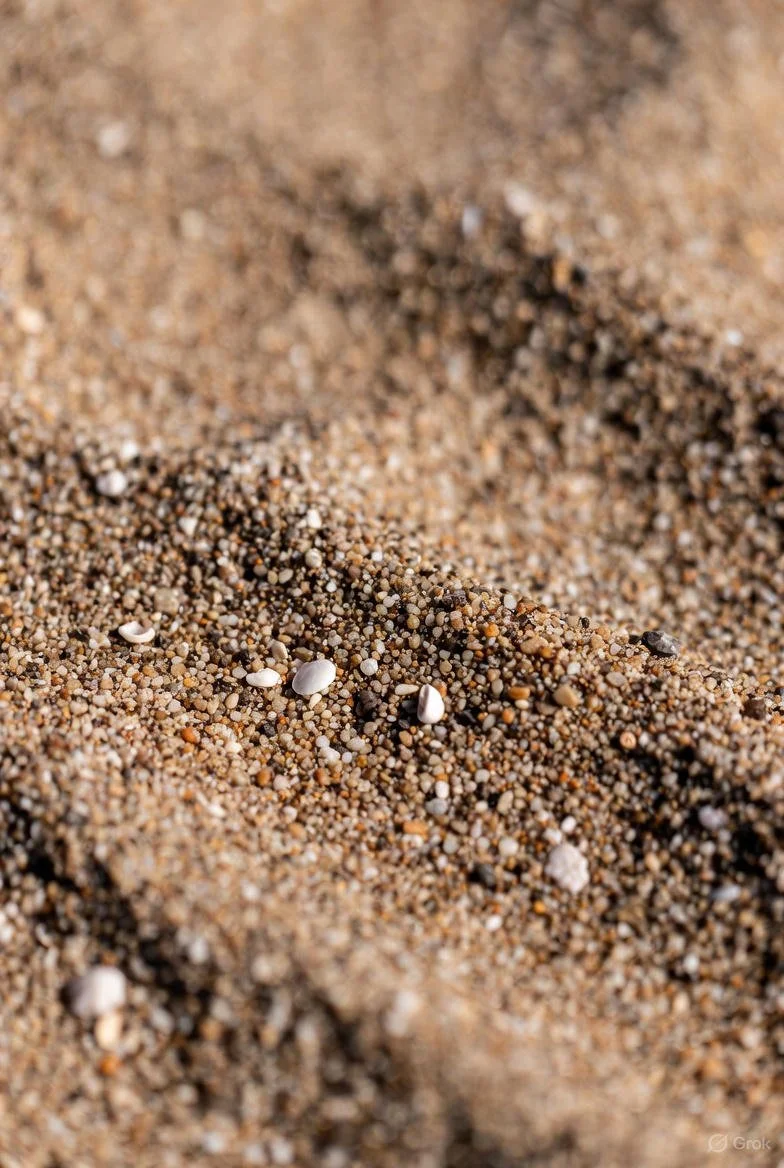
Large grain sand, often exceeding 2 mm up to 4.75 mm, is suited for structural applications like concrete where compaction is key. In German Smear, however, these coarser particles hinder the delicate application process, leading to inconsistent results. The larger size disrupts the mortar's cohesion, making it challenging to spread thinly and adhere properly to the brick's irregular surface.
Uneven adhesion: Coarse grains may not bond well to the brick pores, causing sections of the smear to flake off over time, especially under weathering.
Gritty texture: The prominent particles create a rough, abrasive finish that deviates from the subtle, aged look of traditional German Smear, potentially accelerating wear in exposed areas.
Compromised workability: Larger grains reduce the mix's flowability, making it harder to wipe partially for aesthetic control, and increasing the risk of voids that weaken the application.
Climate considerations: In regions with high wind or rain, coarse particles can exacerbate erosion, as historical European examples show preference for finer aggregates in decorative washes to ensure longevity.
Optimal Particle Size for Effective German Smear
For balanced performance, medium sand particles—generally between 0.425 mm and 2 mm, with an ideal around 0.6 mm—are recommended for German Smear mortar. This range, often found in standard masonry sands, provides the necessary texture without the extremes of fines or coarseness. Building science supports this through principles of gradation, where a mix of sizes ensures dense packing and optimal vapor transmission rates.
Enhanced durability: Medium grains promote better interlocking, reducing shrinkage and improving resistance to environmental stresses like temperature fluctuations.
Aesthetic consistency: Allows for controlled application and wiping, achieving the variegated appearance typical of historical mortar washes.
Breathability maintenance: Supports the porous nature of brick, preventing moisture buildup as seen in traditional European architecture.
Material compatibility: Aligns with lime-based formulations, ensuring adhesion without overpowering the substrate's natural properties.
Conclusion
Selecting the appropriate particle size in German Smear mortar is essential for achieving a durable, breathable, and aesthetically pleasing finish, avoiding the pitfalls of super fine particles that lead to shrinkage and trapped moisture, or large grains that cause poor adhesion and uneven texture. This balance reflects centuries-old European masonry practices, emphasizing material science for long-term architectural integrity. By focusing on medium-grained sands, practitioners can honor the technique's historical roots while addressing modern building challenges.
Looking to DIY?
Checkout SmearTech’s Signature White™ Mortar and German Smear Tools.