

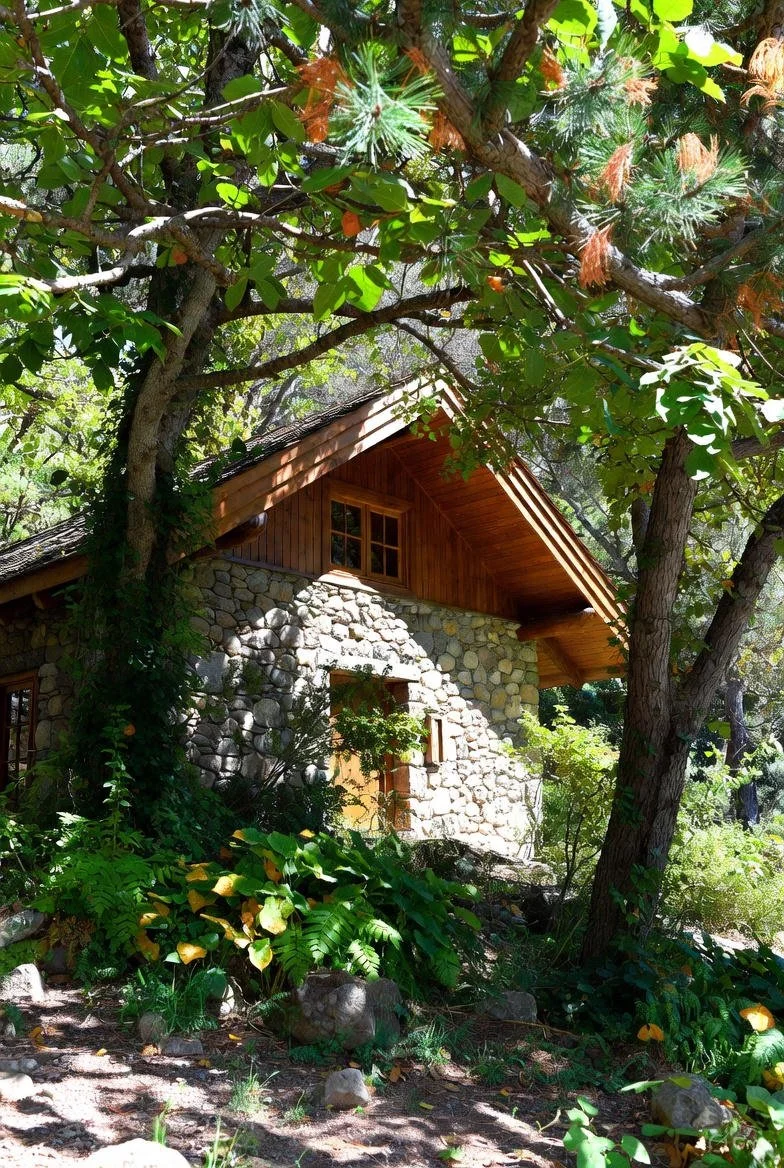
Differences in German Smear Application and Aesthetics on Natural Versus Man-Made Stone
German Smear, a mortar-based finishing technique rooted in European building traditions, creates a textured, aged appearance when applied to stone surfaces. While suitable for both natural and man-made stone, the process and results vary due to differences in material composition and surface characteristics. These distinctions influence texture, adhesion, and overall uniformity, offering unique architectural expressions in each case.

Creating an Irregular Pattern in German Smear
German smear, a traditional brick finishing method, relies on intentionally irregular application to produce a distressed, aged appearance that evokes historical European architecture. This "pattern that has no pattern" technique avoids uniformity, allowing the mortar to interact naturally with the brick surface for a timeless look. By embracing randomness in coverage and texture, artisans can replicate the organic wear seen in centuries-old structures.

Exploring the Different Styles of German Smear Techniques
German Smear, also known as mortar wash or Schmear, is a historical brick finishing method that originated in Central European masonry practices during the medieval era. This technique involves applying a mortar mixture to brick surfaces to create an aged, textured appearance while enhancing structural integrity. Different styles vary primarily in the degree of mortar coverage and application method, offering options from subtle toning to more monolithic finishes.
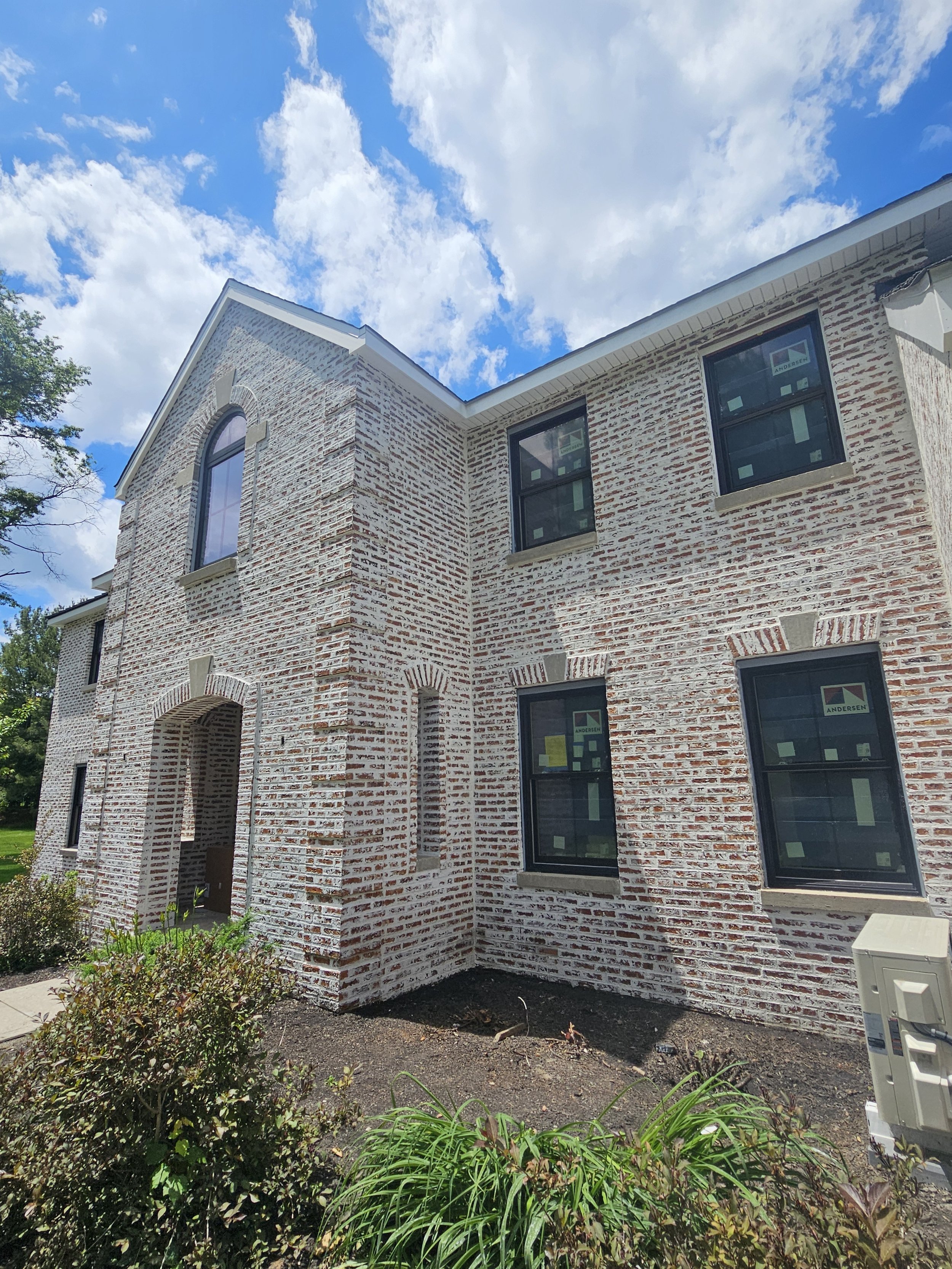
Brick Home Exterior Ideas: 7 Ideas to Improve Your Curb Appeal
Brick homes have long been valued for their durability and timeless aesthetic, rooted in historical building practices that emphasize natural materials and breathability. Enhancing curb appeal involves thoughtful modifications that respect the brick's inherent properties while improving visual and functional aspects. This blog explores seven educational ideas, drawing on architectural traditions and building science to inform potential updates.
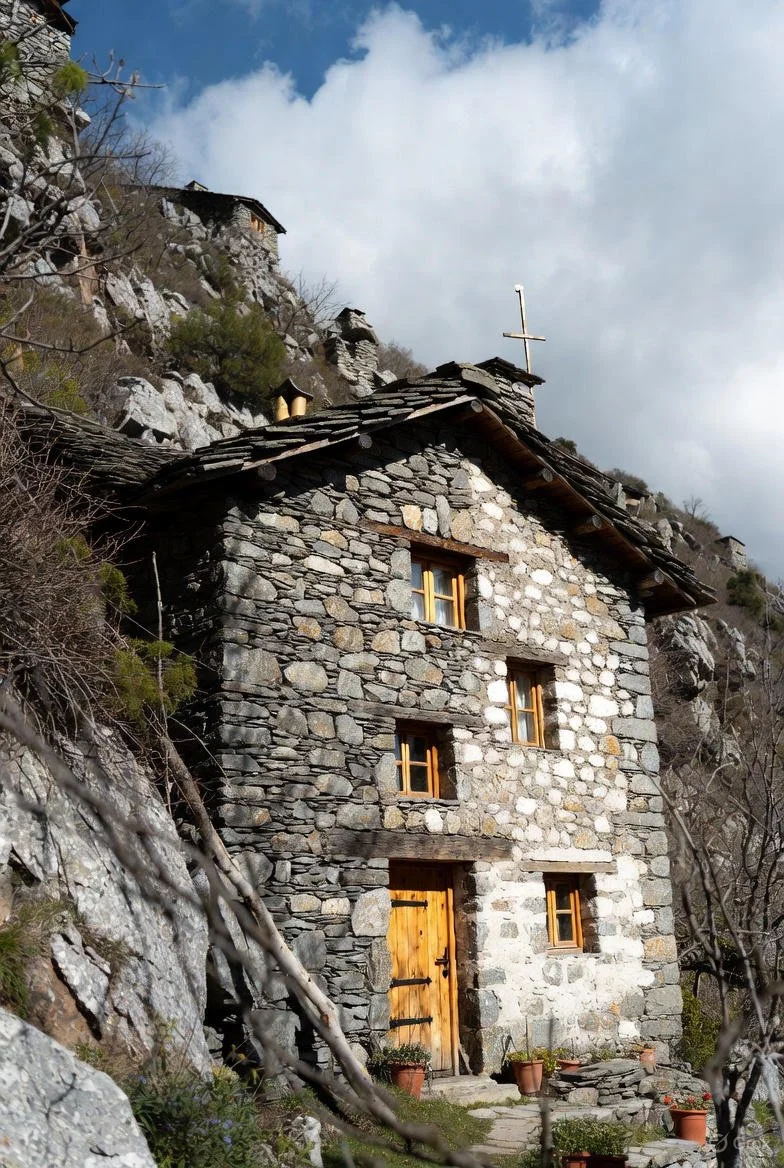
The Impact of Altitude on Mortar Adhesion in German Smear Applications
Altitude plays a significant role in the curing and adhesion of mortar used in traditional techniques like German Smear, affecting factors such as evaporation rates and material expansion. This influence is particularly relevant for porous substrates like brick and stone, where environmental conditions at higher elevations can alter long-term durability. Understanding these effects helps preserve historical architectural methods rooted in European building practices.
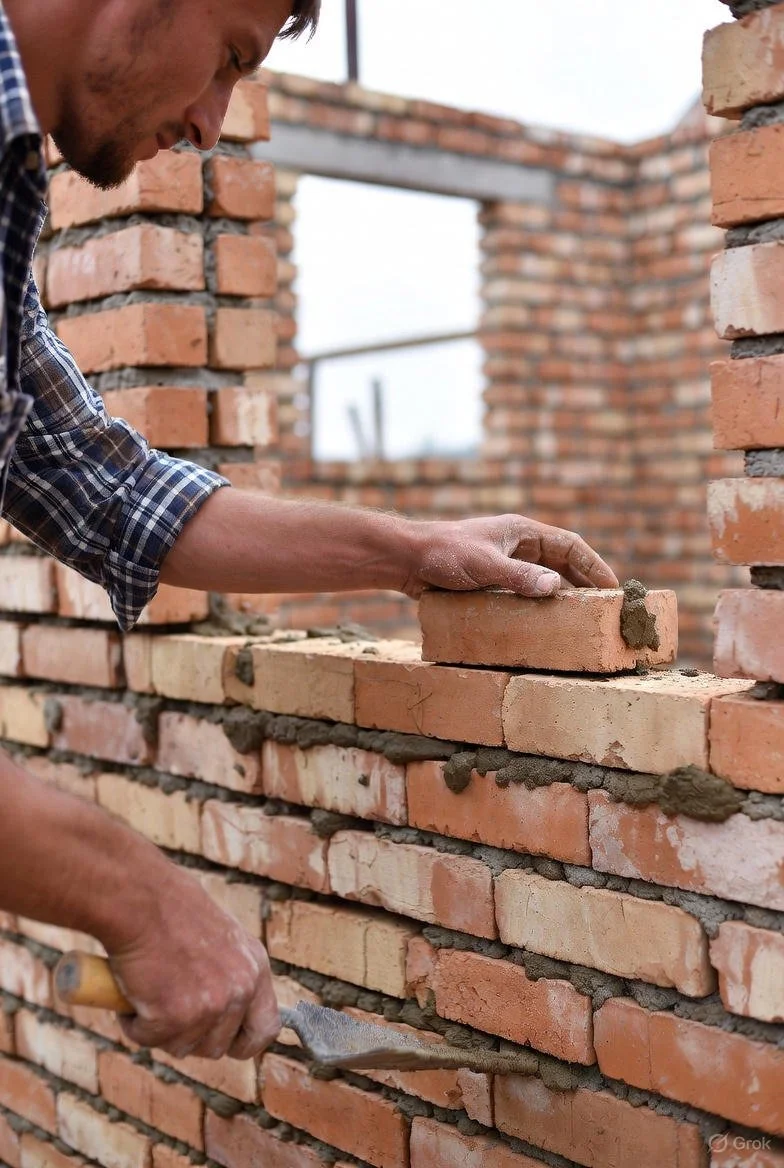
Brick Masonry in Home Construction: Materials, Processes, and Mortar Considerations
Brick homes rely on durable clay bricks bonded with mortar joints to form structural or veneer walls, providing strength, fire resistance, and thermal mass. Standard mortar joints are typically 3/8 inch (10 mm) thick to ensure load-bearing capacity and proper adhesion. In contrast, the German Smear technique uses a thin, uneven layer of mortar as a surface treatment for aesthetic purposes, distinct from the structural role of construction mortar.

Aesthetic and Architectural Impacts of German Smear on Brick Exteriors
German smear, a historical mortar wash technique rooted in European building traditions, transforms brick surfaces by adding texture and a weathered appearance. This method enhances visual appeal by softening uniform brick lines and creating depth, potentially influencing buyer perceptions of curb appeal. Proper application is essential to achieve an intentional, artisanal look that holds up under close inspection.

Exploring German Smear Techniques: Mortars, Textures, Tools, and Artistic Applications
German Smear, a traditional brick finishing method originating from European building practices, involves applying a mortar wash to create an aged, irregular appearance on masonry surfaces. This technique emphasizes material composition and application methods to achieve varied textures and visual effects. Understanding its components and challenges provides insight into its role in architectural conservation and aesthetic enhancement.
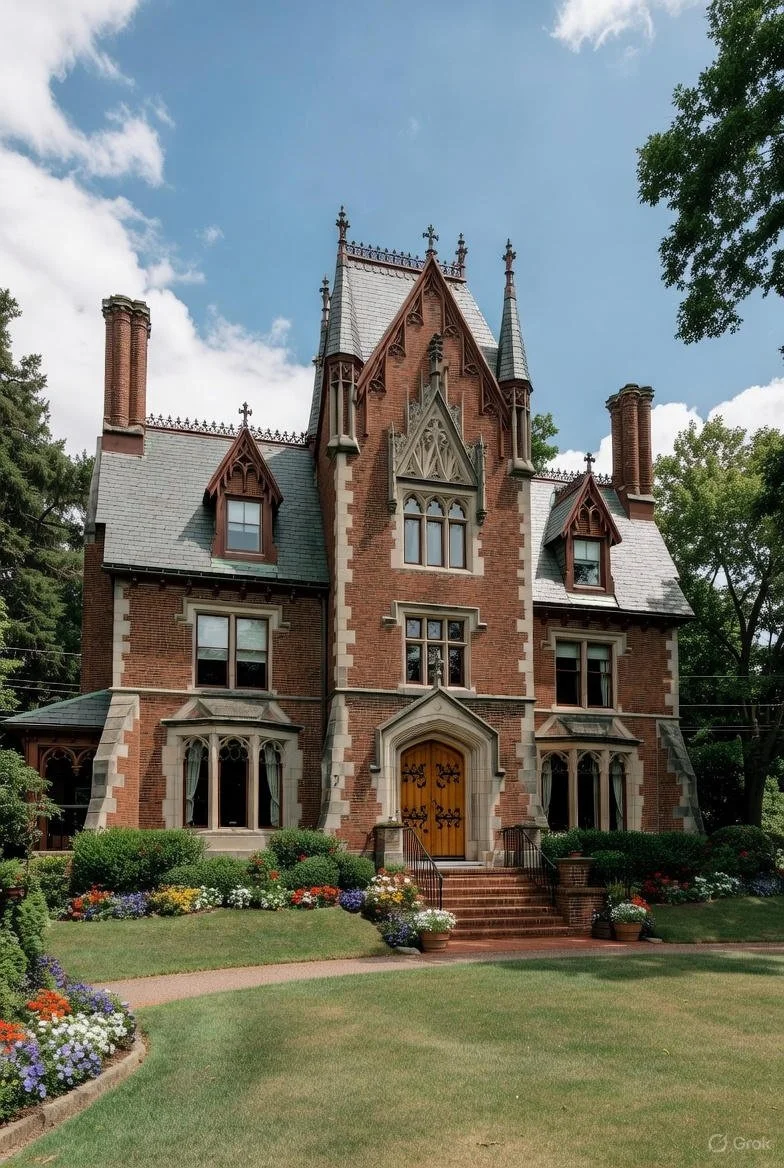
The Pros and Cons of Owning a Brick Home
Brick homes have long been valued for their durability and timeless appeal, rooted in historical building practices that emphasize longevity and resilience. However, owning such a structure involves weighing benefits like energy efficiency against challenges such as moisture management and structural limitations. This overview explores these aspects in detail, including maintenance considerations and historical brick treatments like German Smear, to provide a comprehensive understanding for homeowners interested in architectural conservation.
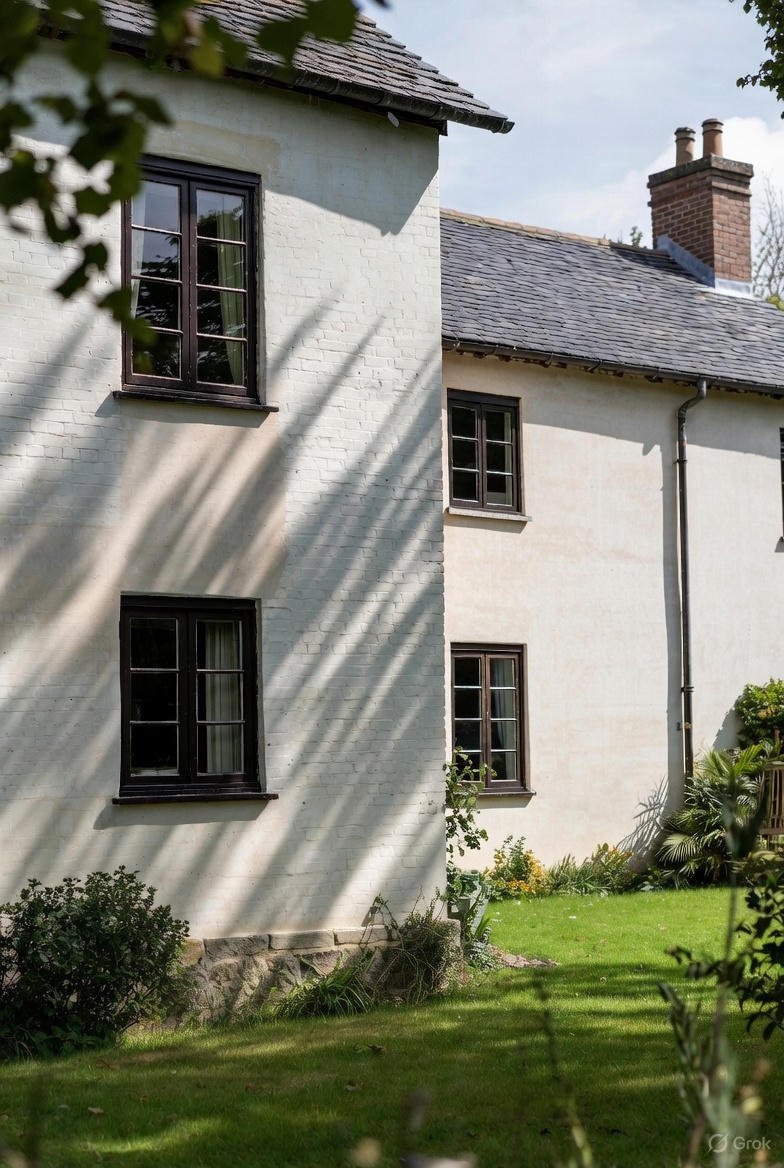
Why Is My Brick House So Hot?
Many homeowners with brick houses notice excessive indoor heat during warmer months, often due to the material's inherent properties. Brick's color and thermal mass play significant roles in absorbing and retaining solar energy, leading to higher temperatures inside. Understanding these factors, along with potential solutions like insulation and exterior coatings, can provide insights into managing heat in traditional brick structures.
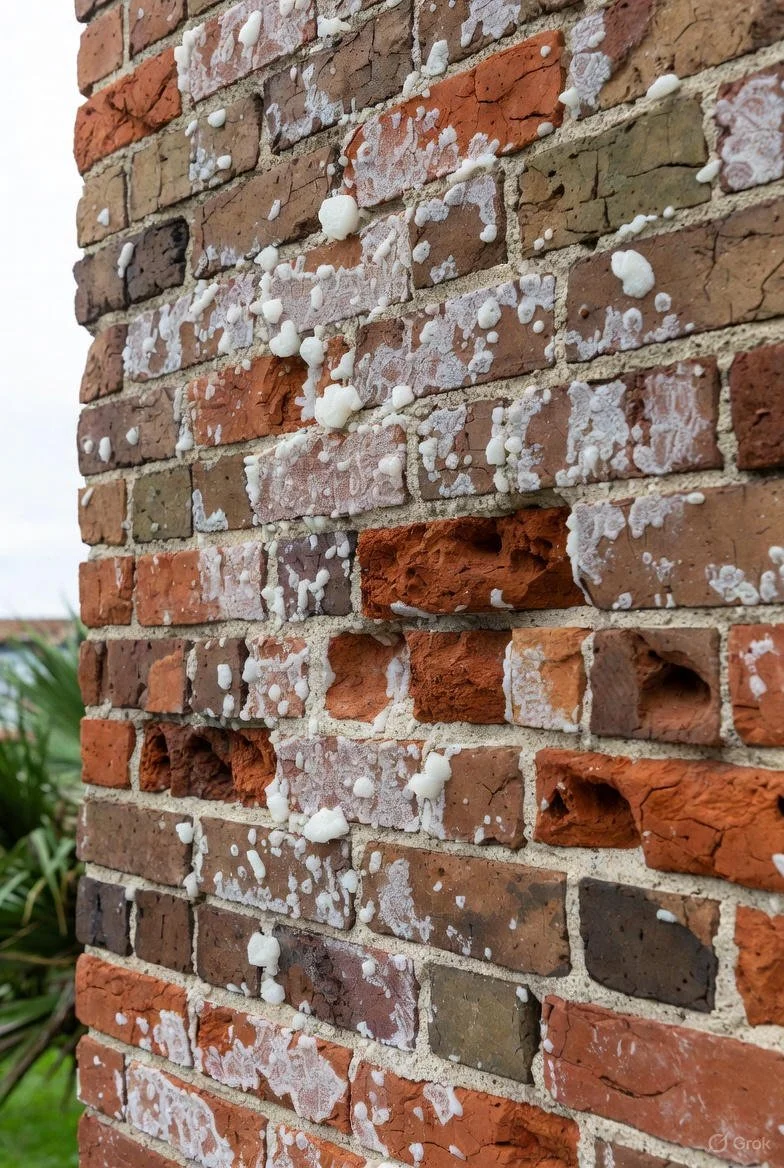
Why Does My Brick Have White Spots on It?
White spots on brick surfaces often indicate efflorescence, a common phenomenon in masonry where soluble salts crystallize on the exterior. This deposit forms through moisture migration and can signal underlying water issues that affect both the brick's integrity and any applied finishes. Understanding efflorescence is essential for preserving historical and modern brick structures, as it ties into fundamental building science principles like vapor permeability and material durability.
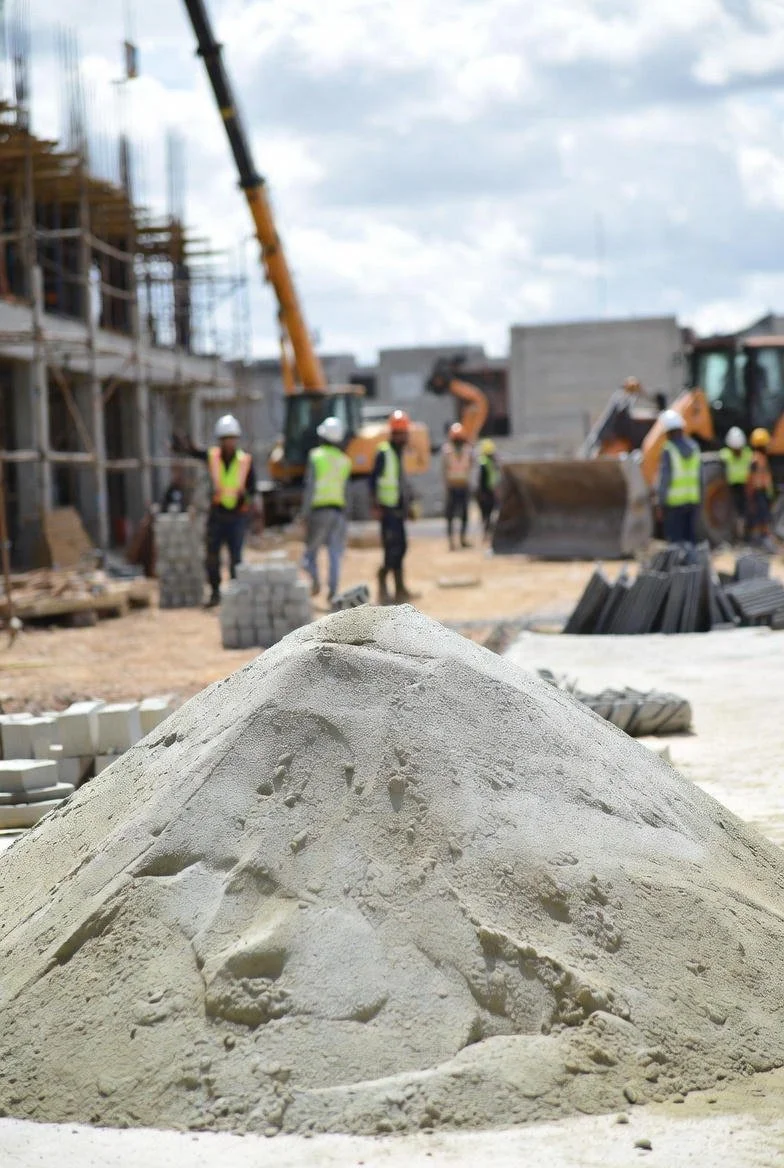
Types of Sand in Mortar and Their Influence on Cured Texture in German Smear Finishes
Sand serves as the primary aggregate in masonry mortars, influencing workability, strength, and the final surface texture after curing. Different sand types—characterized by grain size, shape, and grading—affect how mortar adheres, spreads, and dries. In German Smear, a mortar wash technique rooted in European traditions, the choice of sand directly impacts the rustic, textured appearance of the finish on brick surfaces.
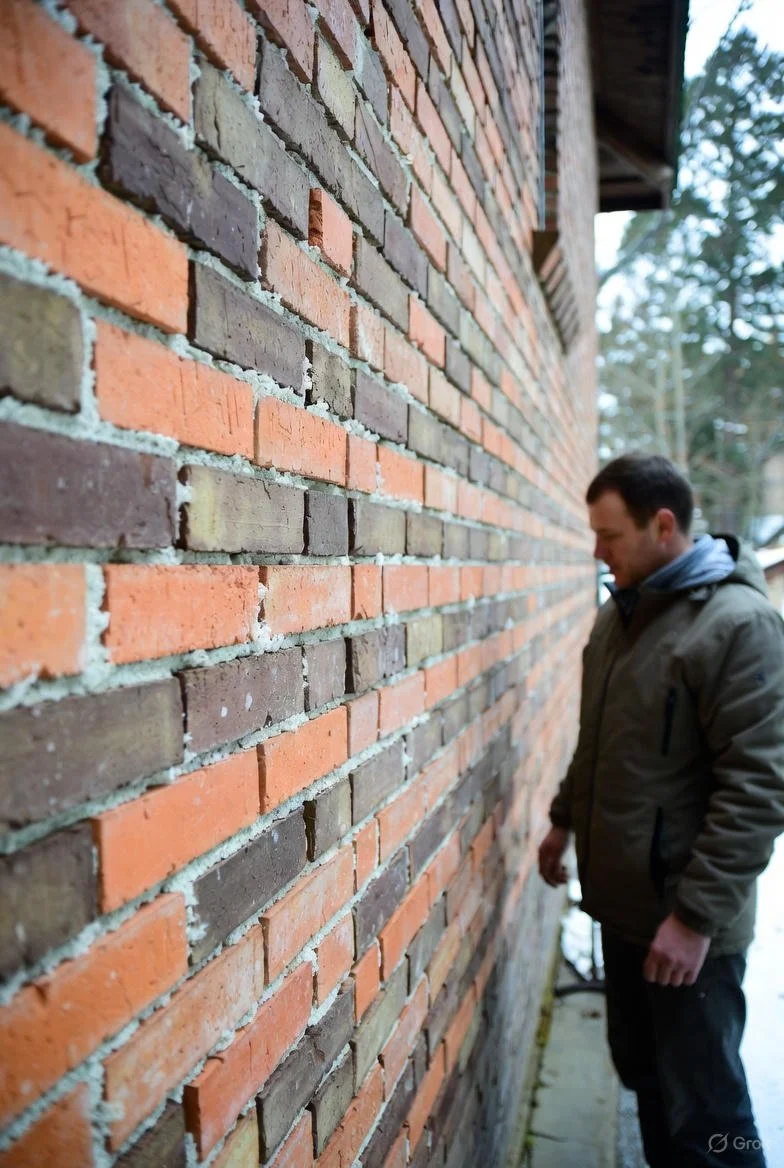
Preparing a Brick Home for Spring: Historical Practices and Modern Building-Science Considerations
As winter recedes, brick masonry requires targeted maintenance to reverse seasonal stress and prepare for warmer, wetter conditions. Traditional European methods—many still relevant today—focused on breathability, moisture management, and gentle cleaning to preserve both the mortar and the brick units. Proper spring preparation extends service life and prevents common damage from freeze-thaw cycles and biological growth.
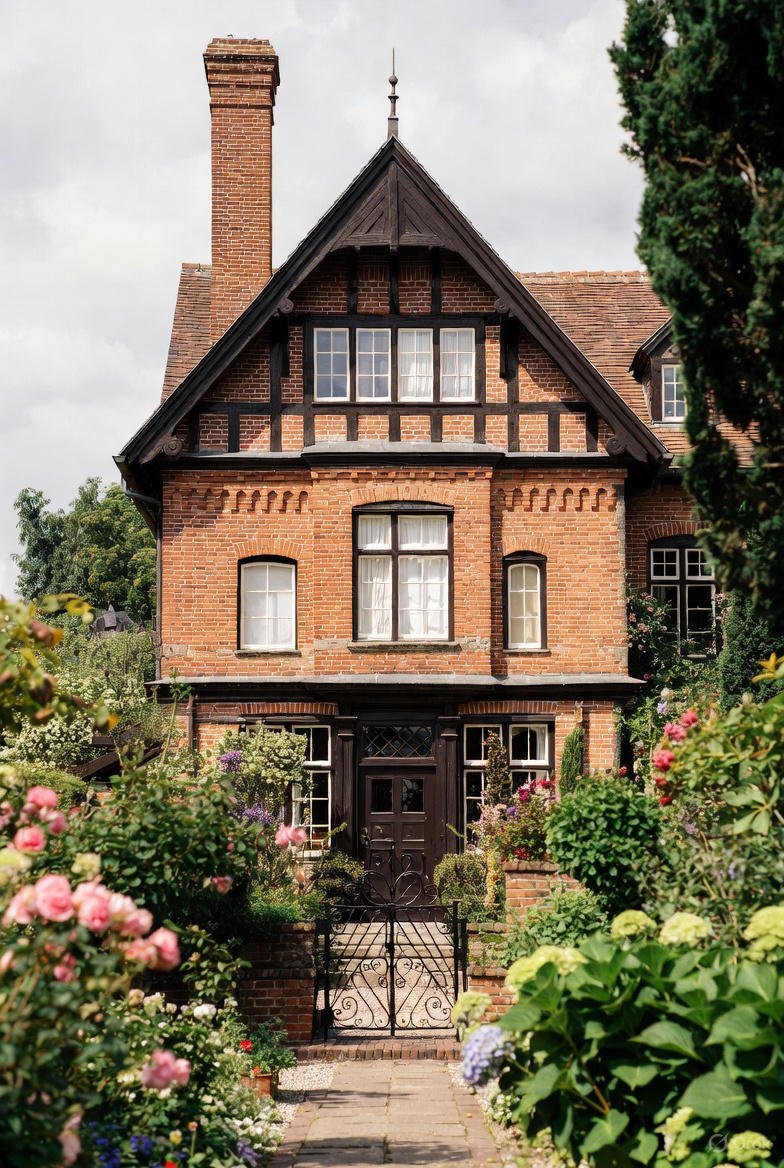
Why Fired Clay Brick Has Been Used for Centuries To Build Homes
Fired clay brick has remained a primary building material for over 5,000 years because it combines compressive strength, resistance to fire and biological attack, dimensional stability, and—when paired with lime mortar—excellent vapor permeability. Structures from Mesopotamia (3500 BCE) to medieval Europe and colonial America continue to stand and function with minimal intervention, demonstrating that brick’s longevity is not coincidental but the direct result of verifiable material properties and compatible jointing systems.
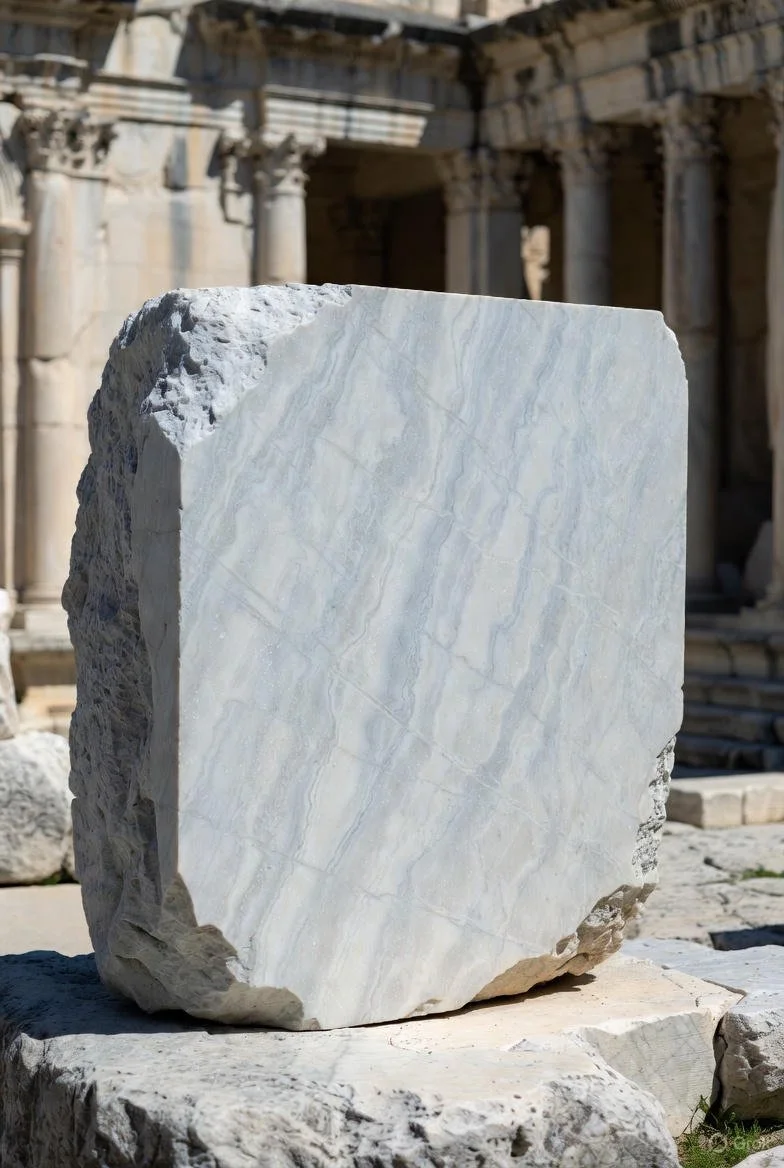
Mineral Aggregates in Traditional Lime-Based Mortars: Granite, Marble, and Quartz
Traditional lime-based mortars commonly incorporate mineral aggregates derived from natural stones to enhance workability, durability, and aesthetic qualities. Quartz sand has been a primary aggregate in European building traditions for centuries, providing structural integrity and vapor permeability. Crushed marble dust appears in historical plasters and finishing mortars, particularly in Roman and later periods, for achieving smooth, white surfaces. Granite dust, while documented in some modern and regional contexts, lacks widespread evidence in historic European lime mortars.

Enhancing Holiday Lighting Effects with White German Smear Brick Exteriors
A white German smear finish—created by applying and partially removing a light mortar slurry over brick—turns a house into a bright, softly textured canvas that dramatically improves the visibility and vibrancy of holiday lights. Because the surface is predominantly white with subtle gray veiling and retained brick undertones, it interacts differently with each lighting color than dark red brick or painted siding. Specific light colors produce stronger contrast, richer saturation, or cleaner projection when displayed against this reflective, neutral backdrop.
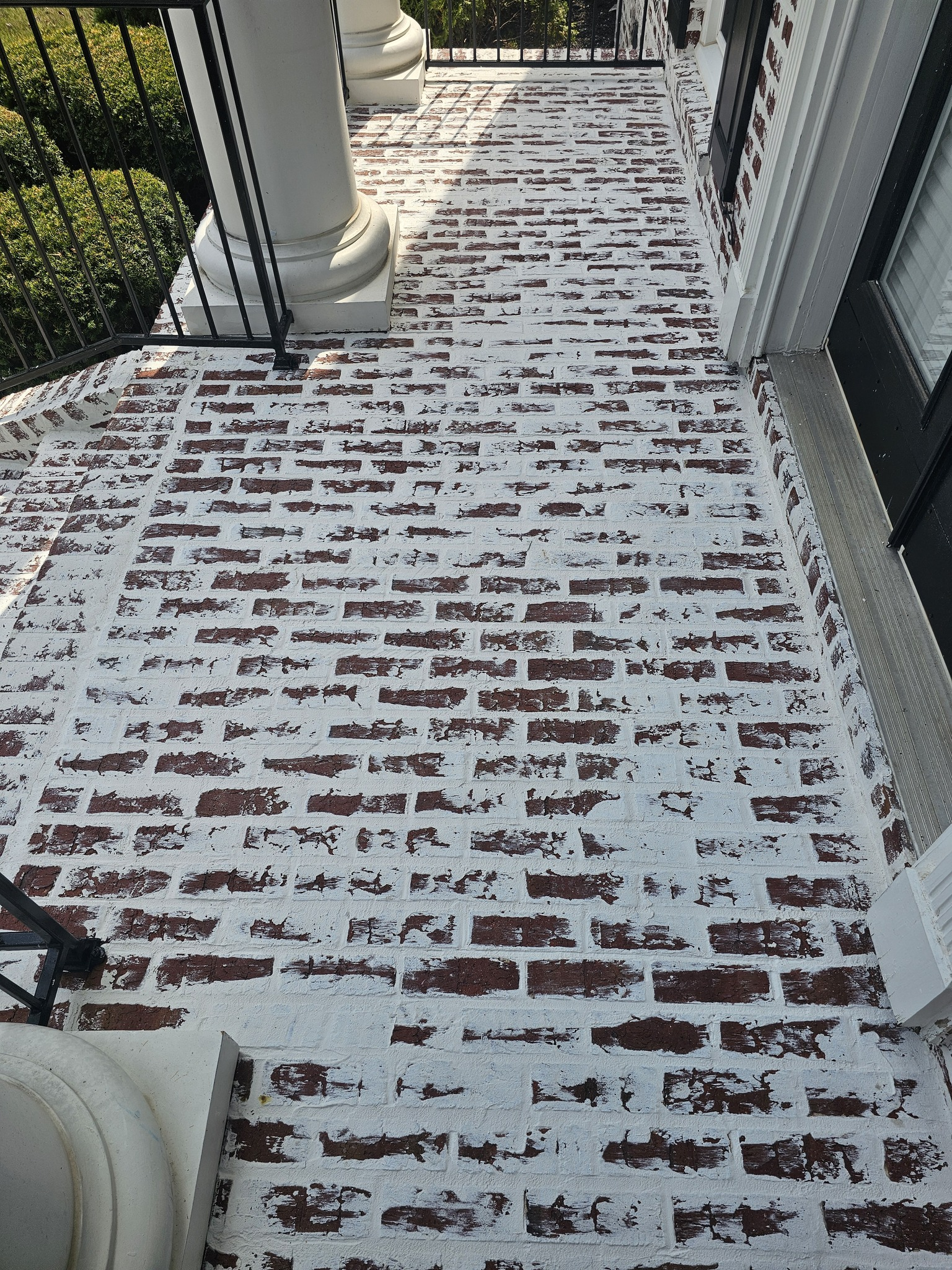
Transforming the Appearance of Brick Pavers: Aesthetic Enhancement Techniques That Preserve Durability
Beyond routine cleaning, brick pavers can be dramatically refreshed or completely re-imagined through historically proven surface treatments such as mortar wash, lime slurry coatings, and selective staining methods. When correctly formulated and applied, these techniques alter color and texture while maintaining the clay unit’s essential vapor permeability and freeze-thaw resistance. The result is a new aesthetic identity—from bright whitewashed Mediterranean courtyards to softly aged European village streets—without sacrificing the paver’s proven longevity.
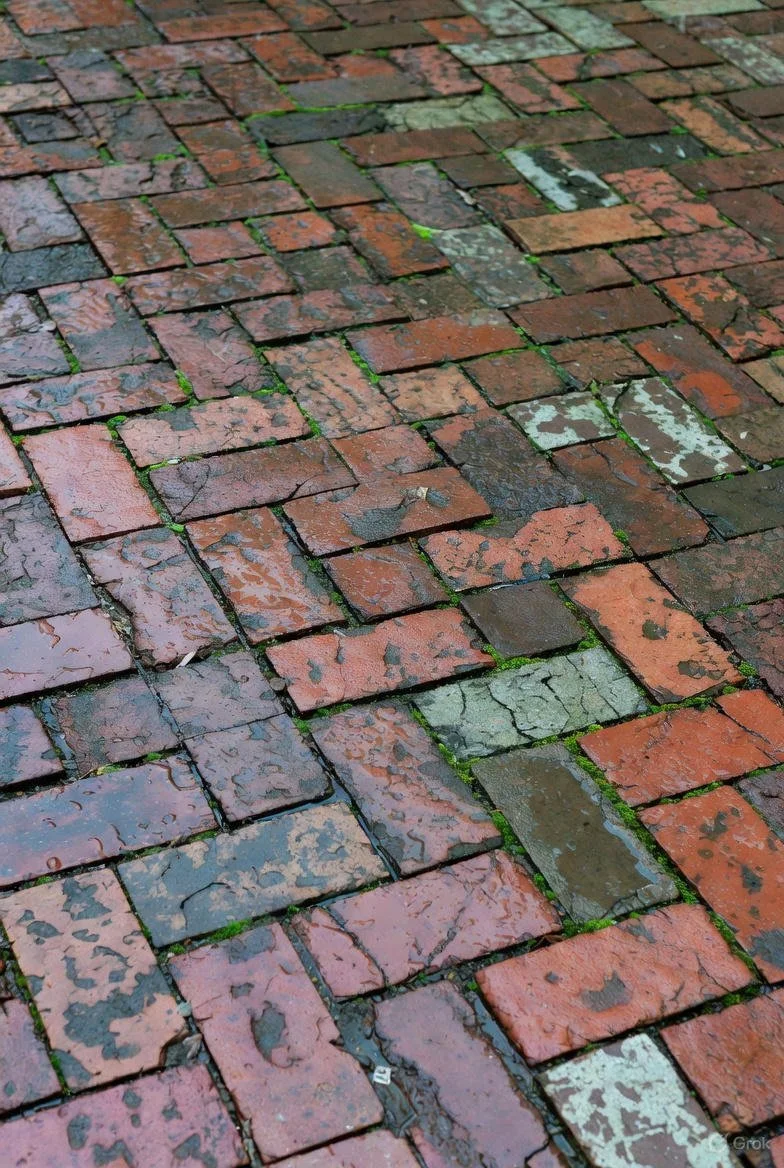
Maintaining Brick Pavers: Long-Term Durability Through Proven Historical and Building-Science Practices
Brick pavers have been used for streets, courtyards, and walkways since Roman times because clay brick is inherently durable, frost-resistant, and repairable. Proper maintenance extends that natural longevity, prevents joint failure, controls weed growth, and preserves the breathable character of the masonry. This post focuses on evidence-based techniques that respect both traditional European paving methods and modern materials science.
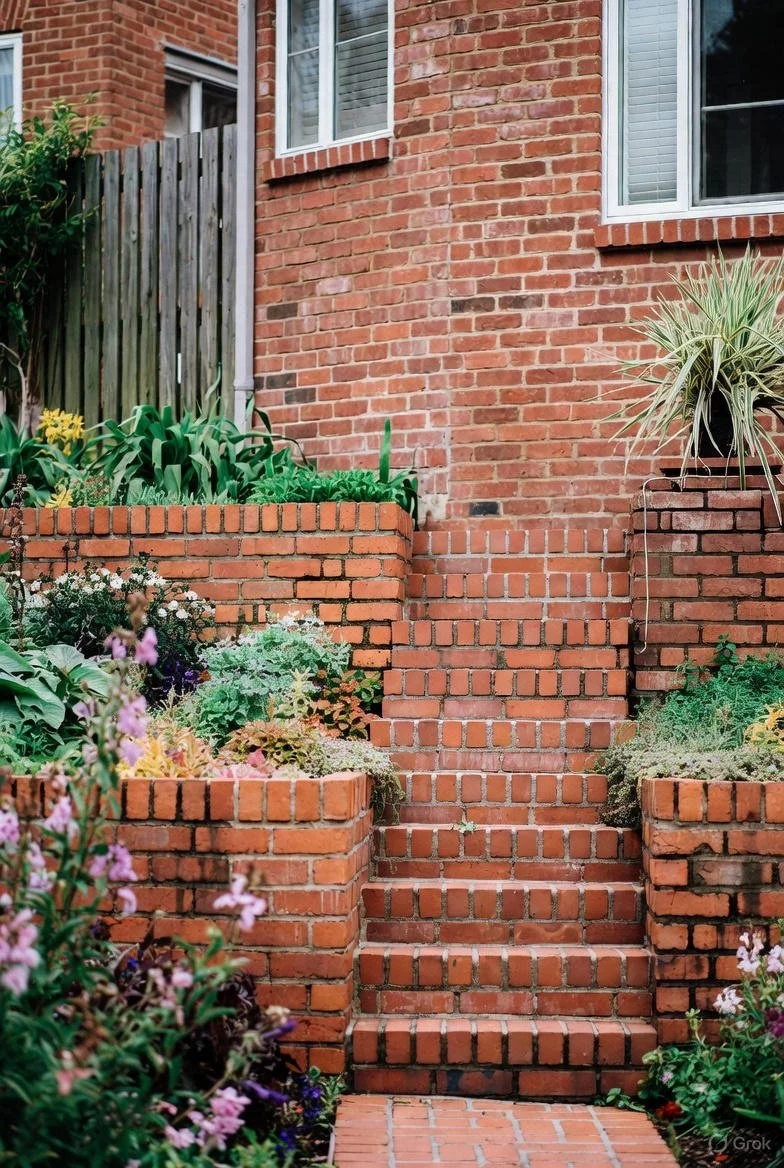
The Critical Role of Drainage Holes in Brick Retaining Walls for Gardens
Brick retaining walls are elegant and durable features in garden design, but without proper drainage they can fail prematurely due to hydrostatic pressure. Adding weep holes and a functional drainage system behind the wall is not optional—it is a fundamental building-science requirement that protects both the wall and the garden it supports. Understanding how water behaves behind masonry is key to long-term stability.
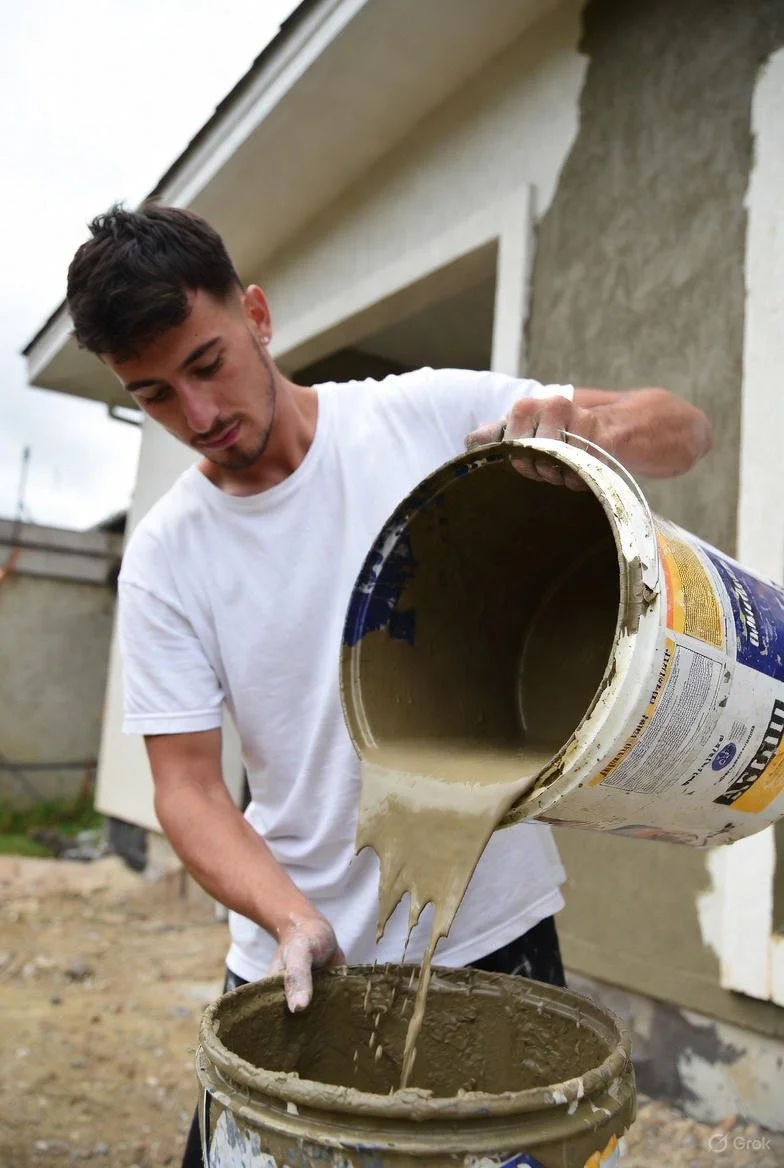
The Effects of Adding Paint to Mortar: Impact on Bonding, Setting, and Long-Term Performance
Adding latex or acrylic paint directly into wet mortar is a common DIY technique intended to tint German Smear or mortar wash applications. However, this practice significantly alters the mortar’s chemical hydration process, reduces bond strength, compromises vapor permeability, and increases the risk of long-term failure. Understanding the building-science consequences explains why traditional and conservation-grade methods deliberately avoid paint additives.