

The Dangers of Mortar in German Smear
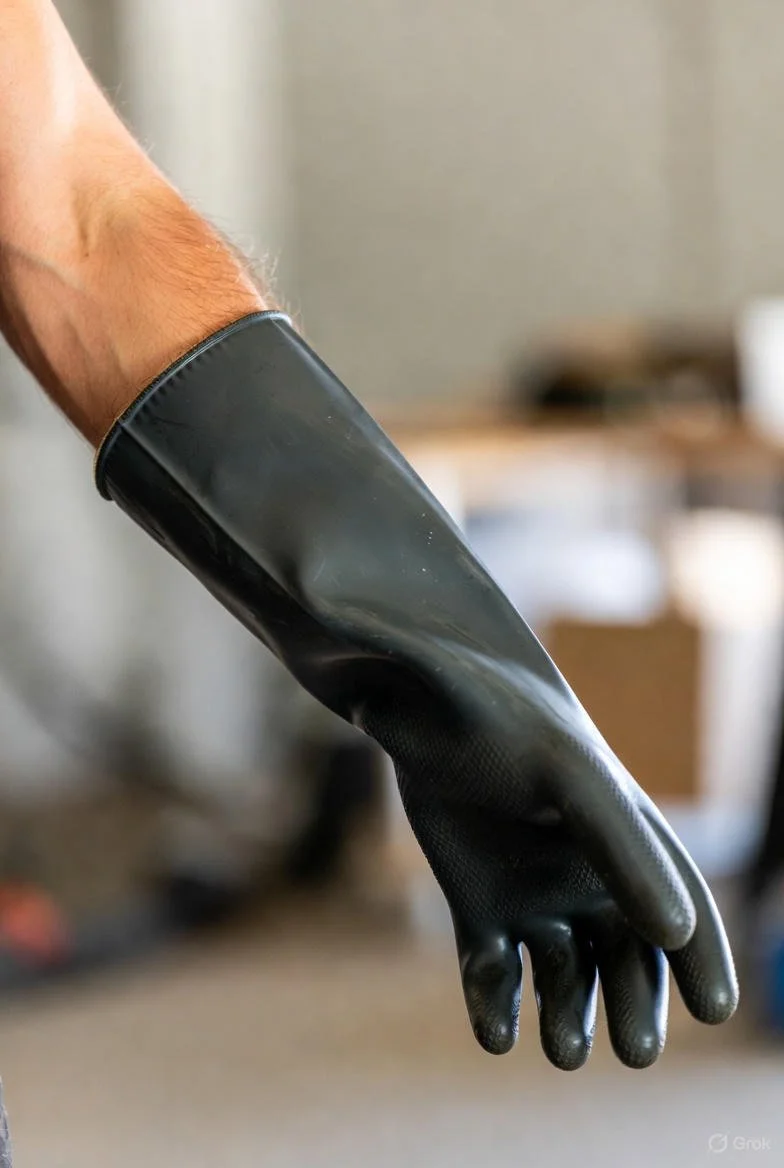
Mortar used in German Smear techniques possesses inherent caustic qualities due to its alkaline components, posing risks to skin, eyes, and respiratory systems. Understanding these dangers emphasizes the necessity of personal protective equipment (PPE) to prevent chemical burns and other injuries. Additionally, the fluid consistency of mortar in this method heightens exposure risks by facilitating splatters and widespread contact.

Creating an Irregular Pattern in German Smear
German smear, a traditional brick finishing method, relies on intentionally irregular application to produce a distressed, aged appearance that evokes historical European architecture. This "pattern that has no pattern" technique avoids uniformity, allowing the mortar to interact naturally with the brick surface for a timeless look. By embracing randomness in coverage and texture, artisans can replicate the organic wear seen in centuries-old structures.

Exploring the Different Styles of German Smear Techniques
German Smear, also known as mortar wash or Schmear, is a historical brick finishing method that originated in Central European masonry practices during the medieval era. This technique involves applying a mortar mixture to brick surfaces to create an aged, textured appearance while enhancing structural integrity. Different styles vary primarily in the degree of mortar coverage and application method, offering options from subtle toning to more monolithic finishes.
Durability of Brick Homes in High-Wind Storms Compared to Other Construction Types
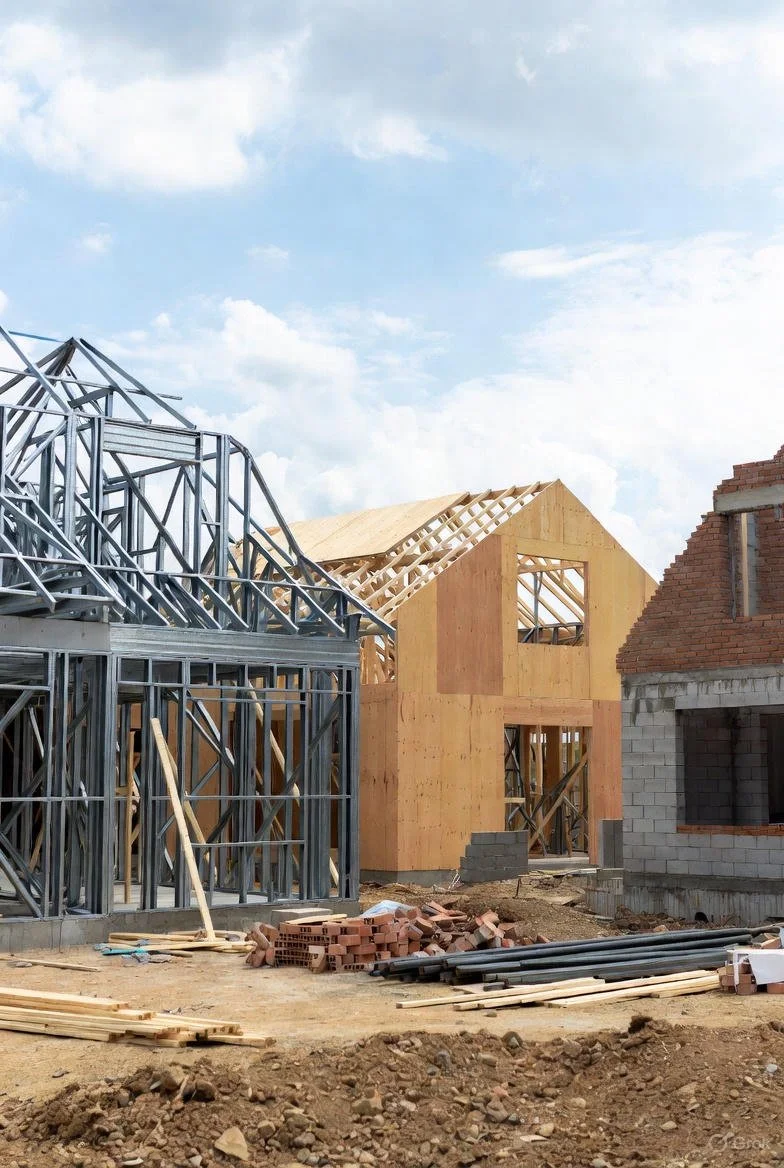
Brick homes, particularly those with solid masonry construction, demonstrate greater resistance to high-wind storms than wood-frame structures due to superior compressive strength and impact resistance from wind-borne debris. Structural performance in storms depends heavily on connections, roof design, and reinforcement rather than exterior material alone. Wind speeds causing significant structural damage typically exceed 100 mph in gusts for many residential buildings, with thresholds varying by construction type and code compliance.
Brick Home Exterior Ideas: 7 Ideas to Improve Your Curb Appeal
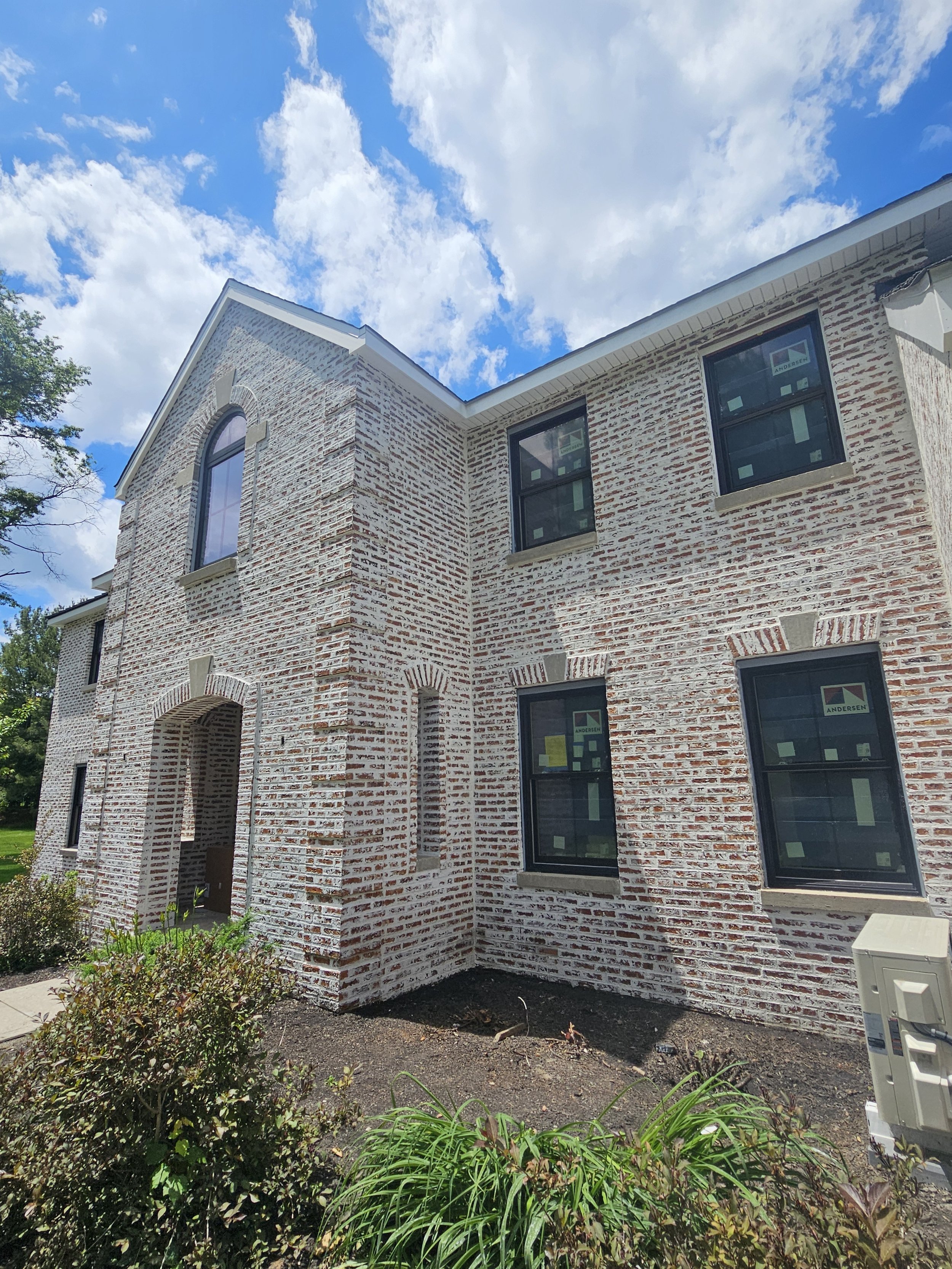
Brick homes have long been valued for their durability and timeless aesthetic, rooted in historical building practices that emphasize natural materials and breathability. Enhancing curb appeal involves thoughtful modifications that respect the brick's inherent properties while improving visual and functional aspects. This blog explores seven educational ideas, drawing on architectural traditions and building science to inform potential updates.
Characteristics of Fired Clay Bricks: Dark Marks and Perforations
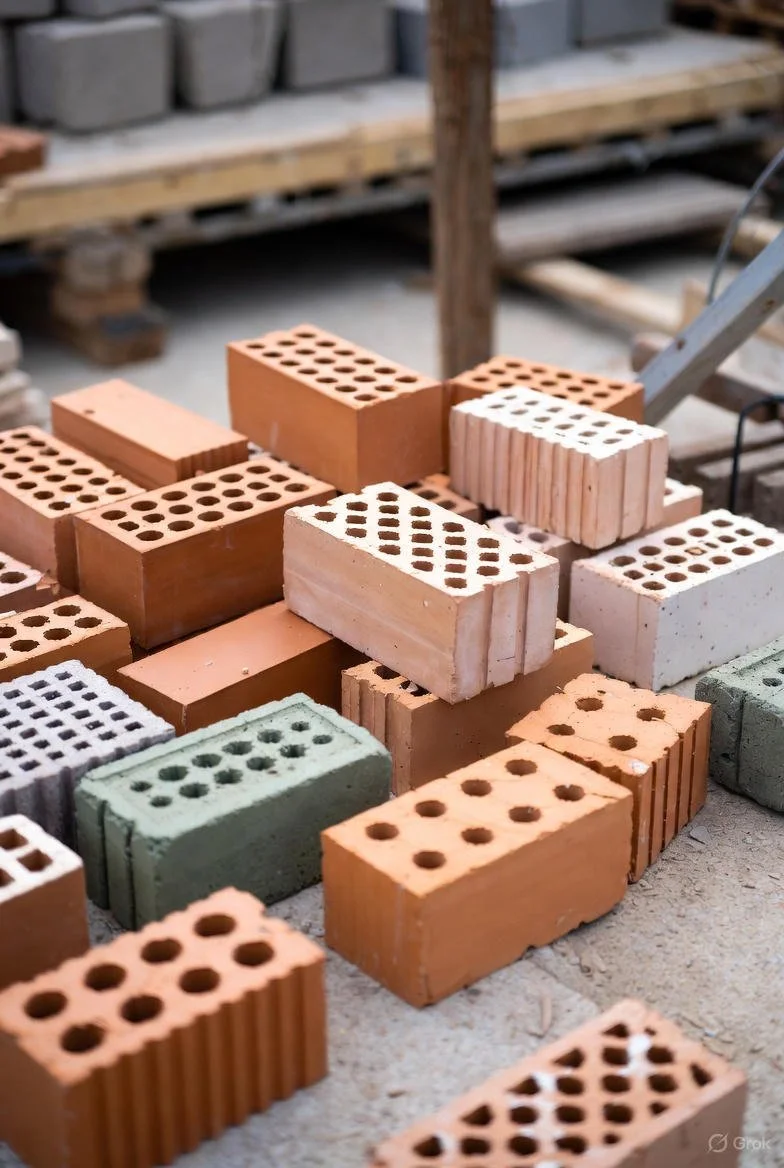
Many fired clay bricks exhibit dark marks or spots on their surfaces, resulting from chemical changes during the kiln firing process. These features reflect the material composition of the clay and atmospheric conditions in the kiln. Similarly, perforations or indentations in bricks serve practical purposes rooted in manufacturing efficiency and structural performance, allowing for uniform firing and improved bonding in masonry construction.

Lifetime Paint Warranties on Brick Versus the Durability of German Smear
Lifetime warranties on paint for brick surfaces promise coverage against specific defects but often require repeated applications due to environmental wear, contrasting with the integrated permanence of German Smear. Painting brick creates a film that limits future options, committing to ongoing repaints rather than allowing transitions to breathable finishes like limewash or German Smear. This distinction underscores key differences in material compatibility and long-term masonry behavior.
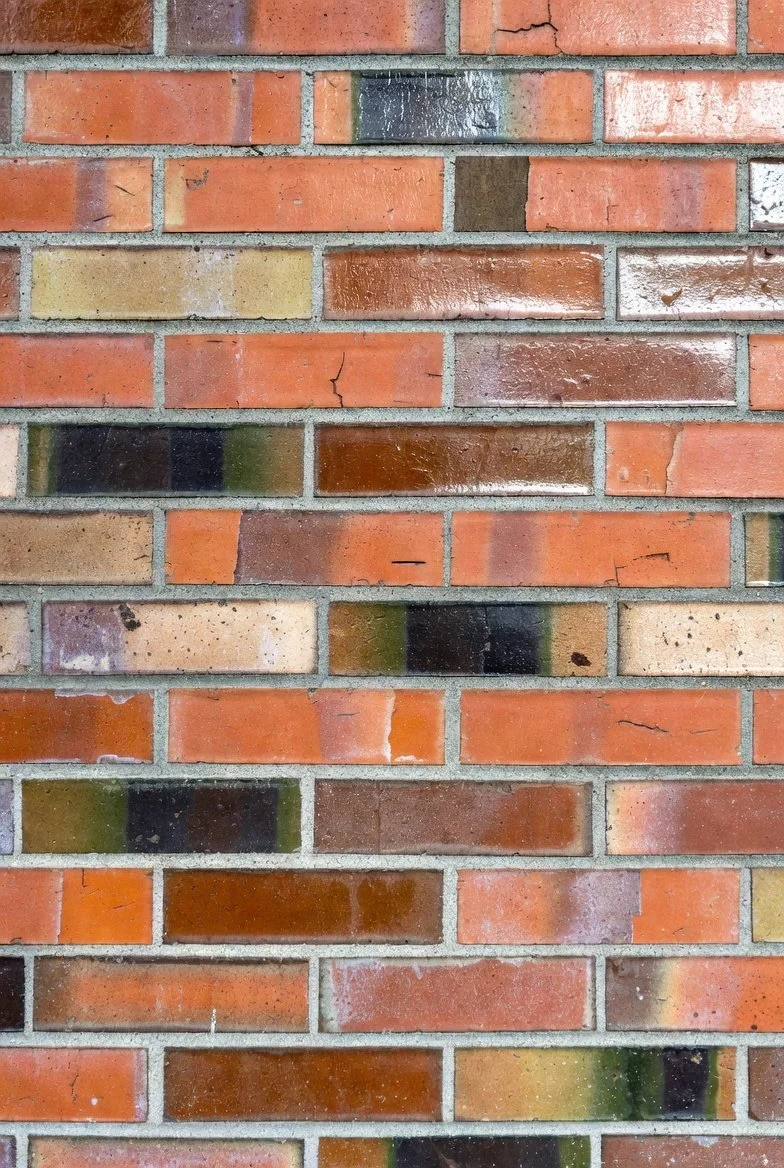
Glazed Bricks and German Smear
Glazed bricks feature a vitrified ceramic coating that enhances their durability and aesthetic appeal in architectural applications. This glassy surface provides significant benefits in terms of weather resistance and low maintenance, making them suitable for various building environments. However, their impermeable nature prevents effective application of traditional mortar-wash techniques like German Smear, which rely on porous substrates for adhesion.
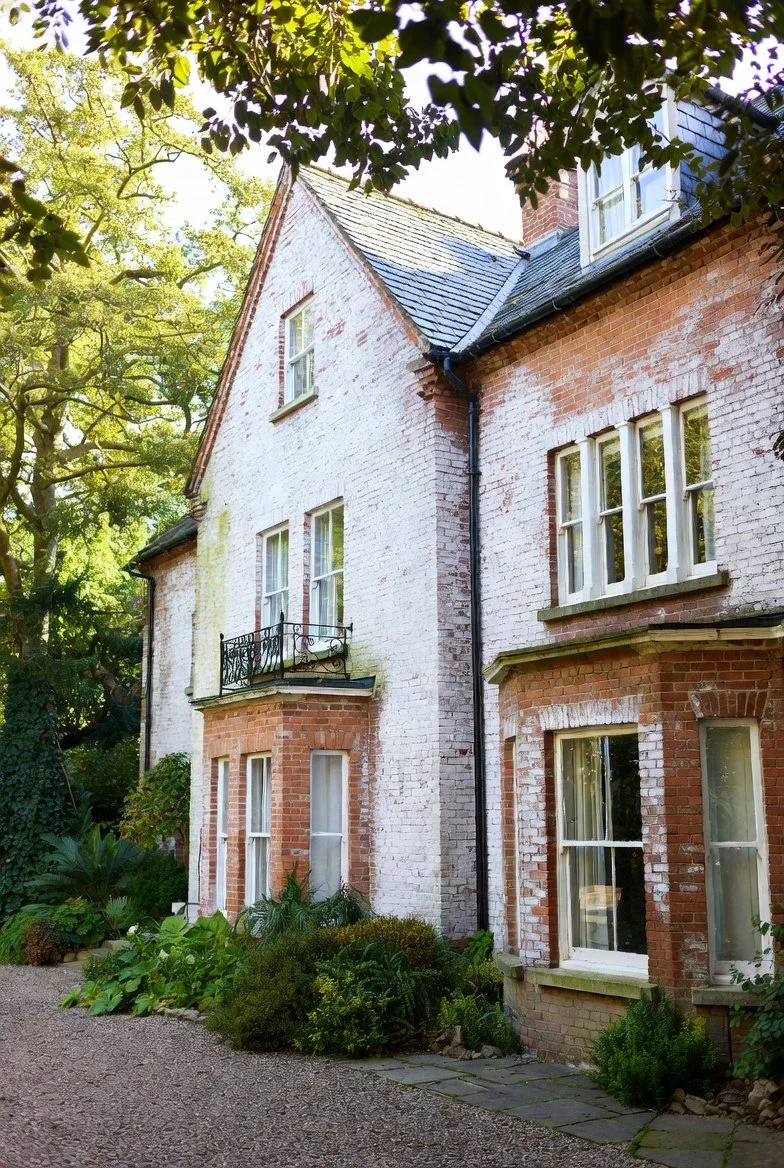
Comparing German Smear Brick Finishes to Untreated Brick: Aesthetic and Building Science Perspectives
German smear, a traditional mortar-wash technique applied to brick surfaces, creates a distinct aged appearance compared to the uniform look of untreated brick. This method, rooted in European building practices, alters both the visual character and material properties of masonry. By examining aesthetic differences, potential impacts on property visibility, and building science aspects, readers can gain insight into how such treatments influence architectural outcomes.
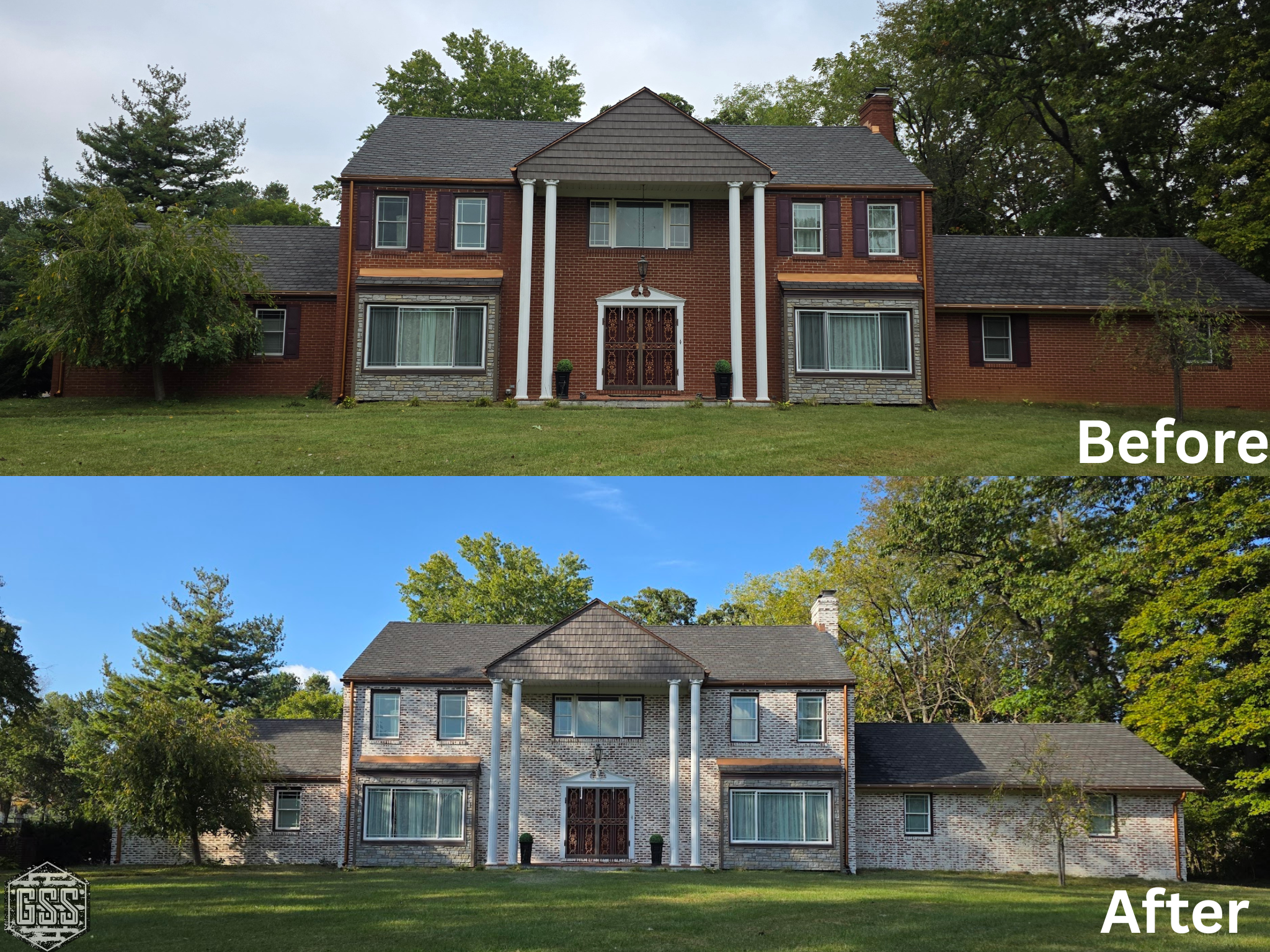
Blending Repaired Brick Sections with German Smear
German smear is a mortar-based finishing technique that can seamlessly integrate repaired or added brick sections into an existing home's facade by creating a uniform, distressed appearance. This method addresses visual discrepancies in color, texture, and age between original and replacement bricks, drawing from long-established European masonry practices. It offers an educational lens into how traditional building methods can resolve modern repair challenges while maintaining architectural cohesion.

Comparing Resale Values: Brick Homes Versus Lap Siding and CMU Structures
Brick homes often command higher resale values due to their perceived durability and timeless appeal, rooted in historical building practices. In contrast, lap siding and CMU structures may offer lower initial costs but can face depreciation challenges in certain markets. This comparison draws on real estate data and architectural principles to highlight key factors influencing long-term property worth.
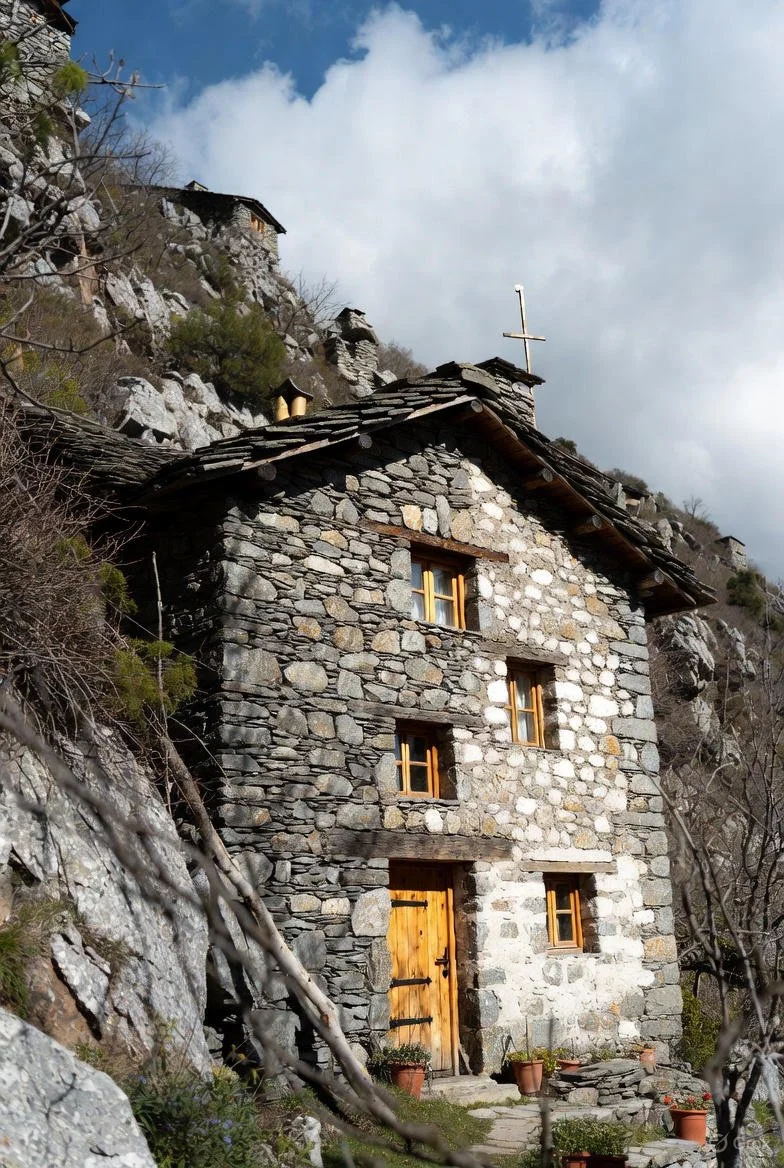
The Impact of Altitude on Mortar Adhesion in German Smear Applications
Altitude plays a significant role in the curing and adhesion of mortar used in traditional techniques like German Smear, affecting factors such as evaporation rates and material expansion. This influence is particularly relevant for porous substrates like brick and stone, where environmental conditions at higher elevations can alter long-term durability. Understanding these effects helps preserve historical architectural methods rooted in European building practices.
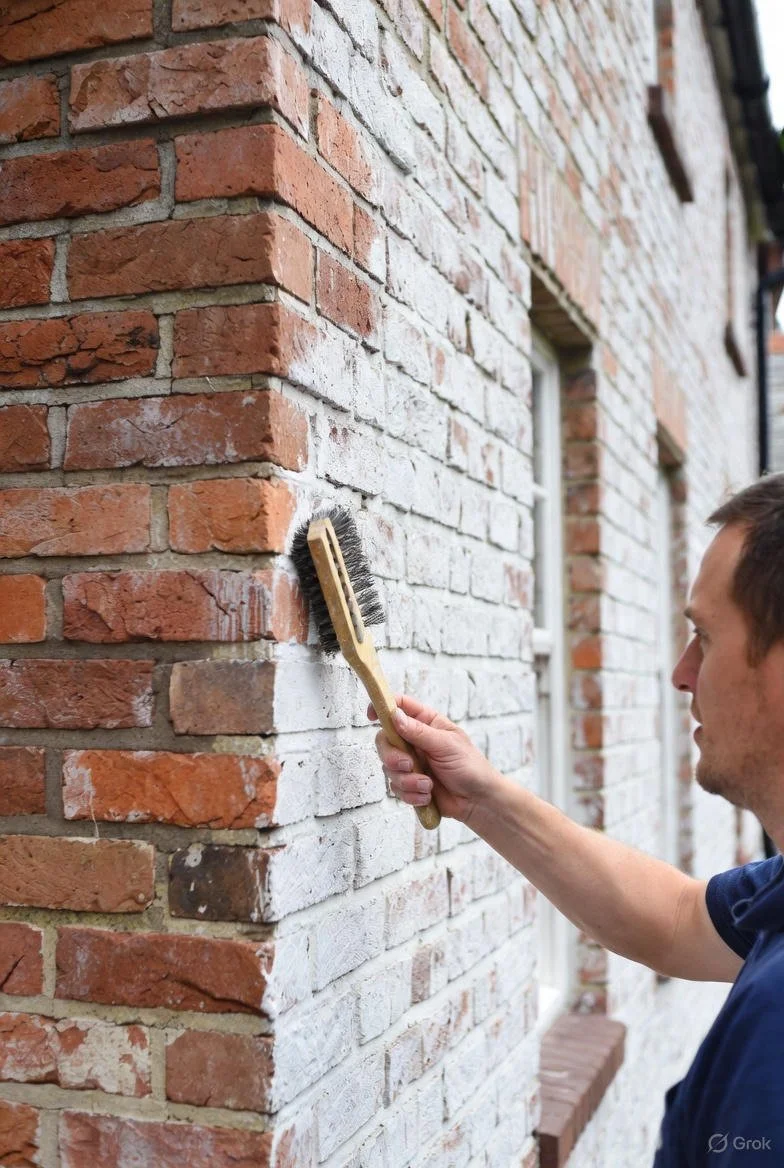
Removing Coatings from Brick Masonry: Paint, German Smear, and Limewash
Removing paint, German Smear (mortar wash), and limewash from brick requires careful methods to preserve the underlying masonry. These coatings differ in composition and adhesion, influencing removal difficulty and risks. Gentle approaches prioritize vapor permeability and avoid damage to porous brick, which can lead to moisture entrapment or surface erosion.
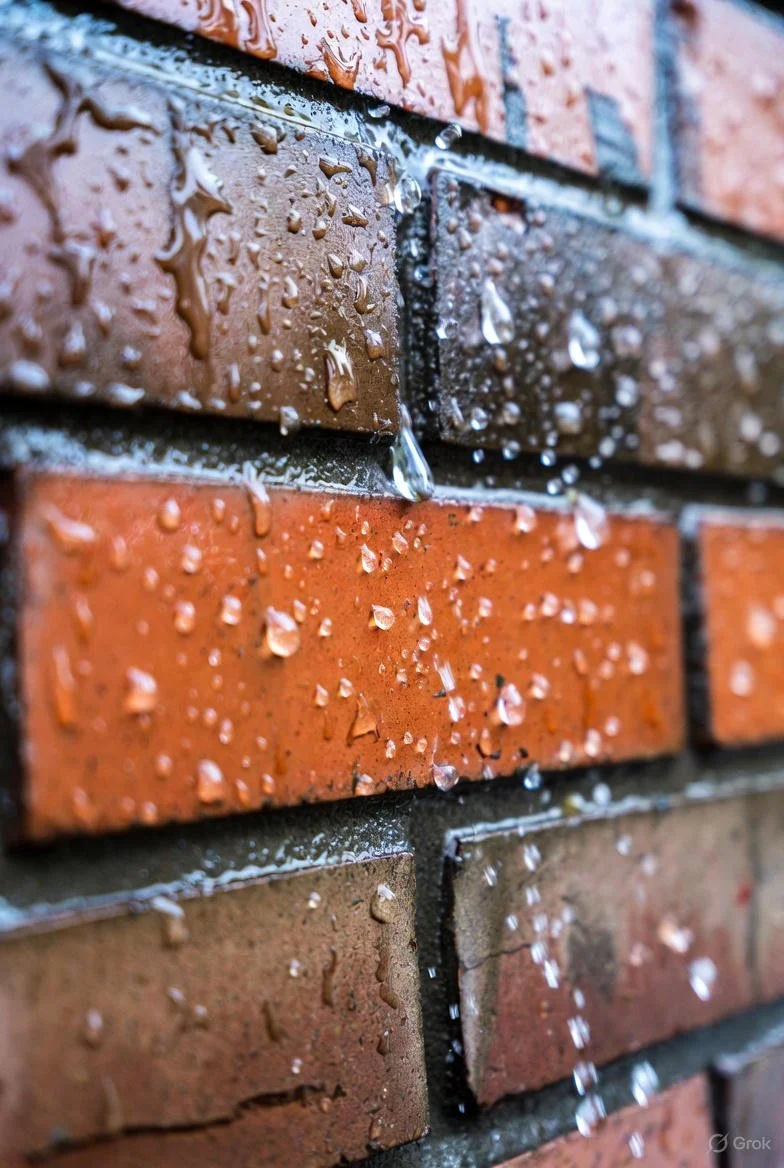
Brick Water Absorption Variability and Its Impact on German Smear Application
Bricks exhibit varying levels of water absorption due to differences in porosity, manufacturing processes, and material composition, which directly influence masonry applications. High-absorption bricks can complicate German Smear by rapidly drawing moisture from the mortar, leading to faster drying and reduced workability. Managing this through pre-wetting facilitates smoother application, while post-application breathable waterproofing treatments enhance long-term durability against environmental moisture.
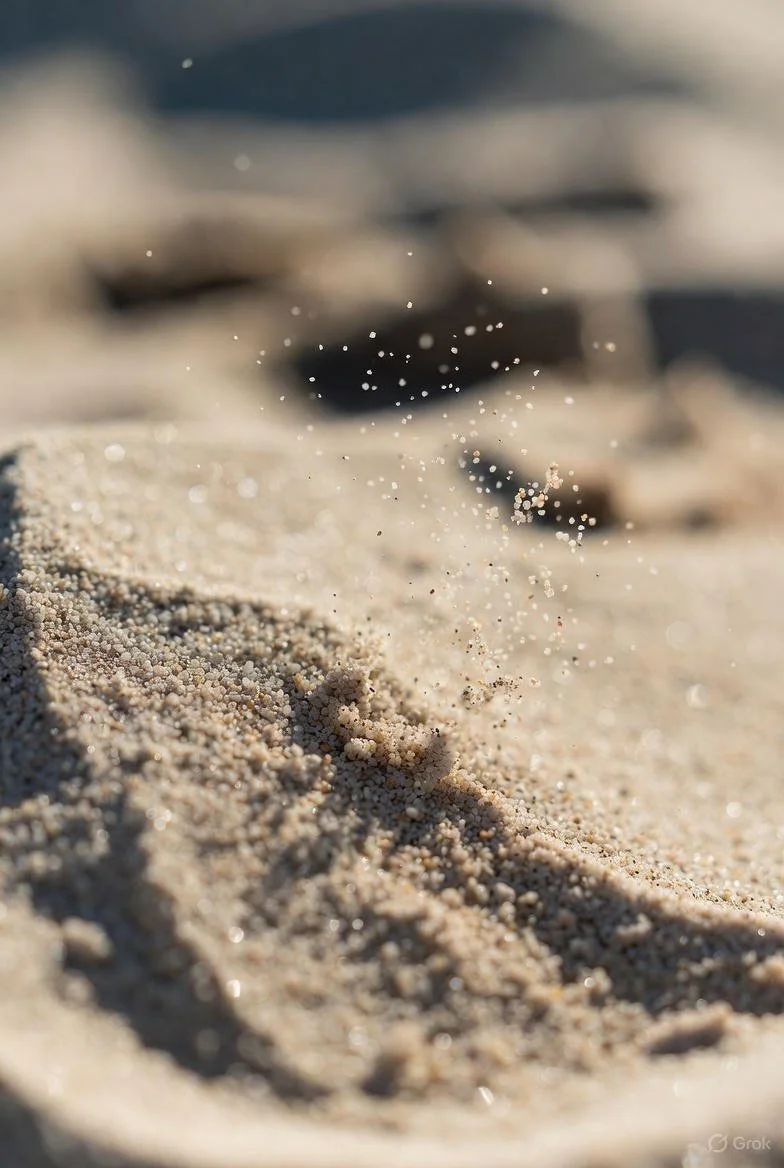
The Role of Particle Size in German Smear Mortar: Why Extremes Are Not Ideal
Particle size in the sand used for German Smear mortar significantly influences the application's workability, durability, and aesthetic outcome. Super fine particles can lead to excessive shrinkage and reduced breathability, while large grains may cause uneven adhesion and a gritty texture. Understanding these factors helps in appreciating the balance required for this traditional brick treatment method.

German Smear in the Restoration of Historic Masonry Buildings
German Smear, a traditional mortar wash technique with roots in European masonry practices, involves applying a lime-based slurry to brick surfaces for protection against weathering. Documented in northern European architecture, it provided a sacrificial layer that enhanced durability while allowing vapor permeability. In historic building restoration, its use with compatible lime mortars supports conservation by reinforcing aging brickwork without introducing rigid materials that could cause damage.
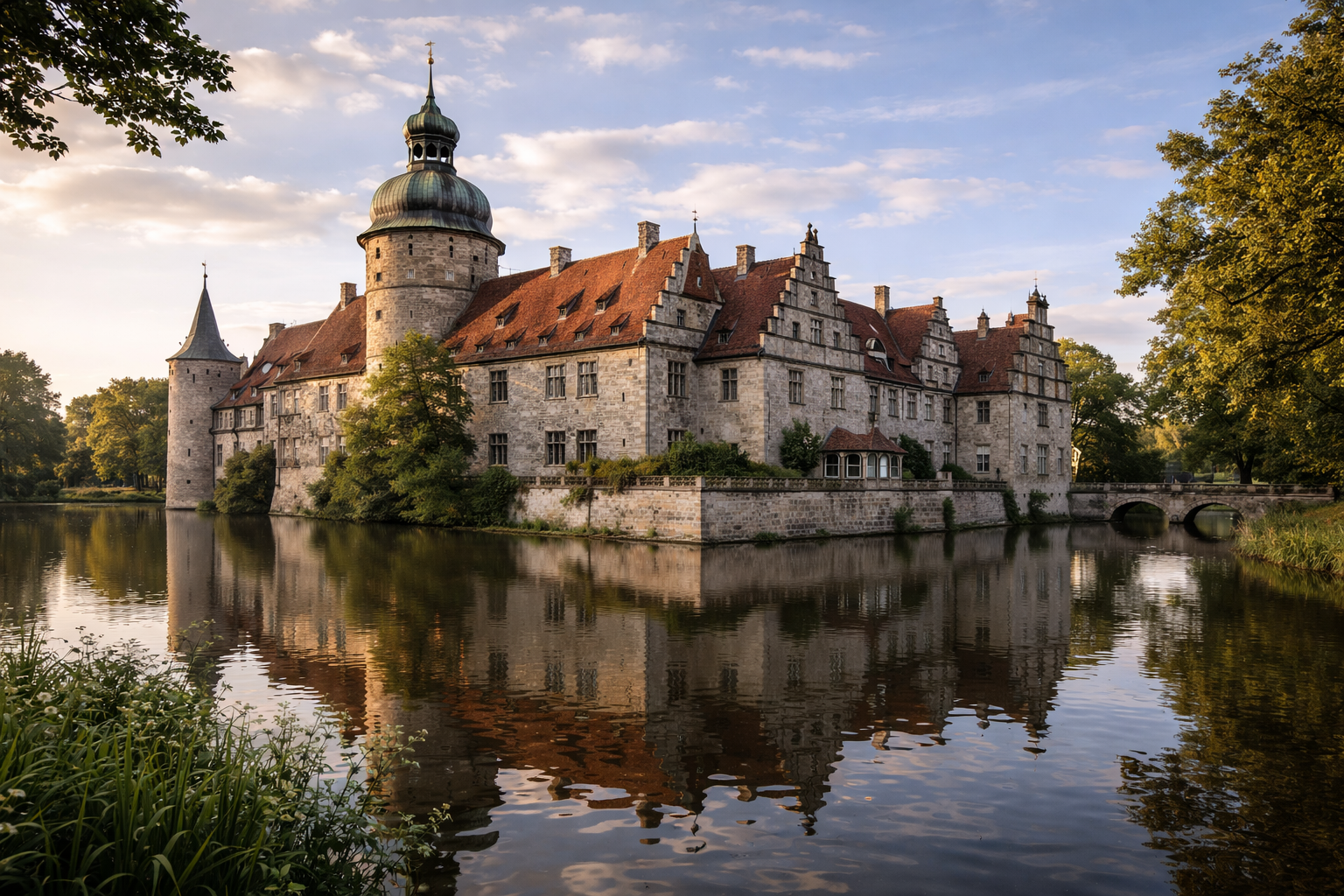
Schloss Burgsteinfurt and Kalkschlämme (German Smear) Traditional Masonry Protection
Schloss Burgsteinfurt (Burgsteinfurt Castle), the oldest moated castle in Westphalia first documented in 1129, represents enduring masonry architecture in northern Germany's temperate climate. Kalkschlämme (lime slurry), a traditional lime-based coating, aligns with regional conservation practices for protecting exposed facades. During renovations completed around 2013, a gray natural Kalkschlämme was applied to the facade after removing incompatible cement plaster, enhancing breathability and weather resistance.
Brick Masonry in Home Construction: Materials, Processes, and Mortar Considerations
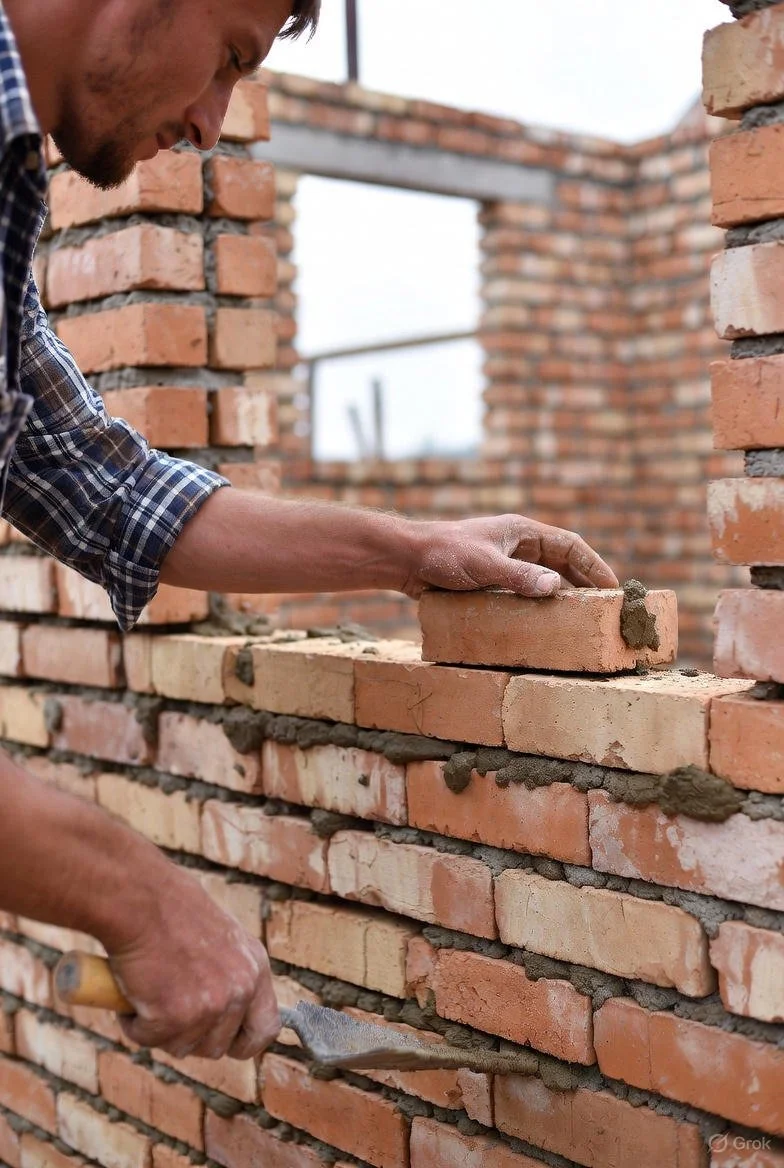
Brick homes rely on durable clay bricks bonded with mortar joints to form structural or veneer walls, providing strength, fire resistance, and thermal mass. Standard mortar joints are typically 3/8 inch (10 mm) thick to ensure load-bearing capacity and proper adhesion. In contrast, the German Smear technique uses a thin, uneven layer of mortar as a surface treatment for aesthetic purposes, distinct from the structural role of construction mortar.
Aesthetic and Architectural Impacts of German Smear on Brick Exteriors
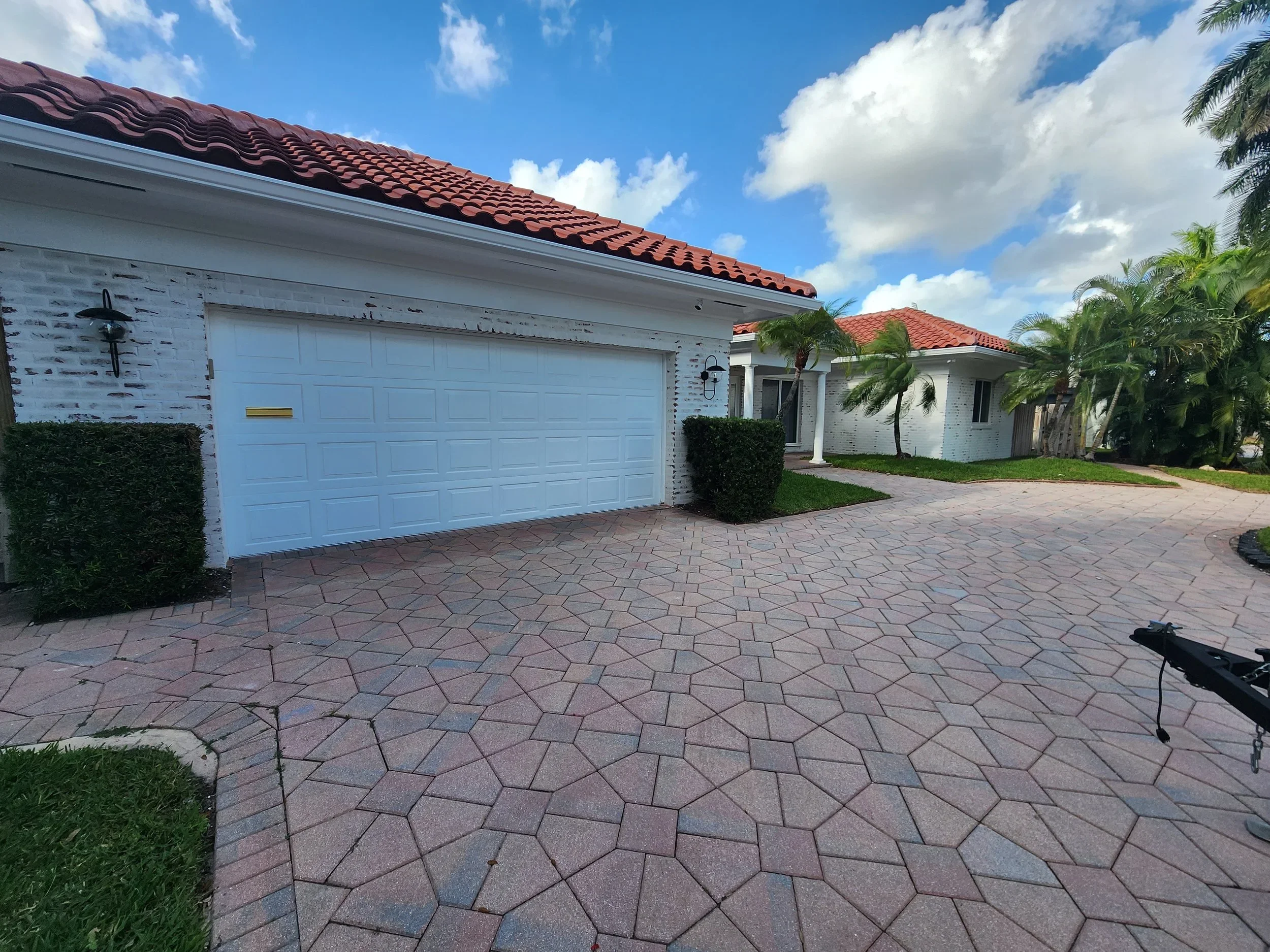
German smear, a historical mortar wash technique rooted in European building traditions, transforms brick surfaces by adding texture and a weathered appearance. This method enhances visual appeal by softening uniform brick lines and creating depth, potentially influencing buyer perceptions of curb appeal. Proper application is essential to achieve an intentional, artisanal look that holds up under close inspection.

Exploring German Smear Techniques: Mortars, Textures, Tools, and Artistic Applications
German Smear, a traditional brick finishing method originating from European building practices, involves applying a mortar wash to create an aged, irregular appearance on masonry surfaces. This technique emphasizes material composition and application methods to achieve varied textures and visual effects. Understanding its components and challenges provides insight into its role in architectural conservation and aesthetic enhancement.