

The Transition from Mineral-Based to Latex-Based Paints in Brick Treatments
Mineral-based paints, such as silicate formulations, have been used for centuries to protect and enhance brick surfaces while maintaining their natural breathability. In contrast, latex-based paints emerged in the post-World War II era as part of broader industrial innovations in synthetic polymers. This change matters from a historical and architectural perspective because it reflects evolving building technologies, yet it also underscores the risks of applying non-compatible materials to traditional masonry, potentially compromising long-term structural integrity and vapor permeability.
Historical Transition from Mineral to Latex Paints
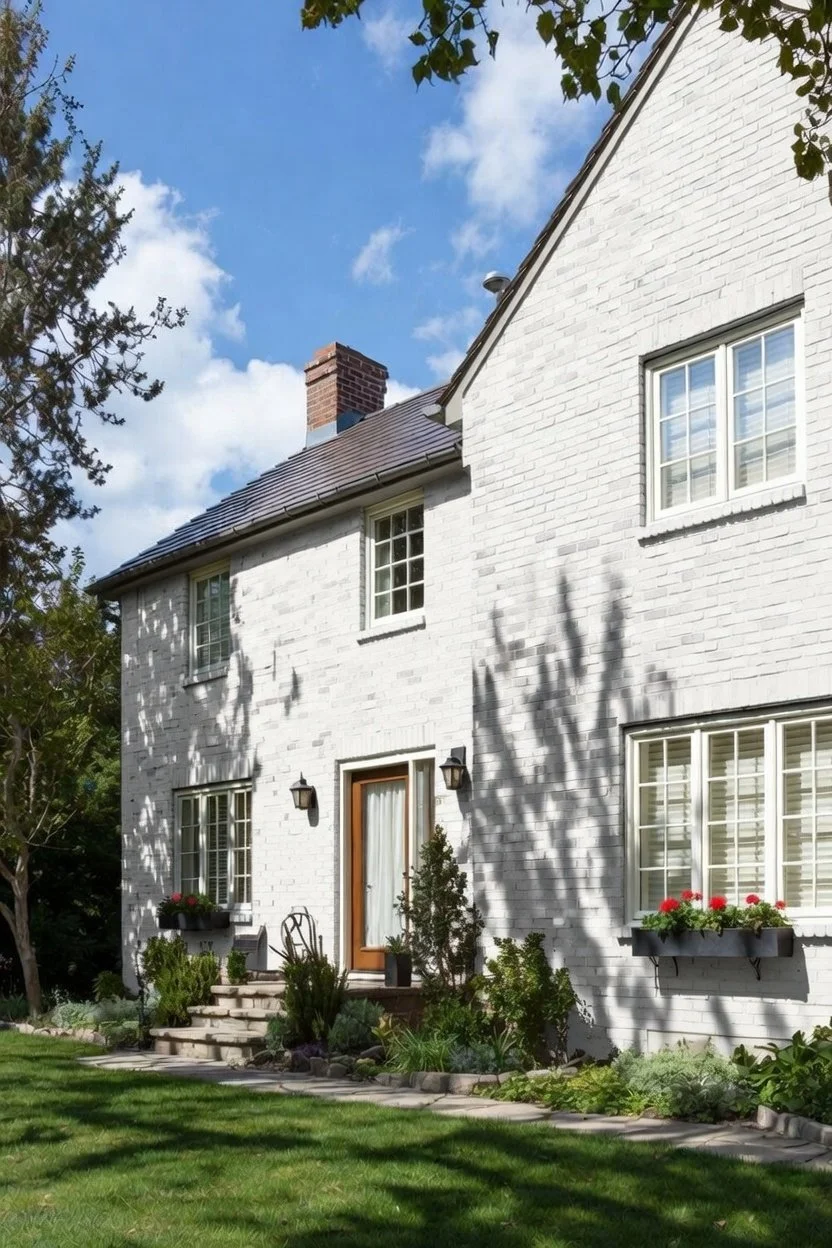
Mineral paints trace their origins to the late 19th century, with silicate-based formulas developed in 1878 by Adolf Wilhelm Keim to create durable, breathable coatings suitable for harsh climates like the Alps. These paints, derived from natural minerals, chemically bond with masonry surfaces, allowing moisture vapor to pass through while providing a soft, lime-like appearance. Historically, they were favored for historic preservation due to their compatibility with brick and stone, ensuring walls could "breathe" and remain dry.
The introduction of latex paints began in the 1940s with waterborne innovations like Sherwin-Williams' Kem-Tone in 1941, which used natural binders but transitioned to synthetic ones post-World War II. By the late 1940s, styrene-butadiene latex, repurposed from wartime synthetic rubber programs, became a key binder in products like Super Kem-Tone, marking the rise of fully synthetic latex paints. This evolution continued into the 1960s with acrylic latex formulations, which incorporated petroleum-derived resins for broader market appeal.
Reasons for the Shift to Latex Paints
The transition was influenced by several factors rooted in industrial and economic developments. Post-war chemical advancements allowed companies like Dow Chemical to adapt synthetic polymers for civilian use, leading to paints that were easier to produce and apply compared to traditional mineral options. Latex paints offered quicker drying times, better flexibility on non-porous surfaces, and lower production costs, making them attractive during the mid-20th-century construction boom.
From a material science viewpoint, latex formulations provided enhanced adhesion and resistance to cracking on certain substrates, though this came at the expense of vapor permeability when applied to brick. Climate considerations also played a role; in milder environments, latex's water resistance seemed advantageous, but in regions with freeze-thaw cycles, it often led to unintended consequences. Overall, the change reflected a move toward synthetic materials that prioritized convenience over long-term compatibility with traditional masonry.
Impact of Latex Paint on Brick Longevity
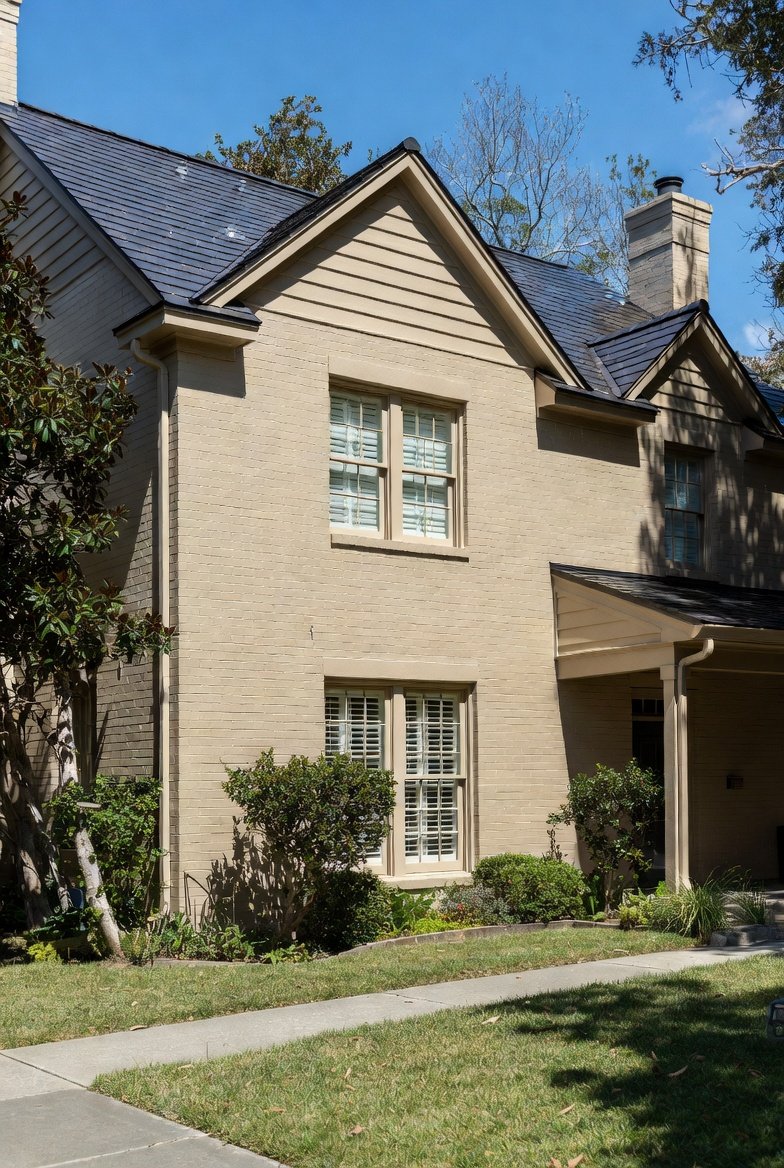
Latex paints, typically acrylic or vinyl-based, form a film on brick surfaces that reduces vapor permeability, trapping moisture within the masonry. This can accelerate degradation through processes like spalling, where freeze-thaw cycles cause the brick face to flake due to expanding ice. Efflorescence, the emergence of white salt deposits, also becomes more common as trapped water pushes minerals to the surface.
In terms of building science, brick's natural porosity allows it to absorb and release moisture, maintaining structural balance. Latex coatings disrupt this, potentially leading to mold growth, internal dampness, and erosion of the brick over time, shortening its lifespan compared to untreated or mineral-coated surfaces. Historical usage shows that in humid or cold climates, this effect is pronounced, with painted bricks requiring more frequent maintenance to mitigate damage.
Freeze-Thaw Behavior: Trapped moisture expands during freezing, causing cracks and delamination.
Adhesion Issues: Over time, the paint may peel, exposing weakened brick to further weathering.
Mortar Composition Impact: Latex can affect mortar joints, reducing overall wall integrity.
Breathable Alternative Finishes for Brick
To avoid the damage associated with latex paints, several traditional and modern breathable finishes preserve brick's lifespan while enhancing appearance. Mineral silicate paints, such as those from Keim or Romabio, chemically bond with brick, offering high vapor permeability (up to 85 perms) and durability without film formation. Limewash, a historical method using slaked lime, provides a soft, permeable layer that allows moisture escape and is commonly used in European traditions for its breathability.
German Smear, also known as mortar wash or Schmear, involves applying a thin mortar layer that bonds permanently, maintaining porosity while resisting fading and mold in various climates. Whitewash, similar to limewash but often simpler in composition, offers a budget-friendly, vapor-permeable option documented in early American and European architecture. These alternatives emphasize building science principles like adhesion through chemical reaction rather than surface coating.
Mineral Silicate Paints: High breathability, long-lasting, suitable for historic preservation.
Limewash: Natural, mold-resistant, allows for subtle color variations.
German Smear: Permanent bond, customizable tints, ideal for humid environments.
Brick Stains: Penetrate without sealing, preserving texture and permeability.
Conclusion
The move from mineral-based to latex-based paints represented technological progress but introduced risks to brick masonry by compromising breathability and accelerating potential damage like spalling and efflorescence. Recognizing these implications reinforces the value of compatible finishes in architectural conservation. Alternatives such as mineral paints, limewash, and German Smear provide educational insights into sustainable methods that honor historical traditions while extending material longevity.
Looking to DIY?
Checkout SmearTech’s Signature White™ Mortar and German Smear Tools.
