The Evolution of Stucco Through History
Stucco refers to a plaster-like material applied to building surfaces for protection, decoration, and structural enhancement, with roots in ancient construction traditions. Composed primarily of binders like lime or cement mixed with aggregates and water, it has been used across civilizations to create smooth, durable finishes on walls, ceilings, and sculptures. Historically and architecturally significant, stucco's evolution highlights human ingenuity in adapting natural materials to environmental challenges, such as moisture management and freeze-thaw cycles, while fostering aesthetic expression in building design. Its breathable nature and vapor permeability have made it a staple in regions with varying climates, influencing modern conservation efforts in historical architecture.
Evolution of Materials Used in Stucco
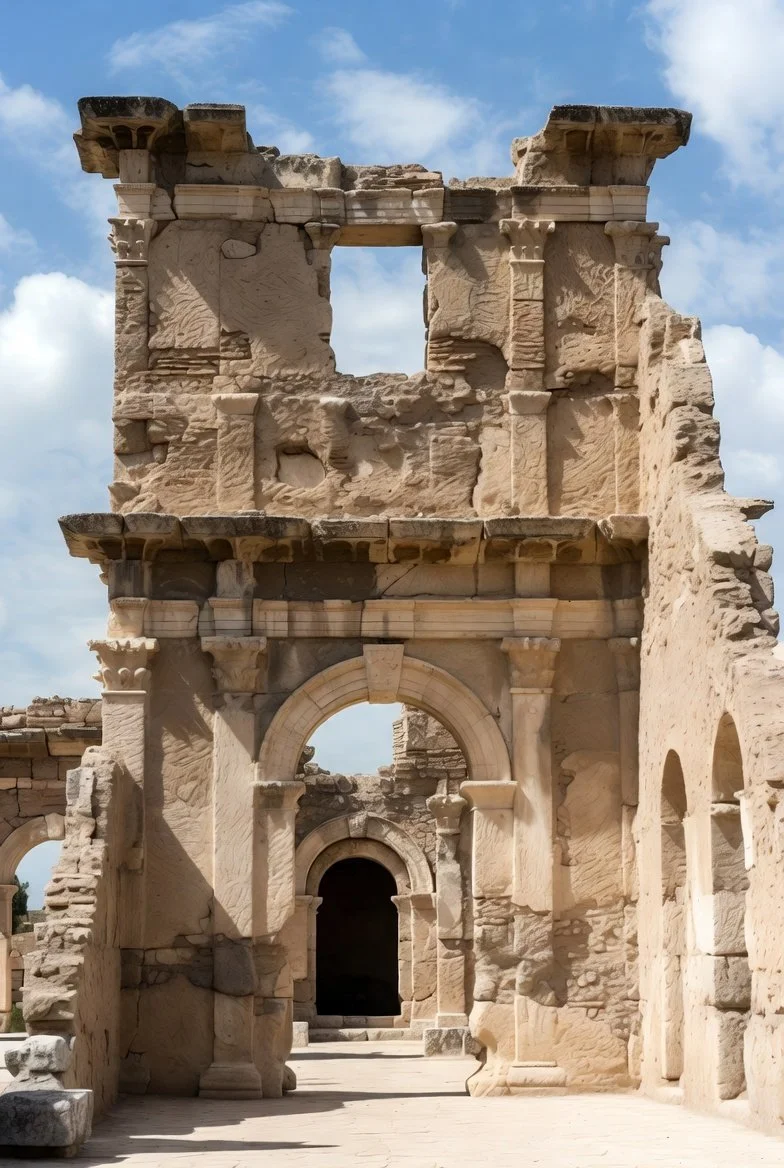
Stucco's material composition has undergone significant changes over millennia, driven by discoveries in binders, aggregates, and additives that enhanced its performance in adhesion, durability, and weather resistance.
Early formulations, documented in ancient Egypt, Greece, and Rome, relied on lime derived from heated limestone, mixed with sand and water to form a basic paste. This lime-based stucco allowed for breathability, enabling vapor to pass through walls without trapping moisture, a key building-science principle that prevented structural decay in humid environments.
In ancient Rome, around the 1st century BCE, the addition of pozzolana—a volcanic ash—created hydraulic properties, allowing the mixture to set underwater or in damp conditions and improving resistance to freeze-thaw cycles. This innovation marked a shift toward more resilient materials, suitable for large-scale architecture in variable climates.
During the Middle Ages in Europe, stucco mixtures incorporated organic additives like beer, animal hair, eggs, or straw to improve adhesion and flexibility, addressing material behavior in colder, wetter regions. These enhancements helped the plaster bond better to substrates, reducing cracking from thermal expansion.
By the 19th century, the invention of Portland cement in 1824 revolutionized stucco, replacing or supplementing lime for greater strength and faster setting times. Modern stucco often combines Portland cement, lime, sand, and sometimes polymers for improved elasticity, making it adaptable to contemporary construction while maintaining vapor permeability in well-designed applications.
Key Material Transitions:
Ancient: Lime, sand, water—focused on basic coverage and breathability.
Roman Era: Addition of pozzolana for hydraulic setting and enhanced durability.
Medieval: Organic additives like hair or beer for better adhesion and crack resistance.
Industrial Age: Portland cement for increased strength and weatherproofing.
Contemporary: Polymers and fibers for flexibility in freeze-thaw prone areas.
Cultures That Advanced Stucco Techniques
Various cultures contributed to stucco's development, but the ancient Romans are commonly regarded as having made the most substantial improvements through material innovation and widespread application in monumental architecture.
Ancient Greeks applied stucco to temple walls as early as 1400 BCE, using it for smooth interiors and exteriors that supported fresco paintings, emphasizing its role in artistic expression. Egyptians and Mesopotamians also used early forms for tombs and palaces, focusing on protective coatings in arid climates.
The Romans advanced stucco significantly by incorporating pozzolana, which improved vapor permeability and resistance to environmental stresses, enabling its use in baths, villas, and tombs across diverse climates. This allowed for intricate low-relief modeling and durable exteriors, influencing building science principles like moisture management.
During the Renaissance, Italians refined decorative techniques, such as polished finishes mimicking marble, spreading these methods throughout Europe and enhancing architectural ornamentation. Islamic cultures in North Africa and Spain developed elaborate stucco reliefs with geometric patterns, adapting it to hot, dry conditions.
Cultural Contributions:
Greeks: Early application for temple decoration and fresco bases.
Romans: Hydraulic additives for durability and large-scale use.
Italians (Renaissance): Polished, ornamental refinements.
Islamic: Intricate reliefs suited to arid climates.
Impact of Stucco on Building Construction

Stucco's integration into construction practices revolutionized building design by providing a versatile, protective layer that enhanced durability, insulation, and aesthetics, though it introduced challenges related to moisture if not properly managed.
In ancient and medieval architecture, stucco allowed for smoother, more decorative surfaces over rough stone or brick, enabling complex ornamentation and improving weather resistance in exposed structures. Its breathability supported vapor diffusion, reducing condensation issues in walls, a critical factor in climates with high humidity or temperature fluctuations.
The material's fire resistance and impact durability made it ideal for urban construction, while its soundproofing qualities buffered external noise, benefiting densely populated areas. Thermally, stucco's mass provided insulation, helping regulate indoor temperatures and reducing energy needs in both hot and cold regions.
However, stucco's porosity can lead to moisture retention if applied without adequate drainage or barriers, potentially causing structural damage like rot or mold in modern wood-frame buildings. This has influenced contemporary building codes to emphasize proper installation for long-term performance.
Construction Changes:
Enabled decorative exteriors over basic substrates.
Improved weatherproofing and freeze-thaw resistance.
Enhanced thermal and acoustic insulation.
Introduced moisture management considerations in design.
Divergence of German Smear and Stucco as Finishes
German Smear and stucco share historical roots in European lime-based mortars and plasters, but they diverged as distinct finishes due to differences in application, purpose, and substrate focus.
Both techniques originated from ancient and medieval European building traditions, where lime mortars provided breathable, adherent coatings for masonry. Commonly used in Germany and Italy, these materials emphasized vapor permeability and adhesion to brick or stone, aligning with climate considerations in temperate regions.
Stucco evolved into a multi-layer plaster system applied over lath or masonry for full coverage, creating smooth or textured exteriors, as seen in Roman and Renaissance architecture. It became a comprehensive finish for walls, focusing on protection and decoration.
German Smear, likely derived from irregular mortar joints in old German cottages and castles, involves applying thin mortar to existing brick and wiping it partially away, highlighting brick texture while providing a distressed, aged look. This surface treatment diverged by emphasizing partial coverage and mechanical bonding into brick pores, rather than complete obscuration.
The separation occurred as architectural needs specialized: stucco for new or full renovations, German Smear for enhancing existing brick without altering its breathable nature.
Key Distinctions:
Shared Roots: Lime mortars for breathability and adhesion.
Stucco: Full, layered plaster for smooth finishes.
German Smear: Partial mortar application on brick for textured, rustic appearance.
Divergence Factors: Application method and substrate integration.
Conclusion
Stucco's journey from ancient lime plasters to cement-augmented mixtures underscores its adaptability in addressing building-science challenges like durability and moisture control. Roman innovations laid foundational improvements, while its broader impact enabled resilient, insulated structures across climates. The distinction from German Smear highlights how similar materials evolved into specialized finishes, preserving historical European traditions in modern architecture.
Looking to DIY?
Checkout SmearTech’s Signature White™ Mortar and German Smear Tools.