


The Resurgence of German Smear in the United States
German Smear, a mortar wash technique rooted in European masonry traditions, has seen increased application in American architecture during the early 21st century. Modern formulations incorporate pre-mixed mortars and polymer additives, diverging from traditional site-mixed recipes. These adaptations enhance workability and adhesion on contemporary brick while preserving breathability and vapor permeability.
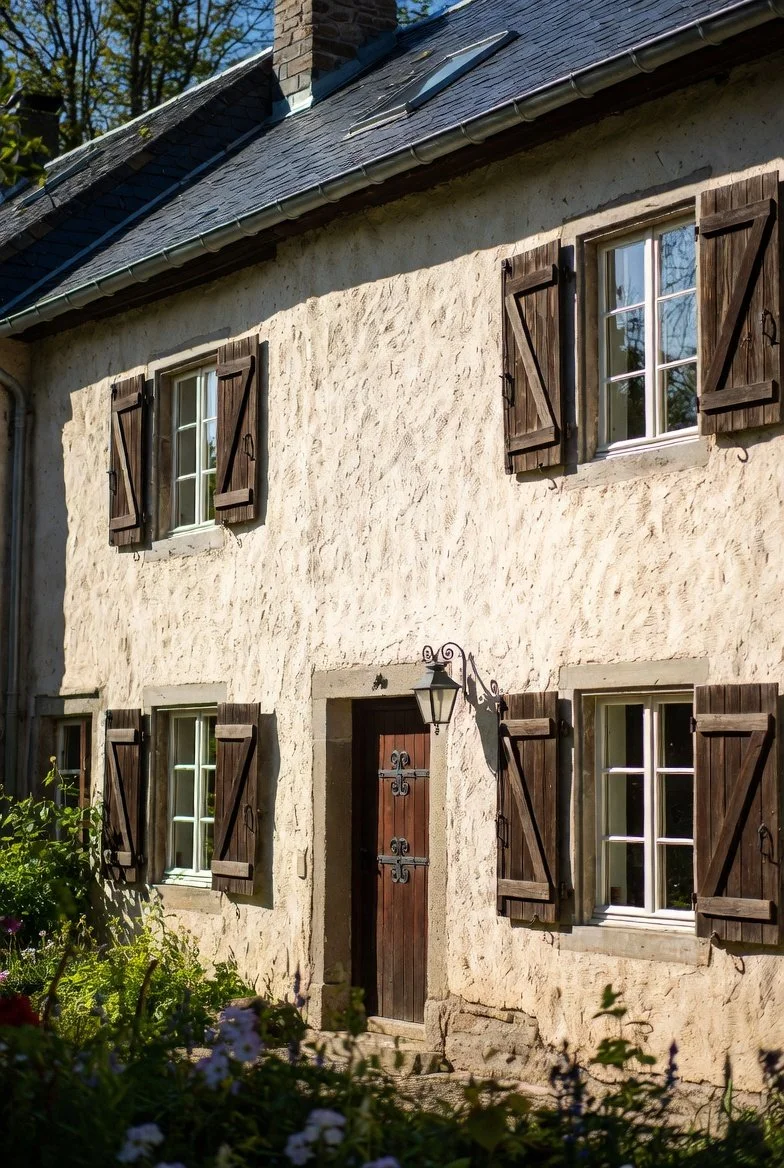
German Smear: A Centuries-Old Technique Rediscovered in Contemporary Building Practices
German Smear, a mortar-based finishing method, traces its origins to European masonry traditions dating back centuries, where it served both aesthetic and functional roles in protecting brick and stone structures. Today, this technique is being rediscovered for its ability to infuse modern homes with an authentic old-world European aesthetic while maintaining the breathability essential to masonry durability. By applying a thin layer of mortar and partially removing it, German Smear creates irregular textures that blend seamlessly with historical architectural elements.

German Smear and Protection Against Freeze-Thaw Cycles
German smear, a traditional mortar wash technique, utilizes lime-based materials that enhance the durability of brick structures in regions prone to temperature fluctuations. This method protects against freeze-thaw damage by promoting moisture evaporation through high vapor permeability, preventing water accumulation within the masonry. On a molecular level, the structure of slaked lime in the mortar forms a porous network that allows water vapor to diffuse outward even as the material solidifies.
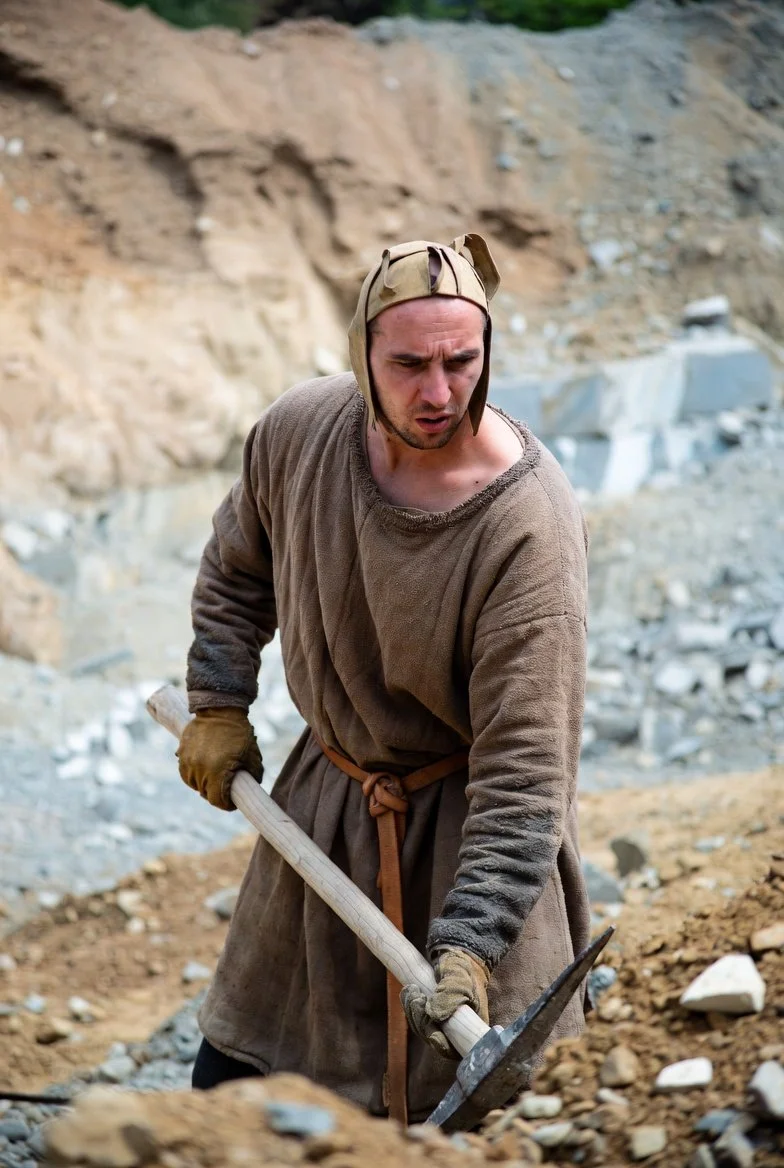
The Craftsmen Behind German Smear: Origins and Material Practices
German Smear, a traditional masonry technique involving the application of mortar to brick or stone surfaces, emerged from centuries-old European building practices, particularly in Germany. Craftsmen discovered the benefits of lime in enhancing breathability and providing protection against environmental damage through practical application in construction. This method, rooted in medieval traditions, involved sourcing and processing local materials like lime and sand to create durable, textured finishes.
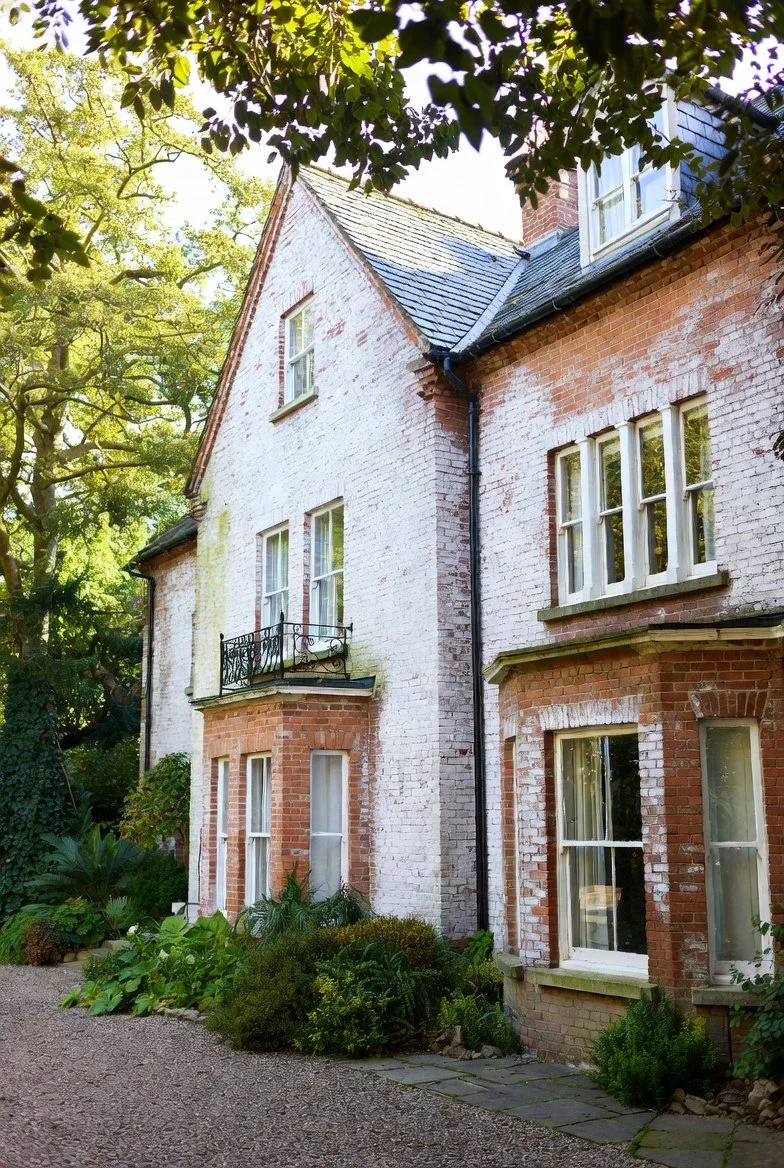
Comparing German Smear Brick Finishes to Untreated Brick: Aesthetic and Building Science Perspectives
German smear, a traditional mortar-wash technique applied to brick surfaces, creates a distinct aged appearance compared to the uniform look of untreated brick. This method, rooted in European building practices, alters both the visual character and material properties of masonry. By examining aesthetic differences, potential impacts on property visibility, and building science aspects, readers can gain insight into how such treatments influence architectural outcomes.

Chemical Composition of Brick Paint vs. Mortar in German Smear: Breathability, Efflorescence, and Moisture Trapping Explained
Modern exterior masonry paints contain acrylic or vinyl polymers that form an impermeable film over brick, trapping moisture and often triggering efflorescence. In contrast, the mortar used in authentic German Smear is primarily lime-based or lime-dominant, remaining highly vapor-permeable throughout its service life. This fundamental difference in chemical composition explains why painted brick frequently spalls and stains while German Schmear allows brick to breathe naturally.

Paint Versus German Smear on Brick Surfaces
German Smear offers a high upfront investment but minimal ongoing expenses due to its durability, while paint incurs repeated costs from deterioration over time. This comparison examines the scientific principles behind paint's degradation, particularly on high-use areas like fireplaces, and highlights German Smear's low-maintenance superiority. Understanding these factors aids in appreciating historical brick treatments rooted in breathable, long-lasting methods.
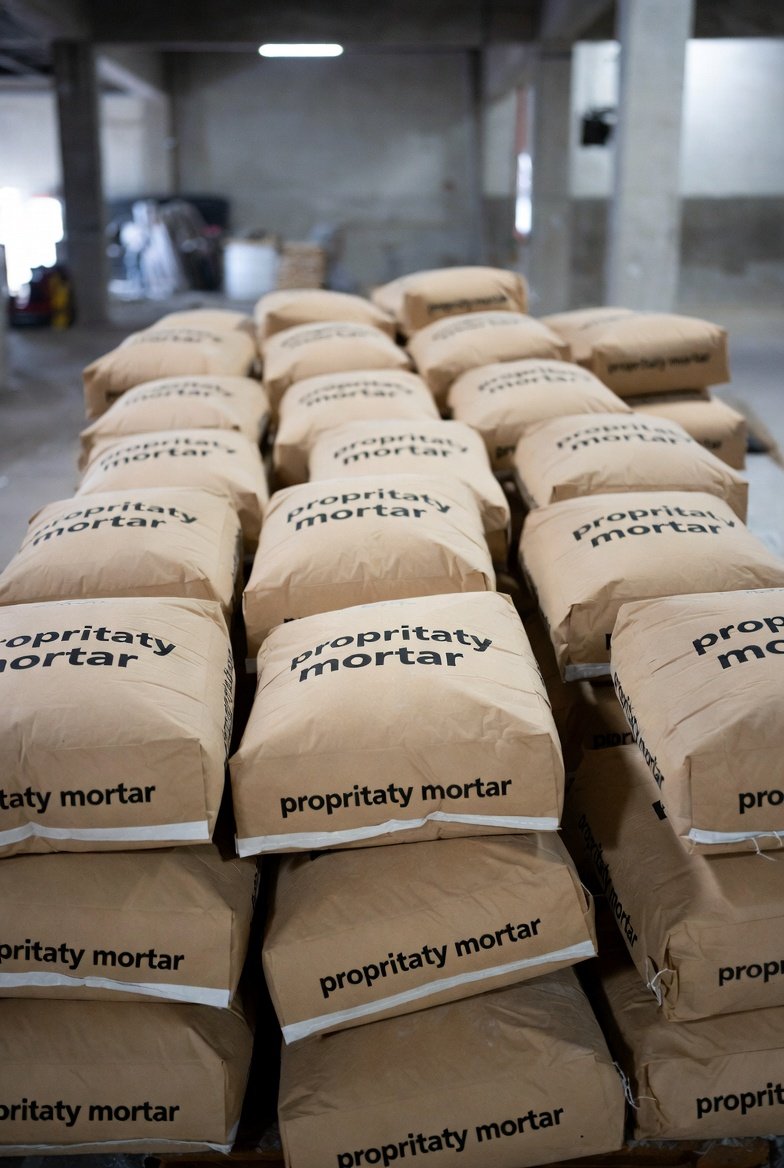
Understanding the Factors Influencing German Smear Application
German Smear, a time-honored brick treatment method, involves spreading a thin layer of mortar over brick surfaces to create a textured, aged appearance that enhances architectural character. The process is influenced by variables such as mortar thickness and structural height, which affect both material use and labor demands. This educational overview details the physical labor involved, including handling mortar weights, and explains the role of specialized mortar blends in achieving authentic results.