

German Smear in the Restoration of Historic Masonry Buildings
German Smear, known historically as Schmear or related to terms like Kalkschlämme, is the application of a thin mortar slurry over brick, partially wiped to expose underlying surfaces. This method holds relevance in architectural conservation due to its origins in traditional European building techniques, where it served to protect exposed masonry in variable climates. For historic buildings, understanding its material compatibility is essential to maintaining structural integrity and breathability during restoration efforts.
Historical Context in European Masonry Traditions
Mortar wash techniques similar to German Smear have been employed in European architecture, particularly in Germany and surrounding regions, where thin lime-based coatings were applied to brick and stone for weather resistance.
Functional origins: Commonly used throughout rural and vernacular structures to create a protective, sacrificial coating that eroded over time, sparing the structural masonry.
Documented applications: Likely derived from medieval and later periods, providing insulation and moisture management in continental climates.
Architectural role: Contributed to the characteristic textured appearance of older European buildings, blending protection with aesthetic aging.
In restoration contexts, these traditions inform compatible interventions that prioritize reversible, breathable treatments over irreversible alterations.
Compatibility with Historic Restoration Principles
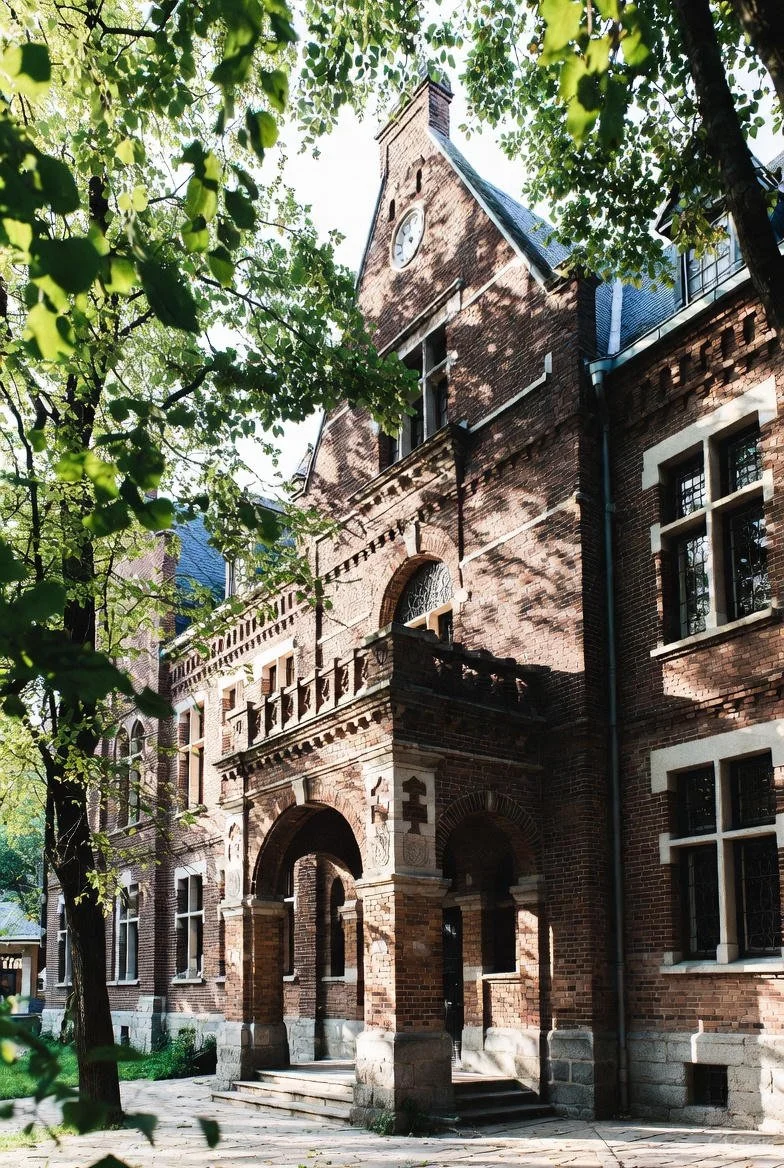
Although German Smear modifies the visual uniformity of brickwork, it aligns with restoration when executed with traditional materials, functioning as a low-impact protective layer.
Building-science considerations include:
Sacrificial protection: The coating weathers preferentially, preserving original brick.
Breathability maintenance: Allows moisture vapor transmission, reducing risks in older masonry.
Material matching: Uses formulations akin to historic mortars, avoiding modern incompatibilities.
Distinctions from other treatments:
Limewash: Thin, absorbent lime coating with high permeability but no added texture.
Whitewash: Often temporary, paint-based or simple lime, prone to flaking.
Painted brick: Opaque, impermeable layers that can trap moisture and accelerate deterioration.
German Smear provides textured adhesion while retaining partial exposure of historic fabric.
Necessity of Lime-Based Mortar in Historic Applications
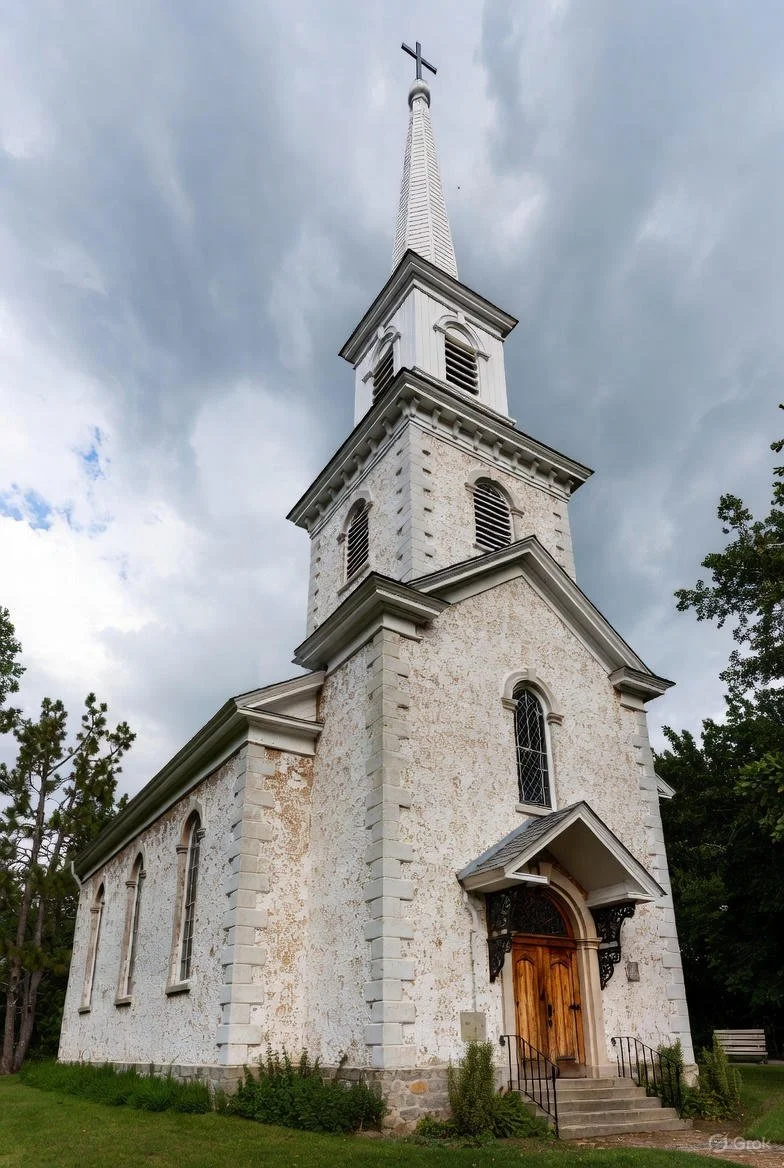
Restoration of historic masonry requires lime-based mortars, such as natural hydraulic lime (NHL) or lime putty mixtures, for German Smear.
Key building-science principles:
Vapor permeability: Facilitates moisture escape, critical in freeze-thaw cycles to prevent spalling.
Flexibility: Accommodates movement in older structures, reducing stress on soft bricks.
Sacrificial nature: Erodes before damaging irreplaceable historic units.
Historical compatibility: Mirrors pre-20th-century compositions, unlike Portland cement mixes.
Portland cement-dominant formulations are incompatible due to higher rigidity and lower permeability, potentially leading to cracking and substrate failure in historic contexts.
Role of Low Tensile Strength Mortar in Masonry Longevity
In historic brick restoration, mortar tensile and compressive strength must be lower than that of the brick units.
Essential factors:
Movement accommodation: Soft historic bricks undergo thermal and moisture expansion; low-strength mortar flexes without concentrating stress.
Sacrificial failure: Deterioration occurs in joints first, allowing repair without loss of original brick.
Damage prevention: High-strength mortars transfer forces, causing fractures in softer fired bricks.
Porosity benefits: Maintains vapor flow and resists internal pressure during freeze-thaw.
Excessive tensile strength contravenes conservation guidelines by risking irreversible harm to historic fabric.
Conclusion
German Smear draws from European mortar wash traditions, offering a protective treatment that enhances masonry performance when using lime-based, low-strength formulations. In historic restoration, it supports longevity through breathable, flexible coatings that respect original materials. Prioritizing vapor permeability and sacrificial behavior ensures alignment with documented practices for preserving aging brickwork.
Looking to DIY?
Checkout SmearTech’s Signature White™ Mortar and German Smear Tools.
