

The Impact of Altitude on Mortar Adhesion in German Smear Applications
German Smear, also known as Schmear or mortar wash, is a historical brick and stone finishing technique originating from European traditions, particularly in regions like Germany where lime-based mortars were applied to enhance weather resistance and aesthetic appeal on masonry surfaces. This method involves spreading a thin layer of mortar over brick or stone to create a textured, aged appearance while maintaining the substrate's breathability. Altitude affects mortar adhesion by influencing atmospheric pressure, temperature, and humidity, which in turn impact the chemical and physical processes during curing. From an architectural standpoint, recognizing these effects is crucial for conserving structures in varied elevations, ensuring that applications respect building science principles like vapor permeability and prevent issues such as delamination in diverse climates.
Understanding Mortar Adhesion in German Smear
Mortar adhesion refers to the bond strength between the applied mortar layer and the substrate, relying on mechanical interlocking, chemical reactions, and surface preparation. In German Smear, typically using lime-based or cement-lime hybrid mortars, adhesion is achieved through the mortar's penetration into the porous surfaces of brick or stone. Historical records from 18th- and 19th-century European masonry practices document the use of such techniques on load-bearing walls, where proper adhesion was essential for structural integrity and moisture management.
Building science highlights that adhesion depends on factors like substrate porosity, mortar consistency, and environmental conditions during application and curing. At sea level, standard atmospheric pressure allows for controlled water evaporation, promoting hydration reactions in cementitious materials. However, as altitude increases, these dynamics shift, potentially compromising the bond if not accounted for architecturally.
Key Adhesion Mechanisms:
Mechanical bonding: Mortar fills pores and irregularities in brick or stone.
Chemical bonding: Hydration products form crystalline structures that interlock with the substrate.
Vapor permeability: Allows moisture to escape, preventing trapped water from weakening the bond over time.
Altitude's Influence on Environmental Factors Affecting Adhesion
Higher altitudes introduce lower atmospheric pressure, which accelerates water evaporation from wet mortar, potentially leading to incomplete hydration and reduced adhesion strength. Documented in building science literature, this rapid drying can cause shrinkage cracks, especially in lime mortars used in German Smear, which cure slowly through carbonation. Additionally, temperatures often drop with elevation—approximately 3.6°F per 1,000 feet—slowing chemical reactions and extending curing times, while increased UV exposure can degrade organic components in some mortar mixes.
From a historical perspective, European builders in alpine regions, such as the Alps, adapted mortar recipes with higher lime content to improve flexibility and adhesion under these conditions. Climate considerations are vital: in arid high-altitude areas, low humidity exacerbates evaporation, whereas in humid zones, it may mitigate some effects but introduce freeze-thaw risks if temperatures fluctuate.
Specific Altitude-Related Challenges:
Reduced boiling point of water: At elevations above 5,000 feet, water evaporates faster, risking weak bonds.
Oxygen scarcity: Slightly impacts oxidation in lime mortars, potentially slowing carbonation.
Thermal expansion differences: Altitude-induced temperature swings can cause differential movement between mortar and substrate, leading to debonding.
Application on Brick Substrates
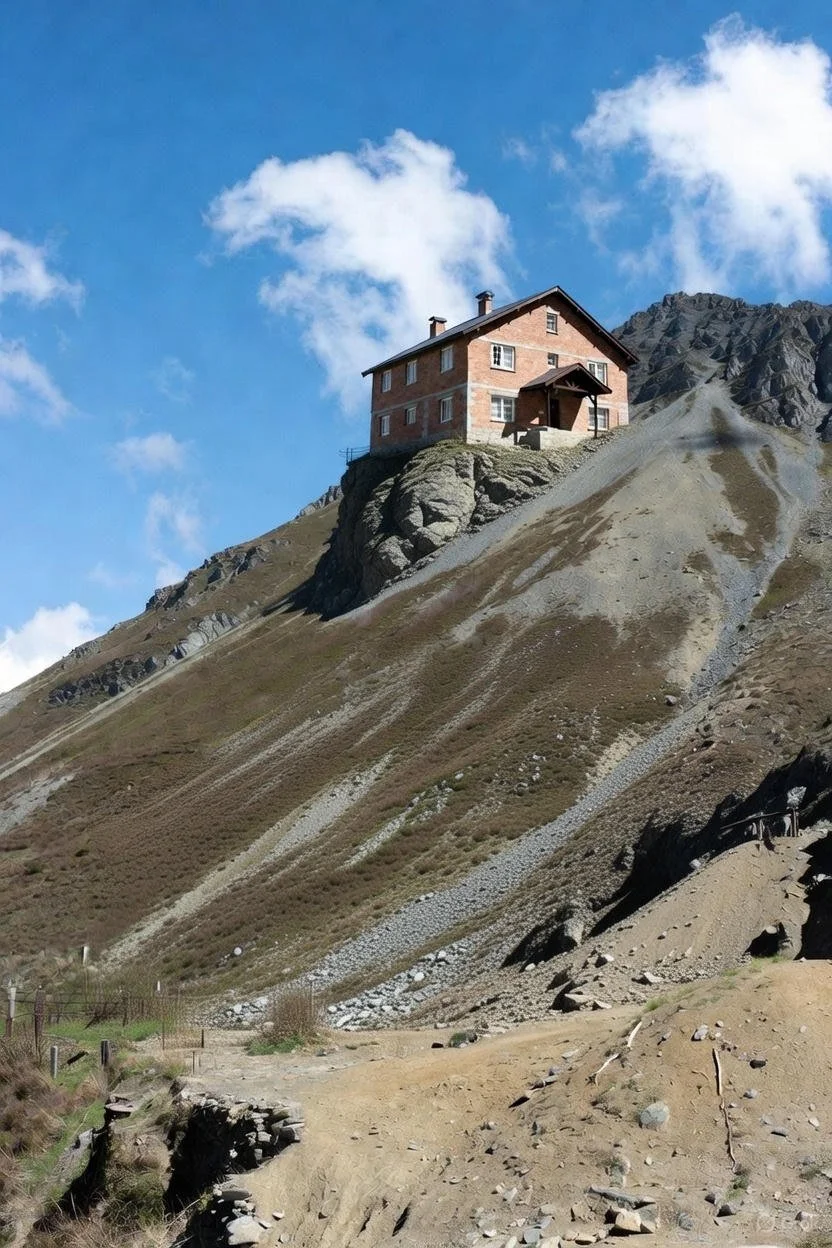
Brick, a fired clay material with high porosity, is the most common substrate for German Smear, as seen in historical German and English architecture where it was used on facades for both protection and decoration. Mortar adheres well to brick due to its absorbent surface, but altitude affects this by altering moisture retention during application. In high-elevation projects, builders must adjust water content in the mortar mix to prevent premature drying, ensuring the smear layer bonds without cracking.
Architecturally, brick's vapor permeability aligns with German Smear's breathable nature, allowing moisture to migrate outward. However, in colder high-altitude climates, freeze-thaw cycles—where water expands upon freezing—can stress the adhesion if the mortar isn't sufficiently elastic. Historical adaptations include using natural pozzolans in mortars for enhanced durability, as documented in 19th-century treatises on masonry.
Brick-Specific Considerations:
Porosity levels: Higher porosity aids initial adhesion but requires controlled curing at altitude.
Material behavior: Brick expands minimally with temperature changes, reducing stress on mortar bonds.
Climate adaptations: In elevations over 7,000 feet, extended misting during curing helps maintain hydration.
Application on Stone Substrates
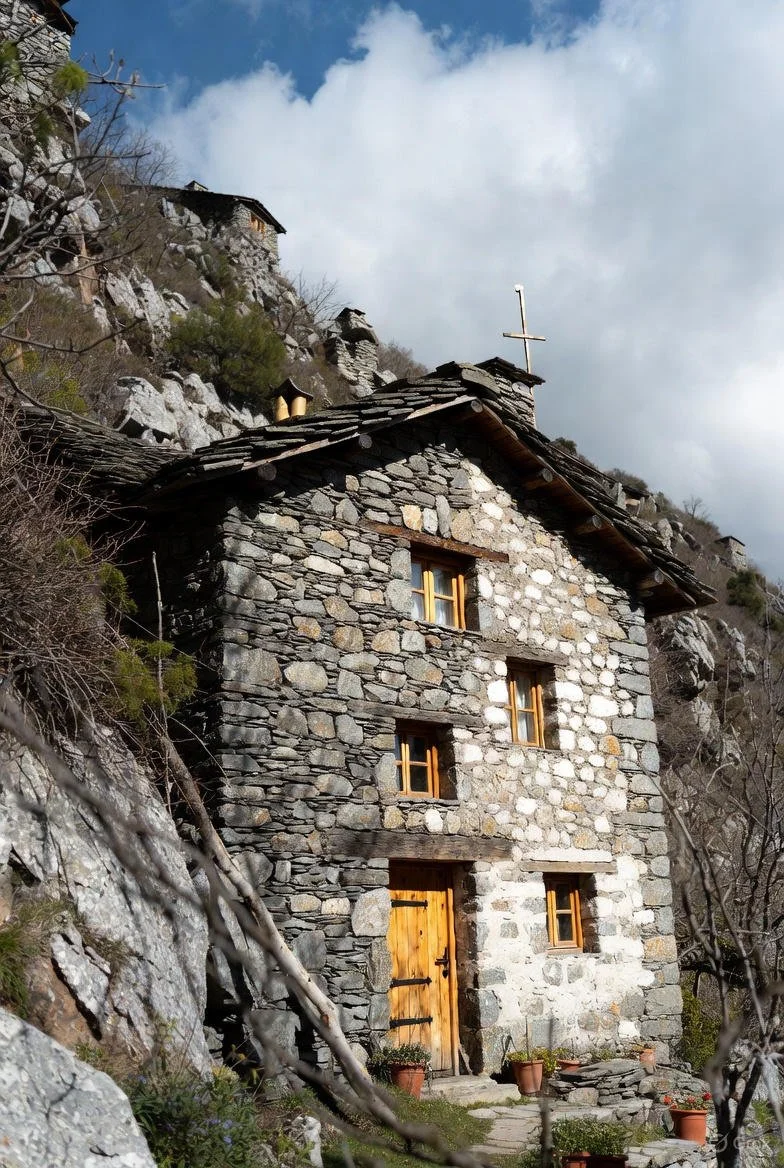
Stone, including varieties like sandstone or limestone, has been used in German Smear-like techniques in European traditions, particularly in regions with quarried masonry such as France and Italy. Unlike brick, stone's variable porosity and density can make adhesion more challenging, as smoother surfaces demand thorough etching or roughening for mechanical grip. Altitude exacerbates this by influencing mortar's workability; lower pressure can cause the mix to stiffen quickly, reducing penetration into stone pores.
In architectural conservation, stone's natural durability benefits from mortar washes that enhance weather resistance without sealing the surface, preserving breathability. Building science notes that in high-altitude areas, stone's thermal mass helps buffer temperature swings, but increased wind speeds can accelerate drying, potentially leading to efflorescence if salts migrate improperly. Historical usage in mountainous areas involved lime-rich mortars for better compatibility with stone's mineral composition.
Stone-Specific Considerations:
Surface preparation: Etching is crucial for adhesion, especially at altitudes where rapid drying limits bonding time.
Material behavior: Denser stones like granite resist adhesion more than porous ones like limestone.
Climate adaptations: In subalpine regions, adding retarders to mortar mixes counters fast evaporation.
Distinctions from Related Techniques
German Smear differs from limewash—a thinner, paint-like application of slaked lime—and whitewash, which uses chalk or lime with additives for opacity but lacks mortar's textural depth. Painted brick, by contrast, seals the surface, reducing breathability and risking moisture entrapment. Altitude affects all these, but German Smear's thicker layer demands stronger adhesion to withstand environmental stresses, emphasizing the need for permeable materials in historical restorations.
Conclusion
Altitude significantly influences mortar adhesion in German Smear by altering evaporation, temperature, and curing dynamics, with implications for substrates like brick and stone that require careful material selection and application techniques. Historical European practices demonstrate adaptations to these challenges, underscoring the importance of building science in maintaining architectural integrity. By prioritizing breathability and compatibility, such methods continue to inform conservation efforts across varied elevations.
Looking to DIY?
Checkout SmearTech’s Signature White™ Mortar and German Smear Tools.
