

DIY German Smear: Essential Nuances and Challenges
German Smear, also known as Schmear or mortar wash, is a masonry finishing method where a thin layer of mortar is applied to brick surfaces and partially removed to create an irregular, textured look that mimics weathered stonework. Documented in European building traditions, particularly from Germany and England, this technique has been used for centuries to restore and enhance brick exteriors, providing both visual appeal and functional benefits like improved weather resistance. From a historical and architectural perspective, it matters because it preserves the breathable nature of brick while allowing for creative expression in design, making it relevant for conserving older structures or updating modern ones with a timeless charm.
Historical Background
German Smear traces its origins to medieval European masonry practices, commonly used in Northern Germany and surrounding regions to consolidate deteriorating brick joints and stabilize walls. Likely derived from practical repair methods in the 19th century and earlier, it evolved as a way to achieve a distressed, cottage-like aesthetic on solid brick constructions.
This approach reflects broader architectural traditions where lime-based mortars were employed for their compatibility with brick, ensuring long-term durability without trapping moisture. In historical contexts, it was applied to farmhouses, castles, and urban buildings to blend repairs seamlessly, highlighting the technique's role in architectural conservation.
Materials and Basic Preparation
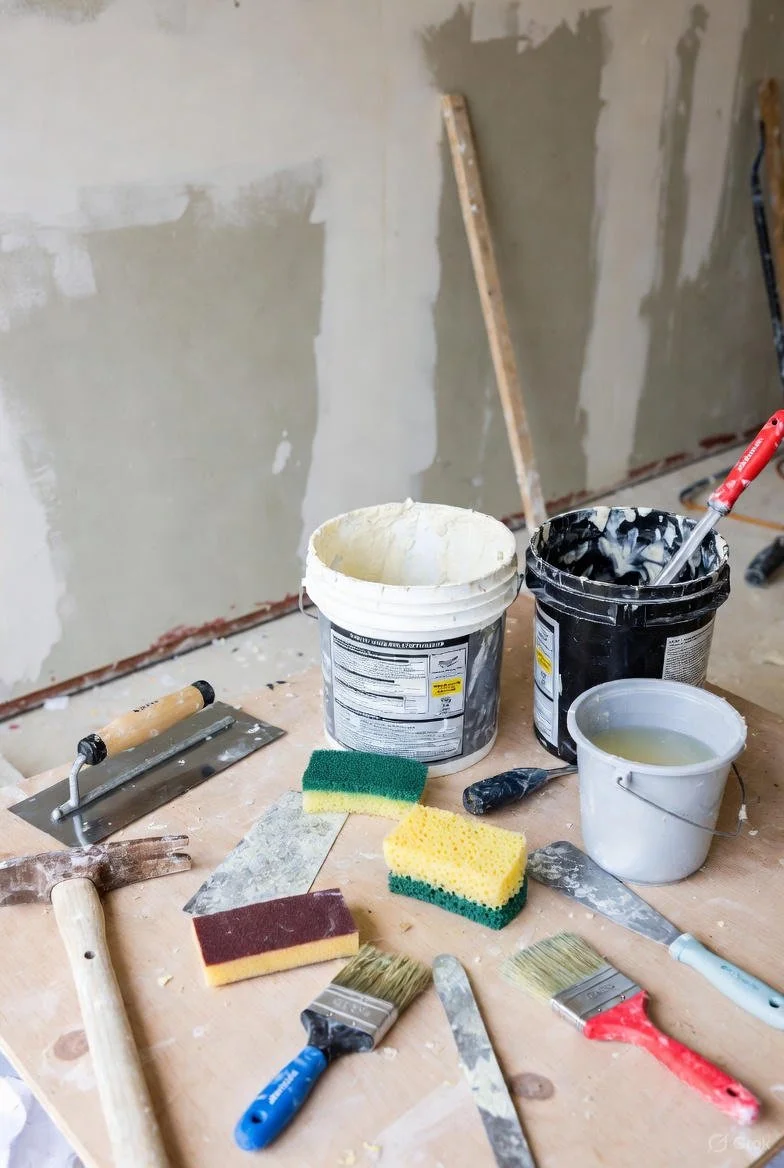
The core material for German Smear is mortar, typically a premixed blend of Portland cement, lime, sand, and water, though traditional versions emphasize lime for better vapor permeability. Modern applications often use surface bonding cement with fiberglass strands for added strength.
Preparation involves gathering tools such as buckets, a mixing paddle, trowels, sponges, rags, and protective gear. The mortar is mixed to a consistency resembling thick pancake batter or honey—approximately a 70% mortar to 30% water ratio—allowing it to adhere without excessive dripping.
Clean the brick surface thoroughly to remove dirt, moss, or loose debris.
Dampen the area with water to prevent rapid drying and improve adhesion.
Work in small sections, about 5 square feet at a time, to maintain control over the application.
The Application Process
Applying German Smear begins with spreading the mortar over the brick using a trowel, sponge, or even gloved hands, focusing on filling joints and lightly coating the brick faces. Excess mortar is then wiped or scraped off before it fully sets, adjusting the coverage from light (revealing more brick) to heavy (creating thicker, uneven layers).
The process requires working from top to bottom to avoid drips, and it can take several days for larger projects like a full house exterior. While the technique is straightforward and accessible to anyone with patience, it involves iterative adjustments to achieve the desired texture.
Start with a thin layer for better control, adding more as needed.
Use stiff brushes or tools to refine patterns in the mortar.
Allow partial drying between sections to evaluate the overall look.
Physical Demands of the Project

German Smear is a physically demanding endeavor, particularly for exteriors involving multi-story homes. Mixing and transporting mortar requires lifting hundreds of pounds over the course of the project, as a single bag can weigh 50-80 pounds, and multiple batches are often needed.
Climbing ladders repeatedly while carrying tools and wet mortar increases the strain on muscles and joints, raising the risk of fatigue or injury. For a two-story house, this can involve hours of overhead work, balancing on scaffolding, and repetitive motions that test endurance.
Break the project into manageable daily sessions to avoid overexertion.
Use mechanical aids like wheelbarrows for moving materials.
Consider the scale: A small fireplace might take a few hours, while a full facade could span days or weeks.
Safety Considerations
Wet mortar is highly alkaline with a pH of 12-13, making it caustic and capable of causing skin irritation, rashes, or severe chemical burns upon prolonged contact. Its abrasive and hygroscopic properties draw moisture from the skin, exacerbating damage if not addressed promptly.
To mitigate risks, always wear impermeable gloves, long sleeves, eye protection, and boots. If mortar contacts skin, rinse immediately with water and seek medical attention for persistent issues.
Avoid trapping wet mortar under clothing, as this can lead to hidden burns.
Work in well-ventilated areas to minimize inhalation of dust.
Note that even brief exposure can result in dermatitis, with symptoms like redness, blistering, or discoloration.
Achieving Consistency and Aesthetic Appeal
Consistency in application is crucial for a visually pleasing result, as it ensures the home looks cohesive from both afar and up close. Inconsistent patterning—such as uneven mortar thickness or patchy coverage—may appear acceptable from a distance but can look blotchy or unappealing upon closer inspection.
While masonry experts handle mortar daily and understand its behavior, they may lack an artistic eye for subtle patterning, leading to mechanical rather than expressive results. Anyone can develop this skill through practice, focusing on balanced distribution to highlight brick textures naturally.
Test small areas first to refine technique and coverage level.
Step back periodically to assess uniformity.
Consider climate: Warmer, drier conditions accelerate setting, affecting workability.
Distinctions from Other Brick Treatments
German Smear differs from limewash, whitewash, and painted brick in composition and performance. Limewash uses slaked lime for a breathable, matte finish that weathers naturally, while whitewash is a simpler lime-water mix, often less durable.
Painted brick seals the surface, potentially reducing vapor permeability and leading to moisture issues in freeze-thaw cycles. German Smear, with its mortar base, maintains breathability similar to the original brick, promoting adhesion and long-term stability without trapping humidity.
Limewash emphasizes subtlety and can be reapplied easily.
Whitewash is inexpensive but may require frequent maintenance.
Painted finishes offer color variety but risk peeling in harsh climates.
Conclusion
German Smear provides an approachable method for enhancing brick surfaces with a historical, rustic flair, accessible to anyone willing to invest time and effort. Key insights include the importance of material compatibility for breathability, the physical and safety challenges inherent in application, and the value of consistent technique for aesthetic success. By respecting these nuances, this technique can effectively bridge traditional masonry principles with modern architectural needs.
Looking to DIY?
Checkout SmearTech’s Signature White™ Mortar and German Smear Tools.
