

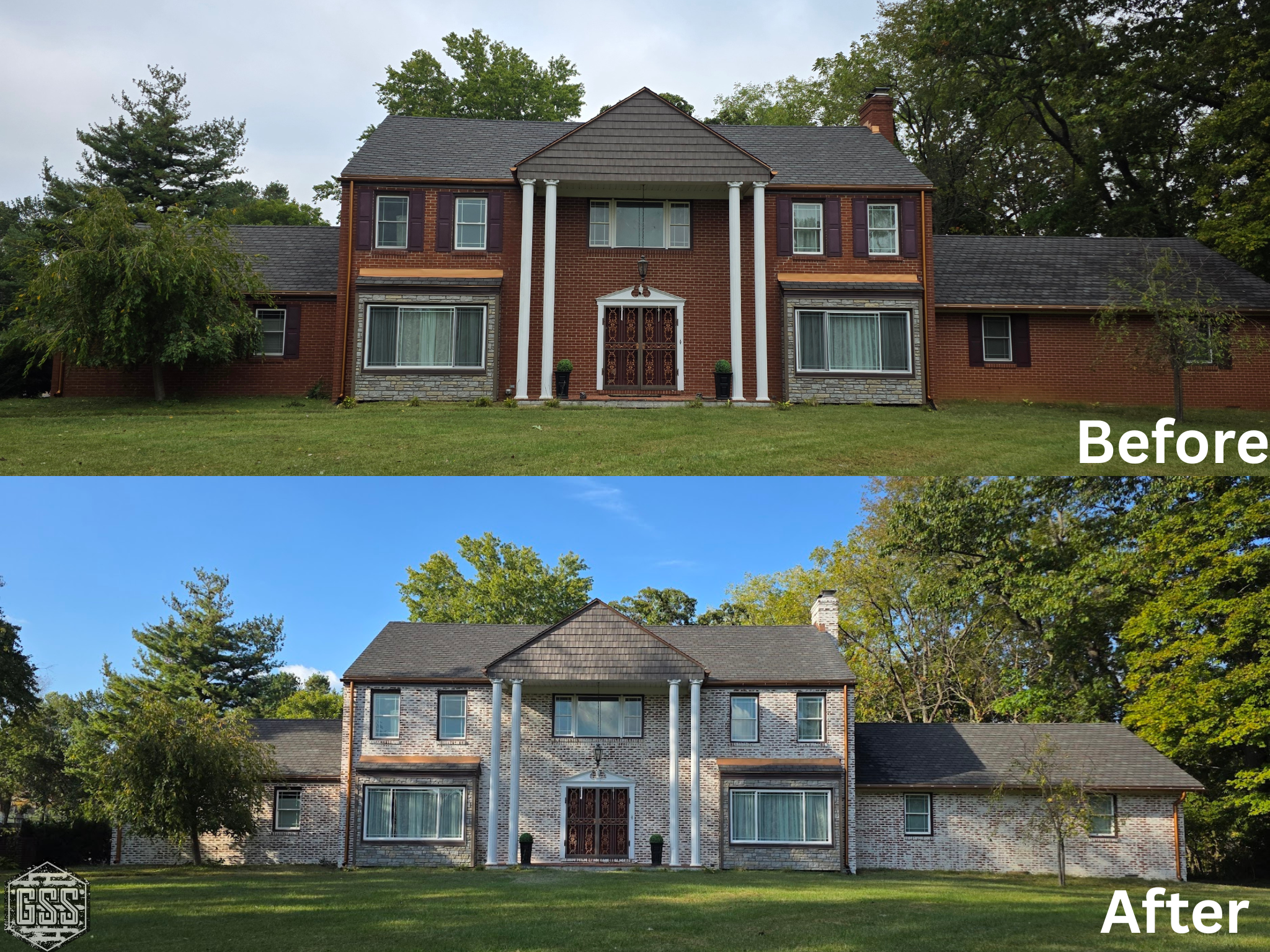
Blending Repaired Brick Sections with German Smear
German smear is a mortar-based finishing technique that can seamlessly integrate repaired or added brick sections into an existing home's facade by creating a uniform, distressed appearance. This method addresses visual discrepancies in color, texture, and age between original and replacement bricks, drawing from long-established European masonry practices. It offers an educational lens into how traditional building methods can resolve modern repair challenges while maintaining architectural cohesion.

German Smear in the Restoration of Historic Masonry Buildings
German Smear, a traditional mortar wash technique with roots in European masonry practices, involves applying a lime-based slurry to brick surfaces for protection against weathering. Documented in northern European architecture, it provided a sacrificial layer that enhanced durability while allowing vapor permeability. In historic building restoration, its use with compatible lime mortars supports conservation by reinforcing aging brickwork without introducing rigid materials that could cause damage.

Exploring German Smear Techniques: Mortars, Textures, Tools, and Artistic Applications
German Smear, a traditional brick finishing method originating from European building practices, involves applying a mortar wash to create an aged, irregular appearance on masonry surfaces. This technique emphasizes material composition and application methods to achieve varied textures and visual effects. Understanding its components and challenges provides insight into its role in architectural conservation and aesthetic enhancement.
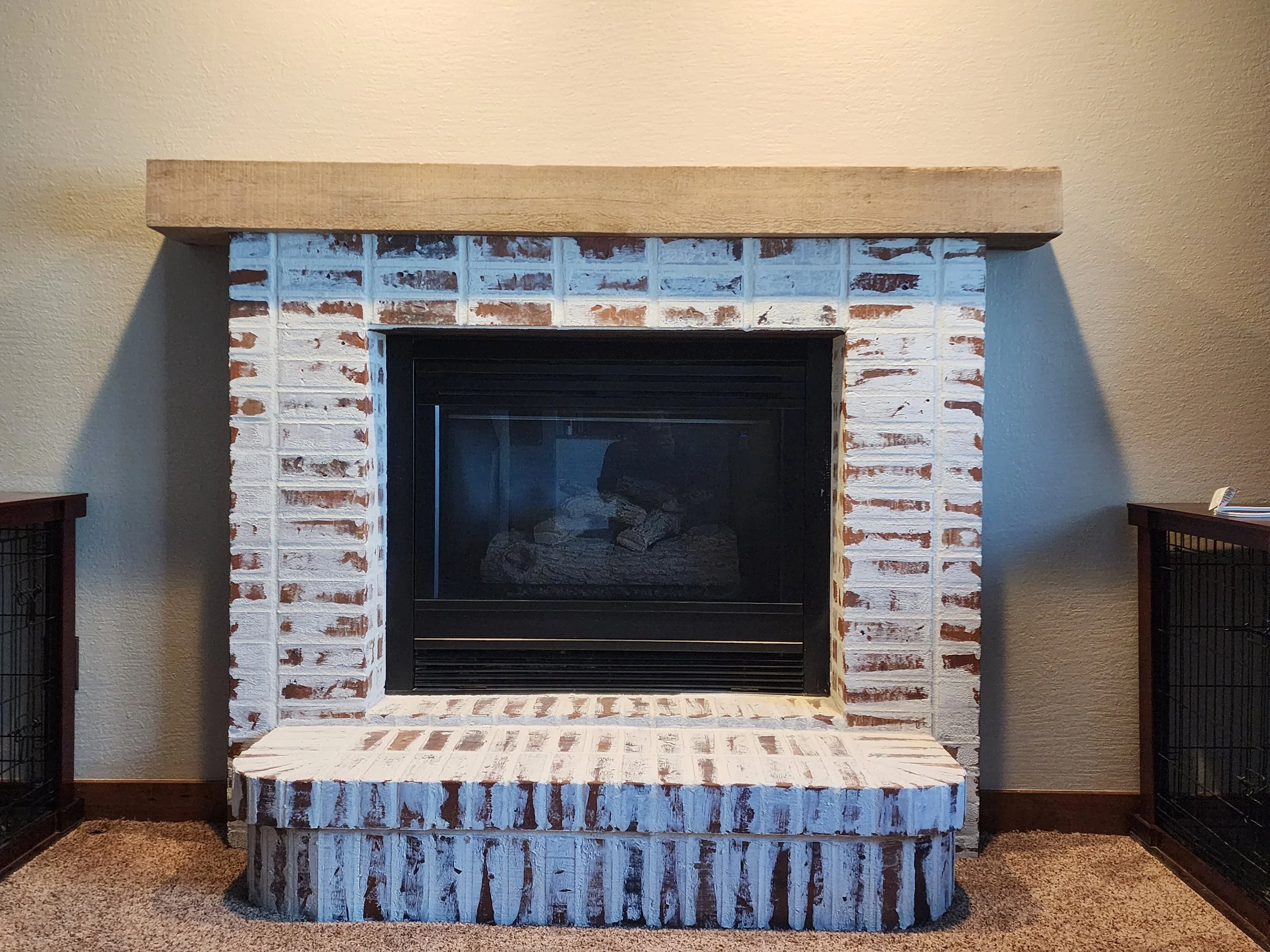
German Smear Versus Painting for Indoor Fireplaces: A Technical and Aesthetic Comparison
Interior brick fireplaces can be refreshed either by applying a traditional German smear or by painting the brick. While both approaches lighten and modernize the appearance, they differ fundamentally in texture, breathability, permanence, and long-term behavior. Understanding these differences allows homeowners and designers to select the method that best aligns with the fireplace’s material properties and the desired aesthetic outcome.
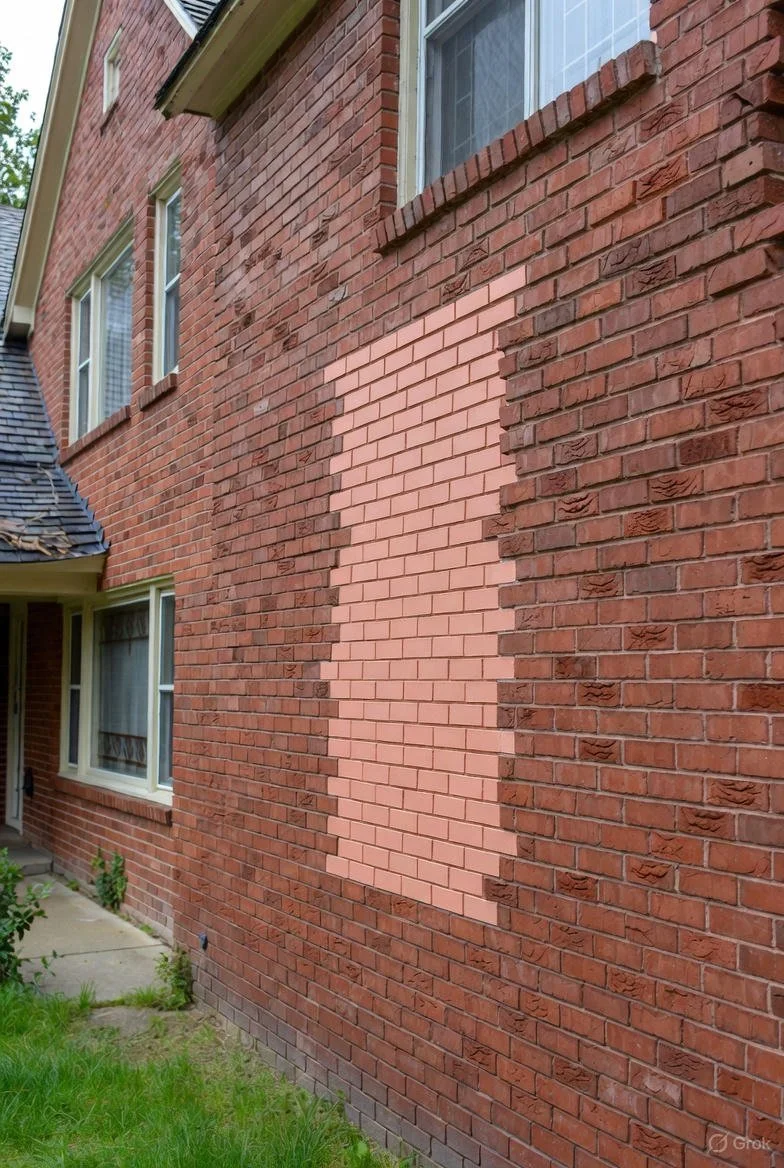
Five Reasons you may need German Smear on your home
German Smear originated as a functional repair method in Central European masonry practice, used to consolidate deteriorating joints, stabilize mismatched repairs, and restore weather resistance to solid brick walls. The technique applies a thin, vapor-permeable lime-mortar veil that mechanically locks into the existing substrate. The following five conditions represent historically documented scenarios where masons employed the method specifically for integrity rather than appearance.
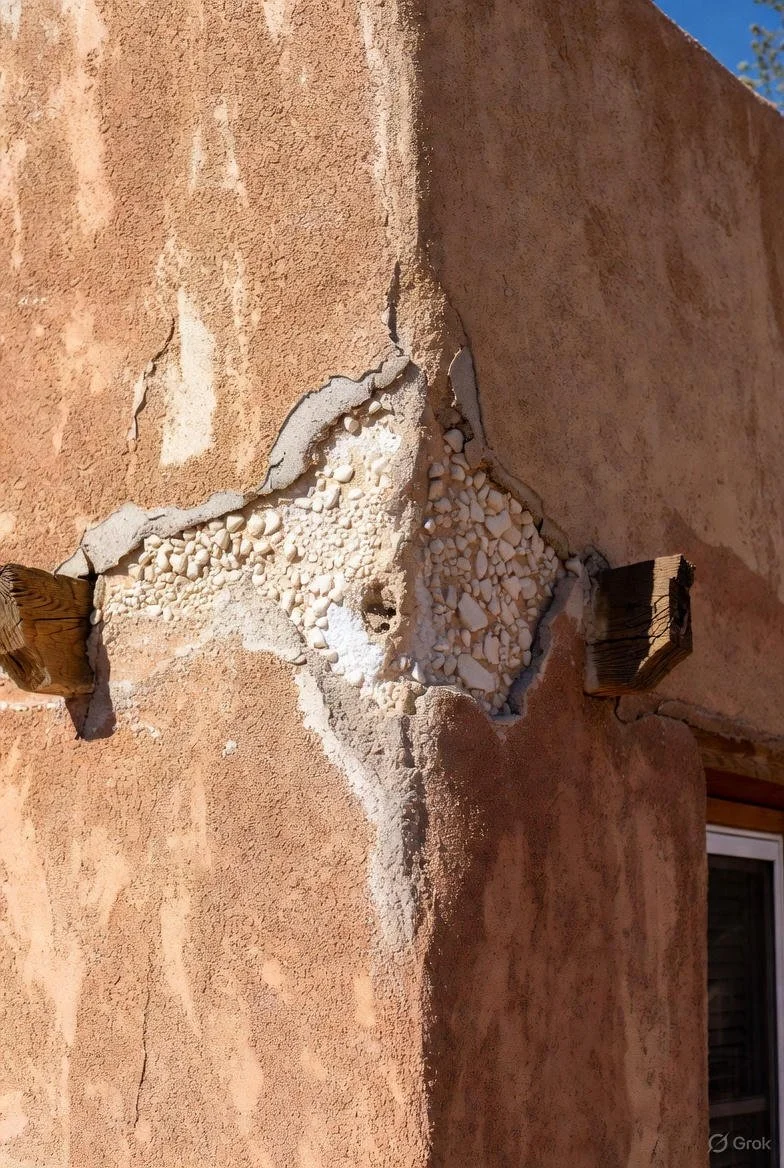
Integral Pigmentation in Stucco: Avoiding Surface Paint for Material Integrity
Stucco functions as a breathable cladding system that manages moisture through vapor diffusion. Surface paint creates an impermeable barrier leading to trapped moisture and structural stress, whereas integral pigmentation incorporates color throughout the mix without altering permeability. Documented in early 20th-century Southwestern architecture, this method supports long-term durability and aligns with stucco's traditional performance characteristics.

Why Painting Your Brick Is a Mistake—and How German Smear Is the Smarter Choice
Tired of your home’s dated brick exterior and thinking about slapping on a fresh coat of paint? Hold that thought—painting your brick could lead to costly issues down the road.

Choosing the Right Finish for Your Brick: Limewash vs. German Smear
Ever stared at your home's brick exterior and thought, "This could use a refresh that boosts curb appeal without sacrificing functionality?" You're not alone—many homeowners are exploring timeless techniques to elevate their spaces. Enter limewash and German Smear, two popular options that give brick that charming, aged European vibe. But what's the real difference, and which one could save you on energy bills while making your home the envy of the neighborhood? As experts at German Smear Specialist, we've helped countless clients navigate these choices, and we're here to break it down for you in a way that's smart, straightforward, and tailored to your needs. By the end, you'll see why understanding these distinctions can lead to a more beautiful, efficient home.
German Smear vs Tuckpointing: A Smart Solution for Aging and Damaged Brick
German Smear and tuckpointing are two powerful solutions for aging or damaged brick. Learn how German Smear offers a cost-effective, aesthetic, and structurally sound alternative that integrates repair and restoration into a single process—especially for historic homes.