

The Destructive Effects of Paint on Brick Homes and Breathable Alternatives
Brick has been a fundamental building material for centuries, valued for its durability, thermal mass, and natural ability to manage moisture through porosity. Applying modern paints to brick disrupts these inherent properties, often leading to accelerated degradation that can shorten a structure's lifespan. From a historical and architectural perspective, understanding paint's impact underscores the importance of compatible treatments in preserving masonry, drawing on long-established European practices that prioritize breathability over impermeability.
The Scale of Paint-Induced Damage to Brick Homes
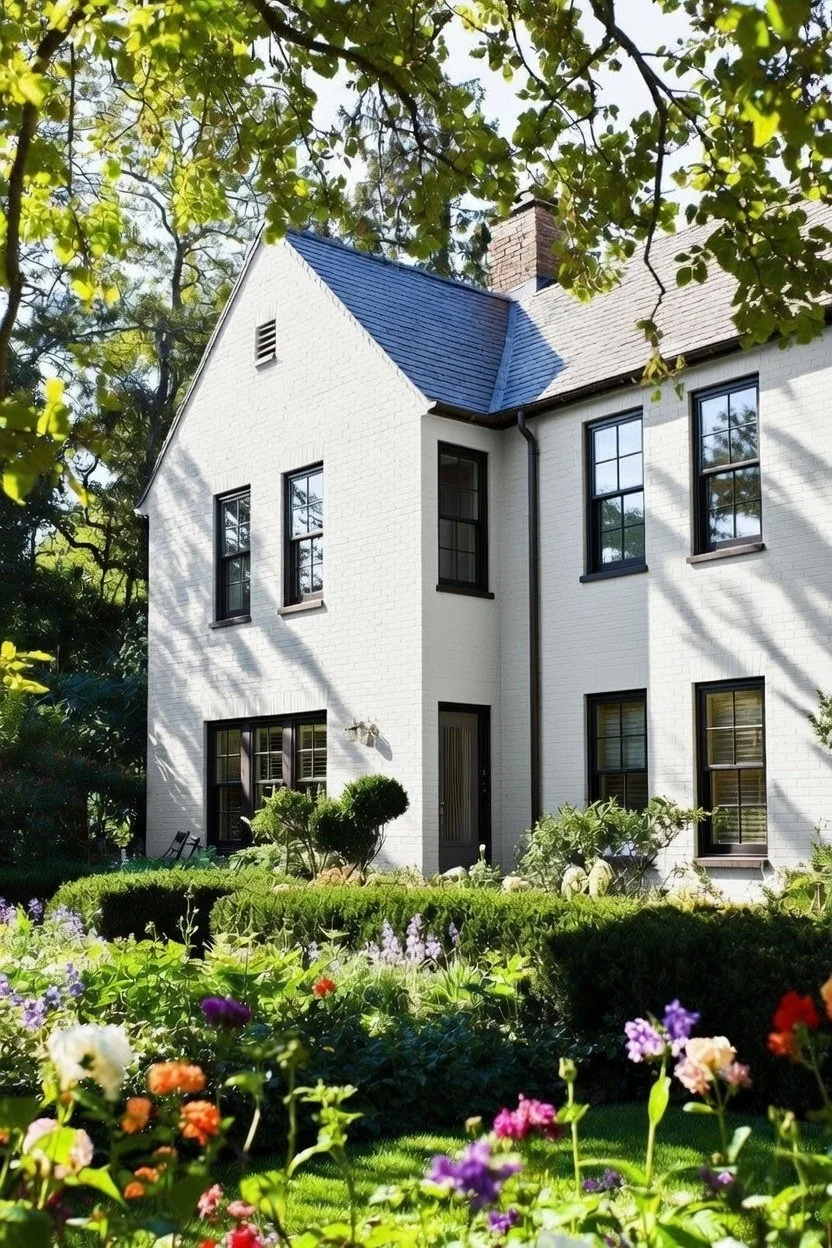
Quantifying the exact number of brick homes damaged by paint since the widespread adoption of synthetic coatings in the mid-20th century remains challenging due to a lack of centralized records. Preservation organizations, such as those affiliated with national heritage bodies, report anecdotal evidence from restoration projects indicating thousands of structures affected annually in the United States alone, with higher incidences in humid or freeze-thaw prone areas.
Damage often manifests years after application, complicating direct attribution.
Historic districts frequently document cases where painted brick requires facade rebuilding, contributing to cultural heritage losses.
Building science studies from the late 20th century onward link impermeable paints to increased repair needs in older masonry homes.
This issue gained prominence as acrylic and latex paints became common post-World War II, replacing earlier breathable options and ignoring brick's vapor-permeable nature.
Mechanisms of Paint Damage on Brick
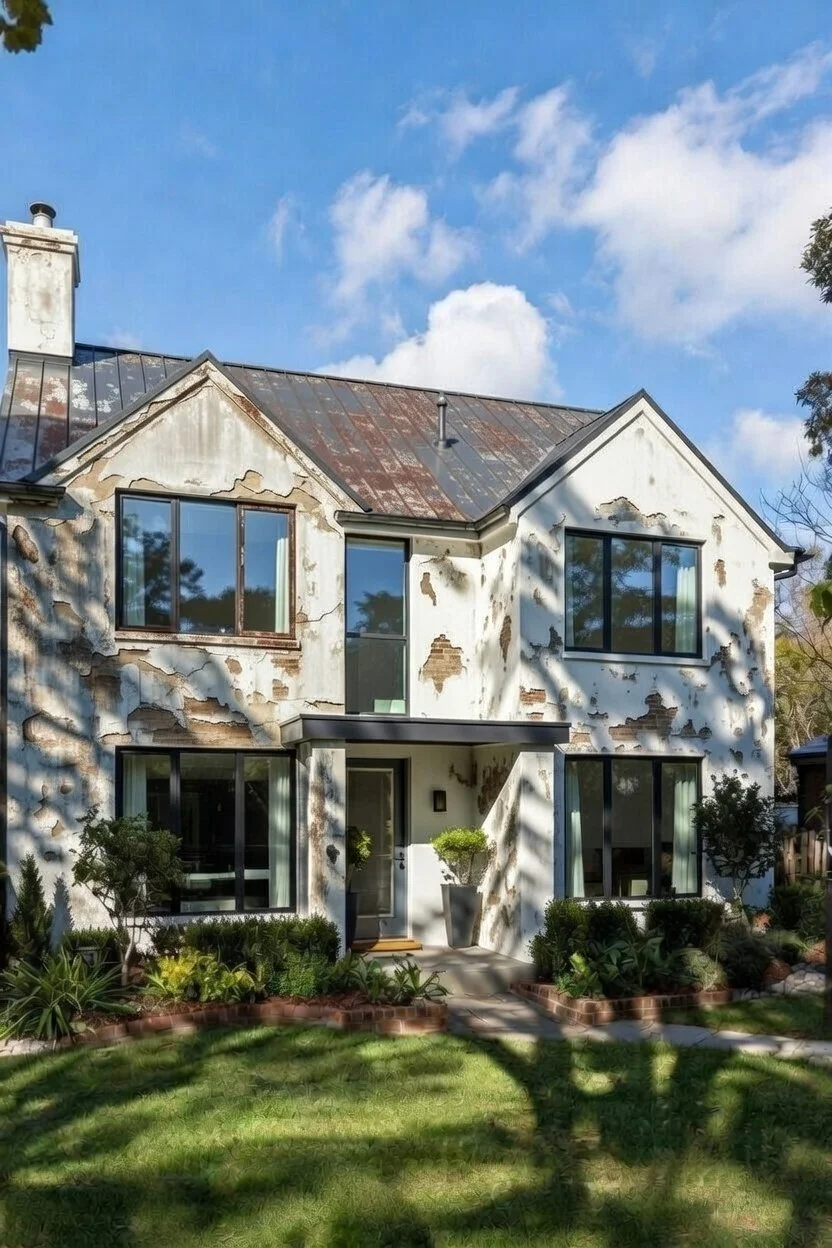
Paint destroys brick by creating a non-breathable barrier that traps moisture, leading to physical breakdown through repeated environmental stresses. Brick's porous structure allows water vapor to enter and exit naturally, but impermeable coatings prevent outward evaporation, causing internal pressure buildup.
Moisture entrapment occurs when rain or humidity penetrates minor cracks or joints but cannot escape, resulting in saturation.
In climates with freeze-thaw cycles, trapped water expands upon freezing, exerting force that causes cracking.
Spalling results from this pressure, where the brick face flakes away, exposing vulnerable inner material to further erosion.
Efflorescence forms as salts in the moisture crystallize on the surface, weakening the brick over time.
Paint itself degrades, peeling and allowing more water ingress while exacerbating underlying issues.
These processes are exacerbated in softer, pre-1940s bricks, which were designed for lime mortars and natural weathering rather than sealed coatings.
Historical Context of Brick Treatments
Brick treatments evolved from European traditions where breathable methods protected masonry without sealing it. Documented as early as the medieval period in regions like Germany, lime-based washes were used to enhance weather resistance while maintaining permeability.
Early practices involved mineral pigments in lime slurries, applied to porous bricks for subtle coloration.
By the 19th century, machine-made bricks reduced the need for coatings, but some historic structures retained traditional washes.
The shift to synthetic paints in the 20th century disregarded these principles, leading to modern damage patterns observed in preservation efforts.
This historical grounding highlights how deviating from compatible materials accelerates deterioration in brick architecture.
Breathable Alternatives to Avoid Damage
To prevent paint-related pitfalls, breathable treatments like German Smear and limewash provide aesthetic options that align with brick's material behavior. These methods, derived from European building customs, ensure vapor permeability and reduce moisture risks.
German Smear involves applying a thin lime-mortar layer and partially removing it to create a textured, irregular finish.
It maintains breathability, allowing moisture to evaporate and minimizing freeze-thaw damage.
Compatible with various climates, it uses flexible lime compositions that accommodate brick movement.
Limewash, known as Kalkschlämme in German contexts, is a slaked lime slurry with pigments, brushed on to form a carbonated bond.
Highly vapor permeable, it integrates with the substrate rather than forming a film, promoting natural drying.
Historically used across Europe, it weathers gradually and requires occasional reapplication without trapping water.
These alternatives differ markedly from whitewash (often latex-diluted, less breathable) and paint, preserving architectural integrity.
Conclusion
Paint's impermeable nature has contributed to extensive brick deterioration by disrupting moisture management, with effects like spalling and efflorescence impacting numerous homes over decades. Historical European methods emphasize breathability, offering educational insights into sustainable masonry treatments that respect material science and architectural heritage.
