Comparing German Smear Brick Finishes to Untreated Brick: Aesthetic and Building Science Perspectives
German smear, also known as mortar wash or Schmear in some contexts, involves applying a thin layer of mortar—typically lime-based—to brick surfaces and then partially removing it to reveal underlying textures. This technique contrasts with untreated brick, which retains its natural, exposed clay composition without additional coatings. Historically documented in European architecture as early as the 18th century, German smear was used to protect and enhance masonry in regions with variable climates, such as Germany and surrounding areas. Understanding these differences matters from an architectural standpoint, as it highlights how surface treatments can affect a building's longevity, visual integration with its environment, and overall structural behavior over time.
Aesthetic Differences
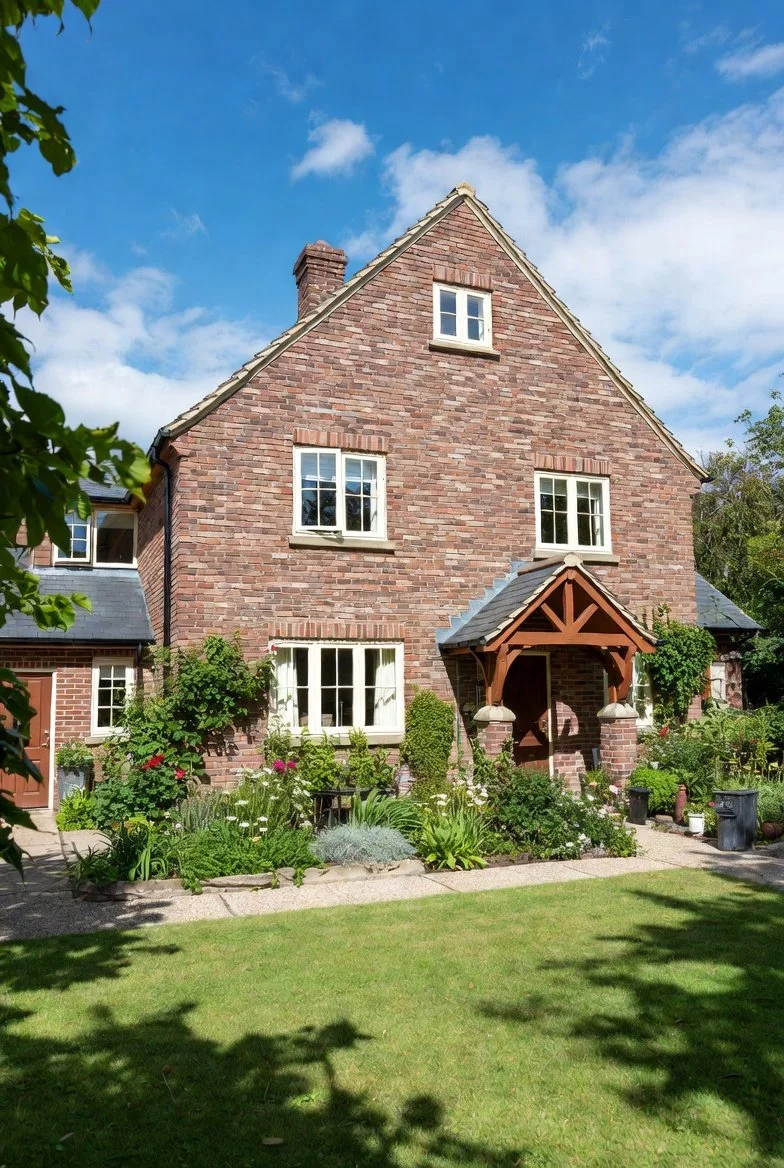
The primary visual distinction between German smear-treated brick and untreated brick lies in texture, color variation, and overall character. Untreated brick presents a consistent, often reddish or earthy tone with sharp edges and uniform joints, reflecting the industrial or handmade firing process of the clay. In contrast, German smear introduces a softened, weathered appearance by filling mortar joints and partially covering brick faces, resulting in a mottled white or gray overlay that mimics natural aging.
Color and Tone: Untreated brick maintains its original hue, which can range from deep reds to buffs depending on clay composition and firing temperature; German smear adds a lighter, opaque layer that diffuses these colors, creating subtle gradients.
Texture Variation: Plain brick surfaces are typically smooth or slightly pitted from manufacturing, while German smear enhances dimensionality through irregular mortar remnants, evoking the patina of historical structures.
Architectural Style Fit: Untreated brick suits modern or minimalist designs emphasizing raw materials, whereas German smear aligns with rustic, Tudor, or farmhouse aesthetics, drawing from traditions like Kalkschlämme in German building practices.
This aesthetic shift can make a structure stand out in a neighborhood dominated by standard brick facades, as the treated surface introduces visual interest through its imperfect, handcrafted look.
Enhancing Noticeability and Desirability in Property Contexts
From an architectural perspective, the unique appearance of German smear can influence how a building is perceived in residential settings. Untreated brick offers a straightforward, timeless appeal that blends seamlessly with surrounding properties, but it may lack distinctive features in uniform suburban developments. German smear, by providing a customized, aged effect, can draw attention to a home's facade, making it more memorable amid similar structures. In historical contexts, this technique has been valued for preserving the character of older buildings, potentially aligning with buyer preferences for properties that evoke authenticity.
Visual Distinction: In areas with prevalent plain brick homes, German smear creates contrast through its textured overlay, which can highlight architectural details like arches or window surrounds.
Perceived Value in Markets: Architectural studies indicate that finishes adding historical charm, such as mortar washes, may appeal to those seeking differentiated properties, though desirability varies by regional trends and buyer demographics.
Integration with Landscaping: The softened tones of German smear often complement natural elements like greenery or stone, enhancing overall harmony compared to the bolder lines of untreated brick.
These elements contribute to a property's distinctiveness without altering its fundamental structure, though individual market responses depend on local architectural norms.
Increasing Curb Appeal Through Surface Treatment
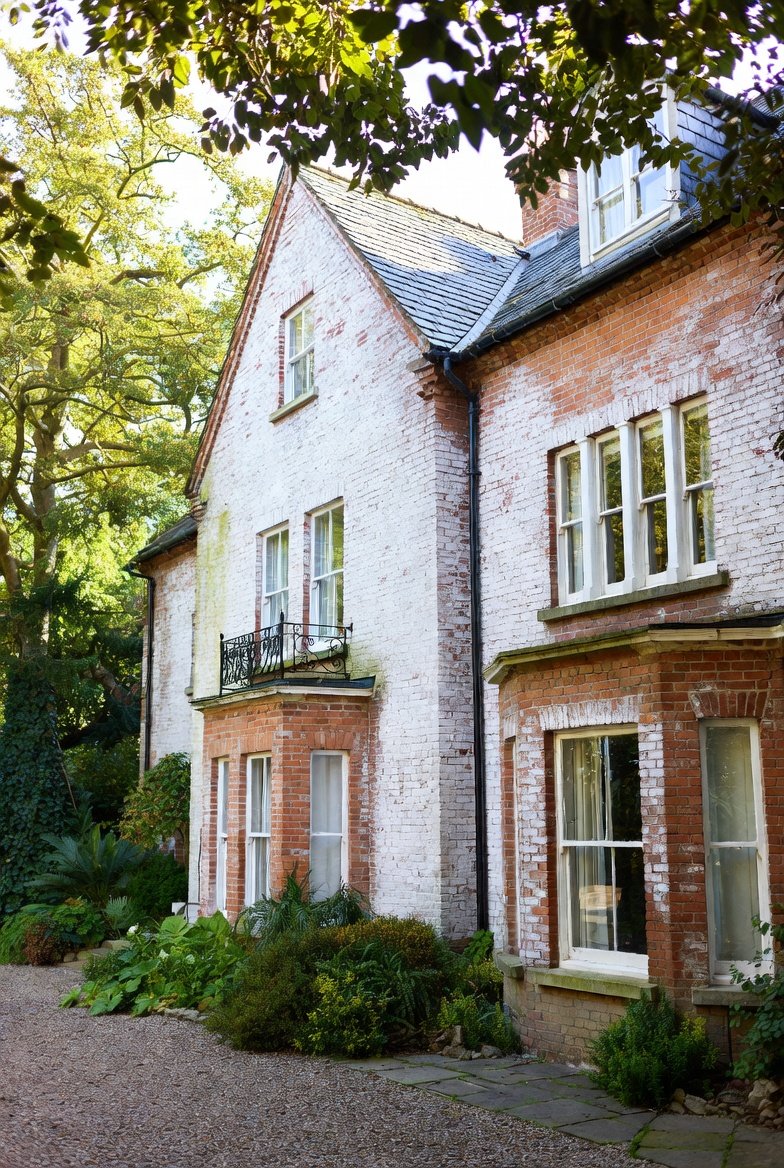
Curb appeal refers to the initial visual impression a building makes from the street, rooted in architectural principles of proportion, color, and material harmony. Untreated brick provides a durable, low-maintenance exterior that conveys solidity but can appear monotonous in repetitive designs. German smear elevates this by introducing subtle variations that soften harsh lines and add depth, historically used in European villages to unify disparate brick qualities. This treatment can transform a standard facade into one with greater visual warmth, potentially making the structure more inviting in diverse weather conditions.
Light Reflection and Shadow Play: The irregular surface of German smear diffuses sunlight differently than smooth untreated brick, reducing glare and creating nuanced shadows that enhance depth.
Adaptability to Environments: In urban or rural settings, the treated finish can better mask imperfections like mismatched bricks, a common issue in historical restorations, leading to a more cohesive appearance.
Seasonal Considerations: During winter, the lighter tones of German smear may brighten facades against snow, while untreated brick's darker shades absorb heat, affecting perceived warmth.
Overall, this enhancement stems from building traditions emphasizing aesthetic longevity over uniformity.
Building Science Differences
Building science examines how materials interact with environmental factors like moisture, temperature, and durability. Untreated brick is inherently vapor-permeable, allowing moisture to evaporate naturally and reducing risks of trapped water damage in freeze-thaw cycles. German smear, when applied with breathable lime mortar, maintains much of this permeability while adding a protective layer; however, if cement-based mortar is used, it can reduce breathability and lead to potential issues like efflorescence. Distinguishing from limewash (a thinner, more permeable coating) or whitewash (often less durable), German smear's thicker application influences adhesion and long-term performance.
Vapor Permeability: Untreated brick rates high in breathability (typically 10-20 perms), enabling moisture escape; proper German smear with lime mortar preserves 80-90% of this, unlike impermeable paints that can trap vapor.
Freeze-Thaw Resistance: The mortar layer in German smear can buffer temperature fluctuations, potentially extending brick life in cold climates, though untreated brick relies solely on its fired density for resilience.
Adhesion and Maintenance: German smear bonds mechanically to brick pores, requiring periodic inspection for cracks; untreated brick demands less intervention but exposes joints to weathering.
Climate Suitability: In humid regions, breathable German smear aids moisture management, reducing mold risks compared to sealed surfaces, while arid areas benefit from untreated brick's natural evaporation.
These differences underscore the importance of material selection in aligning with regional building science principles, ensuring structural integrity over time.
Conclusion
German smear offers a textured, historically inspired alternative to untreated brick, providing aesthetic depth and potential enhancements in visibility and appeal while influencing building science outcomes like permeability and durability. By understanding these contrasts, one gains appreciation for how traditional techniques adapt masonry to environmental and architectural demands. This knowledge supports informed considerations in preserving or modifying brick structures, rooted in verifiable European traditions.
Looking to DIY?
Checkout SmearTech’s Signature White™ Mortar and German Smear Tools.