

The Durability Disparity: Why Paint Peels from Brick Far Sooner Than German Smear Lasts
Brick exteriors have long been valued for their durability and low maintenance in architectural traditions, particularly in European and American masonry practices. Applying finishes like paint or mortar-based treatments alters both appearance and long-term performance. Paint, a film-forming coating, frequently fails prematurely on brick due to incompatibility with the material's porous nature, while German Smear (also known as mortar wash or Schmear) integrates more harmoniously, offering extended longevity rooted in historical European techniques for softening and protecting masonry.
Paint Failure on Brick: Timeline and Mechanisms
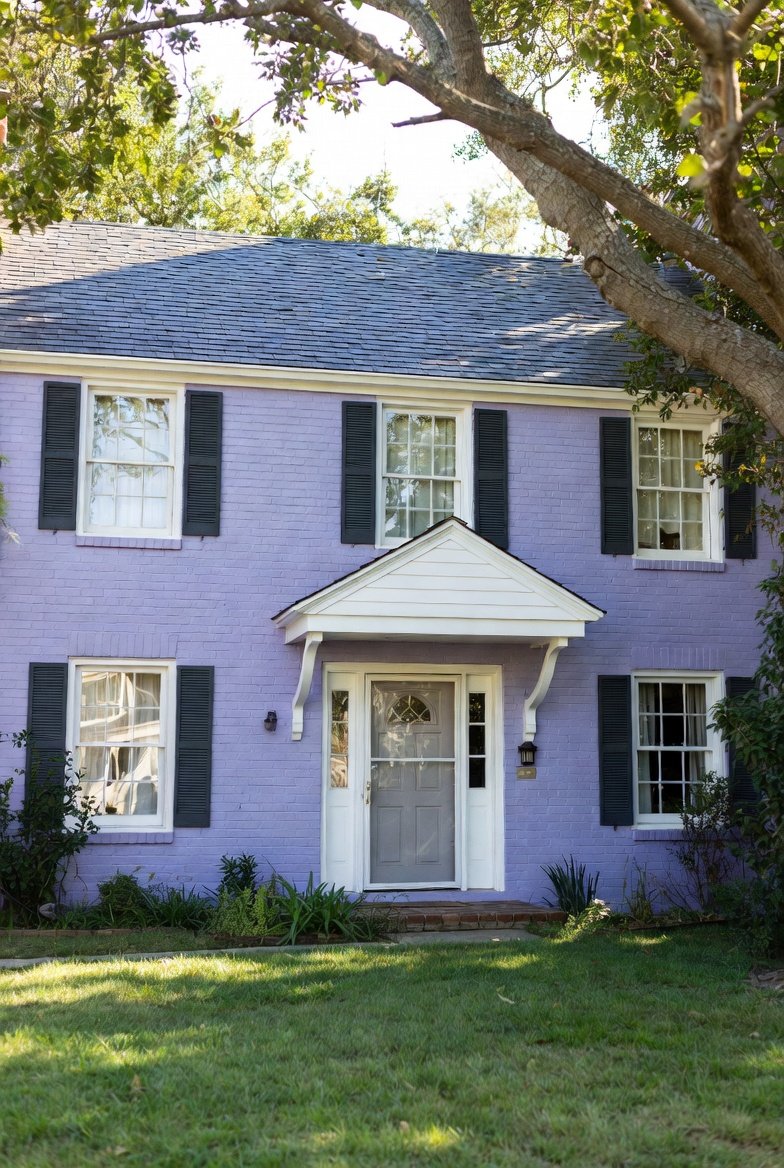
Paint on exterior brick commonly shows signs of deterioration within a fraction of the time expected from more compatible finishes. Peeling or flaking often appears in 5–15 years, accelerated in freeze-thaw climates or high-moisture regions.
The primary cause is low vapor permeability. Many modern paints (especially acrylic latex or oil-based) create a low-permeability barrier, often below 10 perms (a measure of water vapor transmission), compared to untreated brick's higher rates. Moisture from rain, humidity, or interior vapor migrates into the porous brick but cannot easily escape outward. This trapped water leads to:
Freeze-thaw damage: In cold climates, water expands upon freezing, exerting pressure that delaminates the paint film or spalls the brick surface.
Efflorescence and blistering: Salts dissolve and recrystallize, pushing against the coating.
Interstitial condensation: Moisture condenses within the wall assembly, weakening bonds over time.
Bonding in Paint vs. German Smear
Paint relies primarily on mechanical adhesion to the brick surface, supplemented by limited chemical interactions in some formulations. The paint film forms a continuous layer that sits atop the substrate rather than integrating deeply.
Surface preparation is critical; dust, efflorescence, or prior coatings reduce bond strength.
Thermal expansion differences between the rigid paint film and the more flexible brick-mortar system cause stress during temperature cycles, leading to cracking or peeling.
Alkalinity in brick and mortar can saponify (chemically break down) oil-based paints, creating a soapy layer that destroys adhesion.
In contrast, German Smear uses a lime- or cement-based mortar applied thinly and partially removed while wet, leaving irregular coverage. This creates a hybrid mechanical and chemical bond:
The wet mortar penetrates the brick's porous surface, forming a keyed mechanical interlock as it hardens.
Lime-based mortars undergo carbonation (reacting with CO₂ to form calcium carbonate), enhancing long-term integration and some self-healing of micro-cracks.
The result is a textured, permeable layer that allows vapor transmission (often 10–20+ perms for lime mortars), reducing moisture entrapment risks.
German Smear's durability stems from this compatibility, resisting peeling entirely in most cases and weathering gradually with an attractive patina rather than catastrophic failure.
Why German Smear Cannot Be Applied Over Paint
German Smear requires direct contact with the raw brick substrate for proper adhesion. Paint seals the surface, creating a non-porous barrier that prevents mortar from penetrating or gripping effectively.
Initial stick may occur, but thermal movement, moisture cycles, or freeze-thaw action cause cracking, flaking, or complete delamination over time.
Removal of existing paint is necessary before German Smear, often involving labor-intensive methods that risk damaging the brick.
This limitation underscores the importance of substrate condition in masonry treatments—breathable, integrated finishes like German Smear demand clean, unpainted surfaces to achieve their documented longevity.
Conclusion
The stark contrast in longevity between paint and German Smear on brick highlights fundamental building-science principles: vapor permeability preserves masonry health by allowing moisture to escape, while strong substrate integration prevents delamination. Paint's film-forming nature frequently leads to trapped moisture and bond failure within years, whereas German Smear's mortar-based approach supports breathability and durable mechanical-chemical bonding, aligning with historical practices for enduring brick finishes. Understanding these distinctions aids informed decisions in architectural conservation and exterior treatments.
Looking to DIY?
Checkout SmearTech’s Signature White™ Mortar and German Smear Tools.
