The Impact of Paint on Brick: Challenges for Applying Alternative Finishes Like German Smear or Limewash
Brick exteriors have historically relied on breathable finishes to manage moisture, a critical factor in preventing deterioration in porous masonry. Traditional European methods, including lime-based treatments, allow vapor transmission while altering appearance. Modern acrylic or latex paints, however, form impermeable barriers that trap moisture and alter surface characteristics. This incompatibility becomes evident when attempting to transition to finishes like German Smear (mortar wash) or limewash, which require direct bonding to the brick substrate for proper adhesion and performance.
Paint's Effect on Brick Surface and Adhesion
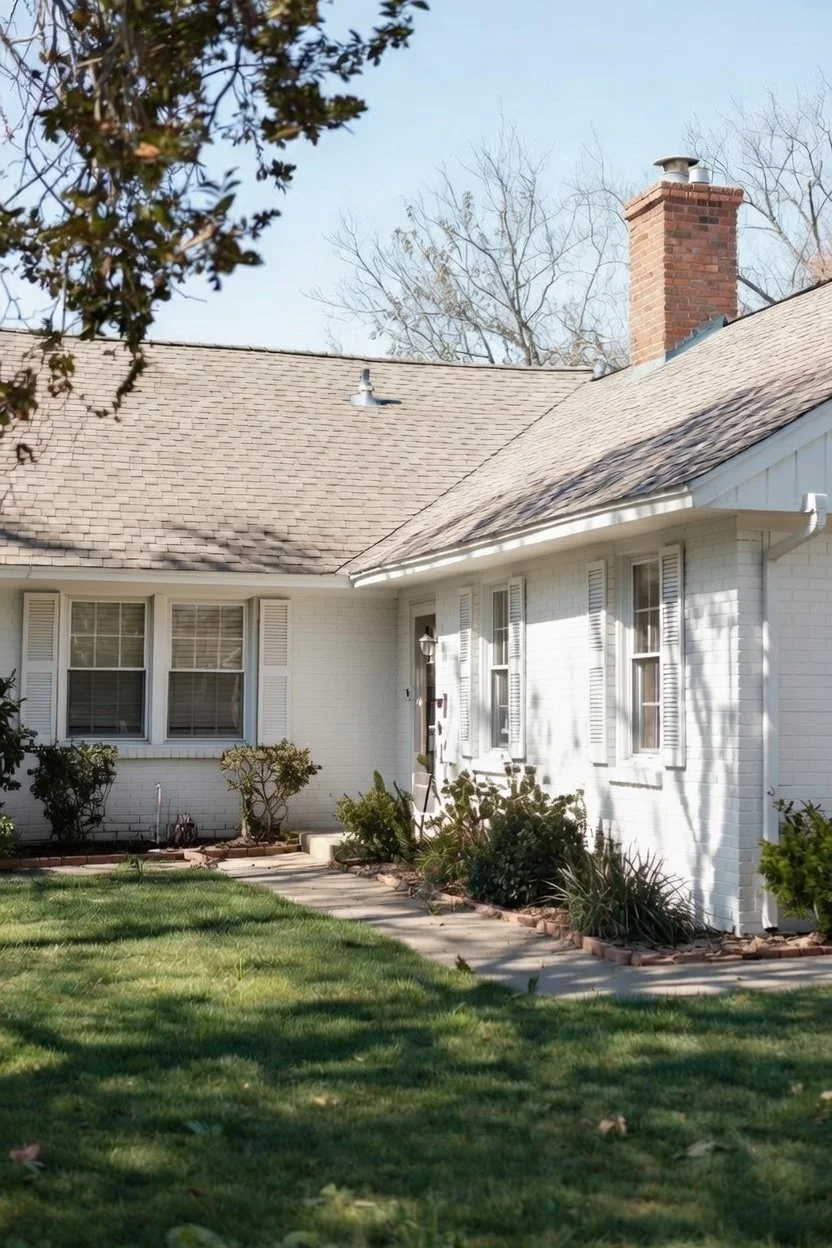
Modern paints designed for masonry create a continuous film over the brick and mortar joints. This film seals the porous surface, preventing new applications from penetrating or mechanically bonding effectively. German Smear, a technique involving the application and partial removal of a lime- or cement-based mortar mix, relies on the mortar adhering directly to the clean, absorbent brick face. Similarly, limewash—a slaked lime mixture—bonds chemically and mechanically through carbonation into the substrate. When paint covers the brick, these processes fail, as the mortar or lime cannot achieve sufficient contact or absorption, leading to poor adhesion, cracking, or delamination.
Moisture Management and Building Science Considerations
Brick is inherently porous, allowing moisture vapor to move through it—a property known as breathability or vapor permeability. This prevents accumulation that could cause freeze-thaw damage in colder climates, where water freezes, expands, and spalls the brick face. Traditional finishes like limewash maintain high vapor permeability, permitting moisture to escape. German Smear, while slightly less permeable due to its thicker application in some areas, still allows significant vapor transmission compared to paint films. Non-breathable paints trap moisture behind the coating, exacerbating risks of spalling, efflorescence, and structural weakening over time—issues documented in historic masonry conservation.
Consequences for Applying German Smear or Limewash
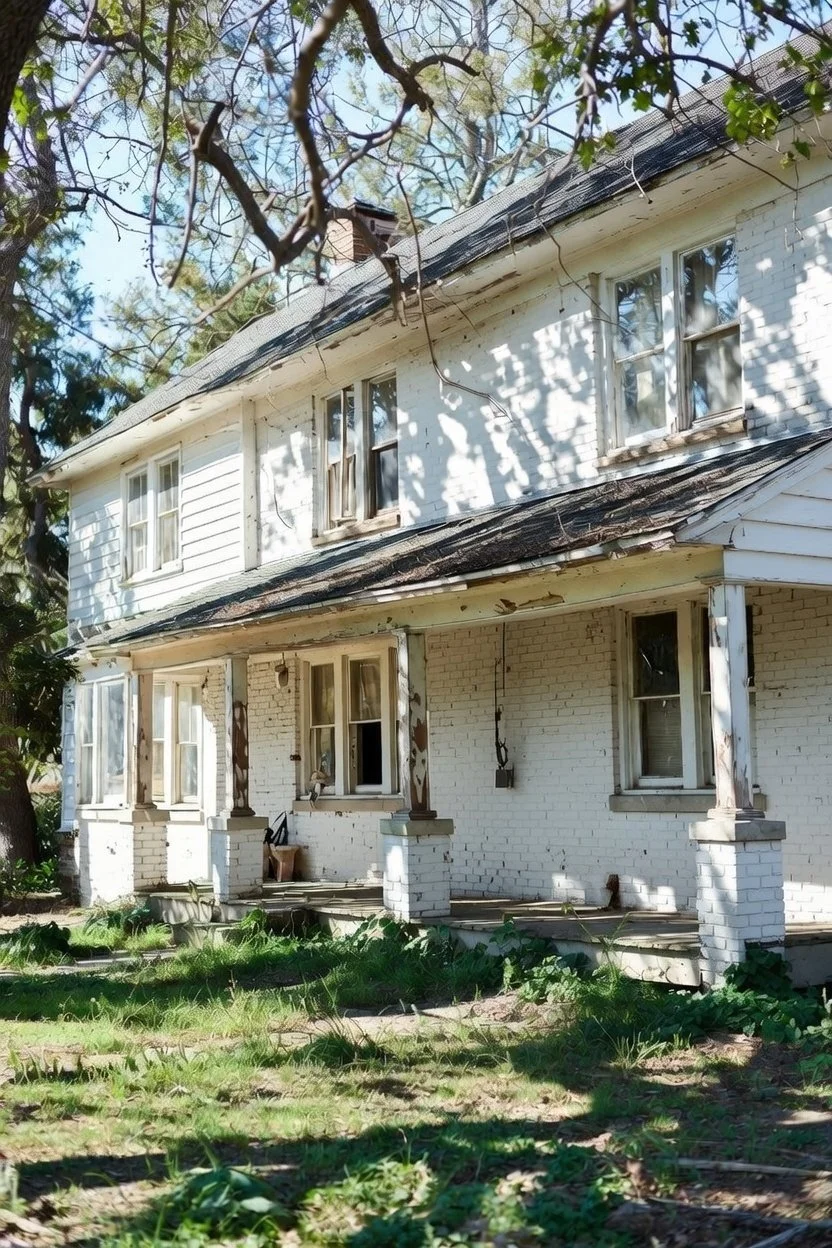
Once brick has been painted, applying German Smear or limewash directly becomes impractical without surface preparation. The existing paint layer must be fully removed to expose bare brick, as partial removal or roughening often proves insufficient for reliable bonding. This forces a choice: continue repainting with compatible products every few years to maintain the appearance, or undertake paint stripping. Stripping painted brick typically requires:
Chemical paint removers (such as alkaline or solvent-based strippers) applied in multiple stages
Mechanical methods like pressure washing, scraping, or abrasive blasting (with caution to avoid damaging soft historic brick)
Neutralization and thorough rinsing to prevent residue interference with subsequent treatments
These steps are time-consuming, require professional expertise in many cases, and carry risks of further masonry damage if improperly executed.
Historical Context and Traditional Alternatives
European building traditions, particularly in Germany and surrounding regions where German Smear originated, favored breathable mortars and limewashes over film-forming coatings. These methods date back centuries in vernacular architecture, chosen for their compatibility with lime mortar and soft-fired brick common in historic construction. Paint, especially impermeable varieties, represents a 20th-century shift that prioritizes initial aesthetics over long-term material health, often leading to cycles of maintenance incompatible with vapor-permeable alternatives.
Conclusion
Paint fundamentally alters brick's surface properties, blocking the adhesion and breathability required for traditional finishes like German Smear or limewash. This incompatibility often commits structures to repeated painting cycles or demands extensive, expensive paint removal to restore options for mortar washes or lime-based treatments. Understanding these material interactions underscores the value of selecting breathable, substrate-compatible finishes from the outset in masonry conservation and renovation.
Looking to DIY?
Checkout SmearTech’s Signature White™ Mortar and German Smear Tools.