Exploring German Smear Techniques: Mortars, Textures, Tools, and Artistic Applications
German Smear, also known as Schmear or mortar wash, is a masonry finishing technique documented in German and broader European traditions, where a thin layer of mortar is applied to brick or stone surfaces and partially removed to reveal an uneven, weathered look. Historically used to protect and aesthetically age buildings, it draws from lime-based practices that prioritize breathability and durability in varying climates. This method matters architecturally as it preserves the natural vapor permeability of brick while allowing for creative expression, distinguishing it from impermeable paints or whitewashes that can trap moisture and lead to structural issues over time.
Types of Mortar Used in German Smear
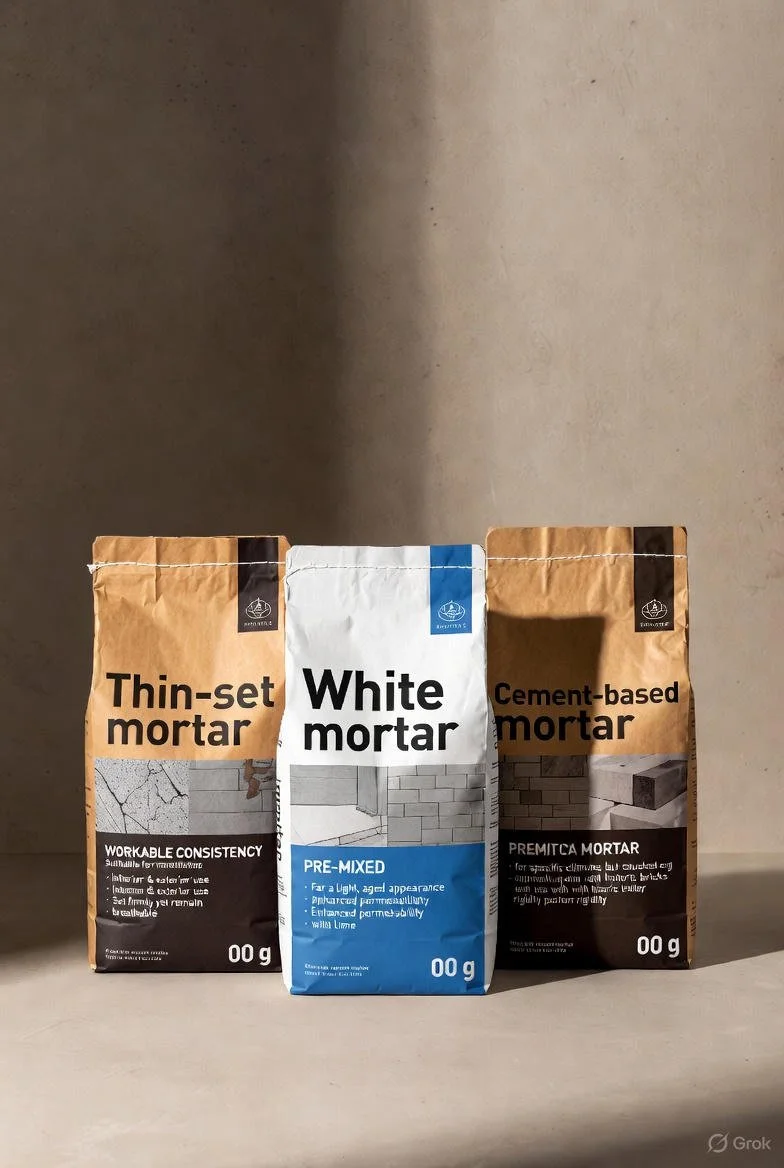
The choice of mortar in German Smear directly influences adhesion, breathability, and longevity, rooted in building science principles that ensure compatibility with porous masonry. Commonly, a blend of Portland cement, lime, sand, and water is used, as it provides a balance of strength and flexibility while allowing vapor transmission to prevent freeze-thaw damage in colder climates.
Thin-set mortar: Often employed for its workable consistency, suitable for interior and exterior applications; it sets firmly but remains breathable when lime is incorporated.
White mortar: Pre-mixed varieties are favored for achieving a light, aged appearance; these typically include lime for enhanced permeability and are documented in modern adaptations of traditional techniques.
Cement-based mortar: Applied in regions with specific climate needs, but cautioned against on historic bricks due to potential rigidity that could cause cracking; historical precedents favor lime-dominant mixes for better material behavior.
Textures Created by Varying Sand Types
Texture in German Smear arises from the mortar's composition, particularly the sand aggregate, which affects surface roughness and visual depth. Building science highlights how sand particle size influences mortar's workability and final appearance, with coarser sands providing more pronounced relief that mimics naturally weathered stone, while finer sands yield subtler effects. Climate considerations, such as humidity during application, can alter drying and texture outcomes.
Fine sand: Produces smoother, more translucent textures; ideal for lighter washes where minimal relief is desired, allowing greater brick visibility and a refined, even finish.
Medium sand: Offers balanced texture with moderate depth; commonly used in traditional applications to blend brick colors while adding subtle irregularity, enhancing architectural warmth.
Coarse sand: Creates rough, heavily textured surfaces; this type emphasizes rustic depth, suitable for exteriors seeking an aged European look, though it requires careful application to avoid uneven buildup.
Tools Used in Applying German Smear
Application tools for German Smear are selected based on the scale of the project and desired control, drawing from masonry practices that ensure even distribution and artistic nuance. These implements facilitate the smearing process, where mortar is spread and then wiped to achieve irregularity, with material behavior like mortar viscosity dictating tool effectiveness.
Bucket Trowel: Essential for filling grout bags, Bucket trowels save you time and helps ensure that you keep your work area clean.
5 Gallon buckets: these are essential for mixing mortar, using a cement mixer while able to mix large amounts doesn’t blend thinner mixtures as well a drill powered mixer.
Rubber Float: Used for wiping excess mortar; Rubber Floats help create the smeared effect by removing material selectively while blending edges.
Grout bag: Functions like a piping bag for targeted application; useful on uneven surfaces to fill grooves before smearing.
Gloves : Provide protection to hands, Mortar is highly alkaline having a PH around 12-13 making it caustic it is also very abrasive creating a compounding effect that can damage skin with exposure.
The Artistic Element in German Smear

German Smear incorporates an artistic dimension through its hand-applied, irregular patterning, which transforms uniform brick into a visually dynamic surface reminiscent of historic European architecture. This technique allows for creative variation in coverage and texture, emphasizing the craftsman's role in blending mortar with the substrate's natural features. Architecturally, it adds depth and character, distinguishing it from uniform coatings like limewash by highlighting brick contours and color variations.
The chaotic, distressed appearance is achieved by partially removing mortar before it sets, creating a patchwork effect that evokes antiquity. This process draws on principles of material adhesion and surface tension, where the artist's intent guides the balance between coverage and exposure. Documented in restoration contexts, the artistic appeal lies in its customizability, enabling adaptations for modern designs while rooted in traditional methods that value imperfection as aesthetic virtue.
Challenges in Maintaining a Chaotic Pattern and Ensuring Even Coverage
Achieving the signature chaotic pattern in German Smear—irregular yet harmonious—presents significant difficulties, particularly on large house exteriors where consistency must be maintained across expansive surfaces. Building science underscores the need for uniform mortar mix and application timing to prevent cracking or discoloration, while historical applications note the labor-intensive nature of scaling this technique. Climate factors, such as temperature and humidity, further complicate drying rates, potentially leading to uneven results if not monitored.
Pattern maintenance: Creating intentional chaos requires skill to avoid repetitive motifs or overly uniform areas; it's challenging to sustain randomness without the surface appearing haphazard or patchy.
Even coverage on exteriors: Large-scale projects demand consistent mortar application over heights and angles, often necessitating scaffolding; inconsistencies can arise from fatigue or varying team techniques.
Material and environmental variables: Mortar thickness must be controlled to ensure breathability, but wind or rain can disrupt patterns, making outdoor work unpredictable.
Correction difficulties: Once set, adjustments are limited; common issues include over-smearing in hard-to-reach spots, highlighting the importance of planning and experience in architectural contexts.
Conclusion
German Smear techniques offer a blend of historical authenticity and practical building science, with mortar types, sand variations, tools, and artistic applications contributing to durable, visually engaging masonry finishes. The method's challenges in patterning and coverage underscore its craftsmanship demands, providing educational value for those interested in architectural preservation. Ultimately, it exemplifies how traditional European practices adapt to enhance structural integrity and aesthetic appeal in diverse environments.
Looking to DIY?
Checkout SmearTech’s Signature White™ Mortar and German Smear Tools.