Comparing Maintenance Requirements of Common Exterior Building Materials
The choice of exterior cladding influences a building's longevity, appearance, and ongoing care requirements from both historical and modern architectural perspectives. Materials such as brick and CMU have been used for centuries due to their inherent durability and resistance to environmental stresses, while newer options like vinyl and fiber cement prioritize reduced upkeep. Evaluating maintenance needs involves considering material behavior under weathering, moisture exposure, and structural demands, ensuring informed decisions for sustainable building envelopes.
Material Durability and Longevity Overview
Exterior claddings exhibit varying lifespans based on composition and exposure conditions.
Brick: Commonly lasts 100+ years with proper construction.
CMU (Concrete Masonry Units): Typically endures 50–100+ years.
Fiber cement siding: Often rated for 50 years or more.
Vinyl siding: Generally 20–40 years.
Metal (aluminum or steel) siding: Usually 40–70 years.
Wood siding: Approximately 20–40 years with diligent care.
Maintenance Requirements by Material
Brick
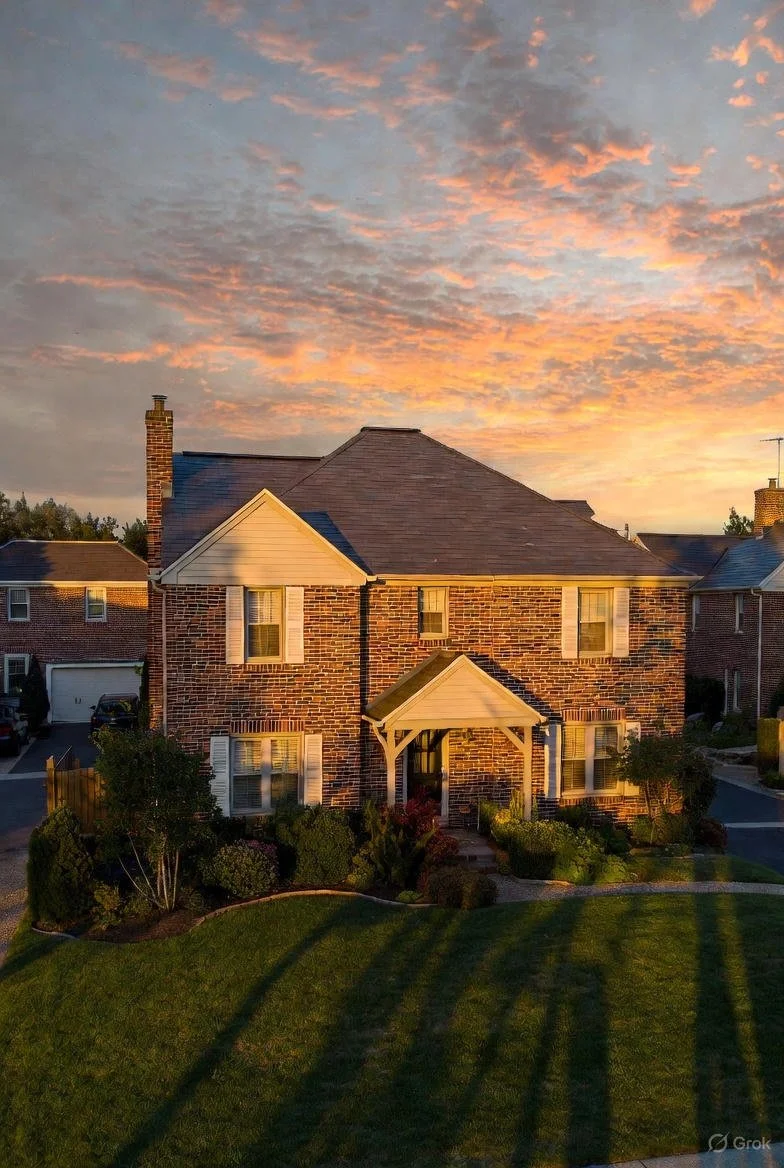
Brick exteriors, rooted in traditional European and global building practices, demonstrate exceptional durability due to fired clay composition and compressive strength.
Maintenance focuses on periodic inspections rather than frequent interventions.
Conduct visual checks for mortar deterioration, cracks, or efflorescence every few years.
Repoint mortar joints every 25–30 years as needed.
Clean occasionally with water and soft brush to remove dirt; rainwater often suffices.
Trim vegetation to prevent moisture retention against walls.
Brick's vapor permeability allows moisture escape, reducing freeze-thaw risks in colder climates when properly detailed with flashing and weeps.
Concrete Masonry Units (CMU)
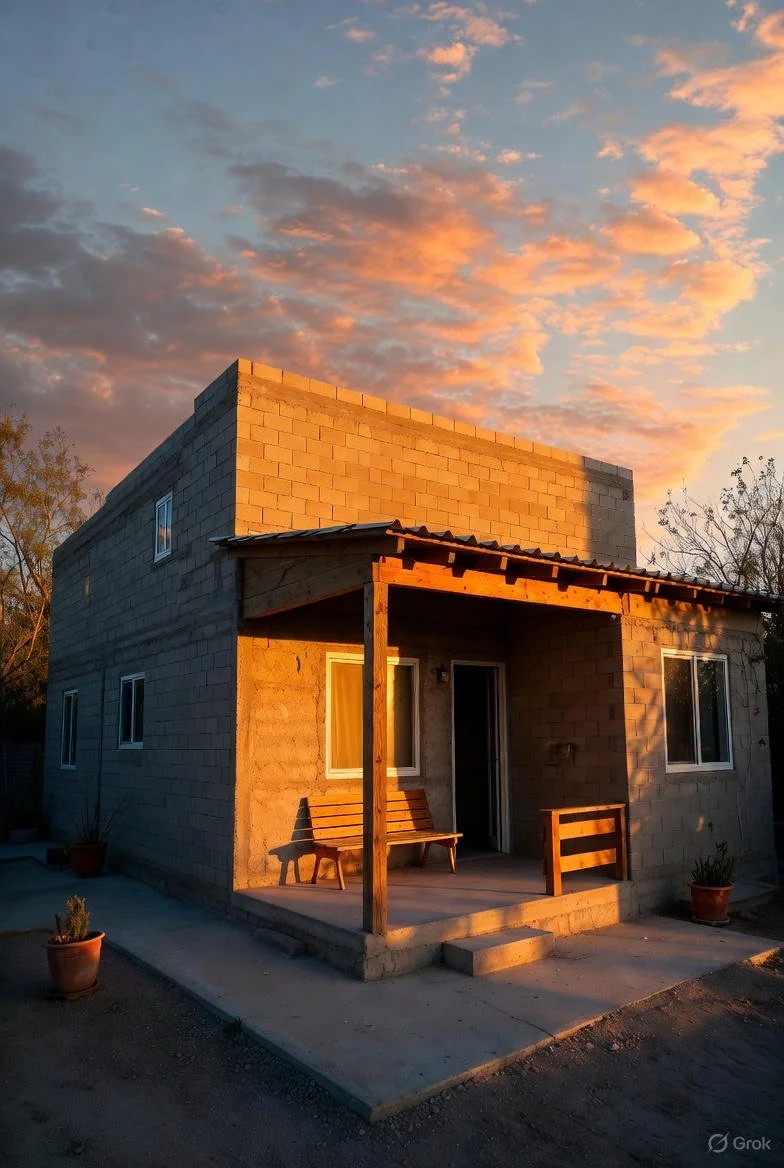
CMU walls, composed of precast concrete blocks, provide robust structural performance in commercial and residential applications.
Their dense nature contributes to low upkeep.
Perform routine inspections for cracks or moisture issues.
Clean periodically to remove surface dirt.
Address any sealing needs for enhanced water resistance, though integral repellents minimize this.
Ensure proper drainage to avoid efflorescence.
CMU resists pests, fire, and rot, with minimal intervention required over decades in varied climates.
Vinyl Siding
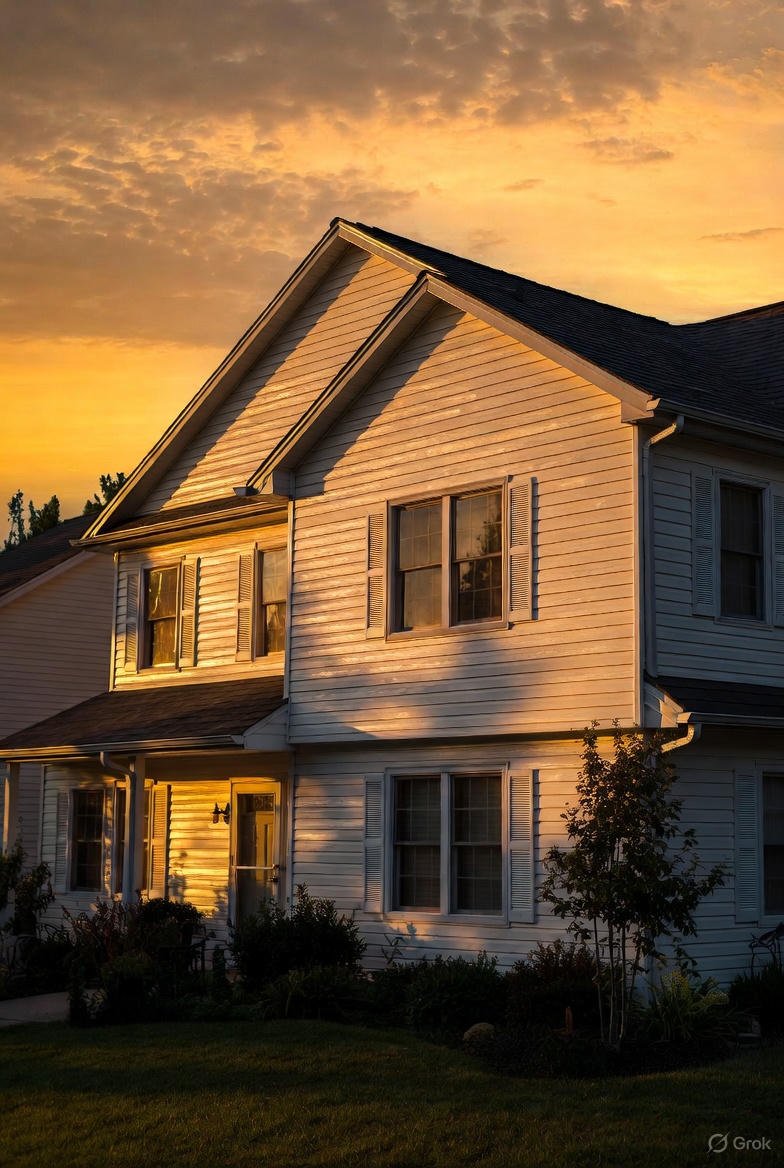
Vinyl, a polymer-based material, gained popularity for its affordability and ease of care in post-midcentury construction.
Wash annually or as needed with garden hose and mild detergent.
Avoid abrasive cleaners or high-pressure washing to prevent damage.
Inspect for warping or fading, particularly in intense sun exposure.
Its non-porous surface resists moisture absorption but may fade over time in harsh UV conditions.
Fiber Cement Siding
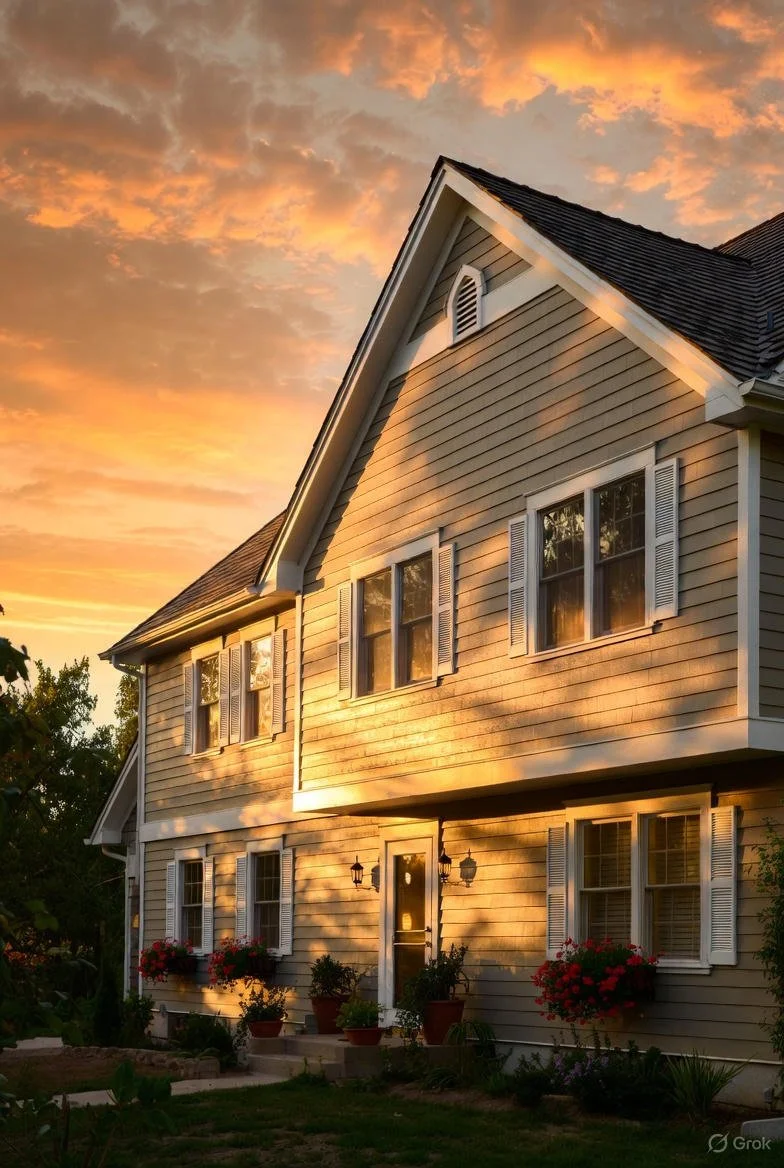
Fiber cement combines cement, sand, and cellulose fibers for enhanced strength and stability.
Clean every 6–12 months with hose and soft brush.
Repaint pre-finished versions after 10–15 years; field-painted may need sooner.
Inspect caulking and seals to prevent water ingress.
Resistant to rot, insects, and impact, it performs well across climates but requires attention to painted finishes.
Metal Siding (Aluminum and Steel)
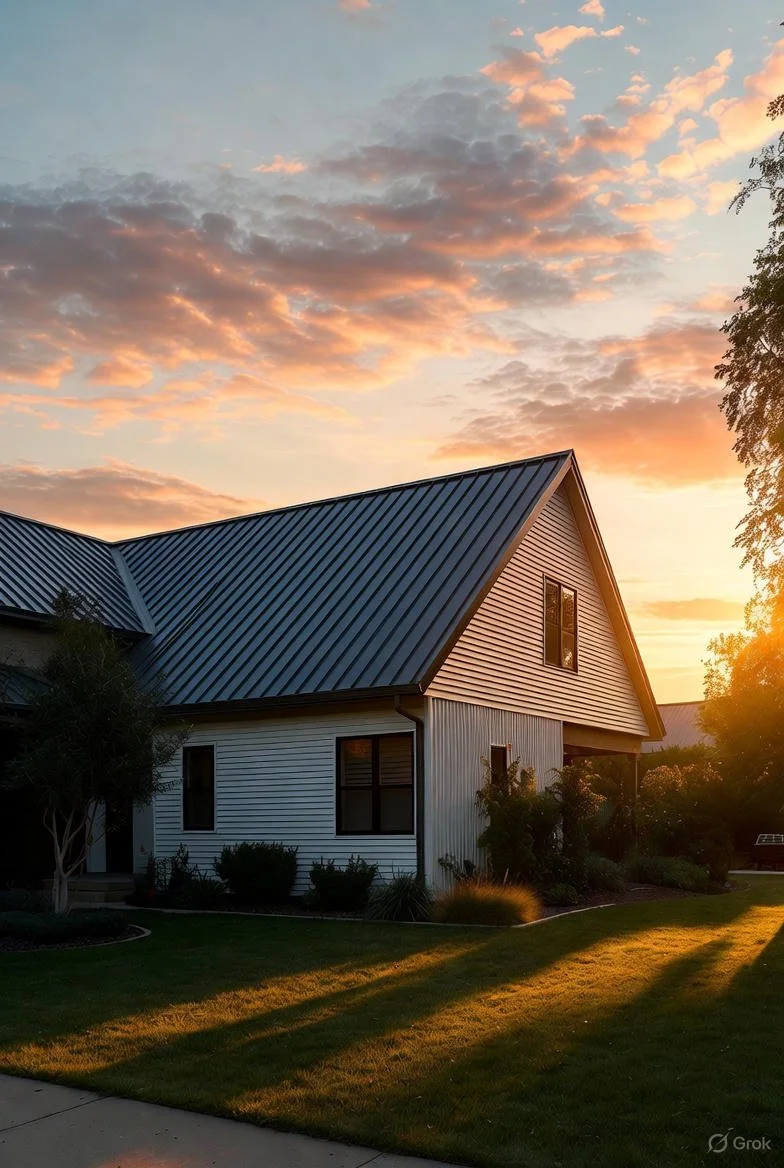
Metal claddings offer modern durability with coated finishes for corrosion protection.
Hose down annually to remove debris.
Repaint aluminum periodically if enamel fades (every 5–10 years).
Steel with quality coatings needs minimal care beyond cleaning.
Galvanized or painted steel resists rust; aluminum avoids it naturally but dents easily.
Wood Siding
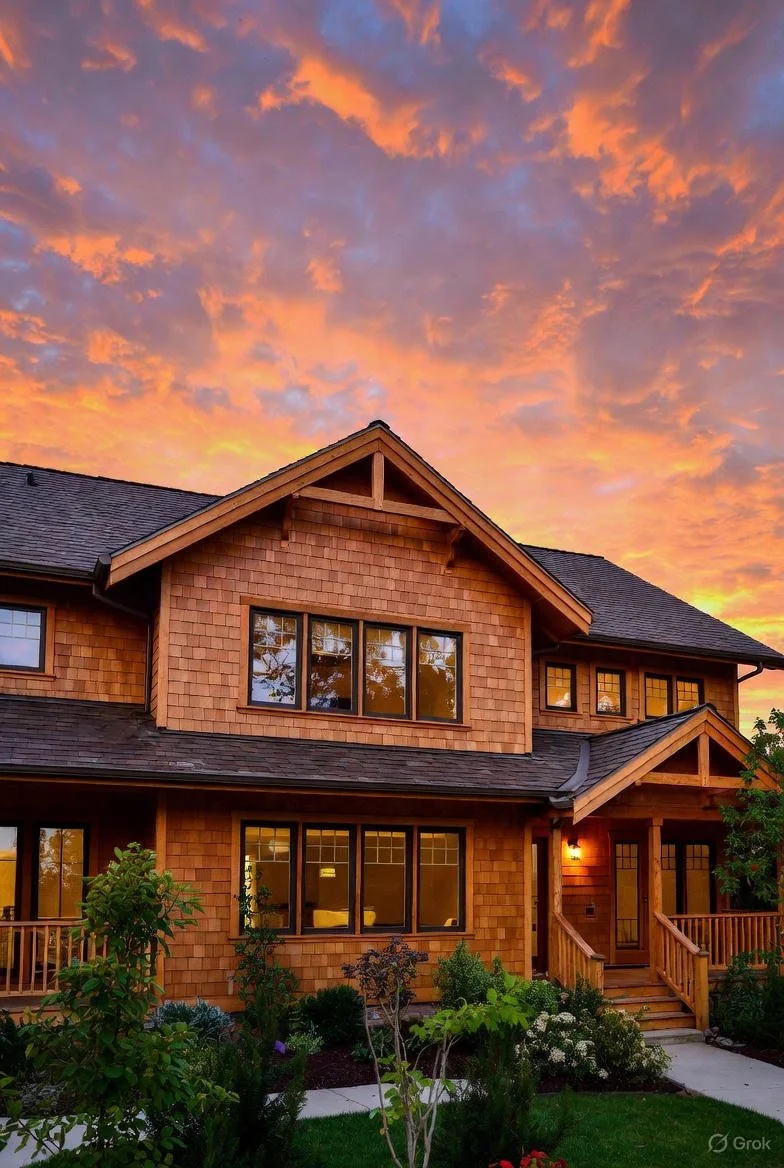
Natural wood provides aesthetic warmth but demands proactive protection against biological and environmental degradation.
Paint or stain every 3–7 years to seal against moisture and UV.
Inspect annually for rot, insects, or warping.
Clean and repair damaged areas promptly.
Susceptible to expansion/contraction and pest activity, wood requires highest upkeep, especially in humid or variable climates.
Factors Influencing Maintenance
Climate considerations play a key role: freeze-thaw cycles stress porous materials, while high humidity promotes mold. Proper installation, including flashing and ventilation, universally reduces long-term needs. Material breathability affects vapor management, preventing trapped moisture.
Conclusion
Among common exterior materials, brick and CMU stand out for minimal maintenance and exceptional longevity, relying primarily on inspections and occasional cleaning. Vinyl and metal offer convenient care through simple washing, while fiber cement balances durability with periodic painting. Wood, though traditionally valued, necessitates the most frequent interventions. These insights highlight how material selection impacts ongoing building health and performance.
Looking to DIY?
Checkout SmearTech’s Signature White™ Mortar and German Smear Tools.