The Pros and Cons of Owning a Brick Home
Brick homes represent a cornerstone of architectural history, with origins traceable to ancient civilizations but becoming prominent in European building traditions from the medieval period onward. Commonly used throughout regions like Germany and England for their ability to withstand environmental stresses, brick construction offers a blend of aesthetic charm and functional strength that has endured into modern times. Understanding the pros and cons of owning a brick home is essential from a historical and architectural standpoint, as it highlights how these structures interact with climate, materials, and time, informing decisions on preservation and adaptation while respecting building-science principles such as vapor permeability and structural integrity.
Pros of Owning a Brick Home
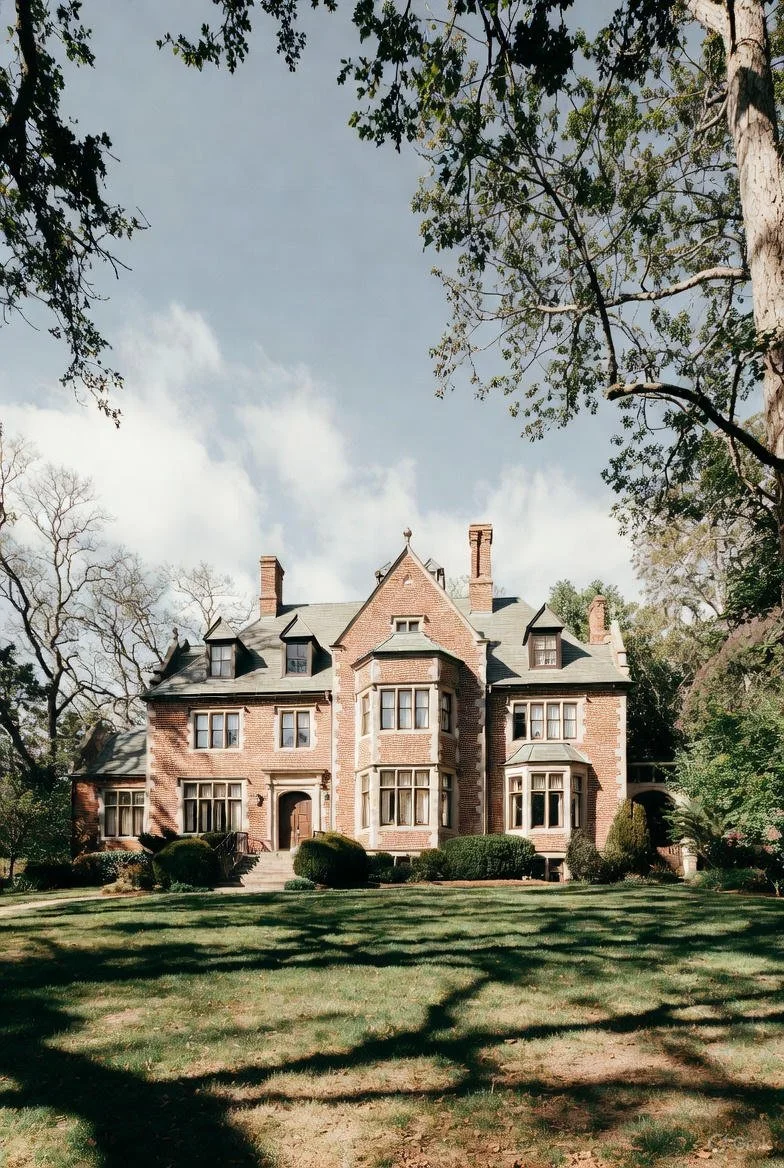
Brick construction provides several advantages grounded in its material properties and historical performance. From a building-science perspective, brick's thermal mass helps regulate indoor temperatures by absorbing and releasing heat slowly, contributing to energy efficiency in various climates.
Durability and Longevity: Brick homes can last for centuries with proper care, resisting wear from weather elements like wind and rain more effectively than many other materials. Documented as early as the 18th century in colonial American architecture, brick's compressive strength—typically ranging from 3,000 to 10,000 psi—allows it to endure freeze-thaw cycles in colder regions without significant degradation.
Fire Resistance: Brick is non-combustible, offering superior protection against fire compared to wood or vinyl siding. This property has been a key factor in urban building codes since the Great Fire of London in 1666, reducing insurance premiums by an average of 5-15% for brick structures.
Energy Efficiency: The material's high thermal inertia minimizes heating and cooling needs, potentially lowering energy bills by 10-20% in temperate climates. Historically, this made brick ideal for passive solar designs in European farmhouses.
Low Initial Maintenance: Unlike wood siding that requires frequent painting, brick exteriors demand minimal upkeep in the short term, making them suitable for low-intervention architectural conservation.
Sustainability: Brick is made from natural clay and shale, often locally sourced, and is recyclable, aligning with eco-friendly building practices that have evolved from traditional kiln-firing methods.
Pest Resistance: Brick deters termites and other insects, a benefit noted in historical texts on masonry from the 19th century, reducing the need for chemical treatments.
Higher Resale Value: Brick homes often appreciate more, with studies showing up to 6% higher market value due to perceived quality and curb appeal.
Aesthetic Versatility: Brick allows for treatments like German Smear, enhancing visual texture while maintaining historical authenticity in architectural contexts.
Cons of Owning a Brick Home
Despite its strengths, brick construction presents challenges related to cost, adaptability, and environmental interactions. In regions prone to seismic activity, brick's rigidity can lead to cracking, as observed in historical earthquakes affecting unreinforced masonry.
Higher Initial Cost: Building or buying a brick home can be 6-7% more expensive than alternatives like vinyl-sided structures, due to material and labor expenses, a factor consistent since the industrialization of brick production in the 19th century.
Structural Limitations: Brick is heavy, requiring robust foundations, and is less flexible in earthquakes, potentially causing damage in areas like California where wood frames perform better.
Moisture Vulnerability: Without proper drainage, brick can absorb water, leading to efflorescence or spalling; this is exacerbated in humid climates, contrasting with its performance in drier historical European settings.
Limited Design Flexibility: Modifying brick walls for additions or windows is labor-intensive and costly, limiting modern architectural adaptations.
Longer Construction Time: Bricklaying is time-consuming, extending build timelines compared to prefabricated materials.
Potential for Higher Repair Costs: Damage to brick, such as cracking, requires skilled masonry work, which can be expensive and time-intensive.
Climate Sensitivity: In extreme cold, improper insulation can lead to energy inefficiency, while in hot areas, brick may retain heat excessively.
Aesthetic Maintenance Challenges: Over time, untreated brick may fade, prompting treatments like painting, which can trap moisture if not breathable.
Key Maintenance Issues for Brick Homes
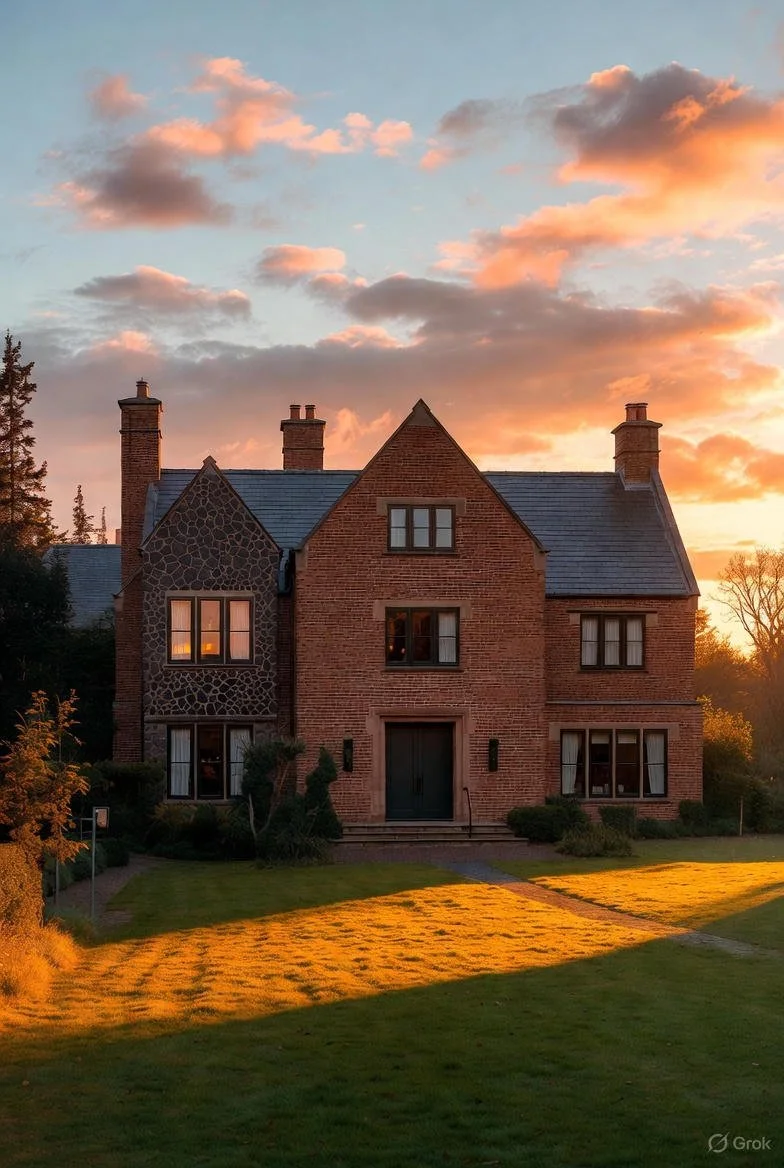
Maintaining a brick home involves addressing issues tied to material behavior, such as mortar deterioration and environmental exposure. Building science emphasizes the importance of vapor permeability to prevent trapped moisture, which can accelerate degradation.
Mortar Deterioration: Joints can crack or erode due to weathering, requiring repointing to maintain structural integrity; this is common in homes over 50 years old.
Efflorescence: White salt deposits from water migration, often resolvable by improving drainage but indicative of underlying moisture problems.
Cracking and Spalling: Caused by freeze-thaw cycles or settling, leading to brick fragmentation; early detection prevents escalation.
Water Damage: From faulty gutters or landscaping, resulting in interior leaks; weep holes must remain clear for ventilation.
Mold, Moss, and Plant Growth: Accumulates in shaded areas, compromising breathability; regular cleaning preserves the facade.
Foundation Issues: Settlement can cause leaning or bulging walls, linked to soil conditions in historical brick structures.
Chimney Problems: Leaning or crumbling due to exposure, requiring specialized inspection.
Surface Treatments Maintenance: For applied finishes like German Smear, monitoring adhesion and breathability is crucial to avoid moisture entrapment.
Frequency of Maintenance for Brick Home Exteriors
The frequency of maintenance depends on climate and exposure, with building-science guidelines recommending proactive schedules to extend lifespan. In polluted areas, more frequent interventions may be needed.
Annual Inspections: Conduct thorough visual checks for cracks, mortar condition, and water damage at least once a year, ideally in spring after winter stresses.
Cleaning: Wash exteriors every 1-2 years or as needed in dusty environments, using gentle methods to avoid damaging mortar.
Repointing Mortar: Every 20-50 years, depending on exposure; more frequent in coastal or high-rainfall areas.
Sealing or Waterproofing: Apply breathable sealants every 5-10 years if in wet climates, but avoid non-permeable coatings.
Chimney and Foundation Checks: Annually, with professional assessments every 5 years.
Treatment Refreshing: For finishes like limewash, reapply every 5-7 years; German Smear may last longer but requires monitoring.
Historical Brick Treatments and Their Role in Ownership
Historical brick treatments, rooted in European traditions, enhance aesthetics while addressing maintenance needs. German Smear (also known as Schmear or Kalkschlämme) involves applying a thin mortar layer for a textured, aged look, commonly used throughout German architecture since the 16th century to protect and unify facades.
German Smear differs from limewash, which is a breathable, mineral-based slurry providing a matte, chalky finish that allows vapor permeability; whitewash is a simpler, less durable mixture of lime and water, often with pigments, yielding a thinner coat; and painted brick uses opaque, non-breathable coatings that can trap moisture, leading to long-term damage.
Pros of German Smear: Inexpensive and DIY-friendly, it adds historical charm and minor protection against weathering, with good adhesion to porous brick.
Cons of German Smear: Permanent application can reduce breathability if too thick, potentially exacerbating moisture issues in humid climates; removal is difficult.
Maintenance for Treatments: Inspect annually for cracking; limewash and whitewash may need more frequent touch-ups due to lower durability compared to mortar-based German Smear.
These methods reflect architectural conservation principles, emphasizing breathability to prevent freeze-thaw damage and promote longevity.
Conclusion
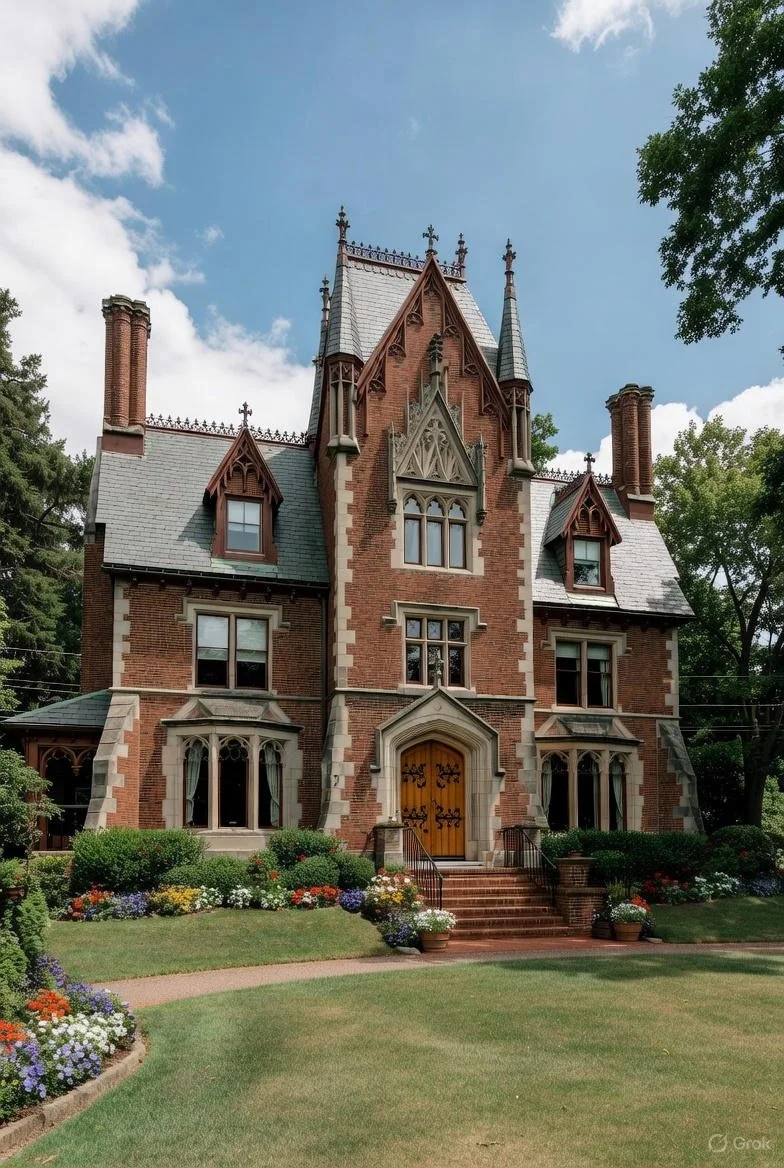
Owning a brick home offers enduring benefits like durability and energy efficiency, balanced against considerations such as cost and moisture management, all informed by historical building practices. Maintenance, when approached with regular inspections and an understanding of material science, ensures these structures remain viable for generations. Incorporating treatments like German Smear can enhance aesthetic and protective qualities, underscoring the importance of breathable finishes in preserving architectural heritage.
Looking to DIY?
Checkout SmearTech’s Signature White™ Mortar and German Smear Tools.