

Types of Sand in Mortar and Their Influence on Cured Texture in German Smear Finishes
Mortar has been a fundamental building material since ancient times, with sand comprising the bulk of its volume in traditional lime- or cement-based mixes. Historically documented in European masonry from Roman pozzolanic mortars to medieval lime-sand combinations, sand provides structural filler while the binder (lime or cement) holds it together. Understanding sand variations is essential for achieving desired material behavior, particularly in decorative finishes like German Smear (also known as mortar wash or Schmear), which applies a thin mortar layer over brick for an aged, irregular texture distinct from smooth limewash or opaque painted brick.
Types of Sand Used in Masonry Mortar
Mortar sands vary by source, particle size, shape, and grading, each suited to specific historical or modern applications.
Common Classifications
Sharp sand (also called concrete sand or grit sand): Coarser grains with angular particles, often from crushed rock or quarried sources.
Soft sand (also called builders sand or masonry sand): Finer grains with more rounded particles, typically from river or pit sources.
Well-graded sand: Contains a mix of particle sizes for optimal packing, commonly used in historic European lime mortars.
River sand: Naturally rounded and smooth, historically prevalent in regions with abundant waterways.
Sea or dune sand: May include finer particles or impurities, occasionally used in coastal European traditions but requiring washing.
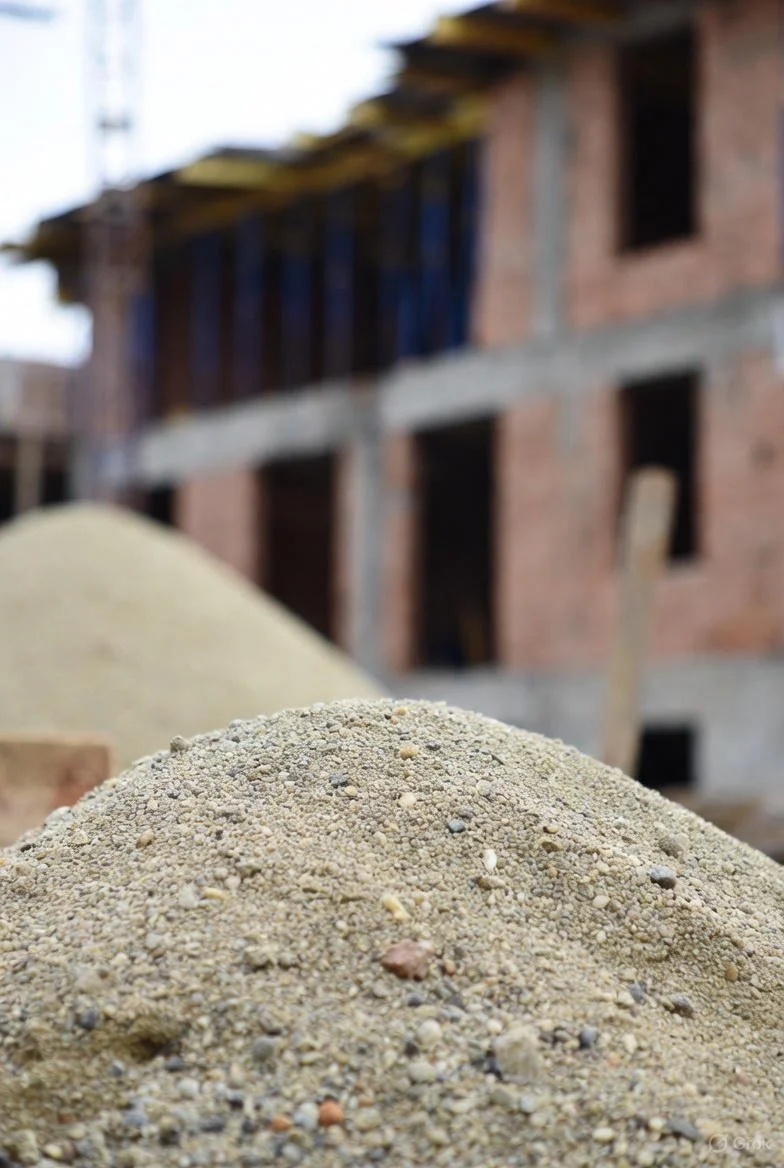
Historical Context
In European building traditions, local sands were used, such as river-derived rounded sands in lime mortars for medieval structures or sharper quarry sands in later mixes. Analysis of historic mortars shows ratios adjusted to available sand characteristics for breathability and durability.
Impact of Sand Grain Characteristics on Cured Mortar Texture
Sand grain size, shape, and grading influence mortar properties through building-science principles like particle packing, water demand, and surface adhesion.
Grain Size Effects
Finer grains (e.g., soft or masonry sand) produce smoother cured textures due to tighter packing and lower water demand for workability.
Coarser grains create rougher, more open textures as larger particles protrude and increase porosity.
Particle Shape Effects
Angular particles (sharp sand): Provide mechanical interlocking, higher strength, and rougher cured surfaces from protruding edges.
Rounded particles (river or soft sand): Yield smoother textures with better flow but potentially lower cohesion.
Grading and Material Behavior
Well-graded sands minimize voids, enhancing density and reducing shrinkage cracks. Poorly graded sands increase water retention, affecting vapor permeability and freeze-thaw resistance in climates with temperature fluctuations.
Angular, coarser sands: Rough, gritty cured texture; higher compressive strength but reduced workability.
Rounded, finer sands: Smooth, even cured texture; improved spreadability but potential for increased shrinkage.
Mixed grading: Balanced texture with controlled porosity, supporting breathability in lime-based mortars.
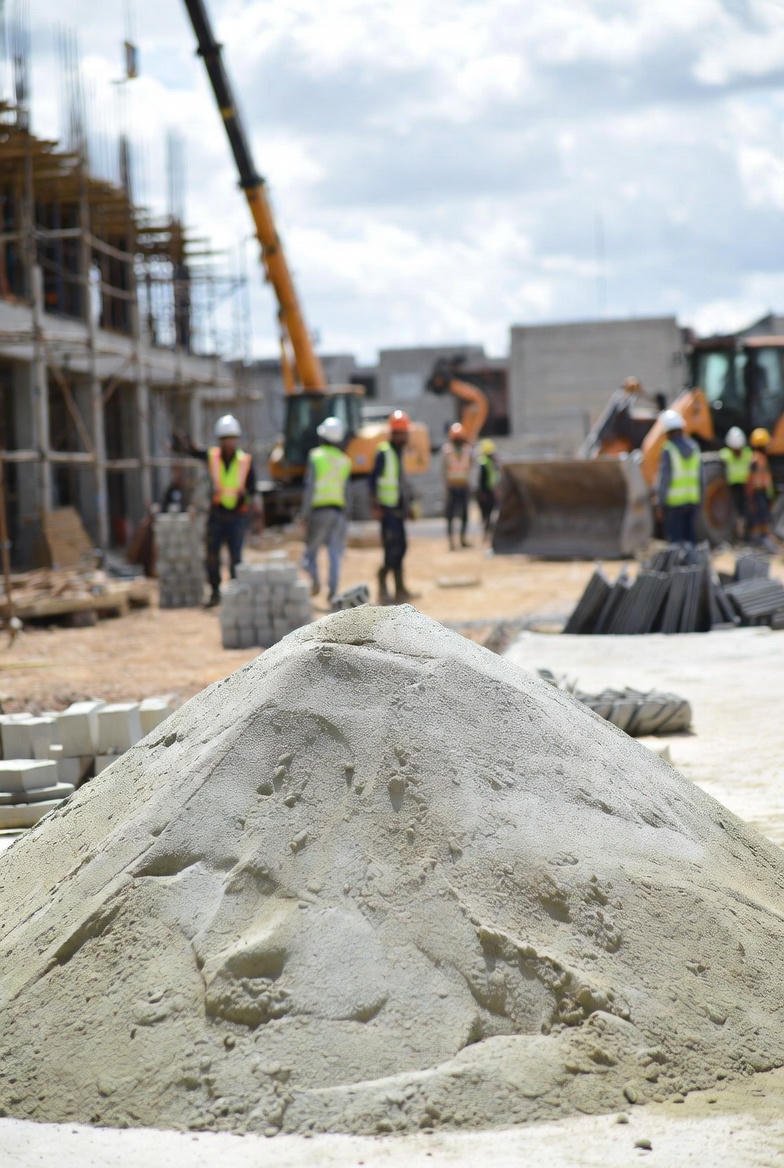
Influence on German Smear Finishes
German Smear involves applying wet mortar over brick and partially removing it for a distressed, old-world appearance, differing from thin limewash (breathable but smooth) or whitewash (paint-based and less textured) and painted brick (impermeable and flat).
Texture Outcomes
The sand in the mortar mix determines the finish's visual and tactile qualities:
Coarser or angular sands yield heavier, more rugged textures with visible grain and irregular buildup, enhancing the rustic European aesthetic.
Finer or rounded sands produce subtler, smoother smears with less protrusion, resulting in a softer, more uniform distressed look.
Application variables (mortar thickness and wiping) interact with sand characteristics to control coverage and depth.
Building Science Considerations
Mortar in German Smear must adhere well while allowing vapor permeability to prevent moisture trapping behind brick. Angular sands improve adhesion principles through mechanical bond, while breathability depends on overall porosity influenced by grain packing. In freeze-thaw climates, coarser textures may increase surface exposure but support evaporation if properly formulated.
Conclusion
Sand selection in mortar profoundly shapes cured texture through verifiable principles of particle interaction, packing density, and material behavior. In German Smear, coarser angular grains favor bold rustic finishes, while finer rounded grains support subtler effects, all grounded in historical European mortar traditions emphasizing compatibility and durability.
Looking to DIY?
Checkout SmearTech’s Signature White™ Mortar and German Smear Tools.
