

Glazed Bricks: Origins of the Glossy Appearance in Brick Construction
Glazed bricks represent a specialized category of masonry units distinguished by their shiny, glass-like surface, achieved through the fusion of a ceramic glaze to the brick body. Documented as early as ancient Mesopotamian architecture, including the Ishtar Gate in Babylon around 575 BCE, this treatment combines aesthetic enhancement with functional protection. In contrast to traditional unglazed face bricks, which rely on the natural porosity and texture of fired clay, glazed bricks introduce a non-porous layer that alters material behavior in architectural applications, particularly in terms of moisture management and long-term performance.
Causes of Glossy Appearance in Bricks
Manufacturing Process and Vitrification
The glossy appearance in bricks primarily results from intentional glazing or incidental vitrification.
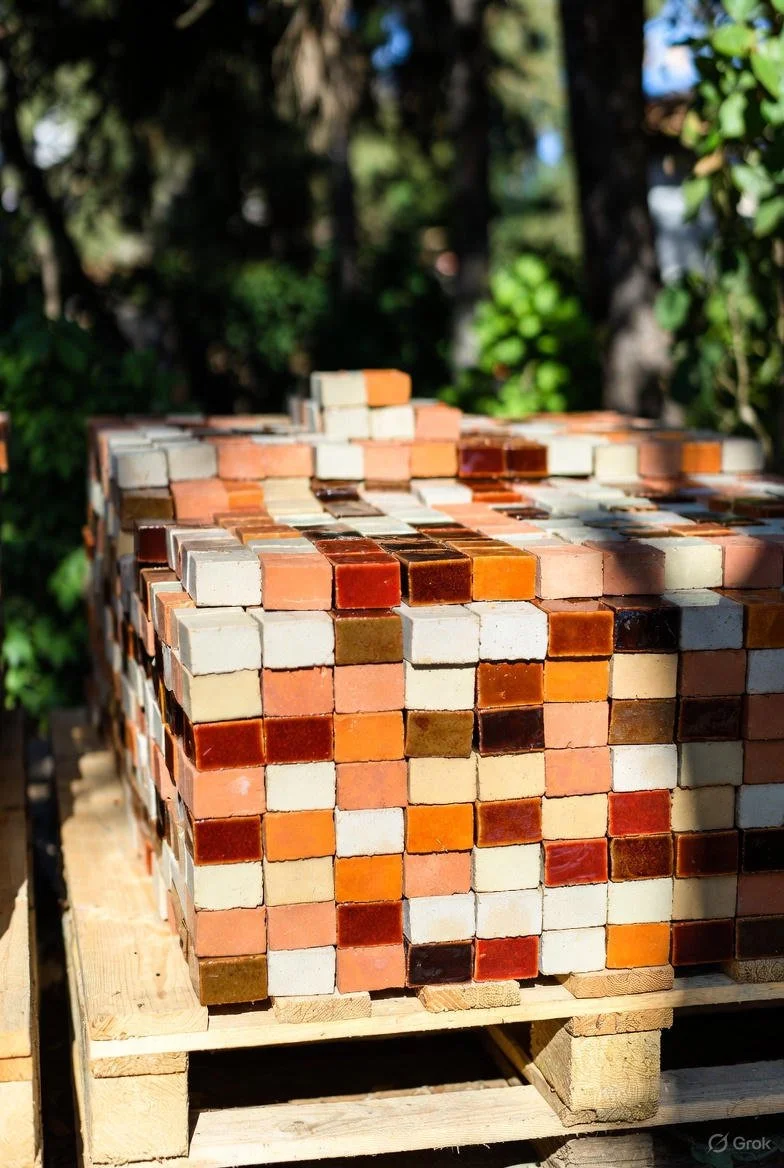
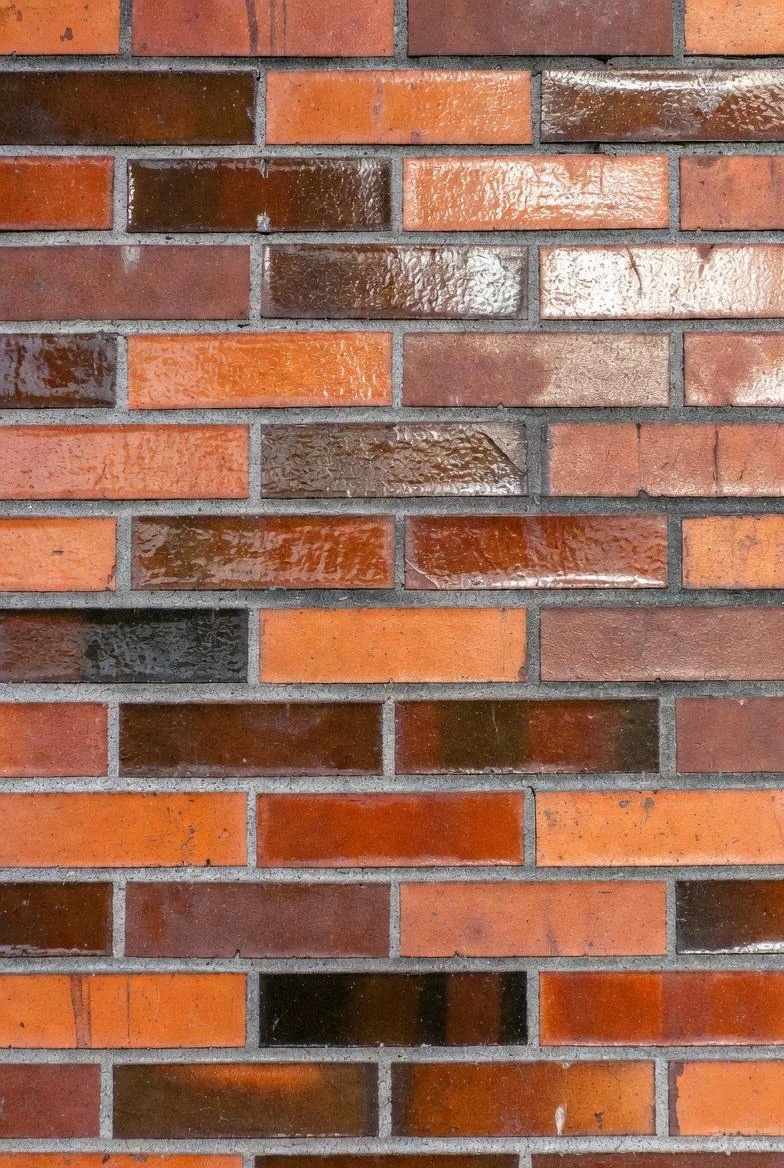
Ceramic Glazed Bricks: A ceramic glaze compound is applied to one or more faces of the brick before a second high-temperature firing. This fuses the glaze into a vitreous (glass-like) coating, creating a smooth, shiny surface available in various colors and finishes.
Vitrified or Clinker Bricks: Overfiring in traditional kilns causes partial melting of the clay surface, forming a natural glassy layer. Commonly seen in early 20th-century clinker bricks, this produces an irregular, dark, shiny finish but is less controlled than modern glazing.
Traditional red or face bricks lack this gloss, exhibiting a matte, porous surface from standard firing temperatures.
Historical and Architectural Context
Glazed bricks have been employed since antiquity for both decorative and protective purposes. In ancient civilizations, vibrant glazed bricks adorned monumental structures while shielding against weathering. In European traditions, salt-glazing techniques emerged in pottery and were adapted to bricks. Modern glazed bricks gained prominence in institutional buildings, such as mid-20th-century hospitals and schools, where hygiene and resistance to industrial pollution were priorities. Architecturally, the gloss provides reflective qualities and color stability, contrasting with the textured, breathable nature of unglazed brick in historic European masonry.
Purpose of the Glossy Finish
Building Science Principles
The glaze forms an impervious layer that significantly reduces water absorption and porosity compared to traditional bricks.
Moisture and Stain Resistance: Prevents penetration by water, chemicals, graffiti, and frost, minimizing damage in wet or polluted environments.
Abrasion and Impact Tolerance: The hard vitreous surface withstands wear, making it suitable for high-traffic areas.
Hygiene and Cleaning: Non-porous quality facilitates easy removal of dirt, historically valuable in smoky industrial eras.
In climate considerations, glazed bricks excel in freeze-thaw cycles by blocking liquid water ingress, though proper drainage systems are required to manage any moisture entering joints.
Downsides of Glossy Glazed Bricks
Material Behavior and Limitations
While durable, the impervious glaze introduces specific drawbacks rooted in building science.
Reduced Vapor Permeability: Unlike porous traditional bricks that allow moisture vapor to escape (breathability), the glaze traps vapor, potentially leading to internal condensation or joint deterioration if not paired with vented drainage walls.
Higher Weight and Cost: Double firing and glazing increase production energy and material expenses; glazed units are heavier, affecting structural design.
Incompatibility with Surface Treatments:
German Smear (or mortar wash) requires adhesion to a porous brick surface; the smooth, non-absorptive glaze prevents proper bonding of mortar.
Painting or limewash similarly fails to adhere reliably, as the vitreous layer rejects coatings designed for absorbent clay.
Distinctions: German Smear involves troweling cementitious mortar over bare brick for textured antiquing; limewash uses breathable slaked lime; whitewash is thinned paint; painted brick seals with opaque latex. None perform effectively on glazed surfaces.
Potential for Damage: Glaze is prone to chipping during handling; repairs are difficult without visible mismatch.
In freeze-thaw prone climates, while the face resists water, overall wall assembly must accommodate reduced breathability to avoid trapped moisture issues.
Conclusion
The glossy appearance of glazed bricks stems from ceramic glazing or vitrification, providing an impervious, low-maintenance surface rooted in ancient protective traditions. This finish enhances resistance to moisture, staining, and wear but compromises vapor permeability and excludes modifications like German Smear or painting due to poor adhesion on non-porous faces. These characteristics make glazed bricks suitable for specific hygienic or exposed applications while highlighting the breathable advantages of traditional unglazed brick in many historic and conservation contexts.
Looking to DIY?
Checkout SmearTech’s Signature White™ Mortar and German Smear Tools.
