

Materials Used in Brick Production: Historical and Modern Perspectives
The materials selected for brick production profoundly influence the durability, thermal performance, and architectural suitability of masonry structures. Historically, bricks originated from locally available earths, evolving from unfired mud mixtures in ancient civilizations to kiln-fired clay units in Roman and medieval Europe. This progression reflects advancements in material science, where composition affects vapor permeability, freeze-thaw resistance, and adhesion in mortar joints—principles central to historic European building traditions and relevant to treatments like mortar washes.
Historical Materials in Brickmaking
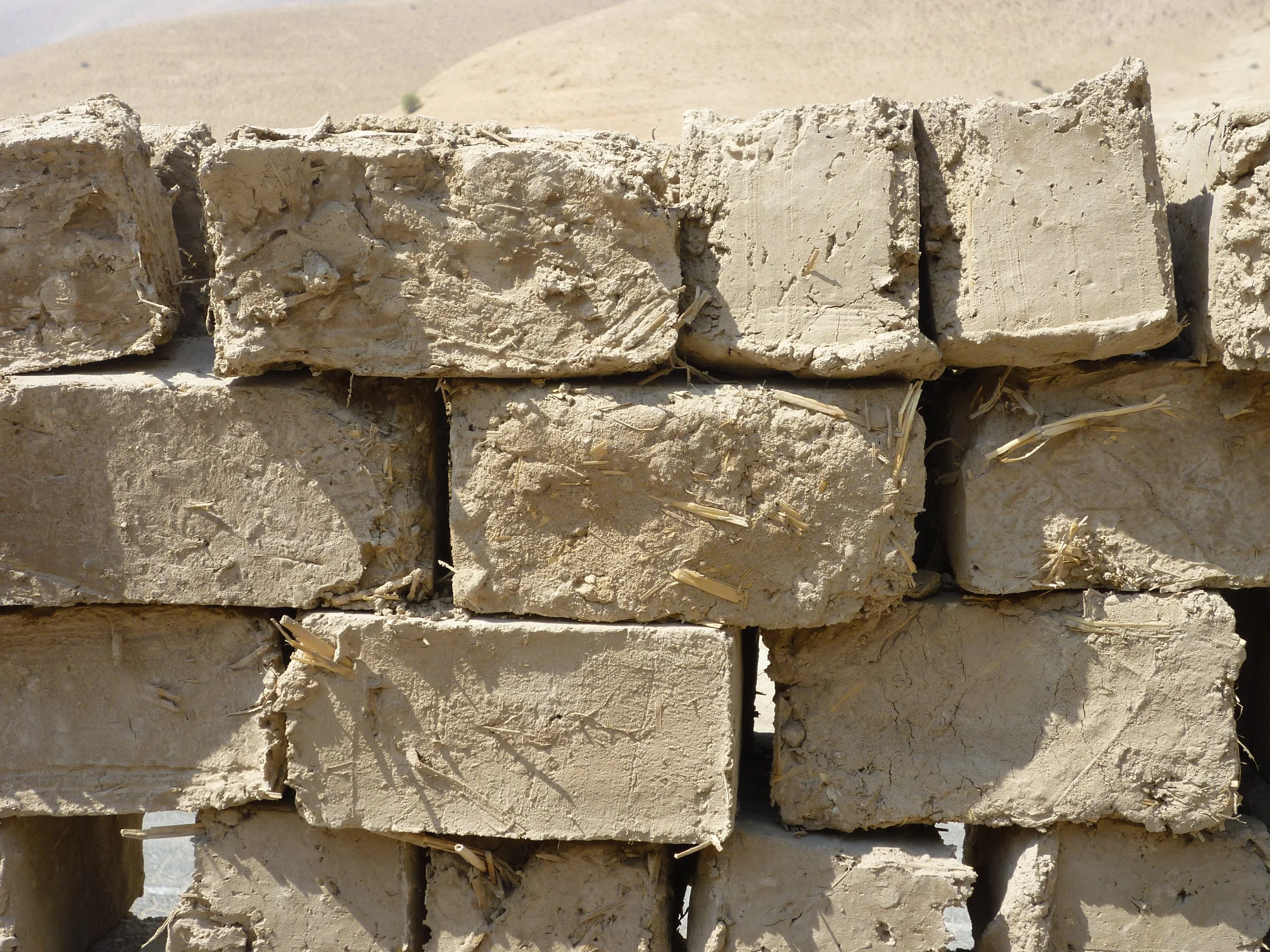
Unfired Earth Bricks (Adobe and Mudbricks)
Unfired bricks represent the earliest form of manufactured building units, documented as early as 9000 BCE in the Near East.
Primary components: Mixtures of clay, silt, sand, and water, often tempered with organic materials such as straw, grass, or dung for binding and crack prevention.
Material behavior: High clay content provides plasticity during forming but leads to shrinkage upon drying; organic tempers improve tensile strength and reduce cracking.
Climate considerations: Suitable for arid regions due to vulnerability to moisture erosion; thick walls compensate for lower compressive strength.
Historical context: Widely used in ancient Egypt, Mesopotamia, and the Indus Valley for load-bearing structures.
Traditional Fired Clay Bricks
Fired clay bricks emerged around 3500 BCE, becoming dominant in European architecture from Roman times onward.
Primary Raw Materials
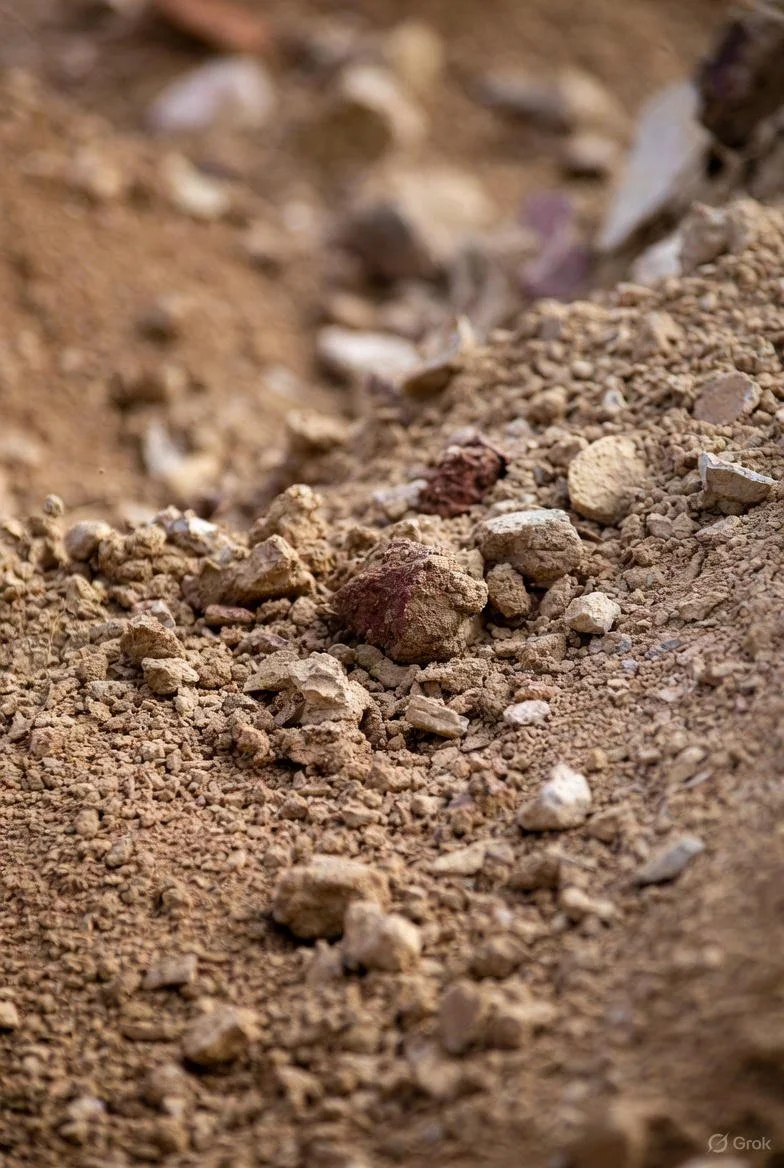
Clays and shales: Aluminosilicate minerals (primarily kaolinite, illite, or montmorillonite) forming the plastic base; European traditions often utilized riverine or glacial clays rich in silica (50–60%) and alumina (20–30%).
Sand or quartz: Added to reduce shrinkage and improve firing stability.
Minor natural impurities: Iron oxides (for red coloration), lime (for buff tones), and magnesia.
Common Clay Types in Historical Production
Surface clays and shales: Commonly quarried locally in medieval and Renaissance Europe for general building bricks.
Fireclays: Higher alumina content for greater refractoriness, used in specialized applications.
Ball clays: Highly plastic secondary clays blended for workability, though less common in pure historical forms.
Additives: Limited to natural grog (pre-fired clay fragments) or temper in early periods; no synthetic modifiers.
Firing process: Kiln temperatures of 900–1100°C vitrify the clay, forming a dense matrix with good compressive strength and moderate vapor permeability.
Architectural context: Enabled thinner walls and durable facades in Gothic and Renaissance structures across northern Europe.
Modern Materials in Brick Production
Fired Clay Bricks (Contemporary)
Modern fired bricks retain historical clay bases but incorporate refined processing.
Blended clays: Combinations of shale, kaolin, ball clay, and fireclay for optimized plasticity and firing characteristics.
Additives: Controlled amounts of sand, grog, iron oxide (for color), or fluxes to lower firing temperatures.
Material behavior: Enhanced freeze-thaw resistance through controlled porosity; breathability supports compatibility with lime-based mortars in historic contexts.
Non-Clay Brick Types
Alternative materials expand brick applications beyond traditional clay.
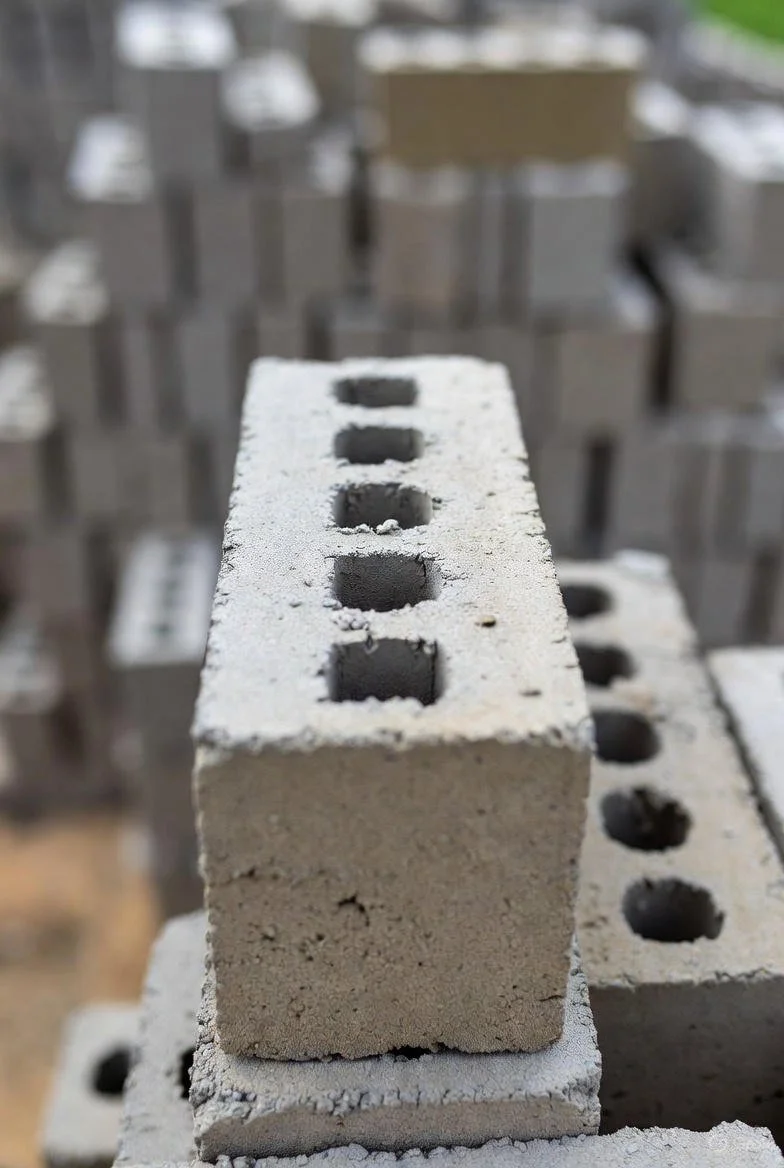
Concrete bricks: Cement, aggregates, and water; high strength but lower vapor permeability compared to clay.
Fly ash bricks: Fly ash (coal combustion byproduct), lime, gypsum, and sand; forms calcium silicate hydrates for binding, offering good durability in varying climates.
Calcium silicate bricks (sand-lime): High-silica sand reacted with lime under steam pressure; dense structure with low shrinkage.
Compressed earth blocks: Stabilized unfired earth with minimal cement; echoes adobe but with improved strength.
Material Properties and Building Science Considerations
Key distinctions in material behavior:
Breathability and vapor permeability: Fired clay bricks allow moisture movement, reducing condensation risks in historic masonry; concrete and calcium silicate types are less permeable.
Freeze-thaw behavior: Porous clay bricks resist cycling if properly fired; high-density alternatives perform well but may trap moisture if sealed.
Adhesion principles: Rough textures in clay bricks bond effectively with lime mortars; smoother modern types may require specific joint treatments.
Mortar composition compatibility: Traditional lime mortars align with clay's expansion properties, unlike cement-based systems that can stress brittle units.
Conclusion
Brick materials range from ancient unfired earth mixtures to refined fired clays and modern composites, each shaped by historical availability and building science needs. Traditional clay-based bricks remain valued for their breathability and compatibility with European mortar traditions, while alternatives address contemporary demands for strength and sustainability. Understanding these compositions informs appropriate use in architectural conservation and new construction.
Looking to DIY?
Checkout SmearTech’s Signature White™ Mortar and German Smear Tools.
