Comparing Resale Values: Brick Homes Versus Lap Siding and CMU Structures
Resale value in residential architecture reflects a combination of material durability, maintenance requirements, and market perceptions shaped by historical building traditions. Brick, a material with origins in ancient construction methods documented as early as Mesopotamian civilizations around 7000 BCE, provides a sturdy exterior that has been valued for centuries in European and American homes. Lap siding, typically made from wood, vinyl, or fiber cement, and CMU (concrete masonry units) structures, often used in modern builds for their affordability, represent alternative approaches. Understanding these differences matters from an architectural standpoint because they influence structural integrity, energy efficiency, and buyer preferences, ultimately affecting a property's market performance.
Historical Context of Exterior Materials
Brick construction has been a staple in architectural history, commonly used throughout Europe from the Roman era onward for its fire resistance and longevity. Documented in medieval building texts, brick facades were prized for their ability to withstand weathering, contributing to structures that endure for generations. Lap siding emerged in the 19th century with the rise of frame construction in North America, offering a lightweight alternative that allowed for quicker assembly. CMU, developed in the early 20th century as a mass-produced concrete block, gained popularity in post-World War II housing for its structural strength in load-bearing walls.
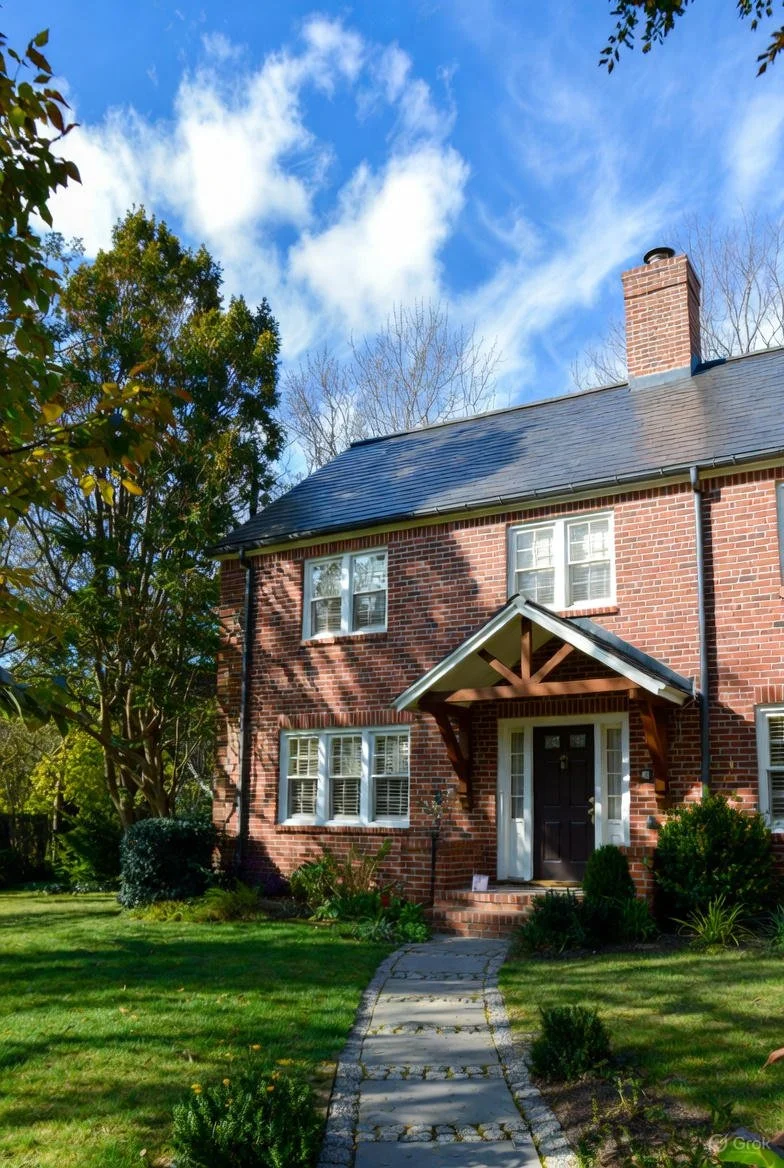
Brick's historical use in load-bearing and veneer applications has led to associations with premium quality in resale markets.
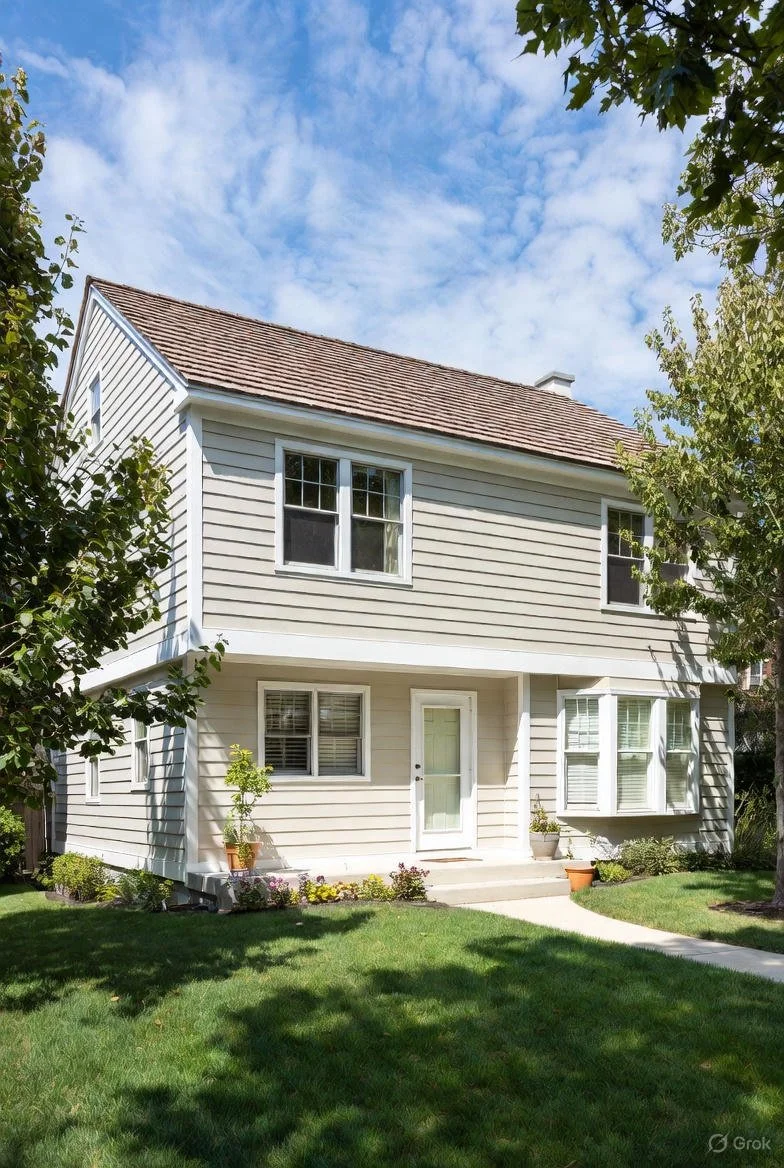
Lap siding's evolution from wood clapboard to modern synthetics reflects shifts toward cost-effective, insulated exteriors.
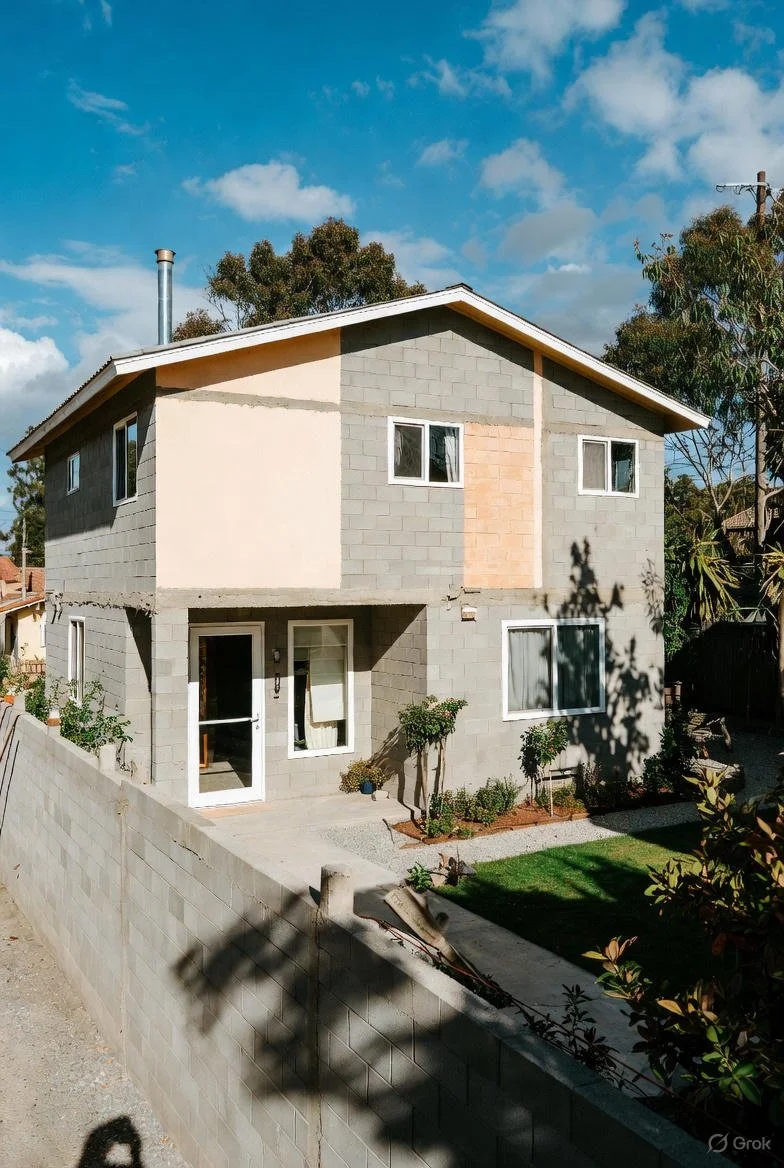
CMU's roots in industrial architecture emphasize utility over aesthetics, often requiring additional finishes for residential appeal.
Factors Influencing Resale Value
Resale value is determined by regional market trends, material performance, and buyer demographics. Brick homes generally appreciate more steadily due to their vapor-permeable nature, which allows moisture to escape and reduces issues like mold in humid climates. Lap siding, while versatile, can suffer from fading or warping, impacting curb appeal. CMU structures provide excellent compressive strength but may require parging or stucco for weatherproofing, influencing maintenance costs.
Durability: Brick resists freeze-thaw cycles better in cold regions, with a lifespan often exceeding 100 years, compared to lap siding's 20-50 years depending on material.
Maintenance: CMU demands less frequent repainting than lap siding but can crack in seismic areas, affecting long-term value.
Energy Efficiency: Brick's thermal mass helps regulate indoor temperatures, potentially lowering utility bills and boosting resale in energy-conscious markets.
Aesthetic Appeal: Historical brick treatments, such as mortar washes, enhance visual interest without altering breathability.
Data on Resale Value Comparisons
Real estate analyses indicate that brick exteriors can increase a home's resale value by 6-10% over comparable properties with other materials, based on national averages from appraisal studies. In suburban markets, brick homes sell faster and at higher prices due to perceived prestige. Lap siding homes, common in entry-level housing, may depreciate if not maintained, while CMU is more prevalent in commercial or affordable multifamily units, where resale focuses on structural reliability rather than style.
Brick vs. Lap Siding: Studies show brick homes retain 5-7% more value in resale, particularly in the Midwest and South, where climate favors masonry.
Brick vs. CMU: Brick often outperforms CMU in residential resale by 8-12%, as CMU is viewed as utilitarian and less desirable for single-family homes.
Regional Variations: In coastal areas, lap siding with fiber cement resists humidity better than wood, narrowing the value gap with brick.
Market Trends: Over the past decade, eco-friendly buyers favor breathable materials like brick, which aligns with sustainable architecture principles.
Building Science Considerations
From a material-science perspective, brick's high compressive strength and low thermal conductivity contribute to stable resale values by minimizing repair needs. Vapor permeability is key: brick allows walls to "breathe," preventing trapped moisture that can degrade lap siding over time. CMU, while dense, has similar permeability when ungrouted but often requires sealants that can reduce this benefit. Climate plays a role; in arid regions, all materials perform similarly, but in wet climates, brick's adhesion properties in mortar joints provide an edge.
Breathability: Brick scores higher in vapor transmission rates (around 10-20 perms) compared to vinyl lap siding (under 1 perm), reducing condensation risks.
Freeze-Thaw Resistance: CMU can withstand cycles if properly designed, but brick's fired clay composition offers superior performance in northern latitudes.
Mortar Composition: Traditional lime-based mortars in brickwork enhance flexibility, contrasting with rigid cement mixes in CMU.
Distinctions in Brick Treatments and Value
While not directly altering structural value, historical brick treatments like German Smear—a mortar-wash technique originating in German building traditions—influence aesthetic appeal and thus resale. German Smear involves applying a thin mortar layer over brick for a textured, aged look, distinct from limewash (a breathable calcium-based coating) or whitewash (a simpler lime-paint mix). These methods preserve brick's permeability, unlike full painting, which can trap moisture and lower value.
German Smear: Enhances curb appeal in historic districts, potentially adding 2-4% to resale by evoking European masonry styles.
Limewash vs. Whitewash: Limewash provides UV protection with high breathability, while whitewash is less durable; both are preferable to paint on brick.
Impact on Value: Treated brick homes maintain higher appraisals when methods align with conservation principles, avoiding adhesion failures.
Conclusion
Brick homes typically offer superior resale value compared to lap siding or CMU structures due to their historical durability, low maintenance, and architectural appeal. Key insights include the importance of material breathability and climate adaptation in preserving long-term worth. These factors underscore the enduring role of traditional masonry in modern real estate.
Looking to DIY?
Checkout SmearTech’s Signature White™ Mortar and German Smear Tools.