Prevalence of Brick Homes in the Southern United States
The southern United States experiences warm, humid climates with frequent storms, high termite activity, and abundant local clay deposits suitable for brick production. These factors have historically favored brick over wood in many areas, particularly in states like Texas, Arkansas, Mississippi, and the Carolinas.
Historical Context of Brick Use in the South
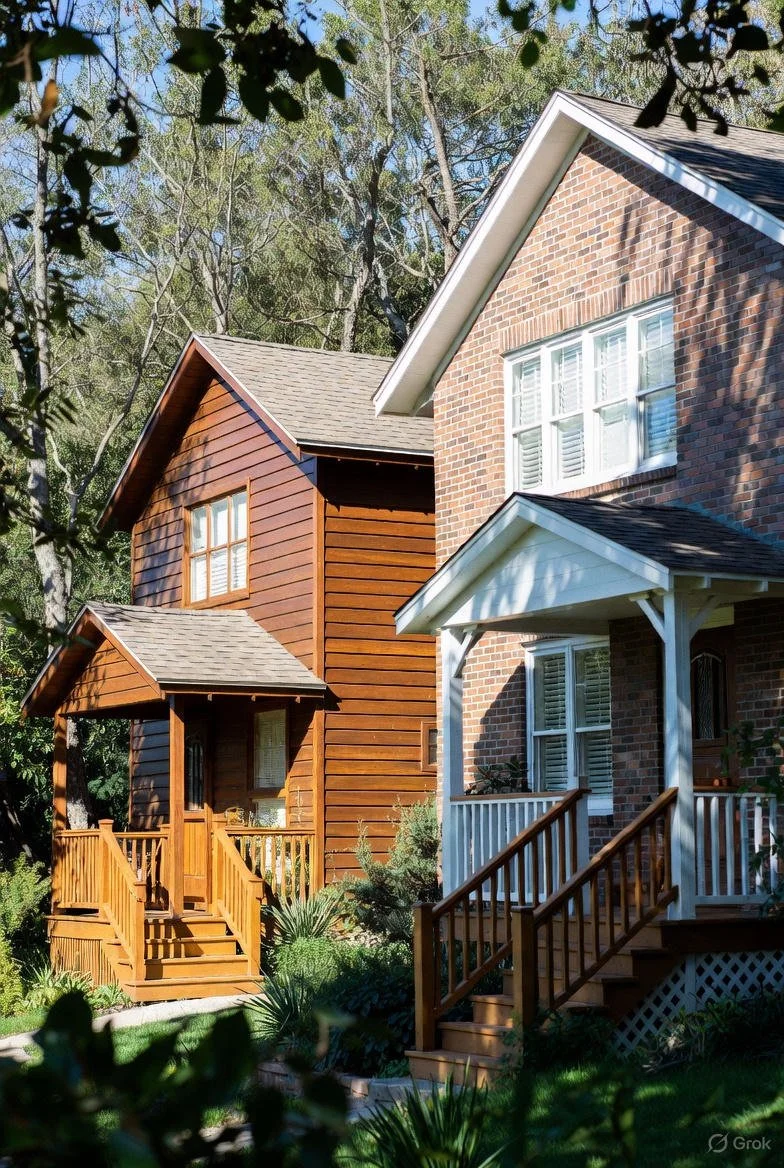
Brick construction in the American South traces its roots to European colonial influences, where fired clay bricks provided durable alternatives to timber in resource-variable regions.
Local clay abundance: Southeastern soils contain extensive red clay deposits, making brick production cost-effective and widespread from colonial times onward.
Early adoption: Documented as early as the 17th century in settlements along the Chesapeake Bay and extending southward, brick was used for plantation houses and urban buildings due to its availability and performance in humid conditions.
Post-colonial development: By the 19th century, on-site brick kilns were common, supporting antebellum architecture and later suburban growth.
In contrast, northern regions relied more on abundant timber frames due to vast forests and colder climates less conducive to clay-based materials.
Climate and Environmental Considerations
The southern climate—characterized by high humidity, heavy rainfall, and extreme weather—plays a key role in material selection.
Humidity and moisture: Brick's vapor permeability allows walls to breathe, reducing trapped moisture compared to some sealed wood exteriors.
Storm resistance: Brick exteriors offer greater resistance to wind-driven rain and debris in hurricane-prone areas.
Thermal behavior: Brick provides thermal mass, absorbing heat during the day and releasing it slowly, which can moderate indoor temperatures in hot climates.
Wood homes, while flexible in seismic events (less common in the South), are more vulnerable to moisture-related expansion, contraction, and degradation in persistent humidity.
Durability Comparison: Brick versus Wood Construction
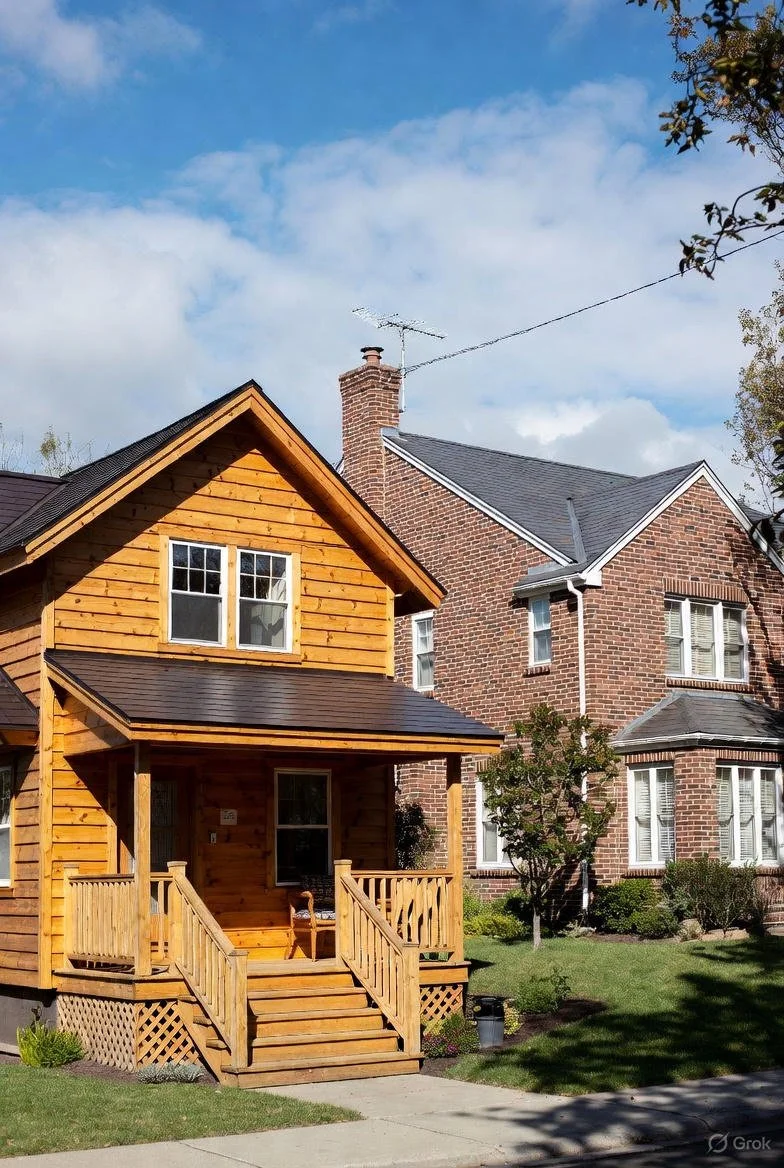
Durability encompasses resistance to pests, fire, weather, and structural longevity.
Pest resistance: Brick is impervious to termites, which thrive in southern soils and pose significant risks to wood structures. Modern southern homes often use brick veneer over wood frames, reducing direct wood exposure while maintaining some structural flexibility.
Fire resistance: Fired clay brick is non-combustible, providing substantial fire barrier properties. Tests indicate brick walls can withstand severe fire exposure longer than wood or synthetic sidings.
Weather and impact: Brick resists rot, warping, and impact from debris, with lifespans exceeding 100 years in proper conditions. Wood is susceptible to rot, insect damage, and UV degradation.
Key Durability Factors:
Termite vulnerability: High in untreated wood; negligible in brick.
Fire spread potential: Rapid in wood frames; significantly delayed in brick.
Freeze-thaw cycles: Less prevalent in the South, but brick performs well where occasional freezes occur.
Overall lifespan: Brick structures commonly documented lasting centuries; wood frames typically 100–150 years with maintenance.
Ease of Maintenance: Brick versus Wood Homes
Maintenance requirements differ markedly due to material behavior.
Brick maintenance: Primarily involves occasional inspection for mortar joint deterioration (repointing as needed) and cleaning to remove efflorescence or dirt. No painting or sealing required.
Wood maintenance: Requires periodic painting, staining, or sealing to protect against moisture, UV damage, and pests; siding may warp, split, or fade.
Maintenance Activities:
Brick: Repointing mortar (every 20–50 years depending on exposure); pressure washing for appearance.
Wood siding: Repainting (every 5–10 years); repairs for rot or insect damage; sealing against moisture intrusion.
In humid southern conditions, wood demands more frequent intervention to prevent mold, rot, and pest entry.
Conclusion
The widespread use of brick in southern U.S. homes reflects adaptations to local clay resources, humid climates, pest pressures, and storm risks, grounded in centuries of documented building practices. Compared to wood construction, brick offers superior durability against fire, pests, and weathering, alongside lower long-term maintenance needs. These material properties contribute to brick's enduring role in southern architectural traditions, providing reliable performance in challenging environmental conditions.
Looking to DIY?
Checkout SmearTech’s Signature White™ Mortar and German Smear Tools.