Why Fired Clay Brick Has Been Used for Centuries To Build Homes
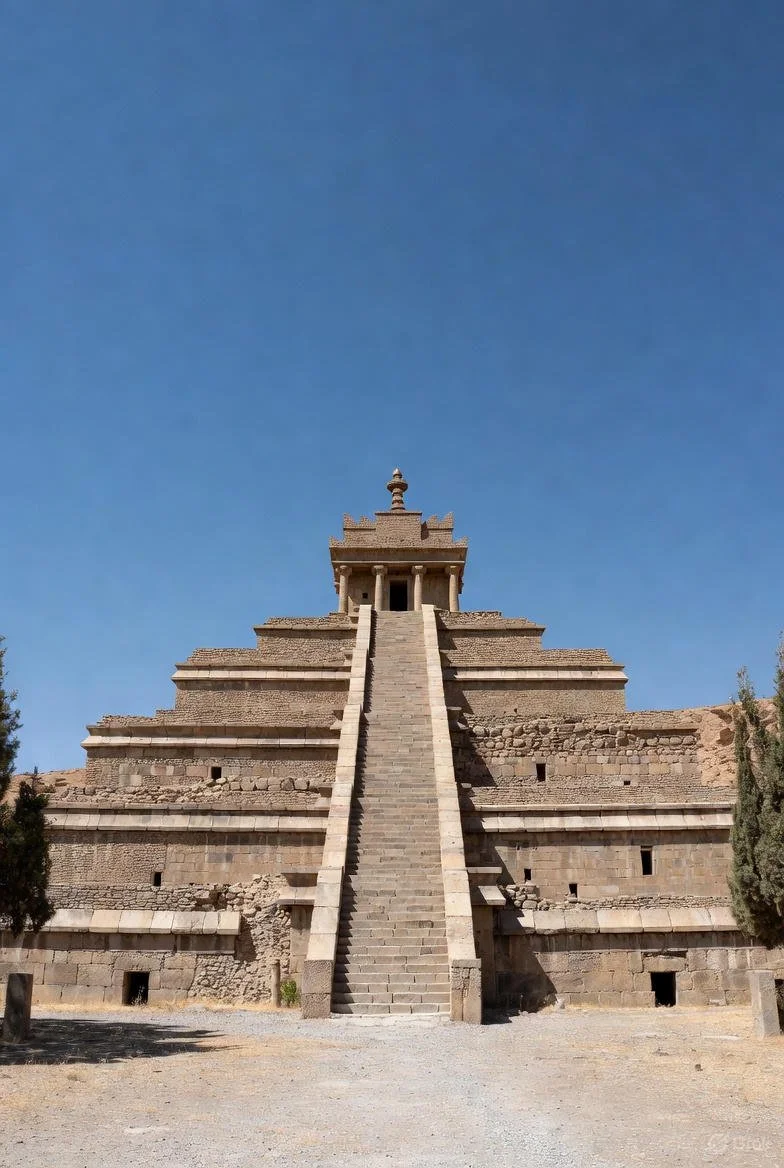
From the ziggurats of Ur to the townhouses of 18th-century London and Charleston, fired clay brick has been the default choice whenever a society required walls expected to outlast multiple human generations. Archaeological evidence and standing historic fabric show that brick structures routinely achieve 300–1,500 years of service life when regional climatic conditions and traditional detailing are respected.
Key Material Properties That Enable Centuries-Long Performance
Raw Material Abundance and Simplicity
Clay and shale suitable for brickmaking occur on every continent.
The manufacturing process—forming, drying, and firing at 900–1,200 °C—has remained fundamentally unchanged since the Neolithic period, requiring only earth, water, and fuel.
Compressive Strength and Load-Bearing Capacity
Well-fired common brick achieves 10–30 MPa compressive strength, sufficient for load-bearing walls up to six stories in pre-20th-century construction.
Roman and medieval multi-story insulae and Flemish bond townhouses demonstrate this capacity in daily use after 400–900 years.
Resistance to Environmental Degradation
Firing drives off chemically bound water and converts clay minerals to a ceramically bonded matrix, rendering the unit impervious to rot, insects, and rodents.
Unlike timber, brick is non-combustible (ASTM E119 2–4 hour ratings typical for 200–300 mm walls).
High-temperature vitrification in hard-burned brick creates low water absorption (typically 5–12 %), minimizing freeze-thaw spalling in temperate climates.
Dimensional and Chemical Stability
Once fired, brick undergoes no further shrinkage or expansion beyond negligible thermal movement (coefficient ≈ 5–8 × 10⁻⁶/°C).
Contains virtually no soluble salts when properly manufactured, preventing long-term efflorescence and crypto-florescence damage common in concrete products.
Vapor Permeability and Breathability When Used with Lime Mortar
Fired clay brick itself: 10–20 perms (highly permeable).
Historic lime mortars (non-hydraulic or feebly hydraulic): 10–15 perms.
This matched permeability allows walls to dry bidirectionally, preventing the interstitial condensation that destroys impermeable modern assemblies.
Historical Evidence of Multi-Century Durability
Ancient and Classical Periods
Indus Valley cities (2600–1900 BCE): standardized fired bricks still intact after 4,500 years of burial and exposure.
Roman Empire (100 BCE–400 CE): opus latericium apartment blocks and aqueducts remain standing after 1,800–2,000 years.
Medieval and Early Modern Europe
11th–14th-century brick Gothic structures in northern Germany, Poland (Malbork Castle), and the Hanseatic League cities routinely exceed 700–900 years of continuous use.
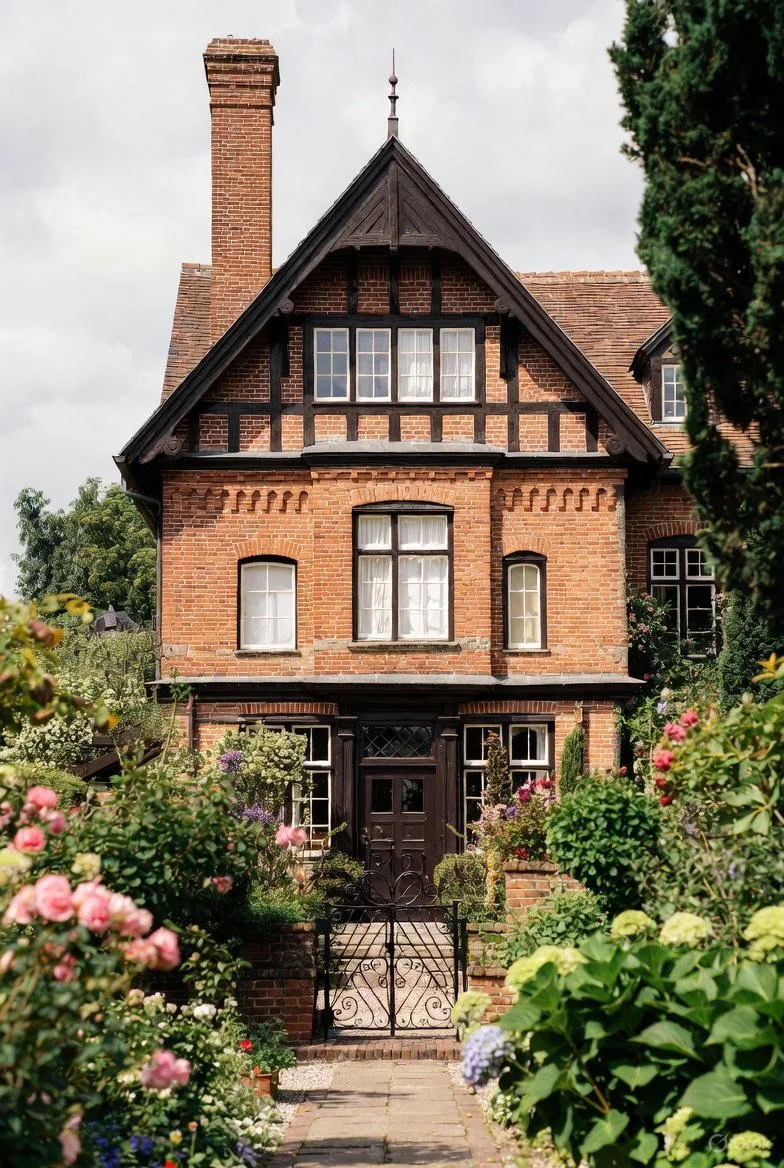
English bond and Flemish bond brick houses built 1600–1800 in London, Bath, and colonial America remain occupied with original walls intact.
19th–20th Century Validation
Millions of solid-masonry row houses in Baltimore, Philadelphia, and Brooklyn (1850–1910) built with soft red brick and lime mortar show negligible structural deterioration after 110–170 years despite minimal maintenance.
Essential Detailing Practices That Preserve Brick Longevity
Thick walls (230–440 mm common historically) provide redundancy against surface erosion.
Lime-based mortars act as sacrificial joints, accommodating micro-movement and self-healing via carbonation.
Wide roof overhangs (600–1200 mm) and elevated foundations prevent rising damp and splash-back—features universal in surviving pre-1900 brick buildings.
Repointing with lime mortar every 100–200 years removes almost no original fabric and restores breathability.
Modern Misconceptions and Failures When Principles Are Abandoned
Use of high-Portland-cement mortar (post-1950) creates impermeable joints that trap moisture and cause face spalling within 30–70 years.
Direct application of Portland-cement stucco or sealant paints blocks vapor drive and accelerates deterioration.
Thin brick veneer anchored to wood-frame backups decouples the cladding from the historical load-bearing and breathable system, reducing expected life to 50–100 years.
Conclusion
Fired clay brick has endured as a house-building material for millennia because it is simultaneously strong, inert, locally available, fireproof, and—when combined with lime mortar—vapor-permeable. The thousands of brick structures still in daily use after 300–2,000 years are not museum pieces; they are empirical proof that these material properties and detailing principles produce walls capable of lasting essentially indefinitely with periodic repointing and basic roof maintenance.
Looking to DIY?
Checkout SmearTech’s Signature White™ Mortar and German Smear Tools.