

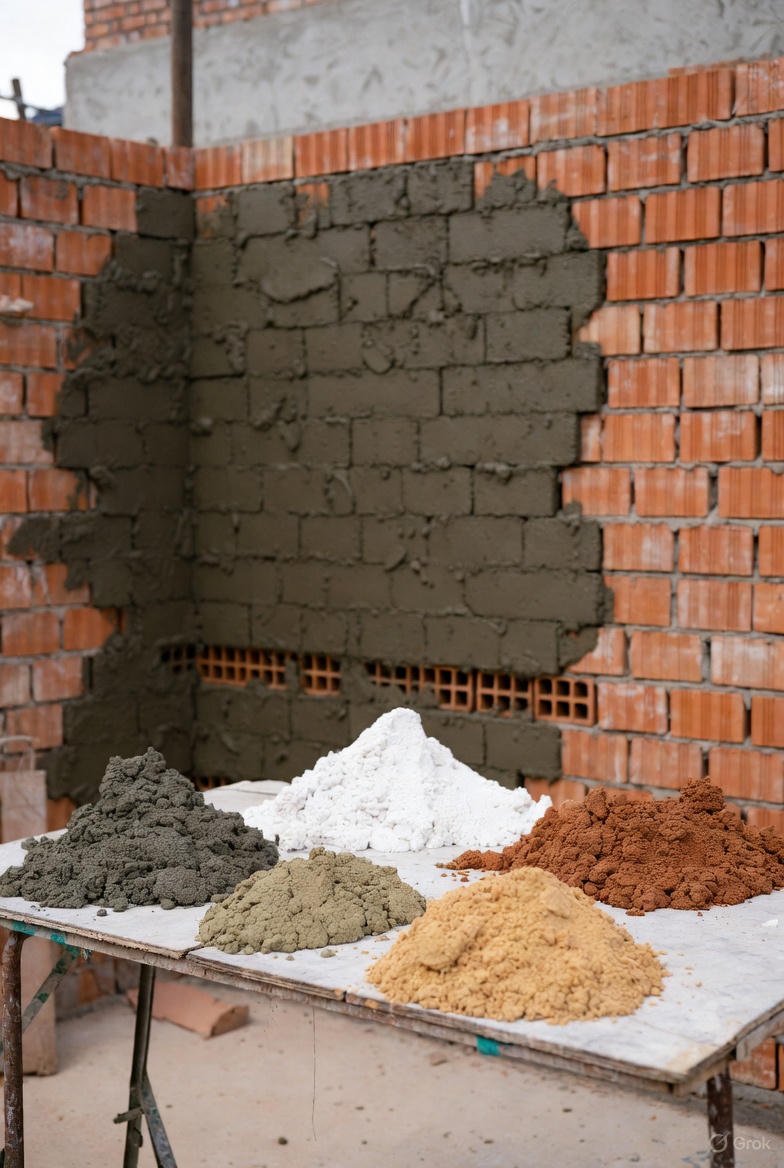
Color Options in German Smear: Pigmentation and Substrate Interaction
German smear achieves its color through iron oxide pigments added to masonry mortar, producing a range of whites, grays, beiges, and muted earth tones. These pigments integrate permanently during hydration and interact with the underlying brick to create soft, layered effects that preserve texture and breathability. The resulting palette offers subtle alternatives to painted brick while remaining rooted in traditional mortar-wash practices.

Why Painting Your Brick Is a Mistake—and How German Smear Is the Smarter Choice
Tired of your home’s dated brick exterior and thinking about slapping on a fresh coat of paint? Hold that thought—painting your brick could lead to costly issues down the road.

The Historical Origins and Use of German Smear: A Timeless European Technique
German Smear, also known as Schmear, is a centuries-old technique that originated in Germany and has since become a beloved style in both European and contemporary architecture. This method involves applying a thin layer of mortar over brick or stone, creating a rustic, textured, whitewashed appearance. It was originally developed for both practical and aesthetic purposes and continues to captivate homeowners today with its timeless charm.

Beyond Rustic: How German Smear Can Transform Any Style of Home
German Smear is no longer just for farmhouses. This hand-applied mortar finish can go sleek, artistic, or even bold with color. From black and gray to green, blue—even glow-in-the-dark—this technique transforms brick into a one-of-a-kind exterior masterpiece.