

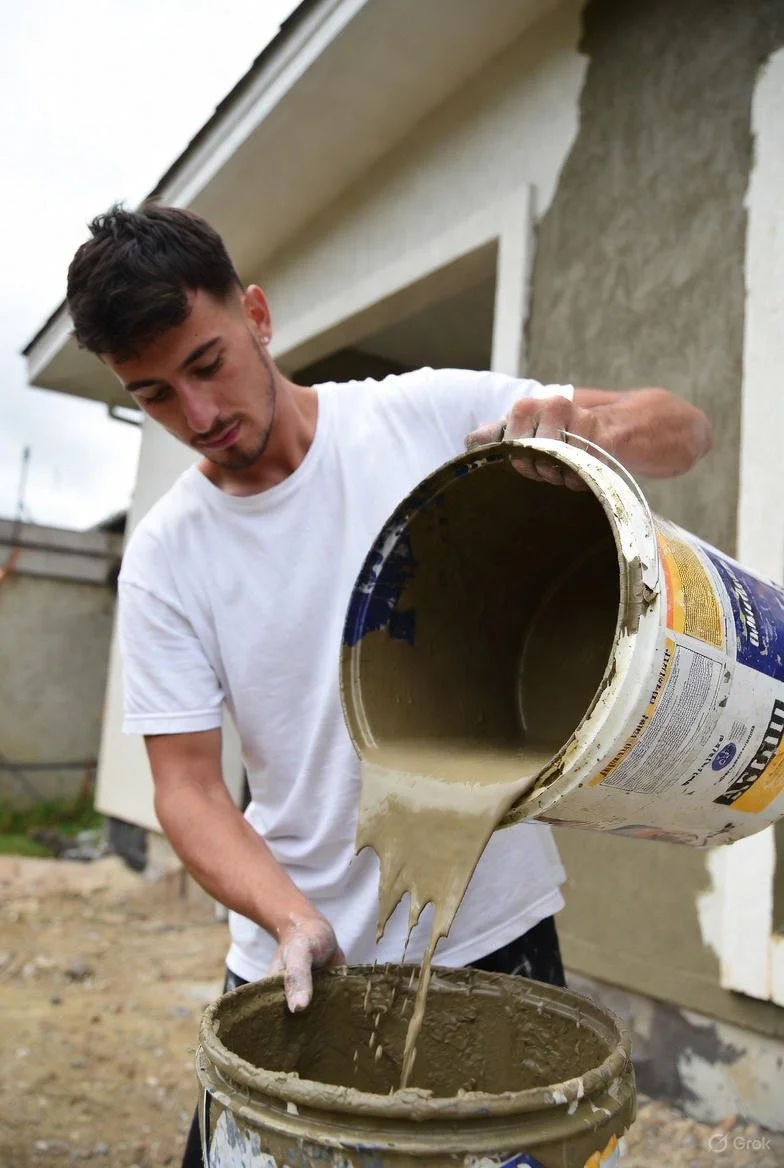
The Effects of Adding Paint to Mortar: Impact on Bonding, Setting, and Long-Term Performance
Adding latex or acrylic paint directly into wet mortar is a common DIY technique intended to tint German Smear or mortar wash applications. However, this practice significantly alters the mortar’s chemical hydration process, reduces bond strength, compromises vapor permeability, and increases the risk of long-term failure. Understanding the building-science consequences explains why traditional and conservation-grade methods deliberately avoid paint additives.
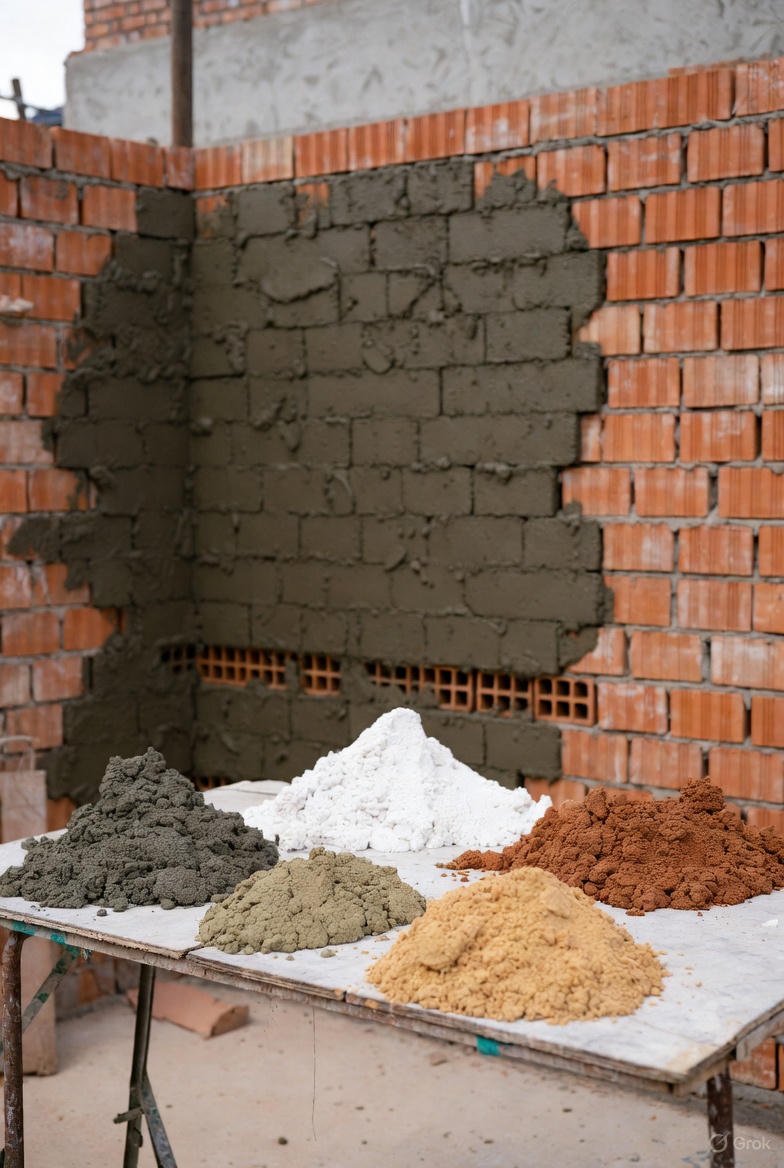
Color Options in German Smear: Pigmentation and Substrate Interaction
German smear achieves its color through iron oxide pigments added to masonry mortar, producing a range of whites, grays, beiges, and muted earth tones. These pigments integrate permanently during hydration and interact with the underlying brick to create soft, layered effects that preserve texture and breathability. The resulting palette offers subtle alternatives to painted brick while remaining rooted in traditional mortar-wash practices.
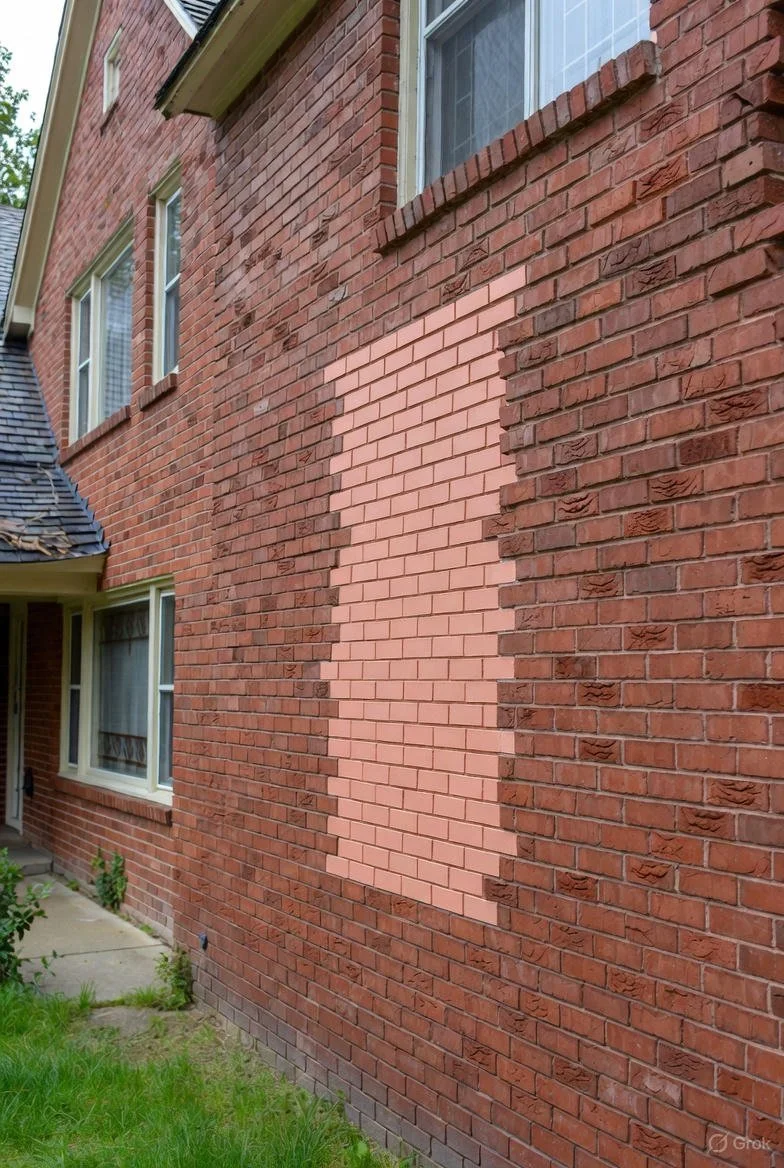
Five Reasons you may need German Smear on your home
German Smear originated as a functional repair method in Central European masonry practice, used to consolidate deteriorating joints, stabilize mismatched repairs, and restore weather resistance to solid brick walls. The technique applies a thin, vapor-permeable lime-mortar veil that mechanically locks into the existing substrate. The following five conditions represent historically documented scenarios where masons employed the method specifically for integrity rather than appearance.
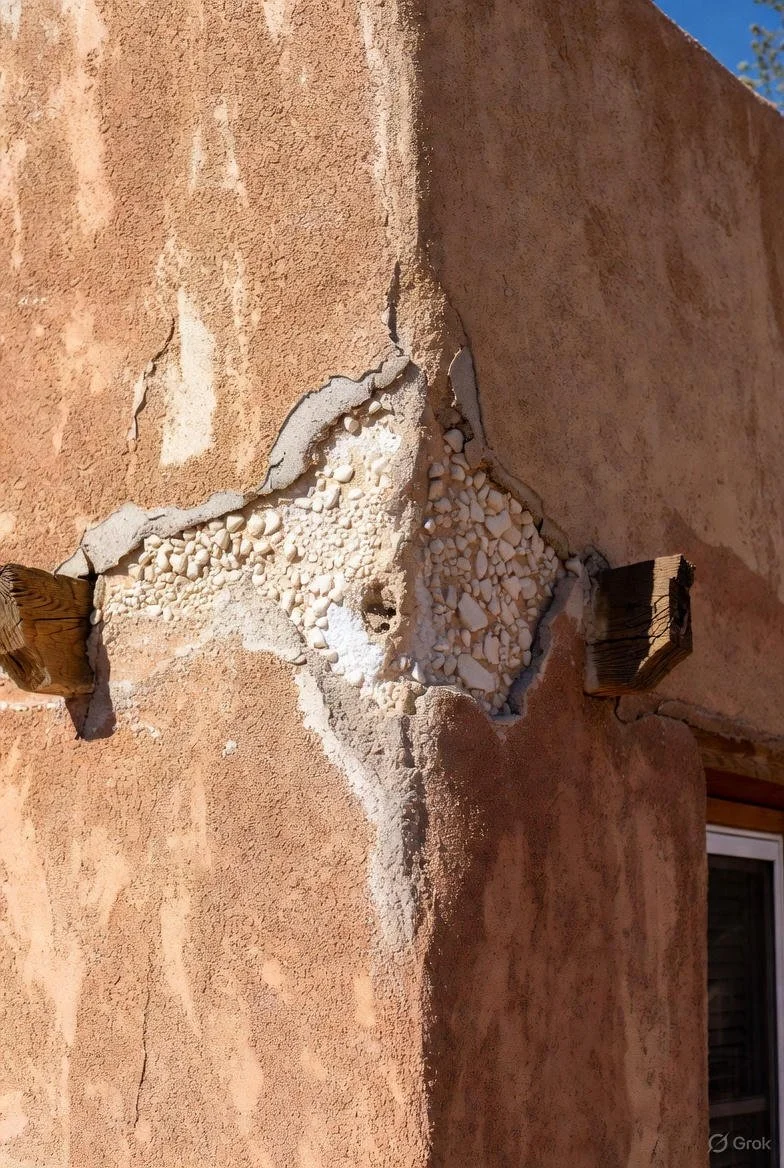
Integral Pigmentation in Stucco: Avoiding Surface Paint for Material Integrity
Stucco functions as a breathable cladding system that manages moisture through vapor diffusion. Surface paint creates an impermeable barrier leading to trapped moisture and structural stress, whereas integral pigmentation incorporates color throughout the mix without altering permeability. Documented in early 20th-century Southwestern architecture, this method supports long-term durability and aligns with stucco's traditional performance characteristics.
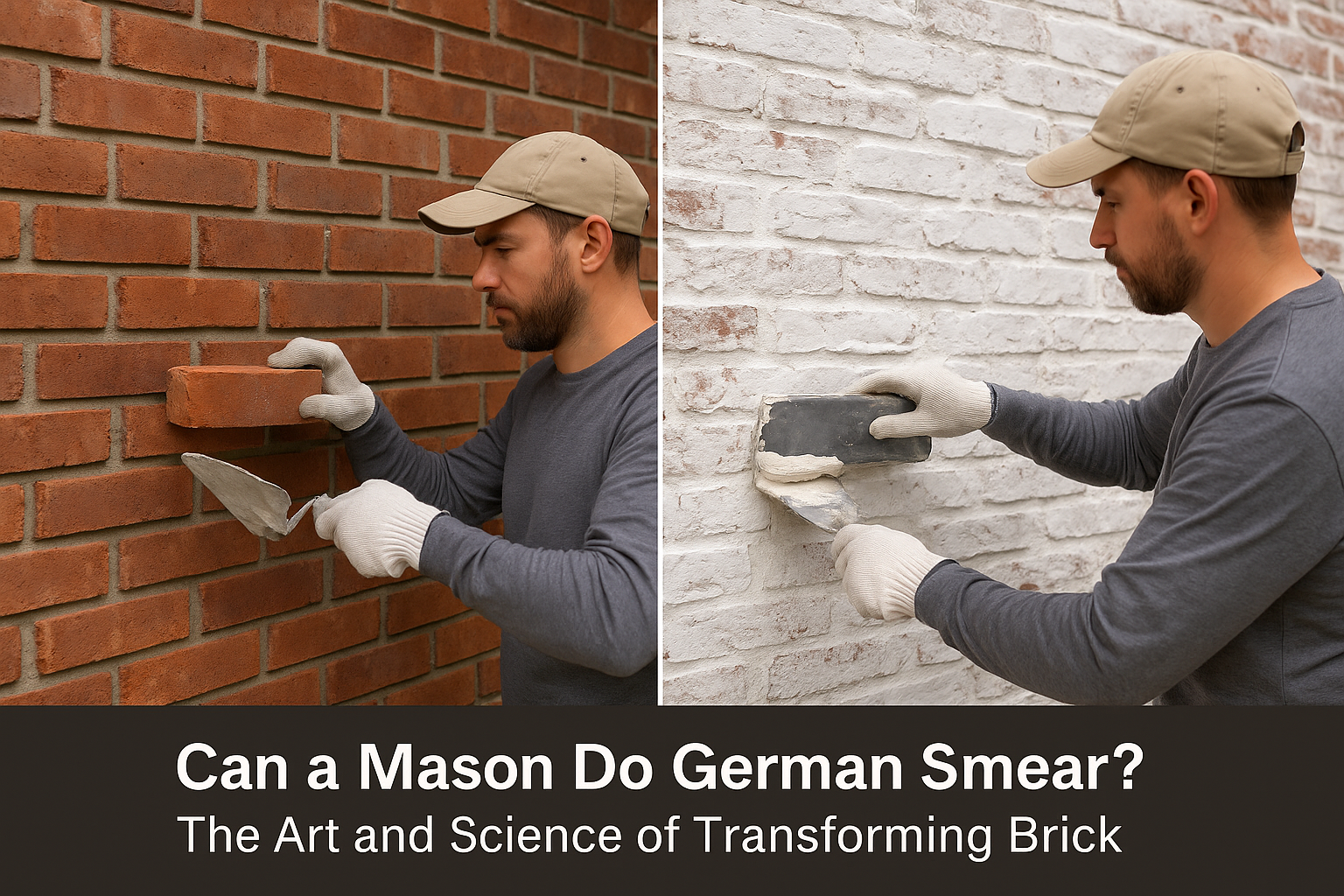
Can a Mason Do German Smear?
Not every mason is equipped to master the artistry behind a true German Smear. While traditional masonry focuses on structure and precision, German Smear requires a creative touch — blending technique, texture, and timing to achieve that signature old-world charm. In this article, we explore why this finish goes beyond standard brickwork, and what sets specialized craftsmen apart when transforming a home’s exterior.