

Mineral Aggregates in Traditional Lime-Based Mortars: Granite, Marble, and Quartz
Traditional lime-based mortars commonly incorporate mineral aggregates derived from natural stones to enhance workability, durability, and aesthetic qualities. Quartz sand has been a primary aggregate in European building traditions for centuries, providing structural integrity and vapor permeability. Crushed marble dust appears in historical plasters and finishing mortars, particularly in Roman and later periods, for achieving smooth, white surfaces. Granite dust, while documented in some modern and regional contexts, lacks widespread evidence in historic European lime mortars.
Introduction
Lime-based mortars, central to European architectural traditions from antiquity through the medieval and early modern periods, rely on aggregates to form a balanced composite material. Aggregates influence mortar behavior, including adhesion to brick substrates, breathability, and resistance to environmental stresses. In techniques such as mortar wash or German Schmear (Schmear), the mortar itself serves as a finishing layer over brick, where aggregate selection affects texture, color, and long-term performance. This post examines the historical and material-science roles of granite, marble, and quartz-derived aggregates in these mortars.
Historical Context of Aggregates in Lime Mortars
Lime mortars in European traditions typically consist of slaked lime binder mixed with sand or other fine aggregates in ratios commonly around 1:3 by volume. Aggregates provide bulk, reduce shrinkage during carbonation, and contribute to mechanical strength.
Quartz-rich river or pit sands dominate documented historic European mortars, as seen in Roman, medieval, and later examples.
Finely crushed calcareous stones, including marble dust, appear in finishing layers for polished or white effects.
Siliceous or harder stone dusts, such as from granite, show limited historical use in traditional lime-based systems.
Distinctions remain important: German Schmear and mortar wash involve applying a lime- or cement-based slurry over brick, distinct from limewash (diluted lime putty) or whitewash (chalk- or pigment-based coatings).
Quartz as Aggregate
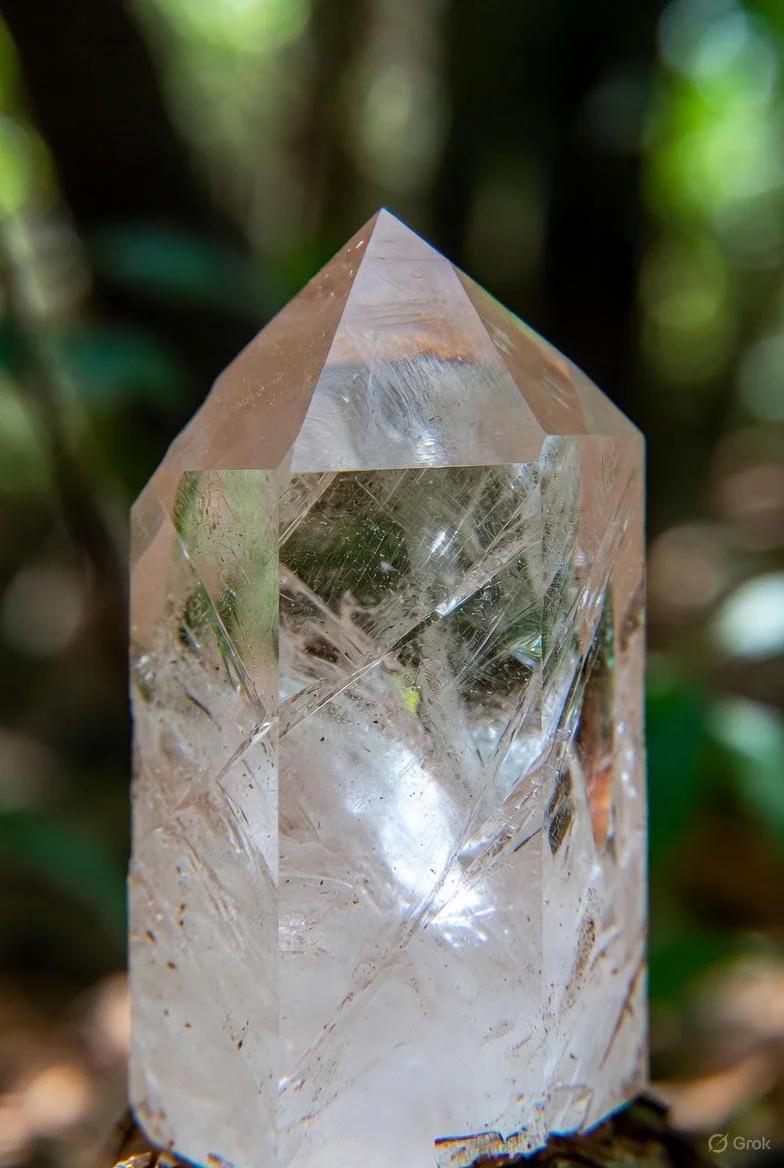
Quartz sand, composed primarily of silicon dioxide, serves as the most common aggregate in historic lime mortars across Europe.
Historical Usage
Documented since Roman times, quartz sand appears in mortars for masonry, rendering, and plastering. Vitruvius recommended well-graded sands for durability. Medieval and later European builders favored sharp, angular quartz sands from rivers or quarries for superior bonding.
Material Behavior
Quartz provides excellent vapor permeability, allowing moisture movement essential for breathable brick assemblies. Its hardness resists abrasion, and inert nature avoids reactions that could weaken the lime binder. In freeze-thaw cycles, well-graded quartz aggregates minimize cracking by accommodating expansion.
Architectural Context
Quartz sand supports textured finishes in mortar washes, where partial brick exposure creates aged appearances rooted in Central European traditions.
Marble Dust as Additive
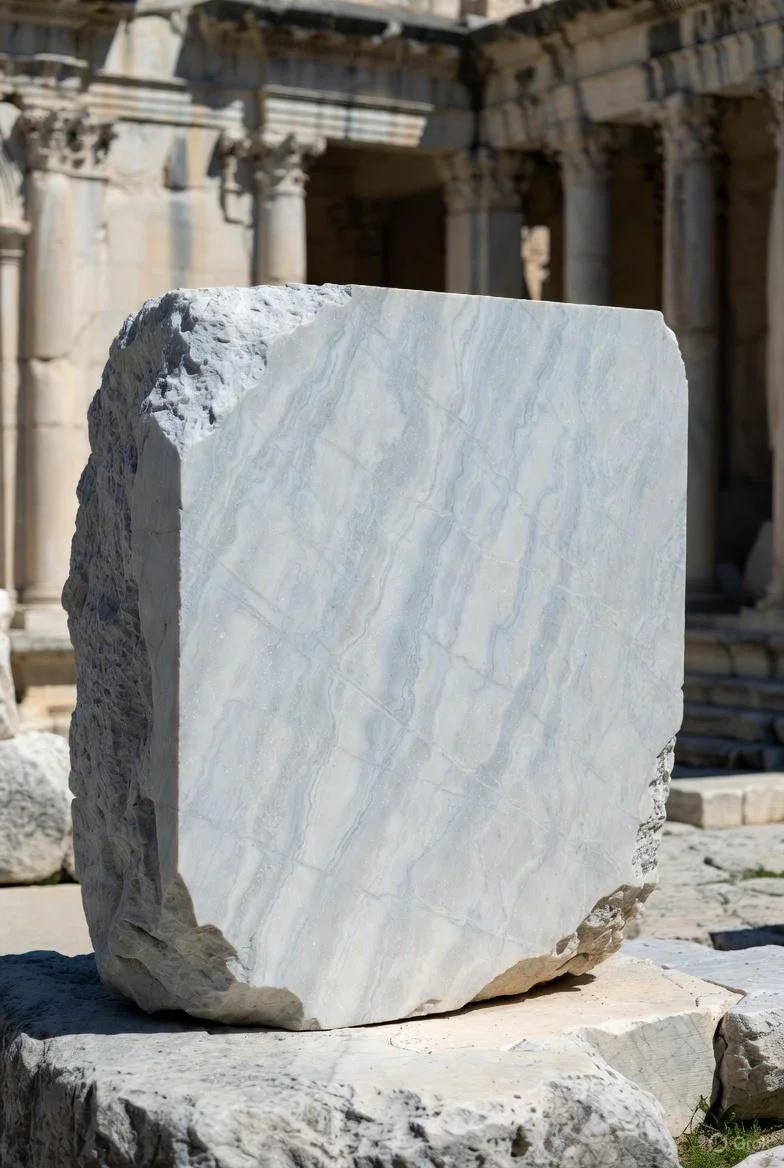
Crushed marble, primarily calcium carbonate, features in finer lime mortars and plasters rather than coarse bedding mortars.
Historical Usage
Greeks and Romans incorporated marble dust in stuccoes and decorative plasters for smooth, polishable surfaces mimicking stone. Historical treatises note its use in multi-layer plaster systems, often in finish coats. In conservation, marble dust recreates bright white historic renders.
Material Behavior
Similar in composition to lime binder, marble dust enhances workability and reduces porosity in finishing layers. It promotes dense carbonation, improving surface hardness while maintaining breathability. Unlike pozzolanic additives, marble dust remains largely inert but refines texture.
Climate Considerations
In Mediterranean climates, marble dust contributes to durable, reflective surfaces resisting heat absorption.
Granite Dust as Aggregate
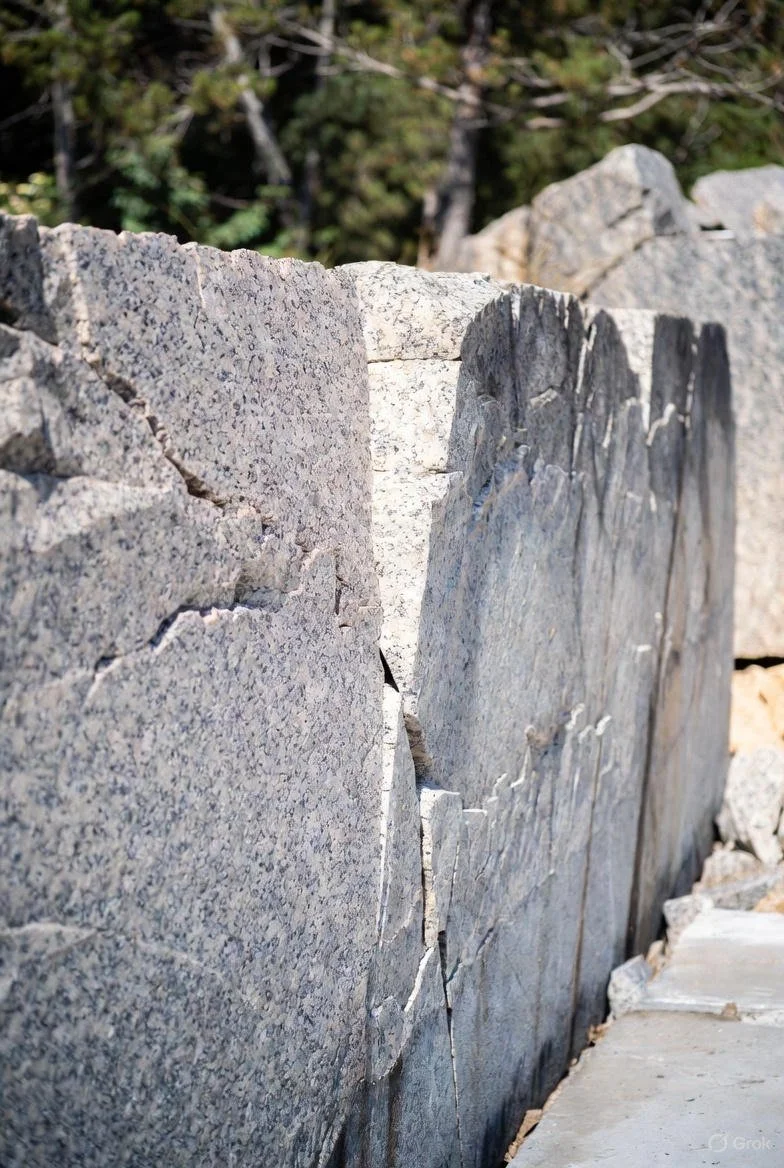
Granite dust, derived from crushing igneous rock rich in quartz, feldspar, and mica, shows limited evidence in traditional European lime mortars.
Historical Usage
No widespread documentation exists for granite dust in historic lime-based mortars or brick finishes in Europe. Traditional aggregates leaned toward local sands or calcareous materials. Some regional or later uses of crushed hard stones appear, but granite dust gains more attention in modern cementitious contexts as waste byproduct.
Material Behavior
Granite dust's angular particles could improve mechanical interlock, potentially increasing compressive strength in hydraulic formulations. Its siliceous content might offer mild pozzolanic effects in some cases, though less than volcanic ashes traditionally used by Romans. Vapor permeability remains high, suitable for breathable systems.
Architectural Context
In contemporary mortar washes, granite dust might alter color or texture, but historical authenticity favors quartz or calcareous aggregates.
Comparison of Mineral Aggregates
Primary Component: Quartz sand (SiO₂ dominant); Marble dust (CaCO₃ dominant); Granite dust (mixed silicates).
Historical Prevalence in European Lime Mortars: Quartz sand (widespread); Marble dust (common in plasters); Granite dust (rare or undocumented in traditional contexts).
Effect on Breathability: All maintain high vapor permeability when used in lime binders.
Adhesion to Brick: Sharp quartz provides excellent keying; Marble dust suits smooth finishes; Granite dust offers potential angular bonding.
Freeze-Thaw Resistance: Quartz and granite aggregates perform well due to low absorption; Marble dust risks in severe cycles without pozzolans.
Conclusion
Quartz sand stands as the foundational aggregate in traditional European lime mortars, ensuring durability and compatibility with brick substrates in finishing techniques like mortar wash. Marble dust enhances aesthetic refinement in historical plasters, while granite dust lacks significant documented role in these traditions. Understanding these minerals informs accurate conservation and appreciation of breathable, long-lasting architectural systems rooted in verifiable building practices.
Looking to DIY?
Checkout SmearTech’s Signature White™ Mortar and German Smear Tools.
