

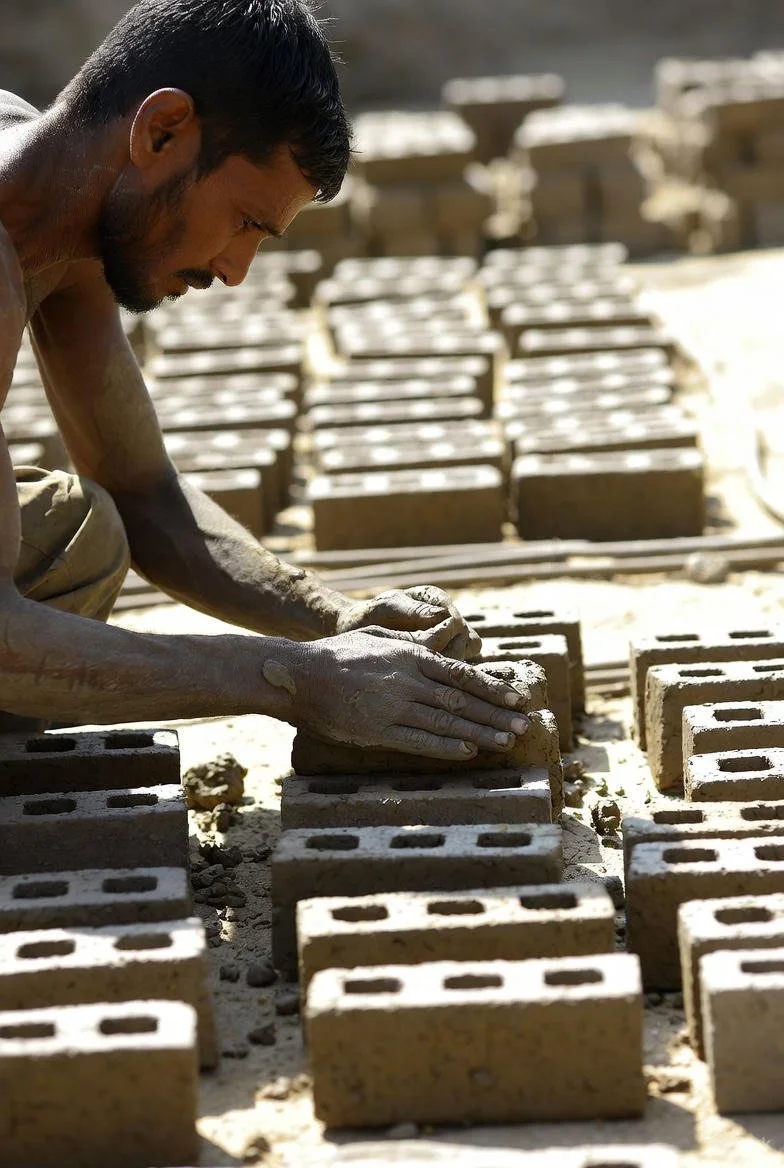
The Material Evolution of Brick: From Sun-Dried Clay to Modern Engineered Units
Brick, one of the oldest manufactured building materials, has undergone continuous refinement over 7,000 years. Early sun-dried mud bricks gave way to fired clay units in Mesopotamia, followed by Roman hydraulic additions, medieval European variations, and 19th-century mechanized production. Each stage reflects advancements in firing technology, raw-material understanding, and performance requirements driven by climate, durability needs, and architectural demands.
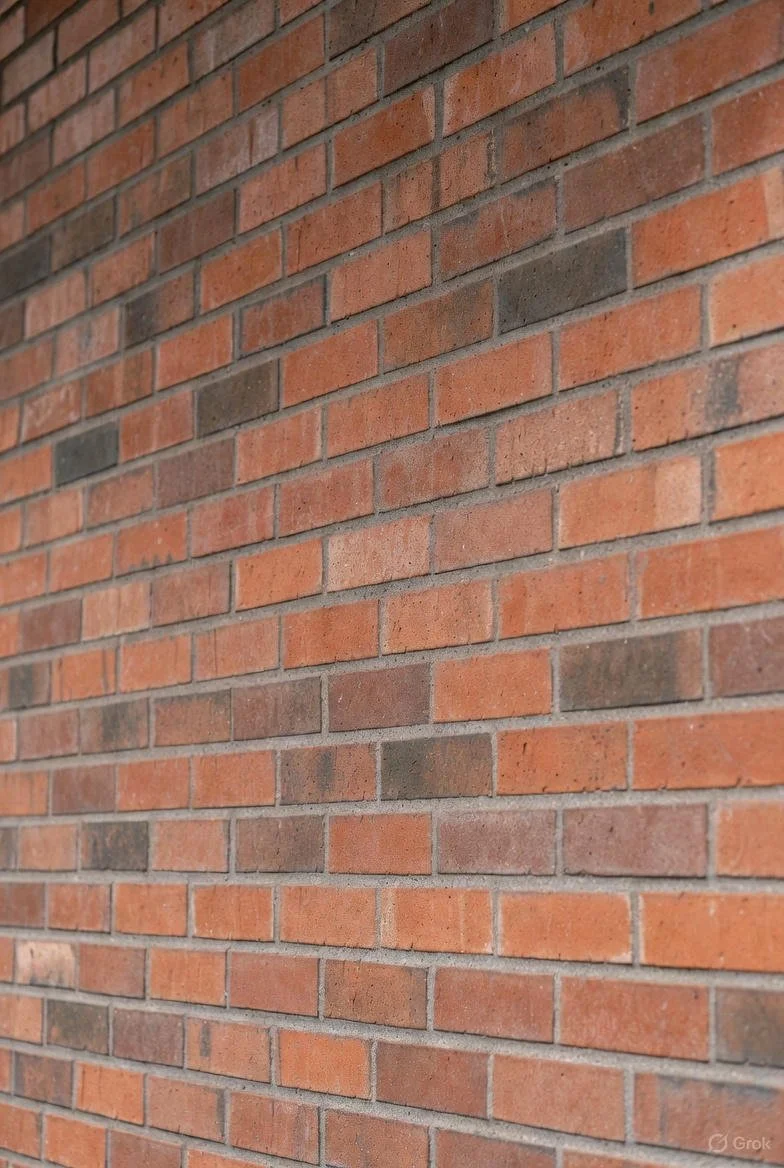
Maintaining Brick Houses: Historical Practices and Modern Building-Science Principles
Brick has been a dominant building material in Europe and North America for centuries due to its durability, fire resistance, and thermal mass. Proper maintenance extends the life of brick masonry from hundreds to thousands of years while preserving vapor permeability and preventing moisture-related damage. This post examines historically proven maintenance methods, explains the science behind common brick failures, and outlines practical, non-invasive care routines based on conservation standards.
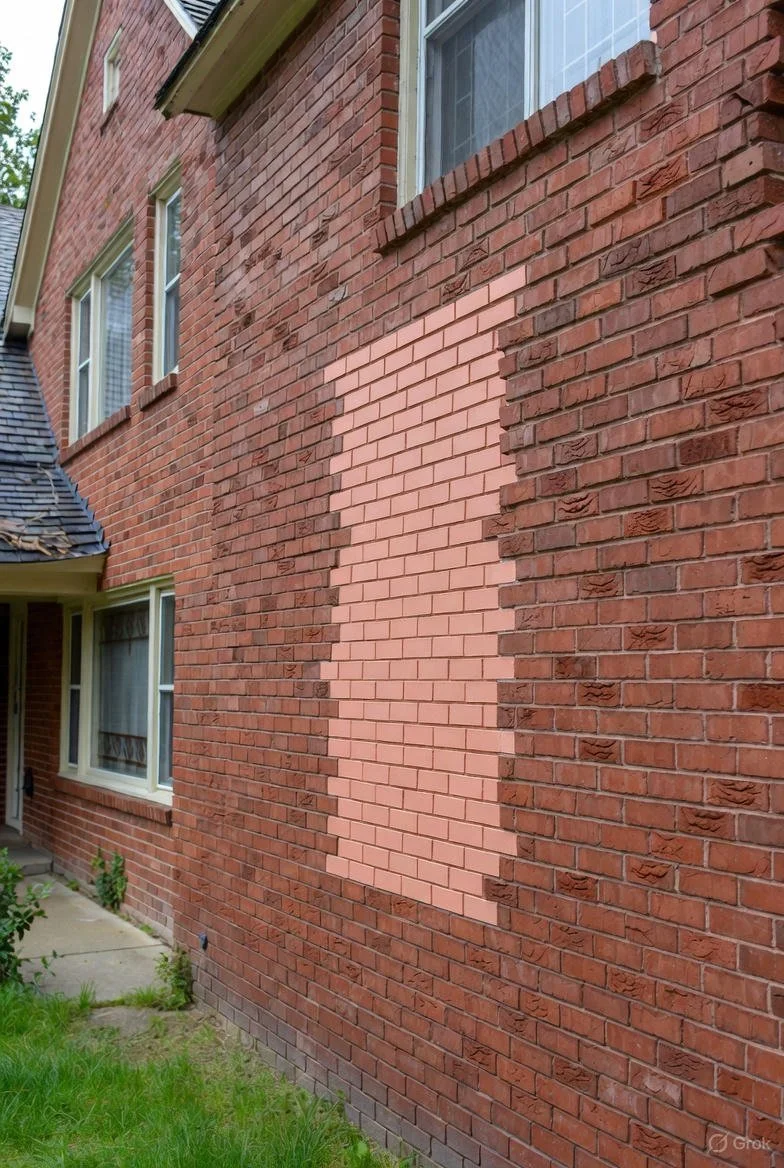
Five Reasons you may need German Smear on your home
German Smear originated as a functional repair method in Central European masonry practice, used to consolidate deteriorating joints, stabilize mismatched repairs, and restore weather resistance to solid brick walls. The technique applies a thin, vapor-permeable lime-mortar veil that mechanically locks into the existing substrate. The following five conditions represent historically documented scenarios where masons employed the method specifically for integrity rather than appearance.
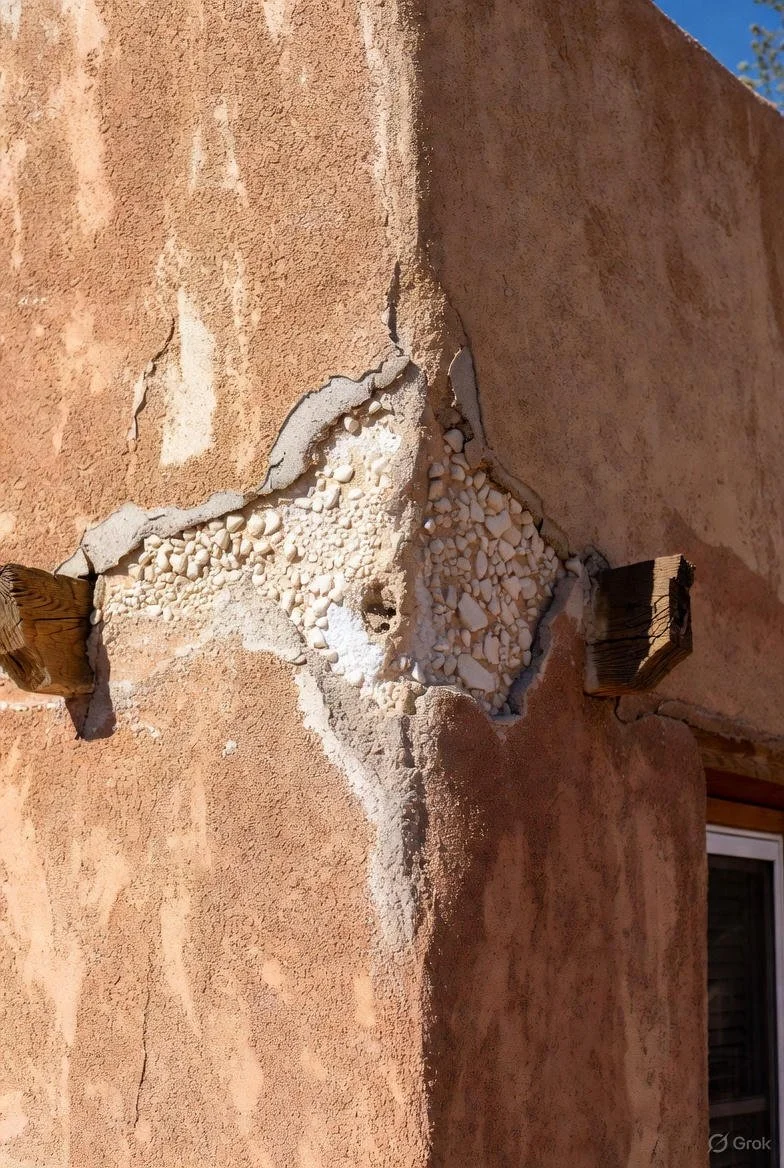
Integral Pigmentation in Stucco: Avoiding Surface Paint for Material Integrity
Stucco functions as a breathable cladding system that manages moisture through vapor diffusion. Surface paint creates an impermeable barrier leading to trapped moisture and structural stress, whereas integral pigmentation incorporates color throughout the mix without altering permeability. Documented in early 20th-century Southwestern architecture, this method supports long-term durability and aligns with stucco's traditional performance characteristics.

Limewash Pros and Cons: Everything You Need to Know Before You Commit
Limewash Pros and Cons: Is Limewash Worth It for Your Brick Home?
Thinking about limewashing your home? Discover the pros and cons of limewash, from breathability and beauty to upkeep and limitations. Learn if it’s right for your space.