

Maintaining Brick Pavers: Long-Term Durability Through Proven Historical and Building-Science Practices
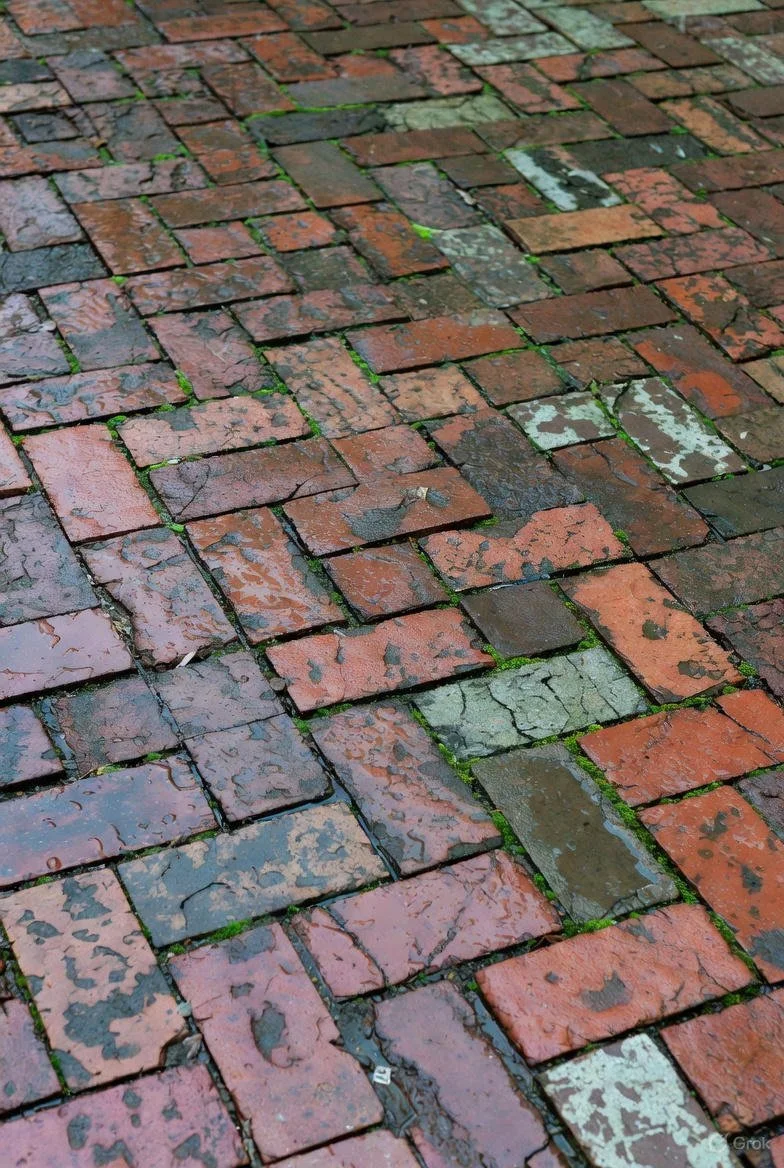
Fired clay brick pavers (often called “clinkers” in northern Europe) differ fundamentally from modern concrete pavers and from house brick. They are vitrified at higher temperatures, resulting in very low water absorption (typically 2–6 %), excellent freeze-thaw resistance, and the ability to be relaid multiple times. Maintenance strategies therefore center on protecting the sand joints, controlling water infiltration, and avoiding impermeable sealers that trap moisture and cause spalling.
Understanding the System: Brick + Sand Joints + Subbase
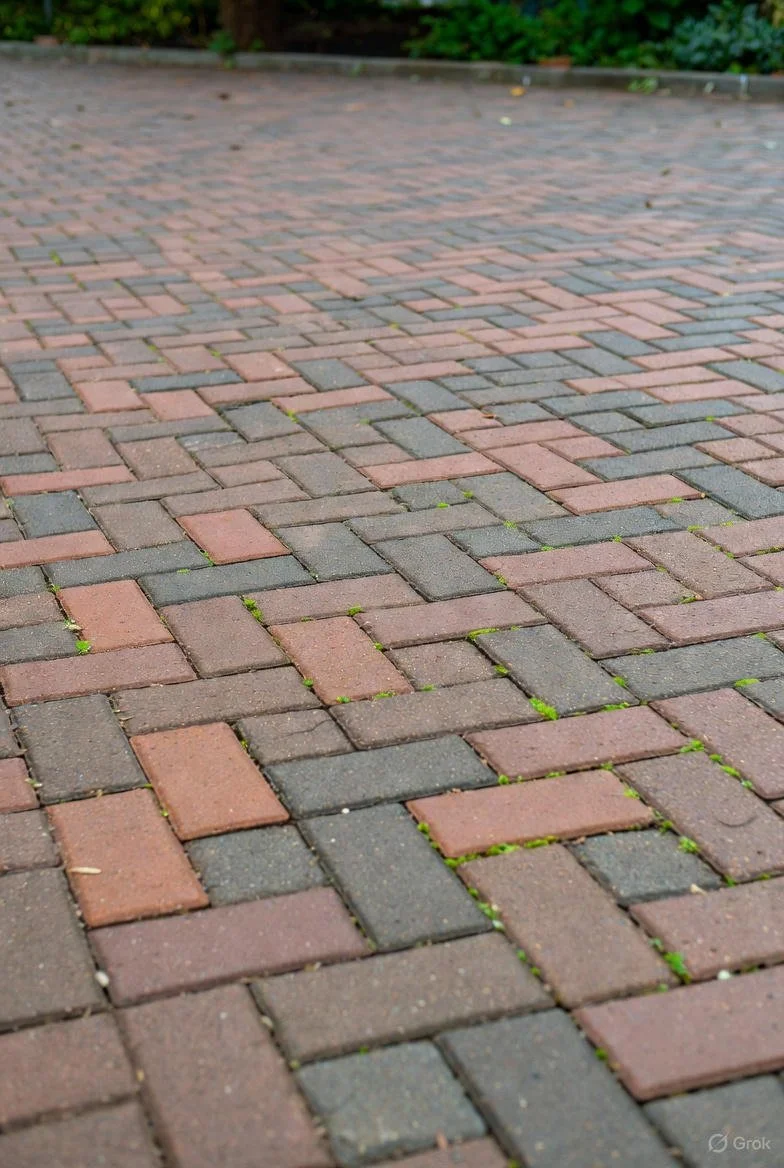
A traditional brick paver installation is a flexible pavement that relies on three interacting layers:
Clay brick units – dense, frost-resistant, slightly beveled or chamfered edges in older European examples
Bedding sand – sharp, coarse, washed sand (0–4 mm) that locks bricks via mechanical interlock
Joint sand – finer polymeric or stabilized sand swept into 2–5 mm joints to prevent lateral movement and water penetration
When any one layer fails, the entire surface destabilizes. Maintenance must address all three.
Regular Maintenance Practices
1. Sweeping and Debris Removal
Remove leaves, soil, and organic matter weekly during autumn and after storms.
Organic debris retains moisture and promotes efflorescence and moss growth.
Use a stiff broom; leaf blowers are acceptable if set to low speed to avoid displacing joint sand.
2. Joint Sand Replenishment
Polymeric sand installed after 1990 hardens slightly but still erodes over 5–15 years depending on traffic and climate.
Signs of loss: joints deeper than 5 mm or visible lateral brick movement.
Re-sand in dry weather: sweep out loose material, add new ASTM C144 or polymeric sand, compact with a plate compactor fitted with a neoprene mat, then mist lightly to activate polymer (follow manufacturer cure time before traffic).
3. Weed and Moss Control – Breathable Methods Only
Never use vinegar, bleach, or table salt; these increase soluble salts and accelerate frost damage.
Preferred historical method still used in Europe: boiling water poured directly into joints (kills roots instantly, no residue).
Mechanical removal with a thin blade or wire brush is fully compatible with clay brick.
Torching with a propane weed burner is acceptable on vitrified clay pavers but prohibited on concrete pavers.
4. Efflorescence Management
White salt deposits are normal on new or freshly cleaned brick; they are water-soluble calcium and sodium compounds.
Dry-brush first, then rinse with low-pressure water if needed.
Do not use muriatic acid on pavers; the acid attacks the sand joints and can etch the brick face.
5. Stain Removal
Oil and grease: absorb immediately with cat litter or sawdust, then clean with biodegradable degreaser formulated for masonry (pH < 10).
Rust: use oxalic-acid-based cleaner labeled safe for clay brick; always pre-wet and rinse thoroughly.
Tire marks: mild detergent and stiff brush usually suffice.
6. Sealing – When and When Not
Traditional European brick streets (e.g., Netherlands, northern Germany) are almost never sealed and last centuries.
Silane/siloxane penetrating breathable sealers may be applied only if the pavers show excessive water absorption after decades of wear or if de-icing salts are heavily used.
Film-forming acrylic sealers must never be used; they trap moisture and cause spalling below 0 °C.
Seasonal and Long-Term Considerations
Winter Care
Use only sand or calcium magnesium acetate (CMA) for ice control; never rock salt (NaCl) or calcium chloride.
Snow plows: keep blade 10–15 mm above surface or use rubber-edged blades.
Resetting and Repair
Individual sunken or raised bricks can be lifted, bedding sand adjusted, and bricks relaid – a key advantage over rigid concrete.
Full re-levelling every 20–50 years is normal for heavily trafficked historic courts in Europe.
Conclusion
Clay brick pavers are among the most sustainable and longest-lived paving materials when the flexible sand-based system is respected. Regular sweeping, timely joint sand renewal, salt-free winter practices, and avoidance of impermeable coatings will keep a brick paver surface functional and attractive for generations, exactly as documented in European cities with installations dating to the 17th century.
Looking to DIY?
Checkout SmearTech’s Signature White™ Mortar and German Smear Tools.
