Color Options in German Smear: Pigmentation and Substrate Interaction
Historically, German smear (Kalkschlämme) used unpigmented lime or lime-cement mortars to lighten and protect exposed brick. The introduction of stable, alkali-resistant iron oxide pigments expanded the technique’s visual range without sacrificing vapor permeability or adhesion. Today, pigmented mortars allow the finish to shift from bright white to warm taupes, cool grays, and soft reds, all while maintaining the irregular, hand-applied character that distinguishes smear from opaque coatings.
Historical Context of Pigmented Mortar Washes
As early as the 17th century, Central European builders added natural earth pigments (ochres, umbers, siennas) to lime-based washes for regional color harmony.
By the late 19th century, synthetic iron oxides replaced variable natural pigments, providing consistent, lightfast color suitable for thin mortar veils.
These developments aligned with the broader use of colored mortars in Gothic and Renaissance brickwork, where subtle toning unified large wall surfaces.
How Color Is Introduced
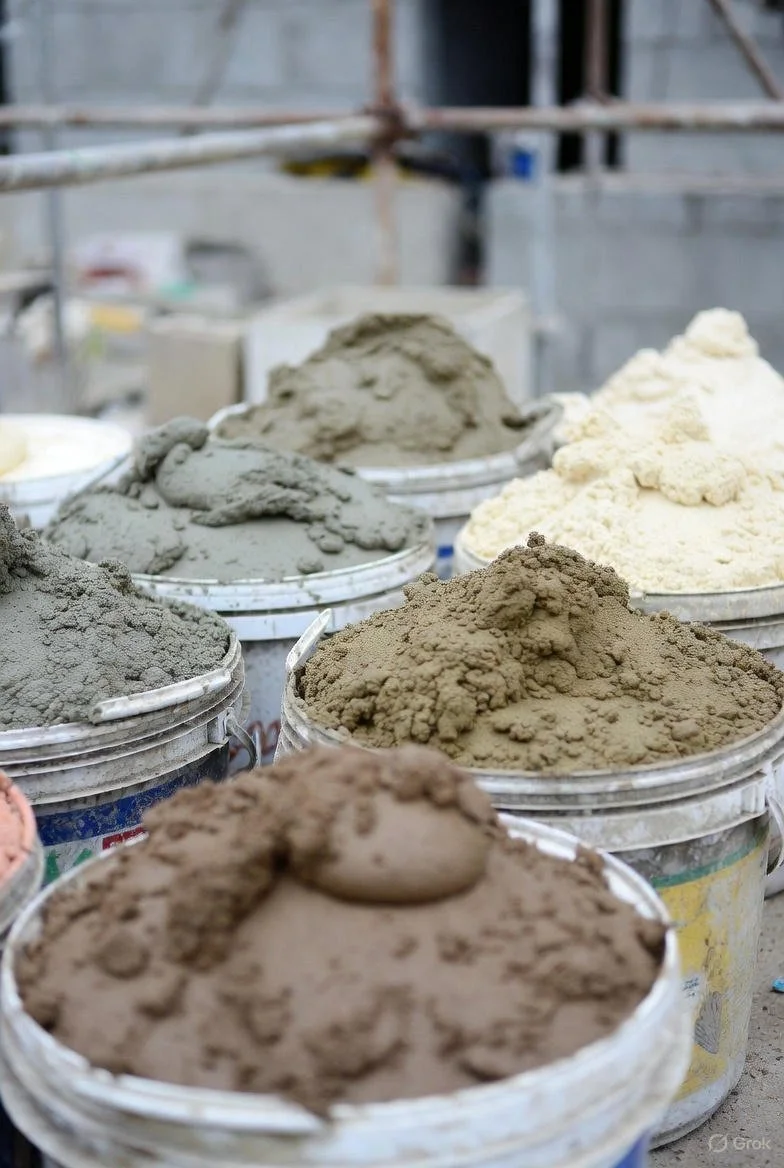
Iron oxide pigments are dosed at 1–5 % by cement weight and thoroughly mixed into Type N, S, or lime-rich masonry mortars.
Pigments bond chemically during hydration, becoming an integral part of the cured mortar rather than a surface coating.
Because the smear is applied irregularly and semi-transparently, the final appearance is a composite of mortar color and exposed brick tones.
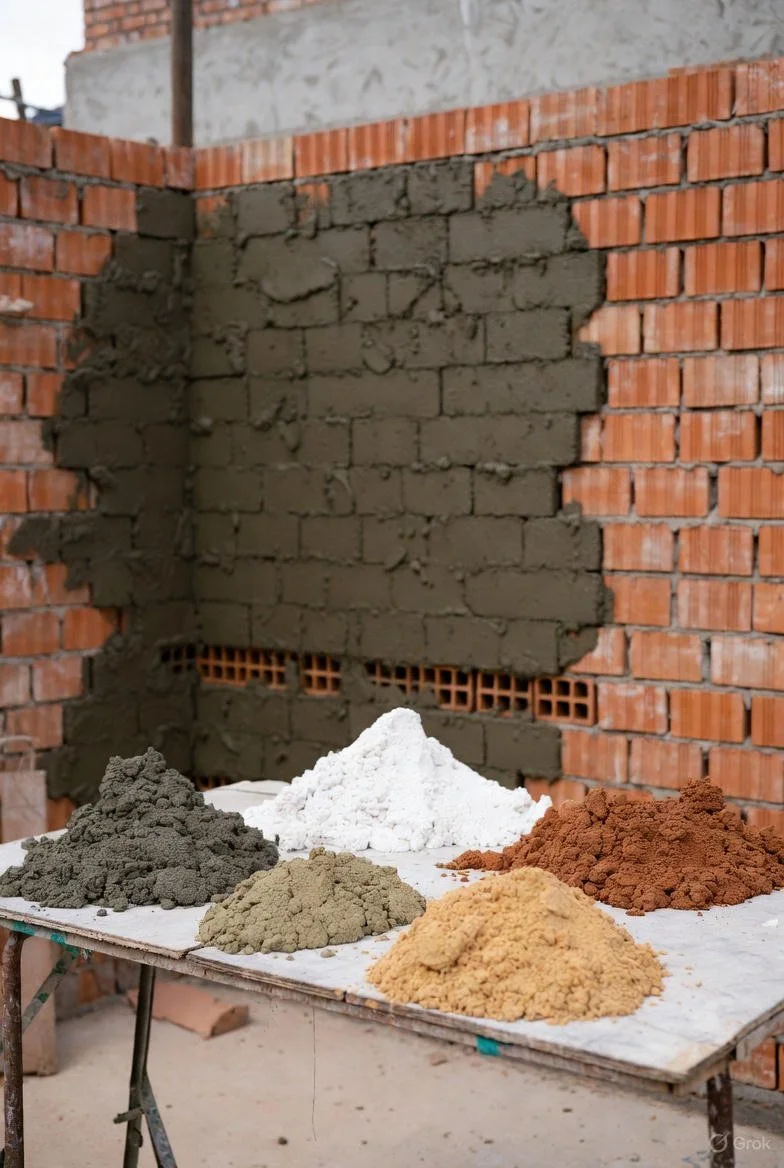
General Color Families Available
Whites and Near-Whites
Pure white to antique/cream tones; classic choice for maximum light reflection and traditional appearance.
Light Neutrals and Grays
Soft dove grays and pale beige-grays; calm backgrounds that tone down red brick without stark contrast.
Warm Buffs and Tans
Creamy beiges through mid-tone tans; evoke aged European plaster and blend naturally with most clay brick colors.
Medium Earth Tones
Deeper taupes, suede browns, and warm ochres; add depth while preserving visible brick texture.
Subtle Reds and Terracottas
Muted salmon, dusty rose, and soft brick-red shades; reinforce rather than conceal underlying masonry color.
Deeper Browns and Charcoals
Rich umber and near-black options; used sparingly for dramatic accent walls or to mimic historic soot-aged interiors.
Custom blending of iron oxide pigments can produce virtually any muted earth tone, provided the dosage stays within limits that maintain mortar strength and workability.
Influence of Brick Substrate on Final Color
Red common brick warms cool-toned mortars and darkens light ones.
White or cream brick intensifies the mortar color and yields higher contrast.
Wire-cut or sand-struck textures catch more mortar in the crevices, shifting the overall appearance darker than smooth-faced brick.
A physical mock-up on the actual wall is the only reliable way to predict the final result.
Performance Characteristics of Pigmented German Smear
Remains highly vapor-permeable (typically 15–25 perms).
Exhibits excellent UV and alkali resistance; colors do not chalk or fade.
Expands and contracts in tandem with the brick, minimizing micro-cracking on heated surfaces such as fireplaces.
Conclusion
The range of colors possible with German smear spans from bright whites to deep earth tones, all achieved through stable iron oxide pigmentation of traditional masonry mortars. Because the finish is semi-transparent and textured, these colors interact with the brick substrate to produce nuanced, non-uniform surfaces that feel both historic and intentionally crafted. This interplay—combined with the material’s breathability and durability—makes pigmented German smear a versatile option for homeowners seeking character without the permanence or flatness of paint.
Looking to DIY?
Checkout SmearTech’s Signature White™ Mortar and German Smear Tools.