

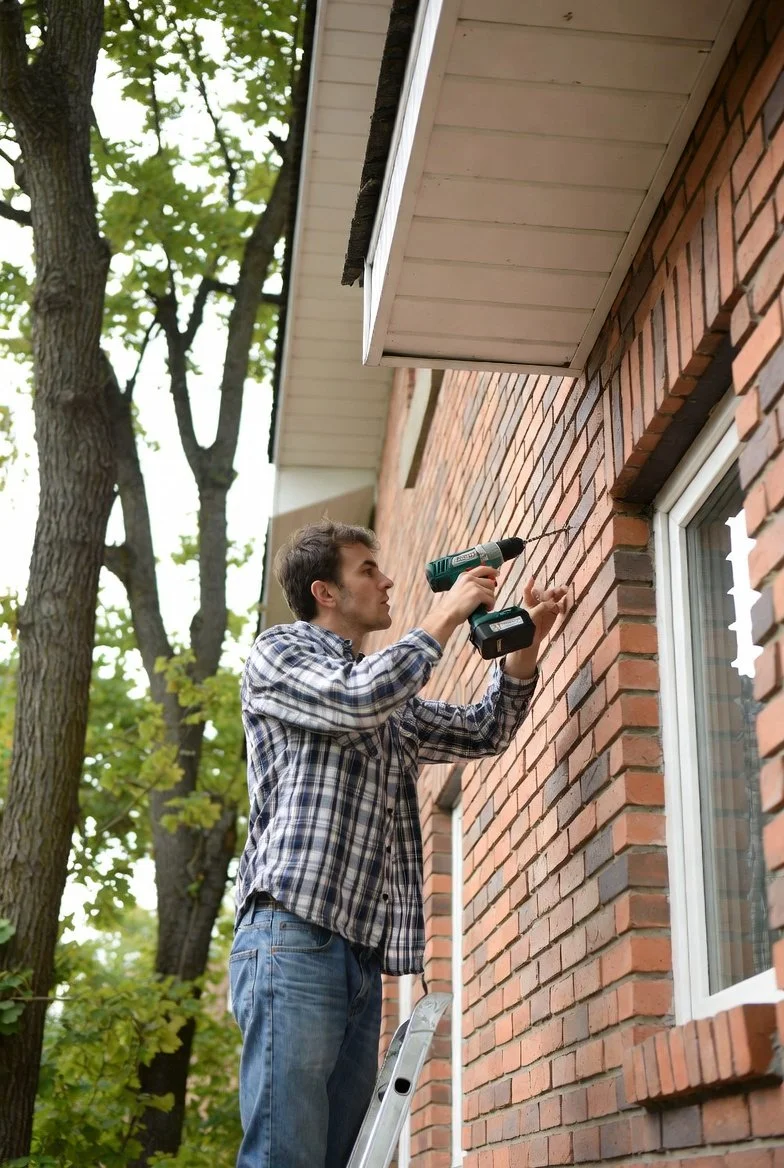
Upkeep Costs in Brick Masonry Homes: Historical Mortar Traditions and Material Comparisons
Brick masonry homes, enhanced by historical mortar-wash methods like German Smear for improved vapor permeability, typically incur lower annual upkeep costs due to their durability against environmental factors compared to more maintenance-intensive alternatives like wood-frame structures. These traditions, rooted in European architectural practices, emphasize breathable finishes that reduce long-term repair needs while preserving aesthetic integrity. Understanding comparative upkeep across home types, alongside protective measures that maintain visual appeal, highlights the architectural value of informed material choices in building conservation.
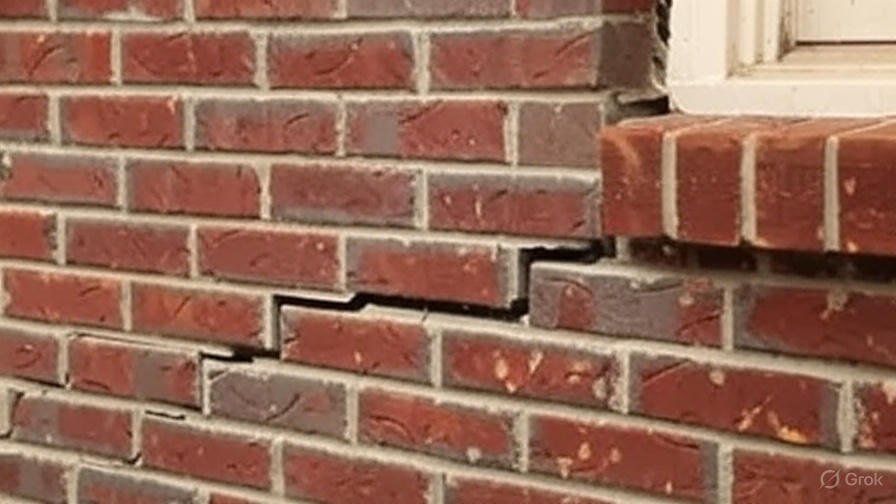
Winter Threats to Brick Homes: A Building-Science Perspective on Cold-Weather Damage
Brick masonry that appears perfectly sound in autumn can show dramatic deterioration by spring. The primary culprit is water that enters the wall, freezes, and expands with enough force to fracture brick faces, disintegrate mortar joints, and trigger structural cracking. These failures follow well-understood physical principles and affect both historic solid walls and modern cavity construction.
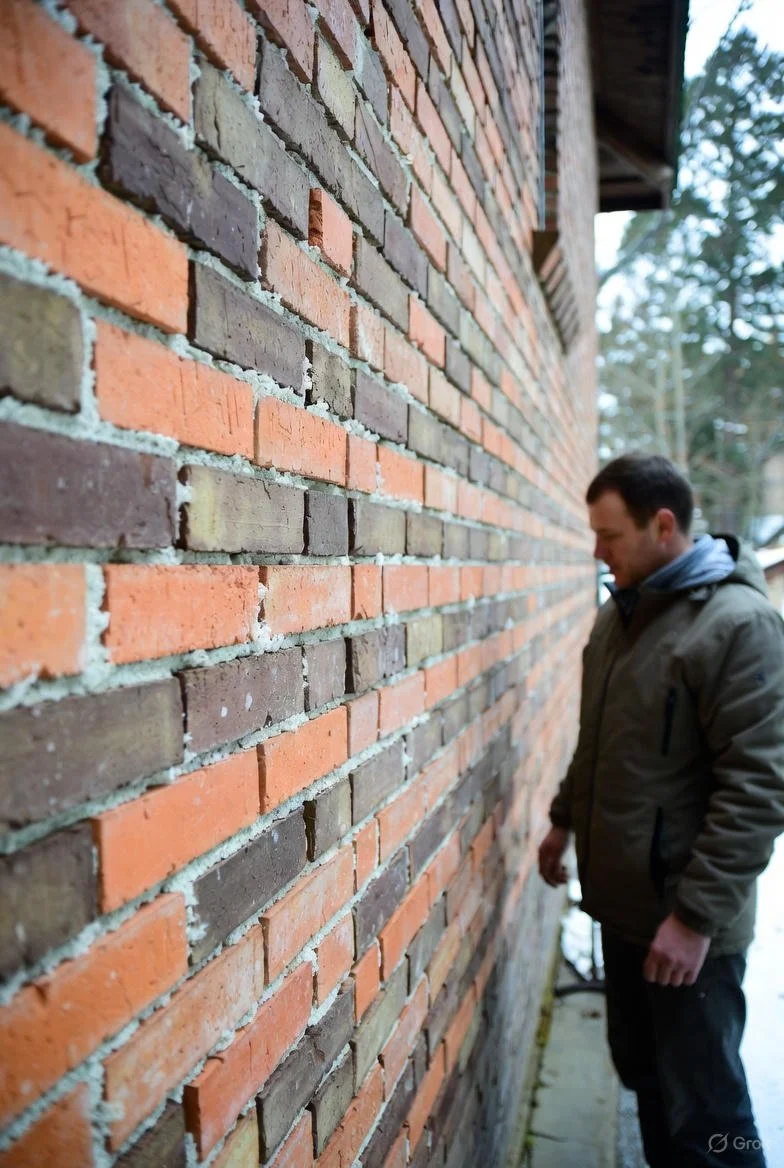
Preparing a Brick Home for Spring: Historical Practices and Modern Building-Science Considerations
As winter recedes, brick masonry requires targeted maintenance to reverse seasonal stress and prepare for warmer, wetter conditions. Traditional European methods—many still relevant today—focused on breathability, moisture management, and gentle cleaning to preserve both the mortar and the brick units. Proper spring preparation extends service life and prevents common damage from freeze-thaw cycles and biological growth.
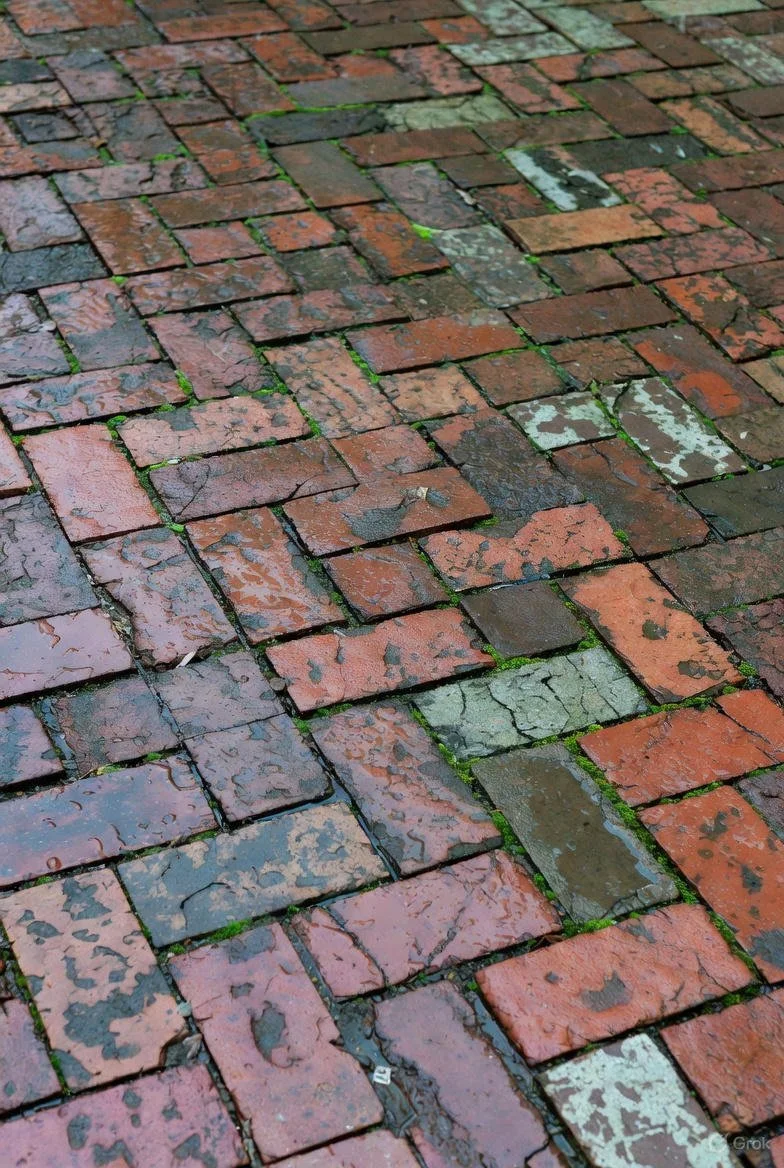
Maintaining Brick Pavers: Long-Term Durability Through Proven Historical and Building-Science Practices
Brick pavers have been used for streets, courtyards, and walkways since Roman times because clay brick is inherently durable, frost-resistant, and repairable. Proper maintenance extends that natural longevity, prevents joint failure, controls weed growth, and preserves the breathable character of the masonry. This post focuses on evidence-based techniques that respect both traditional European paving methods and modern materials science.
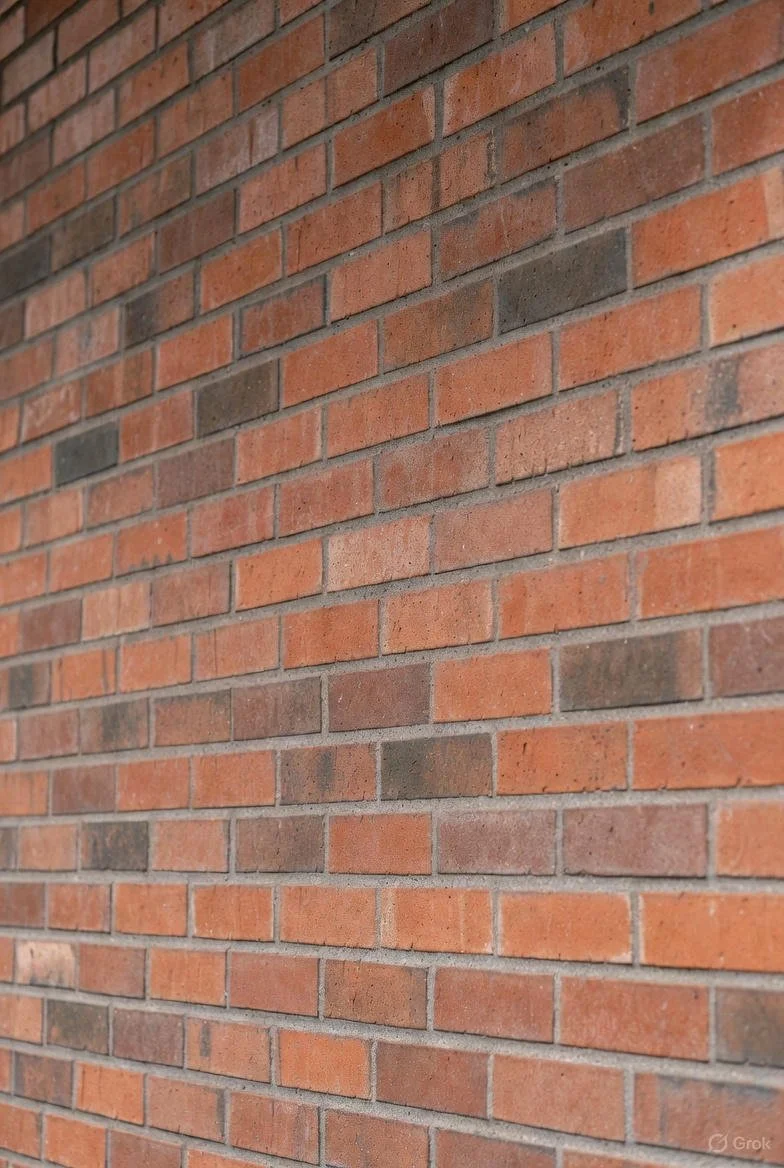
Maintaining Brick Houses: Historical Practices and Modern Building-Science Principles
Brick has been a dominant building material in Europe and North America for centuries due to its durability, fire resistance, and thermal mass. Proper maintenance extends the life of brick masonry from hundreds to thousands of years while preserving vapor permeability and preventing moisture-related damage. This post examines historically proven maintenance methods, explains the science behind common brick failures, and outlines practical, non-invasive care routines based on conservation standards.
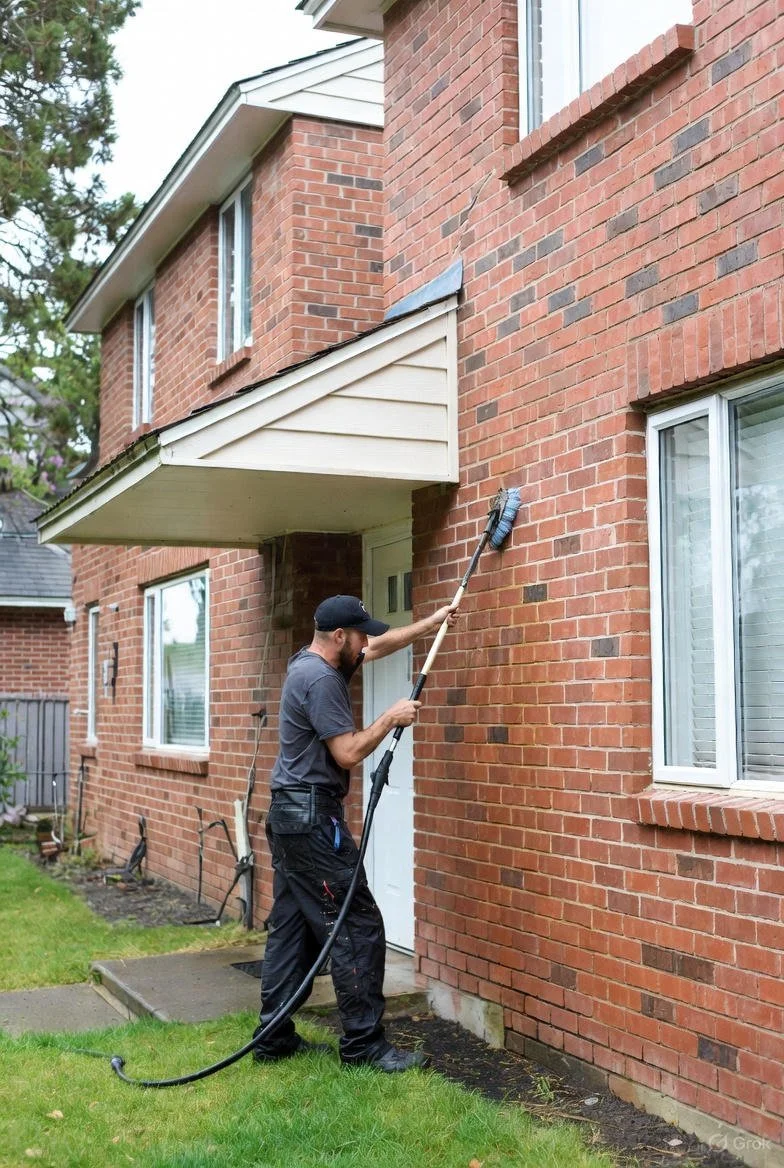
Cleaning a German Smear Finish : Everything you need to know
A German smear finish, applied as a thin mortar wash, requires minimal upkeep due to its durable, breathable nature derived from mortar. Historical practices in northern Europe emphasize gentle surface cleaning to maintain the coating's integrity, while modern guidelines incorporate low-to-moderate pressure washing for effective dirt removal.
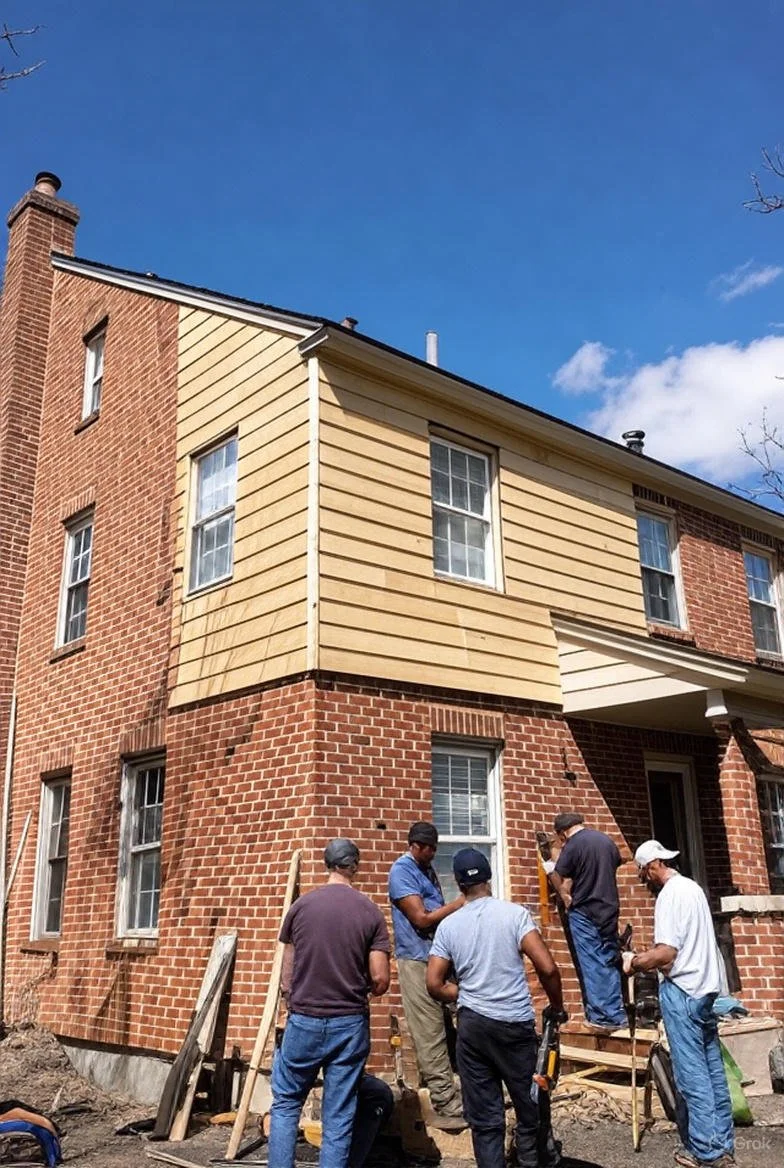
Why Siding Over Brick Might Not Be the Best Move for Your Home
Hey there, homeowner—picture this: You've got a classic brick exterior that's stood the test of time, but you're eyeing siding as a quick refresh. It's tempting, right? A fresh look without the hassle. But before you commit, let's chat about the downsides. As experts at German Smear Specialist, we've seen plenty of folks regret covering up beautiful brick, especially when smarter options like professional German Smear can enhance what you already have. In this post, we'll break down the real cons of siding over brick, backed by solid insights from home improvement pros. Spoiler: It often hides problems rather than solving them, and there are better ways to boost curb appeal and efficiency.

Limewash vs. Painting Brick: A Detailed Cost Breakdown of Upfront Expenses, Maintenance, and Long-Term Degradation
Ever glanced at your brick exterior and felt it could use a refresh, but hesitated because of the unknown costs lurking beyond the initial quote? In 2025, with home improvement budgets tighter than ever, smart homeowners are digging into the real numbers behind popular brick transformations like limewash and painting. At German Smear Specialist, we've consulted on countless projects and know that understanding these options inside-out helps you avoid surprises. We'll break down limewash and painting brick in detail—upfront costs, ongoing maintenance, and the degradation factors that can turn a "bargain" into a money pit. By the end, you'll see why some choices demand more from your wallet (and peace of mind) over time. Let's unpack this step by step, so you can make an informed decision for your home.

Unlocking the Hidden Perks of German Smear: Insulation for a Cozier, Quieter Home
Hey there, homeowner! As we settle into this crisp October 27, 2025, with energy prices still making waves in the news, what if a single upgrade could wrap your home in timeless charm while dialing down those utility bills and outside noise? Picture transforming your brick exterior into something that not only looks inviting but also works smarter for your comfort. German Smear, that professional masonry technique layering mortar for a textured, European-inspired finish, delivers just that. Here's the smart reason why: It goes beyond aesthetics to offer real insulation benefits, as verified by masonry experts who note how added mortar enhances thermal properties. In this post, we'll explore how this approach creates quieter, more efficient spaces, backed by reliable insights from home improvement sources.

German Smear: The Sustainable Choice for Eco-Conscious Homeowners
What if your next home upgrade could not only make your exterior look stunning but also align with your values for a greener planet? In a world where sustainability is more important than ever—especially with rising energy costs and environmental concerns—German Smear stands out as a smart, eco-friendly option. We've seen how this professional masonry technique transforms homes while minimizing environmental impact, using natural materials that enhance energy efficiency and reduce waste. Picture your brick facade getting a timeless makeover that cuts down on your carbon footprint. In this post, we'll explore why German Smear is the intelligent, planet-friendly alternative to traditional updates like painting, backed by expert insights and verified facts as of October 27, 2025.
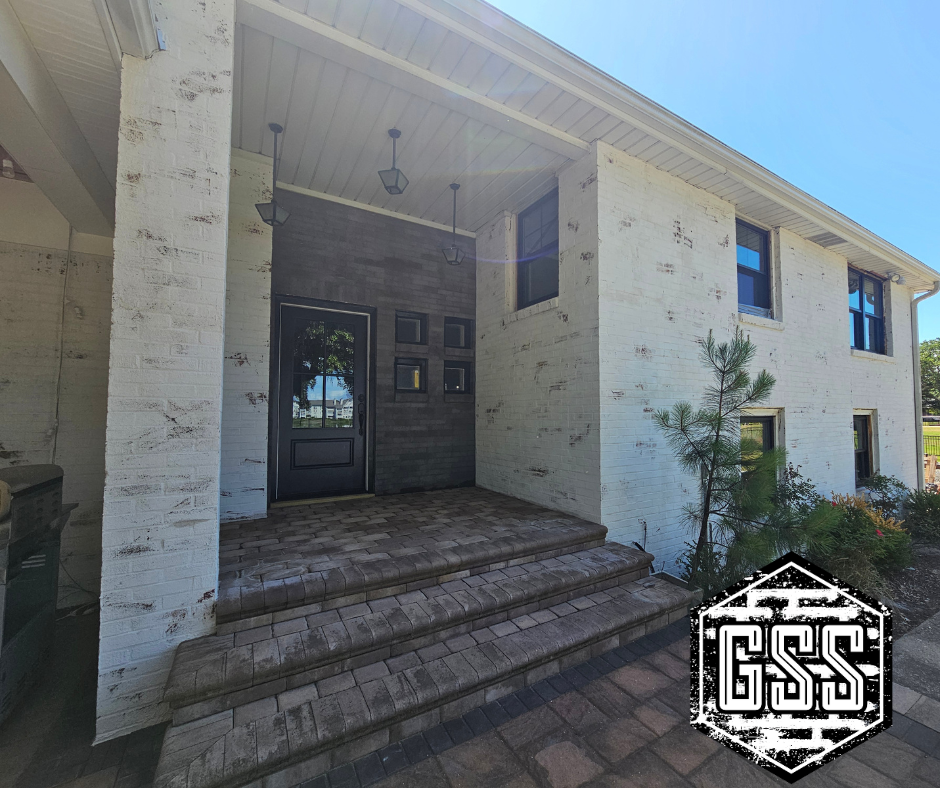
The Historical Origins and Use of German Smear: A Timeless European Technique
German Smear, also known as Schmear, is a centuries-old technique that originated in Germany and has since become a beloved style in both European and contemporary architecture. This method involves applying a thin layer of mortar over brick or stone, creating a rustic, textured, whitewashed appearance. It was originally developed for both practical and aesthetic purposes and continues to captivate homeowners today with its timeless charm.

Tuckpointing vs. Repointing: What’s the Real Difference?
Not sure if your brick home needs tuckpointing or repointing? These two repair techniques may sound similar, but they serve different purposes. Learn how to spot the difference and discover which one your home actually needs — plus a modern alternative that combines both structure and style.

Why German Smear Is the Ultimate Low-Maintenance Brick Finish
German Smear offers a timeless, low-maintenance solution for transforming outdated brick into durable, weather-resistant elegance. Discover why homeowners are choosing this no-repaint, mold-resistant finish that enhances curb appeal while saving thousands in upkeep.