The Material Evolution of Brick: From Sun-Dried Clay to Modern Engineered Units
The story of brick is fundamentally a story of controlled transformation of earth into a durable, modular building unit. From the earliest adobe blocks shaped by hand to contemporary high-strength, low-absorption engineered bricks, the material’s development mirrors human progress in chemistry, thermal processing, and structural engineering. Understanding this evolution clarifies why certain historical brick treatments—such as German Smear or lime-based mortar washes—remain relevant for conservation and why modern bricks often behave differently under traditional finishes.
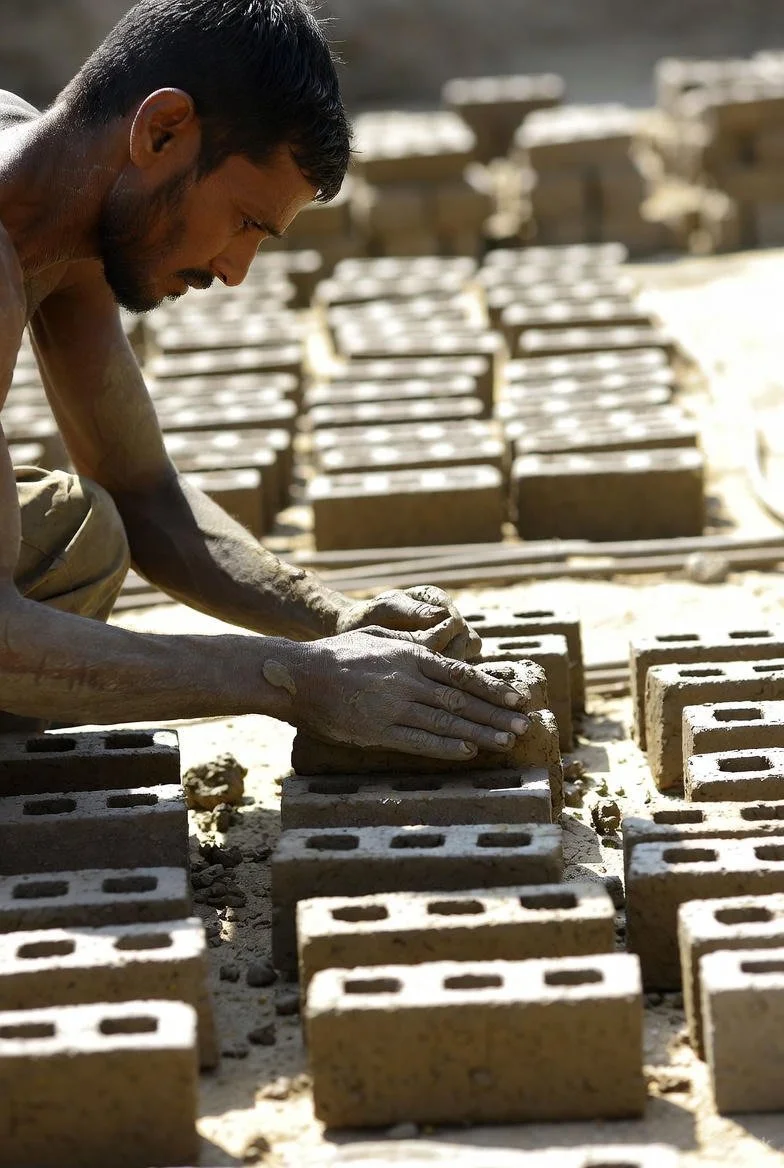
Early Development: Sun-Dried and Hand-Molded Bricks (c. 7000–2000 BCE)
Appeared first in the Near East (modern Iraq, Turkey, and Syria) at sites such as Jericho and Çatalhöyük
Composed of local clay-rich soil mixed with straw or dung as organic temper
Shaped in wooden molds or by hand and dried in the sun
Extremely vulnerable to moisture; walls often required thick plaster coatings or frequent rebuilding
Limited compressive strength (typically < 2 MPa) and no frost resistance, restricting use to arid climates
The Introduction of Firing: Mesopotamia and the First Durable Bricks (c. 3000–1000 BCE)
Kiln firing at 600–1000 °C produced the first true fired clay bricks in Sumerian ziggurats and Assyrian cities
Higher temperatures caused partial vitrification of clay particles, dramatically increasing strength and weather resistance
Standard sizes emerged (e.g., the Babylonian plano-convex brick) for modular construction
Bitumen (natural asphalt) sometimes used as mortar in wet environments
Still highly porous (water absorption often > 25 %) and prone to salt efflorescence in damp conditions
Roman Innovations: Hydraulic Additives and Standardization (c. 300 BCE–400 CE)
Incorporation of pozzolanic materials (volcanic ash from Pozzuoli) created the first hydraulic mortars and occasionally hydraulic brick clays
Opus latericium (Roman brickwork) relied on thin, triangular bricks (lateres) fired to consistent quality
Firing temperatures reached 900–1100 °C in sophisticated updraft kilns
Bricks exhibited lower porosity and better freeze-thaw resistance than earlier Mesopotamian units
Remnants survive in structures exposed for 2,000 years, demonstrating exceptional longevity when properly detailed
Medieval and Early Modern Europe: Regional Clays and Wood-Fired Clamps (500–1800 CE)
Brick production revived north of the Alps after the fall of Rome, especially in areas lacking good building stone
Clamp kilns (temporary heaps of bricks and fuel) produced irregular, underfired “red” bricks with high absorption (20–30 %)
Overfired clinkers and salmon-colored soft bricks common within the same batch
Lime-based mortars and renders (including early forms of Kalkschlämme) protected porous medieval bricks from rain penetration
Size and color varied dramatically by region; e.g., Flemish bond used narrow “Dutch” bricks, while English bricks followed statutory dimensions after 1571
Industrial Revolution: Mechanization and Consistent Quality (1780–1900)
Extruded wire-cut bricks and continuous Hoffman kilns (patented 1858) enabled mass production
Coal firing raised temperatures to 1100–1200 °C, yielding denser, more uniform bricks
Introduction of pressed facing bricks with smooth or textured surfaces
Water absorption dropped to 10–18 % for common bricks and < 7 % for engineering bricks
Chemical composition better controlled; iron oxide content standardized for predictable red color
20th-Century Advances: Chemistry and Performance Engineering
Tunnel kilns and natural-gas firing achieved precise temperature curves and reduced defects
Addition of barium carbonate prevented lime blowing from calcium inclusions
Perforated and hollow bricks reduced weight while maintaining strength
Calcium-silicate (sand-lime) bricks introduced in Germany (1894) as a white, non-clay alternative
High-alumina and fireclay bricks developed for industrial furnaces, demonstrating the versatility of ceramic bonding
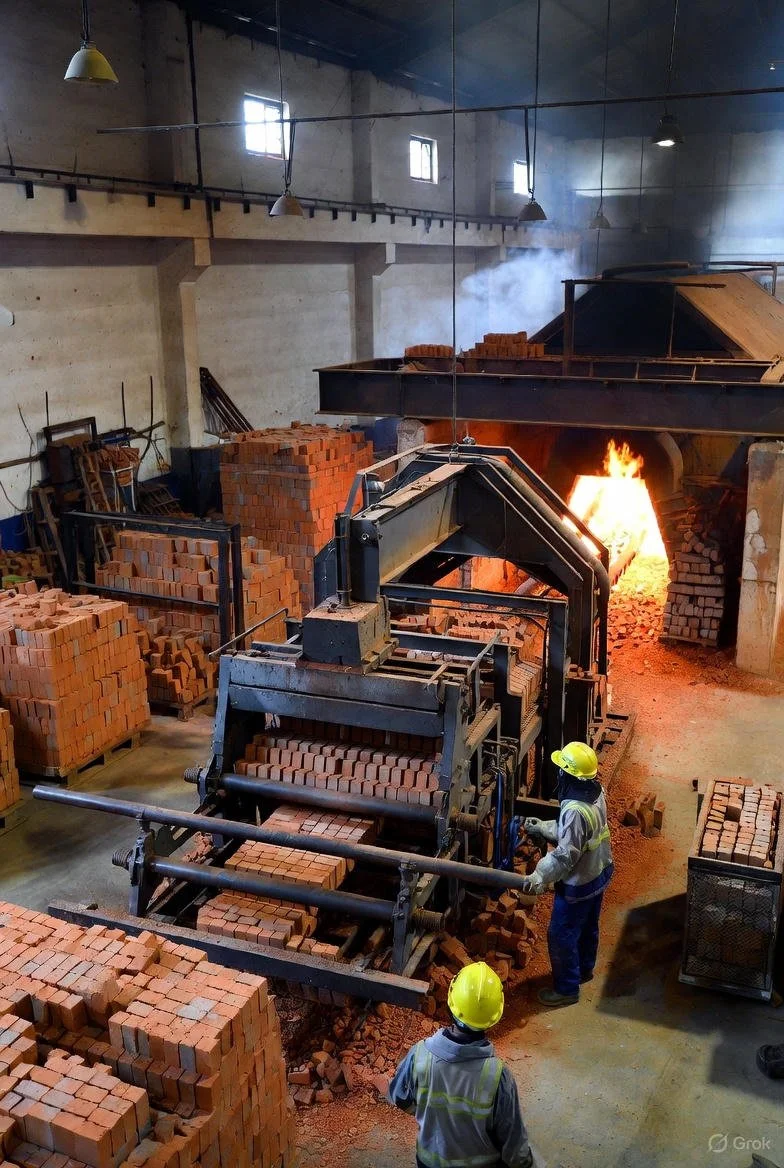
Contemporary Brick (Post-1950)
Modern clay bricks typically fired at 1000–1250 °C depending on desired properties
Water absorption ranges from < 6 % (engineering bricks) to 20 % (handmade or reclaimed-style units)
Compressive strengths commonly 20–100+ MPa
Controlled low porosity reduces natural breathability compared with historic bricks
Additives now include recycled glass, fly ash, or sewage-sludge ash for sustainability
Thin-brick veneer systems and prefabricated brick panels reflect current construction speed demands
Implications for Historical Brick Treatments
Historic bricks were inherently porous and alkali-rich, allowing thick lime-based coatings (German Smear, mortar wash, Kalkschlämme) to bond mechanically and chemically while permitting vapor transmission. Modern low-absorption bricks often reject traditional lime-rich slurries, leading to delamination unless the substrate is properly prepared or modified modern equivalents are used.
Conclusion
The evolution of brick reflects a continual drive toward greater durability, dimensional accuracy, and production efficiency. Each technological leap—firing, hydraulic chemistry, mechanization, and modern ceramic engineering—solved specific limitations of its era while sometimes creating new challenges for conservation and compatible finishing techniques. Understanding where a given brick falls along this 7,000-year timeline remains essential for anyone specifying treatments, repairs, or sympathetic alterations to both historic and contemporary masonry.
Looking to DIY?
Checkout SmearTech’s Signature White™ Mortar and German Smear Tools.