Aesthetic Transformations of Brick and Stone Bridges Using Traditional and Modern Finishes
Brick and stone bridges, as enduring elements of architectural heritage, can undergo aesthetic changes through finishes like German Smear, limewash, and paint, each rooted in historical masonry practices. These methods alter visual texture and color while interacting differently with the material's properties, such as porosity and weathering resistance. Understanding their applications draws from centuries-old European traditions adapted to exposed structures, emphasizing compatibility with building science principles.
Introduction
Brick and stone bridges represent significant achievements in historical engineering, often exposed to harsh environmental conditions that influence both their durability and appearance. Aesthetic modifications through finishes such as German Smear, limewash, and paint have been employed in masonry contexts to enhance visual appeal, drawing from European traditions documented as early as the Roman era for protective coatings. These techniques matter in architectural conservation by balancing historical authenticity with material performance, ensuring that changes respect the structure's integrity amid factors like moisture and temperature fluctuations.
Historical Context of Masonry Finishes on Bridges
Masonry finishes have long been used to protect and beautify structures, with records indicating their application in ancient Roman construction for weather resistance. While direct examples on bridges are less commonly documented than on buildings, analogous practices appear in European fortifications and aqueducts, where lime-based coatings safeguarded exposed stone and brick.
Limewash traces back to Roman times, visible in ruins like those in Pompeii, where it provided a breathable barrier on porous surfaces.
German Smear, a mortar wash technique, likely derived from northern European methods in the 1500s, mimicking the aged mortar joints of rustic cottages and walls.
Painting brick or stone emerged more prominently in later centuries, with historical painted buildings reflecting societal preferences for uniform aesthetics, though often at the cost of natural material expression.
These finishes, when considered for bridges, align with traditions prioritizing vapor-permeable layers to mitigate environmental stresses on load-bearing masonry.
Distinctions Among German Smear, Limewash, and Paint
German Smear, limewash, and paint each offer unique aesthetic outcomes and material interactions, differing in composition, application effects, and long-term behavior on brick or stone.
German Smear (mortar wash): Involves a thicker mortar layer, often lime- or cement-based, partially removed for a textured, irregular finish; creates depth and rustic patina while filling minor joints.
Limewash: A thin, slaked lime slurry that penetrates the surface for a matte, translucent effect; highly breathable and historically used for subtle whitening without sealing pores.
Paint: Typically acrylic or latex-based coatings that form a solid, opaque film; provides complete color coverage but can impede moisture escape, contrasting with more permeable traditional methods.
Whitewash (related but distinct): Often a basic lime or chalk mixture, thinner than limewash; offers temporary coverage, less durable than the others and not ideal for permanent aesthetic shifts.
These differences ensure varying degrees of compatibility with porous masonry, crucial for bridges where breathability prevents issues like efflorescence.
Building Science Principles for Aesthetic Changes on Bridges
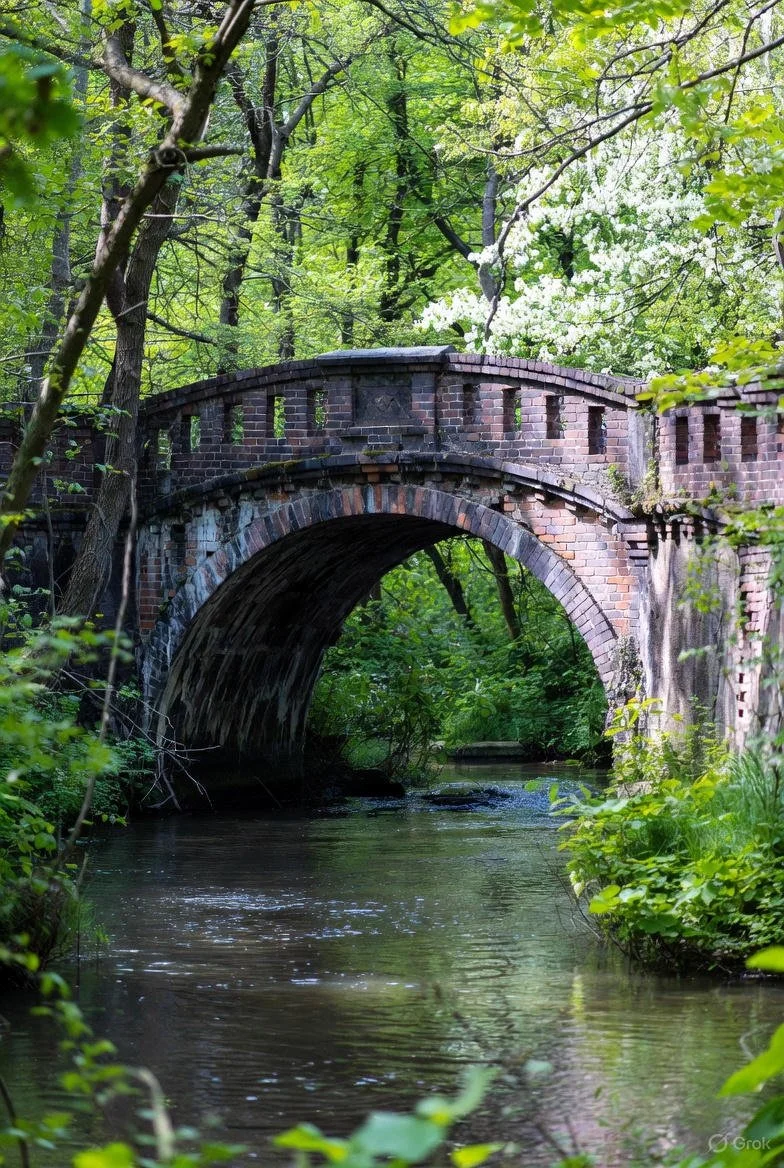
Applying finishes to brick or stone bridges requires consideration of material behavior, including vapor permeability and adhesion, to avoid compromising structural health in wet, vibrational environments.
Vapor Permeability and Breathability
Breathable finishes allow moisture vapor to pass through, reducing risks in humid or water-exposed settings common to bridges.
Limewash excels in permeability, historically preventing rot by enabling evaporation, suitable for stone surfaces in variable climates.
German Smear, when lime-based, offers moderate breathability, acting as a sacrificial layer that absorbs weathering while protecting underlying masonry.
Paint often reduces permeability, potentially trapping moisture and leading to spalling in freeze-thaw cycles, as documented in building science evaluations of painted brick.
Adhesion and Durability
Finishes must bond effectively to withstand traffic vibrations and environmental exposure on bridges.
Lime-based options like German Smear and limewash adhere chemically to porous substrates, flexing with thermal expansion.
Paint relies on surface preparation for mechanical adhesion but may require frequent maintenance due to peeling in aggressive conditions.
Climate and Weathering Considerations
Environmental factors influence finish performance, with historical uses favoring adaptable materials.
In wet climates, breathable limewash minimizes trapped moisture on stone bridges, aligning with Roman practices for Mediterranean weathering.
German Smear provides textural protection in temperate zones, enhancing thermal mass for minor insulation effects.
Paint suits drier areas but risks accelerated deterioration in freeze-thaw regions, as seen in studies of masonry retrofits.
Benefits and Limitations for Bridge Aesthetics
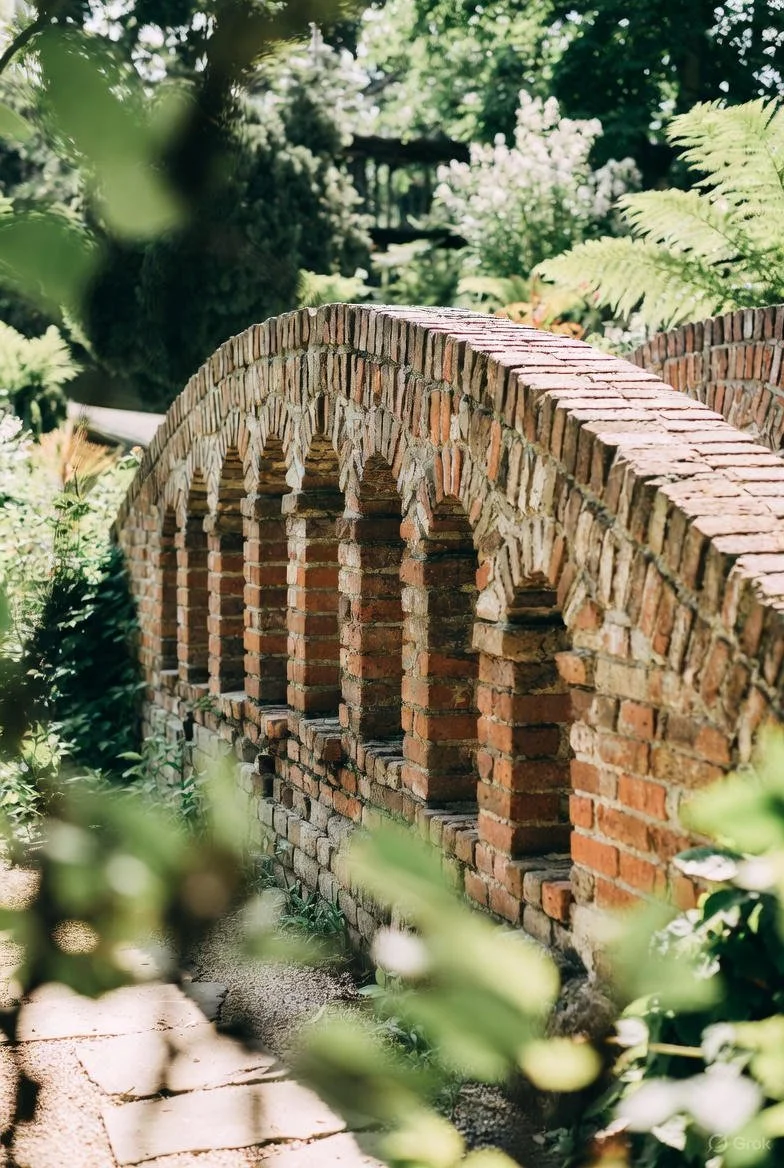
Each finish transforms the visual character of bridges—from rustic irregularity to uniform smoothness—while offering functional trade-offs informed by historical and scientific insights.
Benefits:
German Smear unifies aged appearances, blending repairs with original fabric for a cohesive, historical look.
Limewash softens stark masonry tones, providing subtle patina that evolves over time, as in traditional European applications.
Paint enables bold color shifts, harmonizing bridges with surroundings per aesthetic design guidelines.
Limitations:
German Smear's permanence complicates reversibility, potentially altering heritage value.
Limewash may require periodic reapplication in high-exposure areas, though less so than impermanent whitewashes.
Paint's sealing effect heightens moisture-related damage risks, contrasting with breathable alternatives in building science.
Conclusion
Aesthetic changes to brick and stone bridges through German Smear, limewash, and paint draw on European masonry traditions to enhance visual appeal while engaging key building science principles like breathability and adhesion. These methods highlight the interplay between historical practices and material durability, offering insights into conserving exposed structures amid environmental challenges. Ultimately, such finishes underscore the importance of compatibility in preserving architectural integrity.
Looking to DIY?
Checkout SmearTech’s Signature White™ Mortar and German Smear Tools.