

How German Smear Saves You from HOA Complaints and Fees: The Permanent Brick Finish That Ends Repainting Nightmares
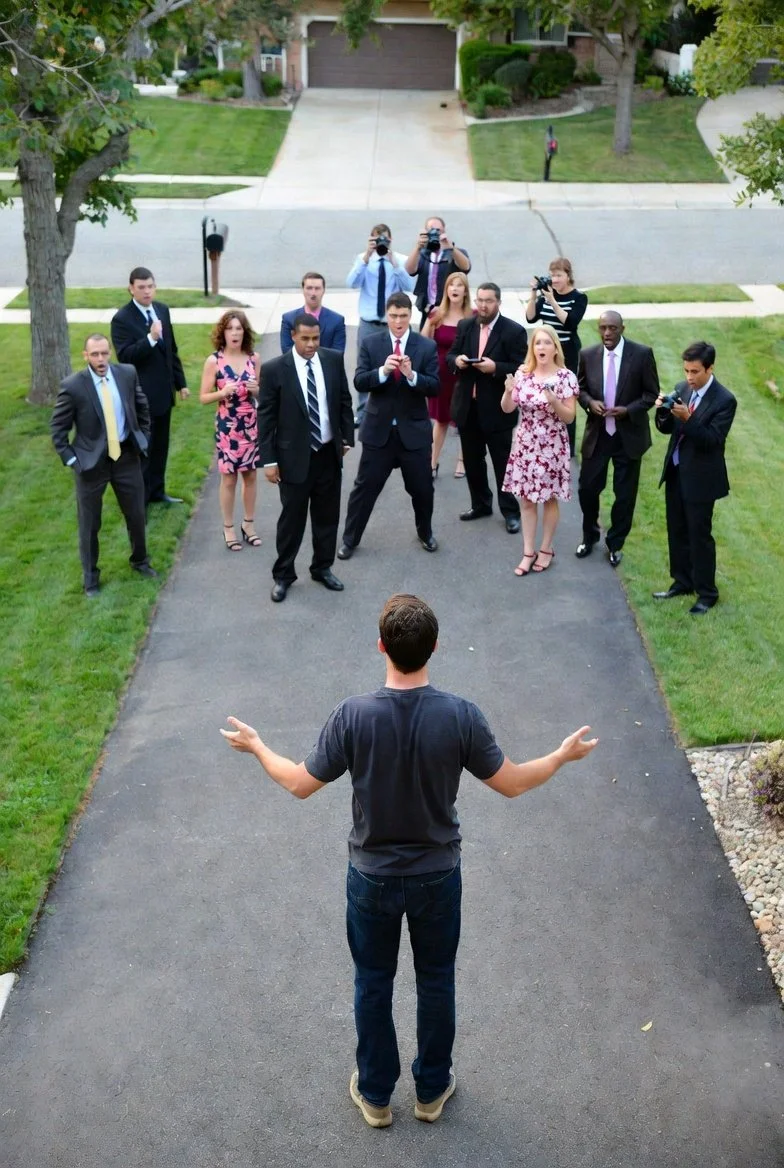
If you own a brick home in an HOA community, you already know the drill: one faded patch, one peeling flake, or one 'outdated' look, and you’re staring at a violation notice, a fine, or a forced $5,000–$10,000 repaint order. Brick is supposed to be low-maintenance. Paint turns it into a never-ending money pit.
German smear changes everything. It’s a one-time mortar-wash technique that bonds permanently to your brick, giving it a soft, timeless, whitewashed look that never peels, never fades, and never triggers another HOA aesthetic complaint.
Why Is My Brick House So Hot?
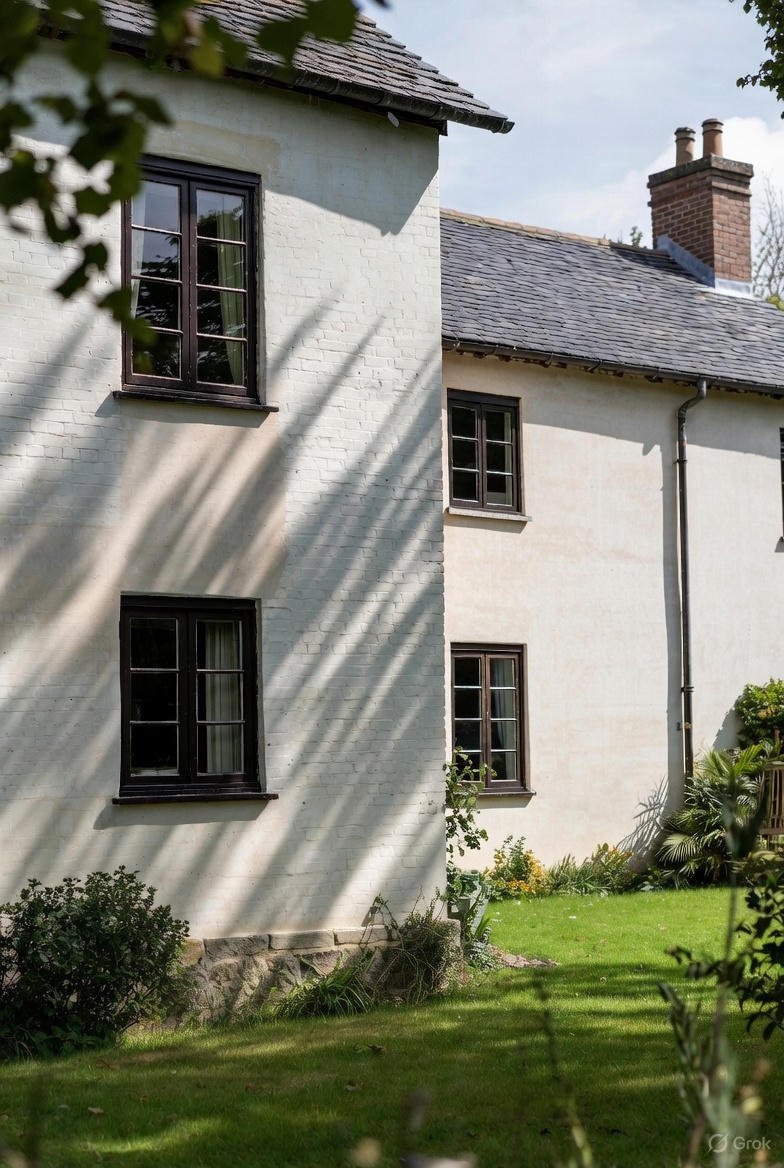
Many homeowners with brick houses notice excessive indoor heat during warmer months, often due to the material's inherent properties. Brick's color and thermal mass play significant roles in absorbing and retaining solar energy, leading to higher temperatures inside. Understanding these factors, along with potential solutions like insulation and exterior coatings, can provide insights into managing heat in traditional brick structures.
Paint Versus German Smear on Brick Surfaces
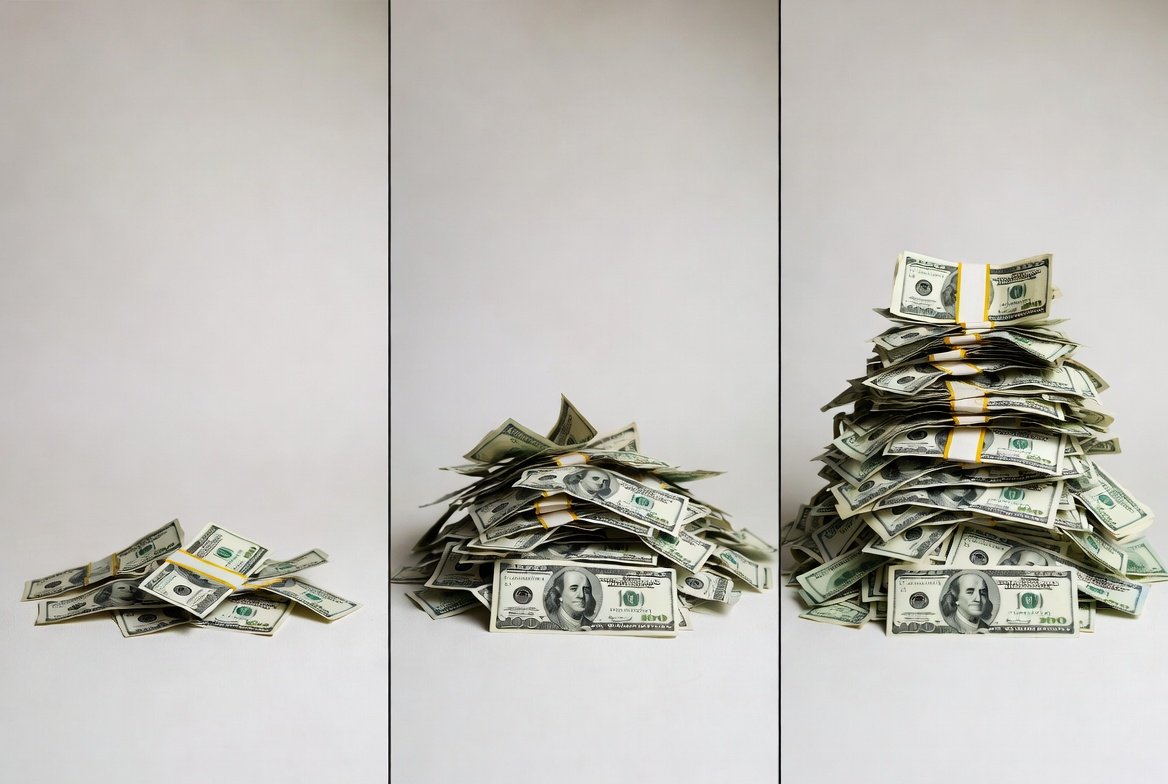
German Smear offers a high upfront investment but minimal ongoing expenses due to its durability, while paint incurs repeated costs from deterioration over time. This comparison examines the scientific principles behind paint's degradation, particularly on high-use areas like fireplaces, and highlights German Smear's low-maintenance superiority. Understanding these factors aids in appreciating historical brick treatments rooted in breathable, long-lasting methods.
Why Does My Brick Have White Spots on It?
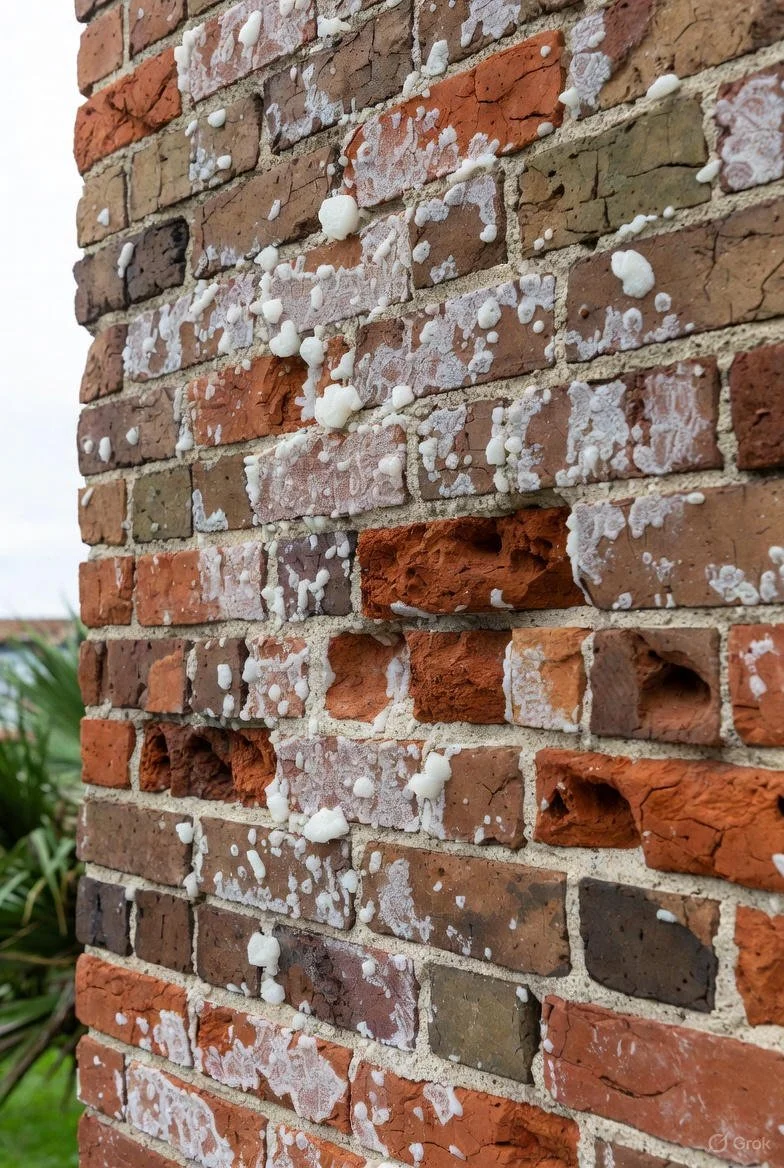
White spots on brick surfaces often indicate efflorescence, a common phenomenon in masonry where soluble salts crystallize on the exterior. This deposit forms through moisture migration and can signal underlying water issues that affect both the brick's integrity and any applied finishes. Understanding efflorescence is essential for preserving historical and modern brick structures, as it ties into fundamental building science principles like vapor permeability and material durability.
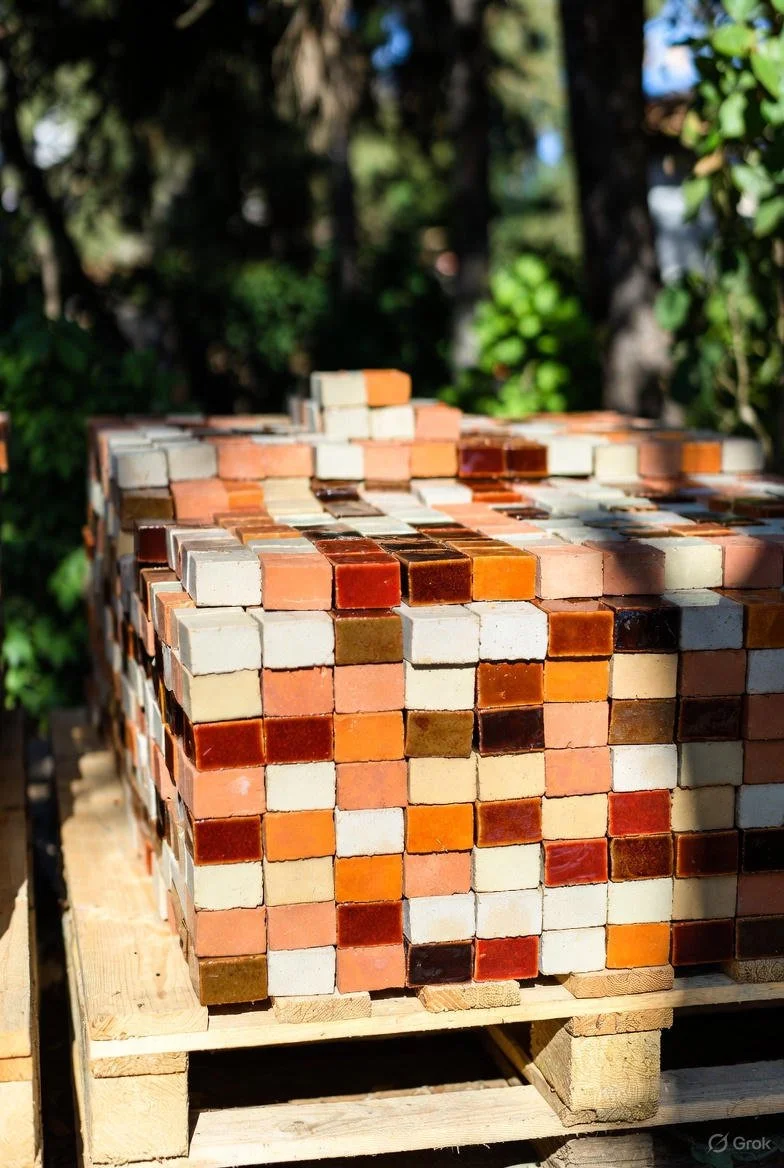
Glazed Bricks: Origins of the Glossy Appearance in Brick Construction
Certain bricks exhibit a glossy or shiny surface due to the application of a ceramic glaze or through vitrification during high-temperature firing. This glossy finish, most commonly seen in glazed bricks, serves primarily to create an impervious barrier against moisture, staining, and environmental damage. While offering enhanced durability and ease of maintenance, glazed bricks present challenges such as reduced vapor permeability and incompatibility with traditional surface treatments like German Smear or mortar wash.
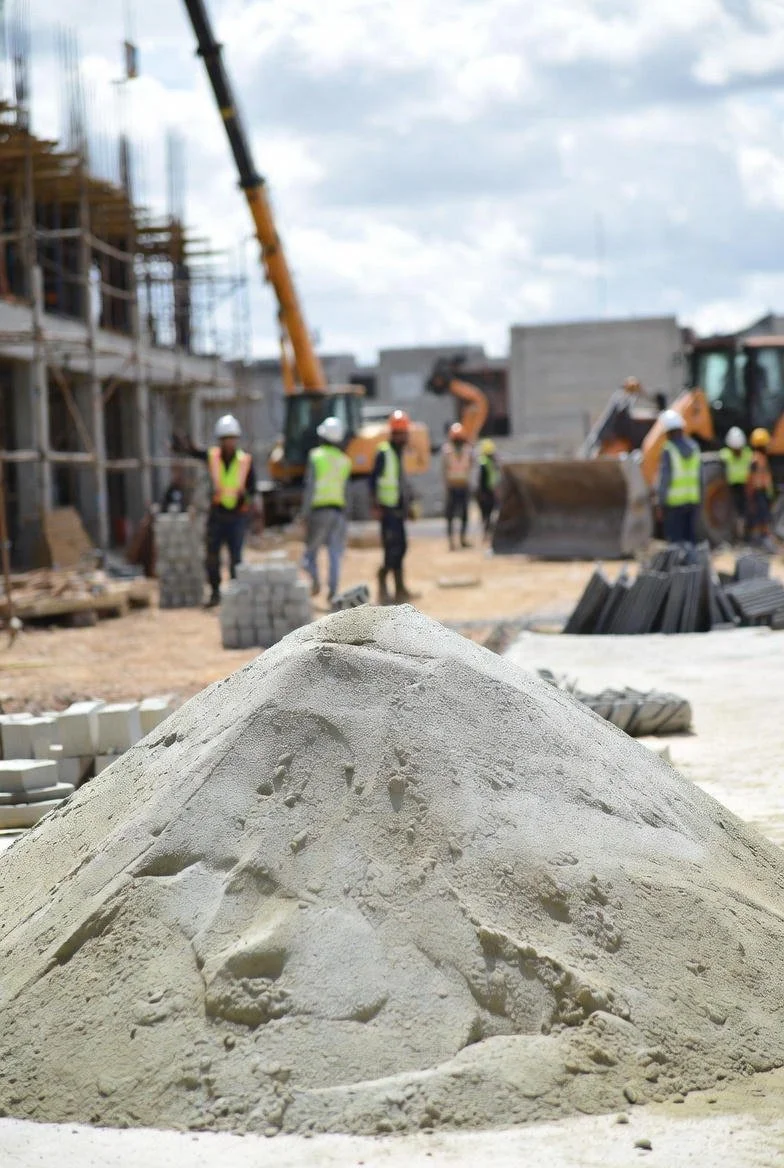
Types of Sand in Mortar and Their Influence on Cured Texture in German Smear Finishes
Sand serves as the primary aggregate in masonry mortars, influencing workability, strength, and the final surface texture after curing. Different sand types—characterized by grain size, shape, and grading—affect how mortar adheres, spreads, and dries. In German Smear, a mortar wash technique rooted in European traditions, the choice of sand directly impacts the rustic, textured appearance of the finish on brick surfaces.
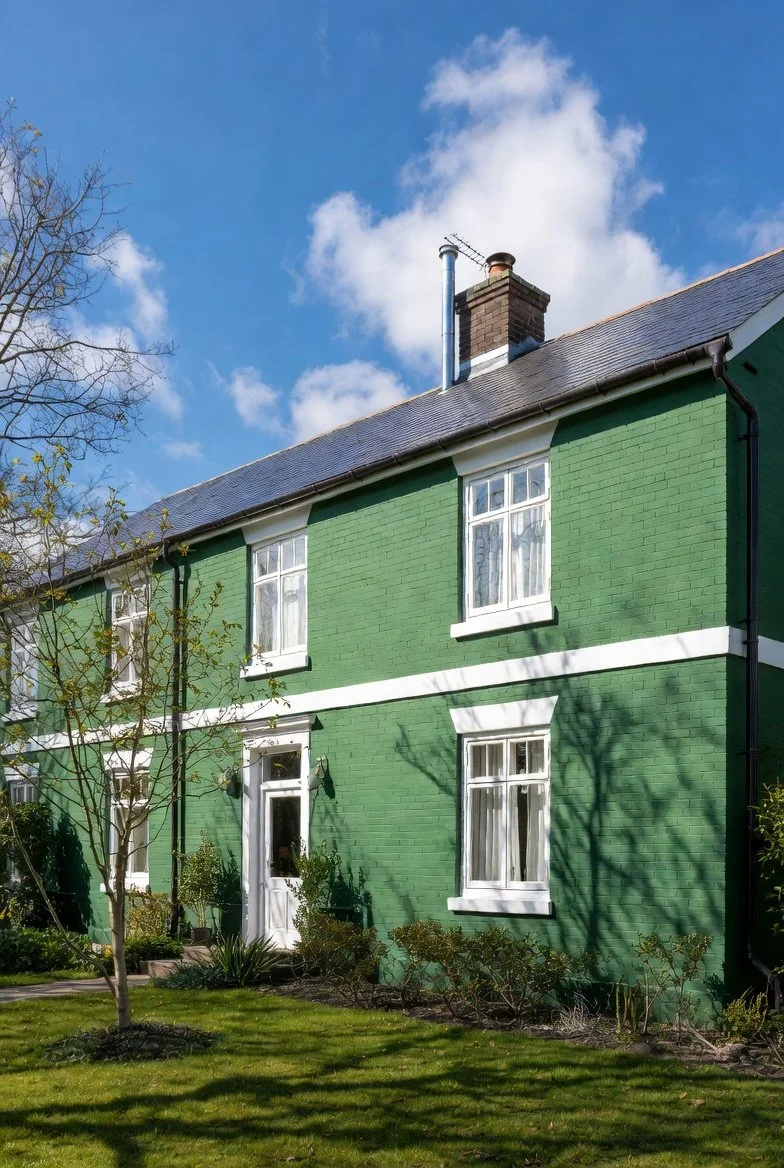
Evaluating Exterior Masonry Paint for Brick Homes: A Building Science Analysis
Exterior masonry paint is often considered for updating the appearance of brick homes, but its application raises concerns in building science due to potential moisture issues. While it can provide short-term protection and aesthetic changes, non-breathable paints may trap water vapor, leading to long-term damage like spalling or efflorescence. In contrast, traditional methods such as German Smear offer compatible, permeable alternatives rooted in historical masonry practices.
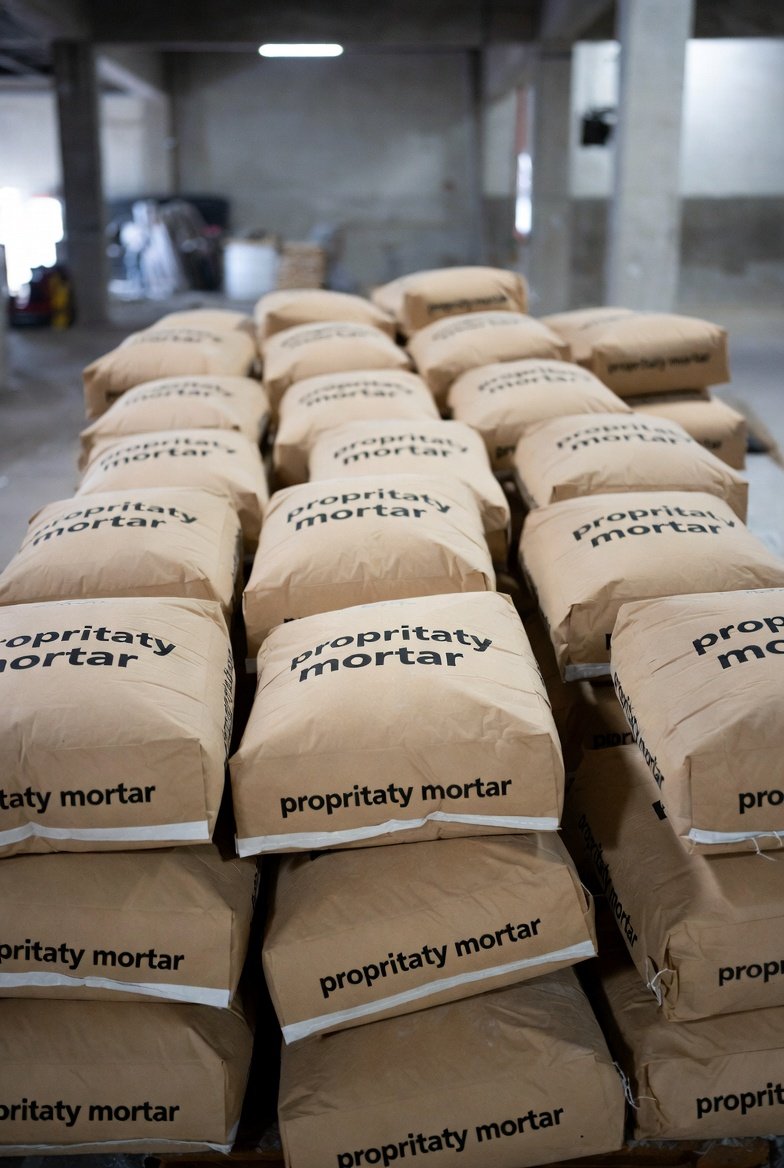
Understanding the Factors Influencing German Smear Application
German Smear, a time-honored brick treatment method, involves spreading a thin layer of mortar over brick surfaces to create a textured, aged appearance that enhances architectural character. The process is influenced by variables such as mortar thickness and structural height, which affect both material use and labor demands. This educational overview details the physical labor involved, including handling mortar weights, and explains the role of specialized mortar blends in achieving authentic results.

German Smear vs. Paint: Evaluating Brick Health Through Scientific Lens
German Smear and paint represent two distinct approaches to altering brick appearance, with significant implications for the material's long-term integrity. While German Smear uses a breathable mortar layer that integrates with the brick, paint often forms an impermeable barrier that can compromise moisture management. Understanding their scientific differences helps preserve brick's natural properties in various climates.
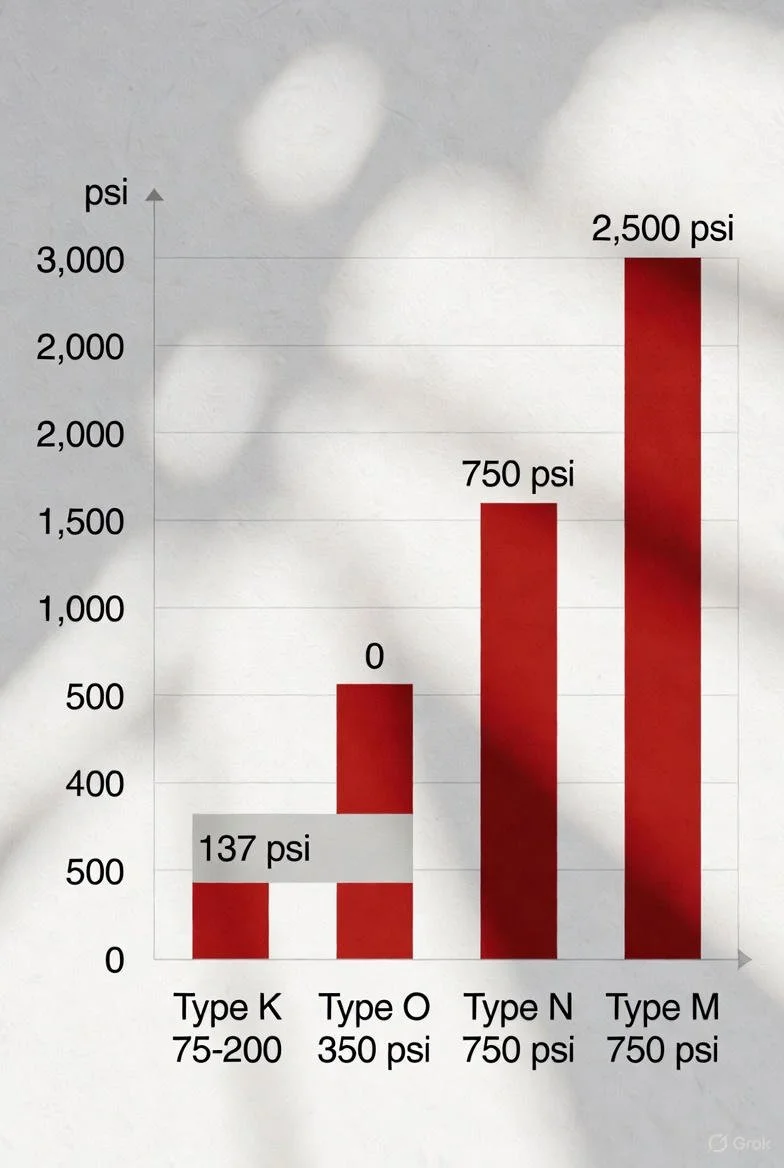
Mortar Strength Categories in Historical and Contemporary Masonry
Mortar strength profoundly influences how masonry walls manage movement, moisture, and long-term durability. Traditional European construction used extremely weak lime mortars, whereas modern practice favors much stronger Portland cement mixes. Selecting the correct strength is fundamental to successful restoration and compatible new construction.
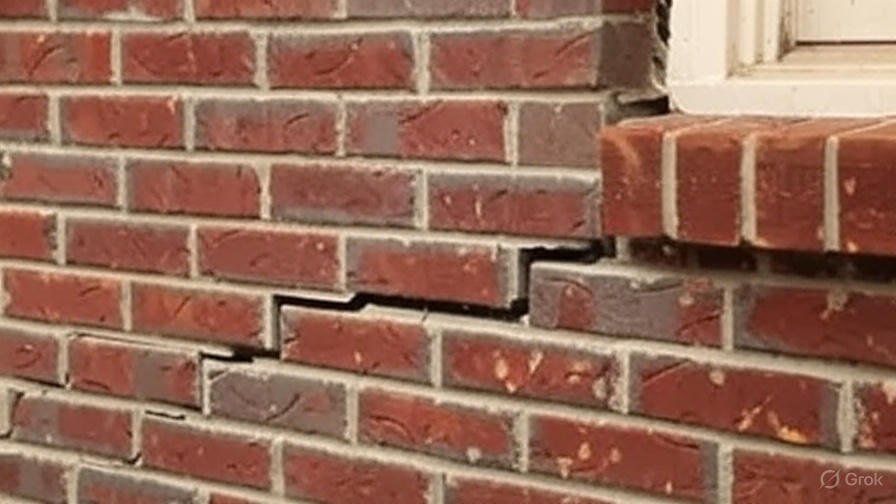
Winter Threats to Brick Homes: A Building-Science Perspective on Cold-Weather Damage
Brick masonry that appears perfectly sound in autumn can show dramatic deterioration by spring. The primary culprit is water that enters the wall, freezes, and expands with enough force to fracture brick faces, disintegrate mortar joints, and trigger structural cracking. These failures follow well-understood physical principles and affect both historic solid walls and modern cavity construction.
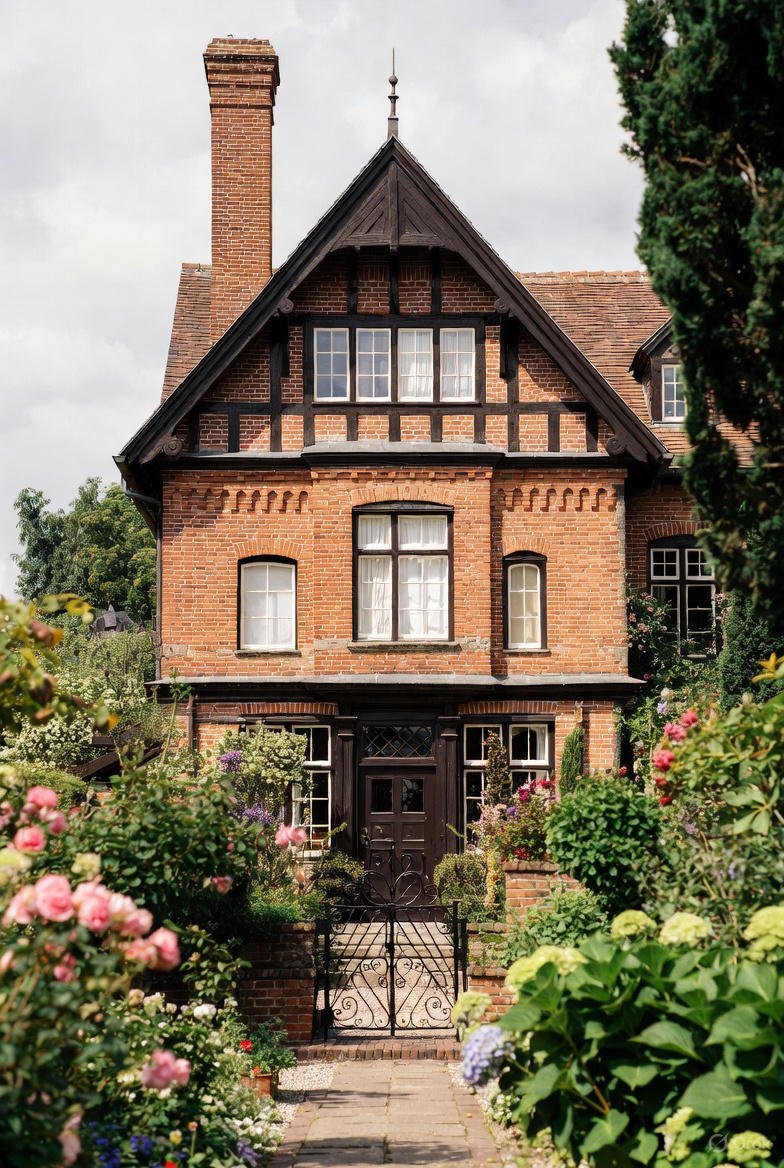
Why Fired Clay Brick Has Been Used for Centuries To Build Homes
Fired clay brick has remained a primary building material for over 5,000 years because it combines compressive strength, resistance to fire and biological attack, dimensional stability, and—when paired with lime mortar—excellent vapor permeability. Structures from Mesopotamia (3500 BCE) to medieval Europe and colonial America continue to stand and function with minimal intervention, demonstrating that brick’s longevity is not coincidental but the direct result of verifiable material properties and compatible jointing systems.
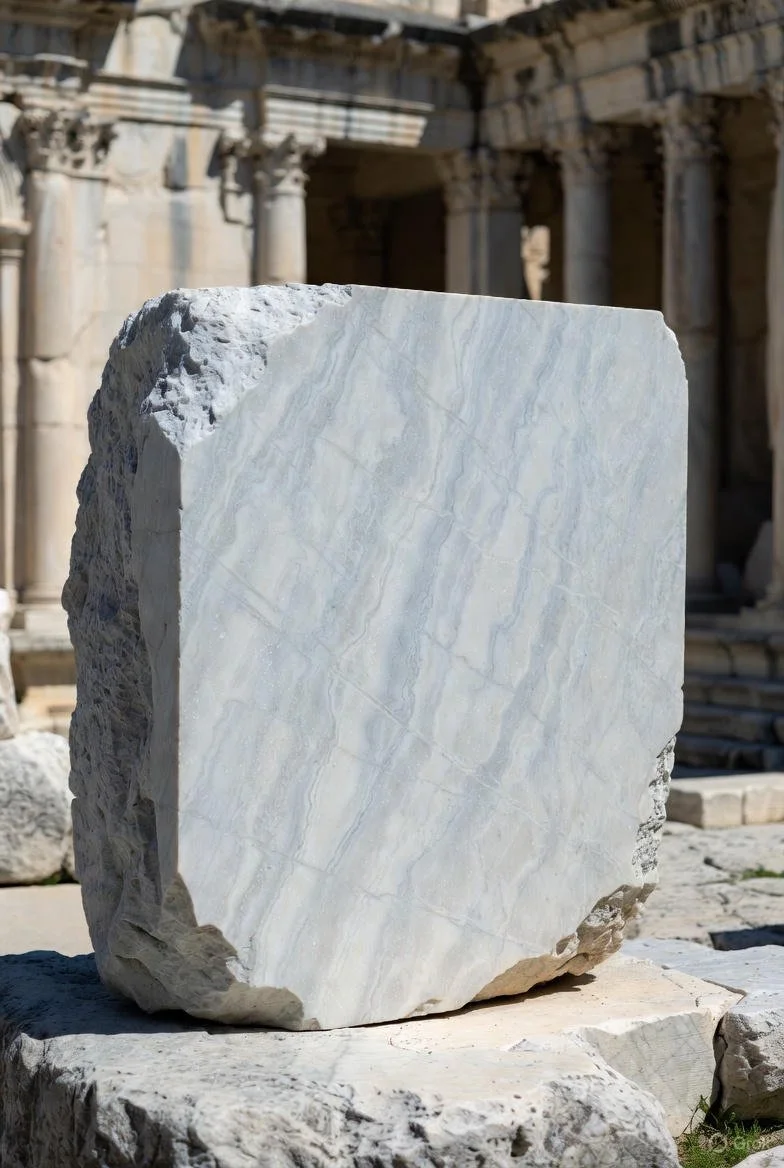
Mineral Aggregates in Traditional Lime-Based Mortars: Granite, Marble, and Quartz
Traditional lime-based mortars commonly incorporate mineral aggregates derived from natural stones to enhance workability, durability, and aesthetic qualities. Quartz sand has been a primary aggregate in European building traditions for centuries, providing structural integrity and vapor permeability. Crushed marble dust appears in historical plasters and finishing mortars, particularly in Roman and later periods, for achieving smooth, white surfaces. Granite dust, while documented in some modern and regional contexts, lacks widespread evidence in historic European lime mortars.
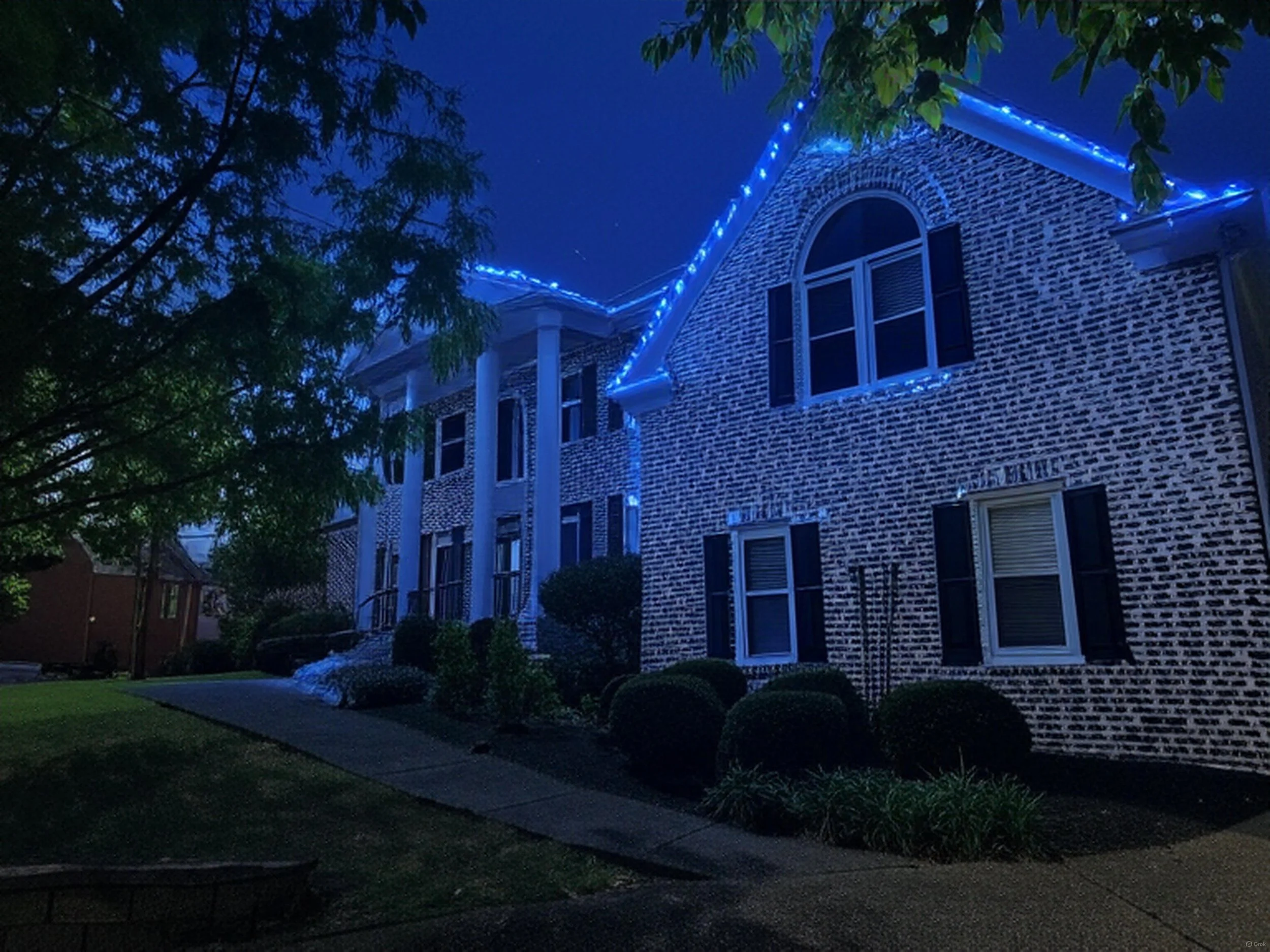
Enhancing Holiday Lighting Effects with White German Smear Brick Exteriors
A white German smear finish—created by applying and partially removing a light mortar slurry over brick—turns a house into a bright, softly textured canvas that dramatically improves the visibility and vibrancy of holiday lights. Because the surface is predominantly white with subtle gray veiling and retained brick undertones, it interacts differently with each lighting color than dark red brick or painted siding. Specific light colors produce stronger contrast, richer saturation, or cleaner projection when displayed against this reflective, neutral backdrop.
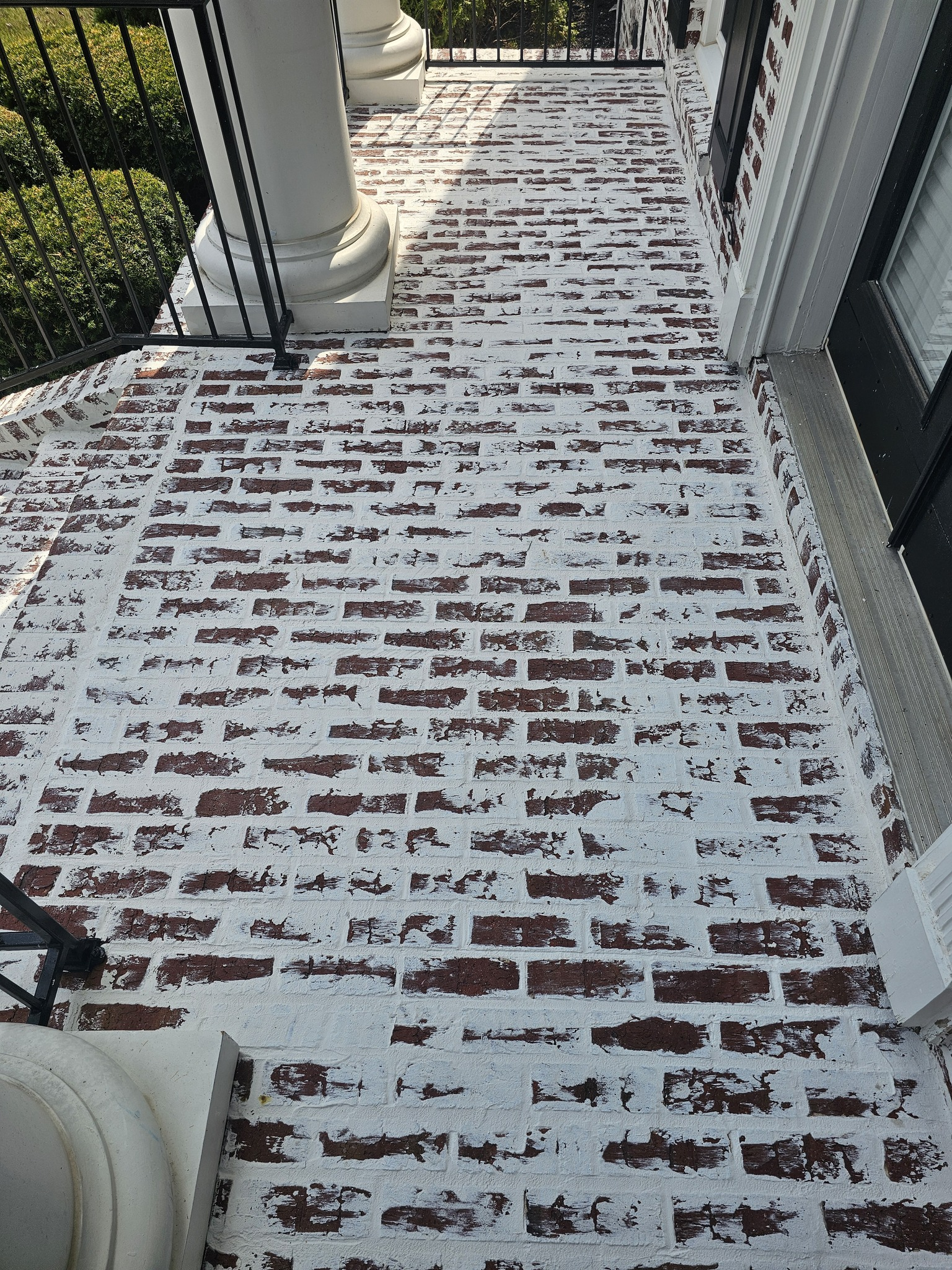
Transforming the Appearance of Brick Pavers: Aesthetic Enhancement Techniques That Preserve Durability
Beyond routine cleaning, brick pavers can be dramatically refreshed or completely re-imagined through historically proven surface treatments such as mortar wash, lime slurry coatings, and selective staining methods. When correctly formulated and applied, these techniques alter color and texture while maintaining the clay unit’s essential vapor permeability and freeze-thaw resistance. The result is a new aesthetic identity—from bright whitewashed Mediterranean courtyards to softly aged European village streets—without sacrificing the paver’s proven longevity.
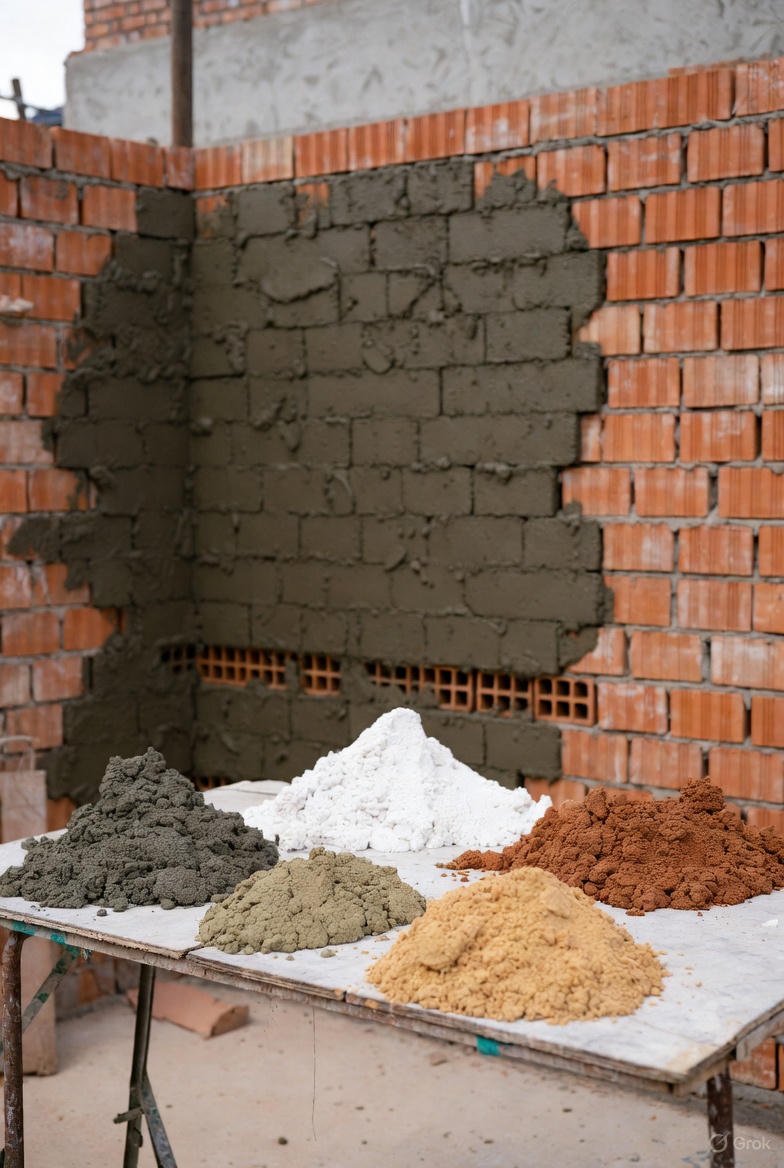
Color Options in German Smear: Pigmentation and Substrate Interaction
German smear achieves its color through iron oxide pigments added to masonry mortar, producing a range of whites, grays, beiges, and muted earth tones. These pigments integrate permanently during hydration and interact with the underlying brick to create soft, layered effects that preserve texture and breathability. The resulting palette offers subtle alternatives to painted brick while remaining rooted in traditional mortar-wash practices.
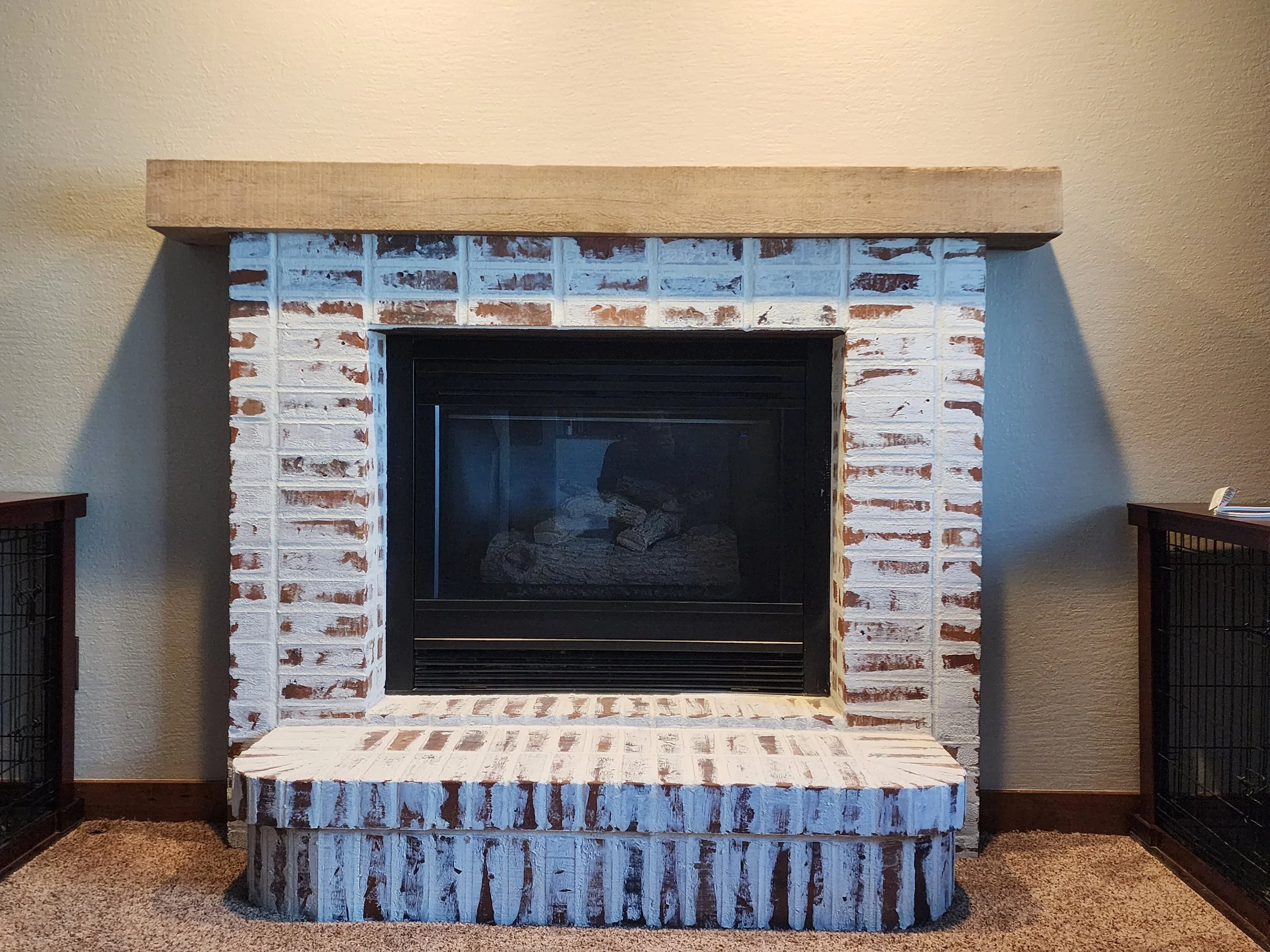
German Smear Versus Painting for Indoor Fireplaces: A Technical and Aesthetic Comparison
Interior brick fireplaces can be refreshed either by applying a traditional German smear or by painting the brick. While both approaches lighten and modernize the appearance, they differ fundamentally in texture, breathability, permanence, and long-term behavior. Understanding these differences allows homeowners and designers to select the method that best aligns with the fireplace’s material properties and the desired aesthetic outcome.
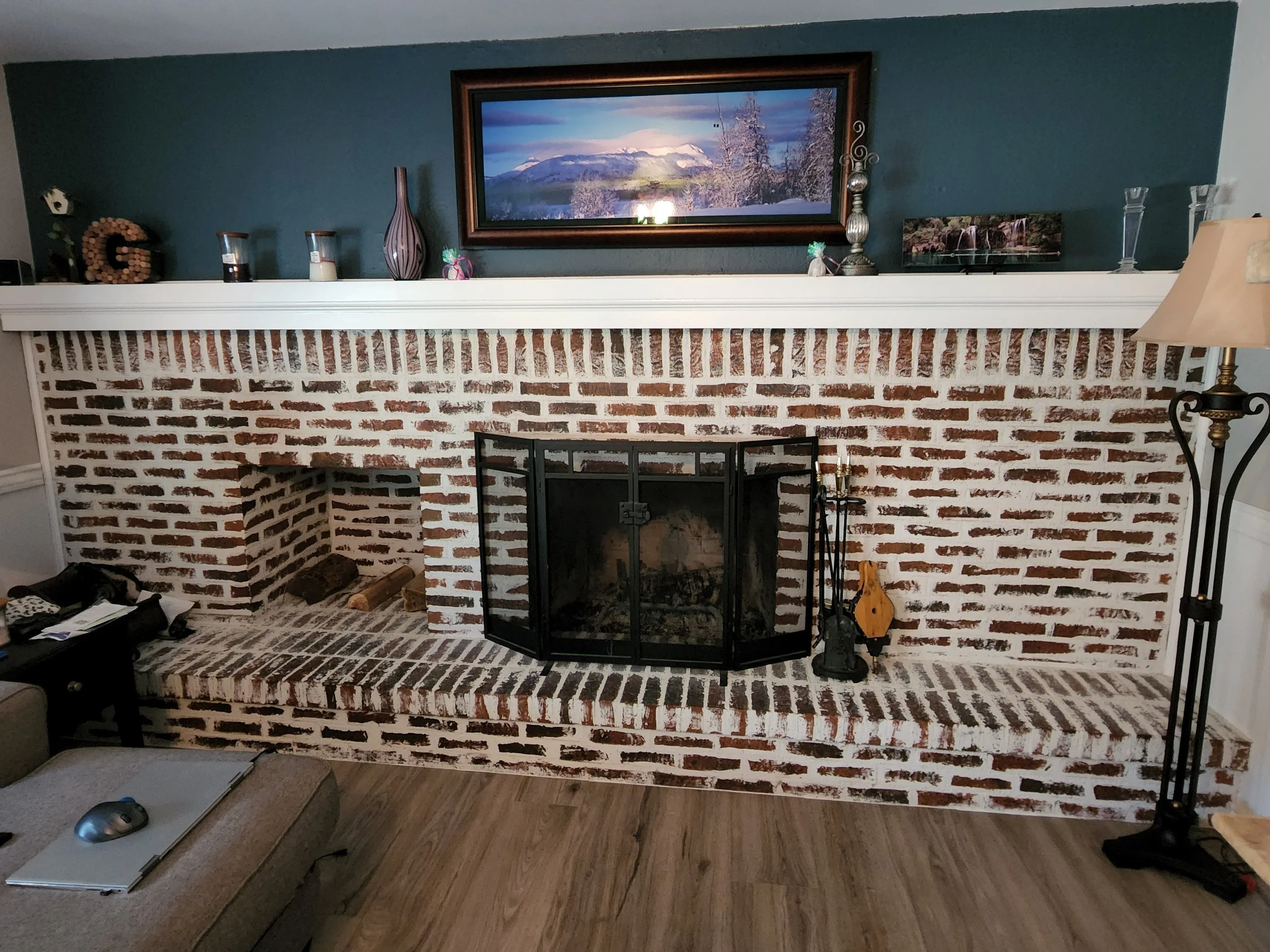
The Role of German Smear in Enhancing Interior Aesthetics
German smear, a traditional mortar-wash technique rooted in European masonry practices, brings textured warmth and subtle irregularity to interior brick surfaces. When applied inside the home, it softens the harsh redness of common brick while preserving its natural character, creating spaces that feel both historic and intentionally curated. This finish bridges rustic authenticity with contemporary minimalism, making it a versatile tool for interior aesthetic improvement.

German Smear: The Sustainable Choice for Eco-Conscious Homeowners
What if your next home upgrade could not only make your exterior look stunning but also align with your values for a greener planet? In a world where sustainability is more important than ever—especially with rising energy costs and environmental concerns—German Smear stands out as a smart, eco-friendly option. We've seen how this professional masonry technique transforms homes while minimizing environmental impact, using natural materials that enhance energy efficiency and reduce waste. Picture your brick facade getting a timeless makeover that cuts down on your carbon footprint. In this post, we'll explore why German Smear is the intelligent, planet-friendly alternative to traditional updates like painting, backed by expert insights and verified facts as of October 27, 2025.

Why Painting Your Brick Is a Mistake—and How German Smear Is the Smarter Choice
Tired of your home’s dated brick exterior and thinking about slapping on a fresh coat of paint? Hold that thought—painting your brick could lead to costly issues down the road.