German Smear Versus Painting for Indoor Fireplaces: A Technical and Aesthetic Comparison
Fireplaces are among the most common interior features treated with either German smear or paint. German smear is a mortar-based technique that partially covers brick with a thin, textured veil of lime-rich mortar. Painting, by contrast, applies an opaque film-forming coating. Each method dramatically alters the fireplace’s visual impact, but their effects on the masonry substrate, maintenance requirements, and reversibility are markedly different.
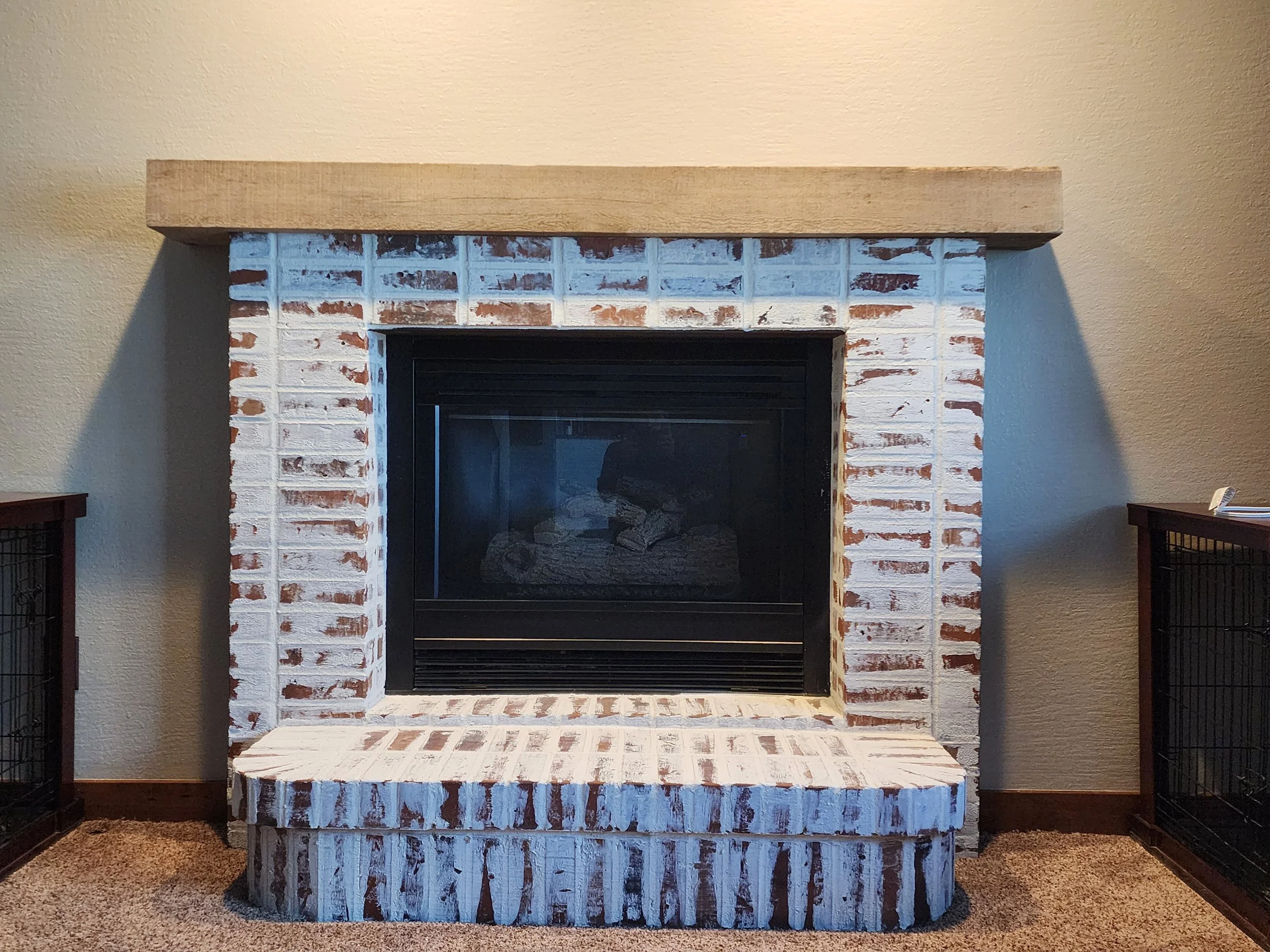
Key Differences in Application and Appearance
Surface Texture and Visual Depth
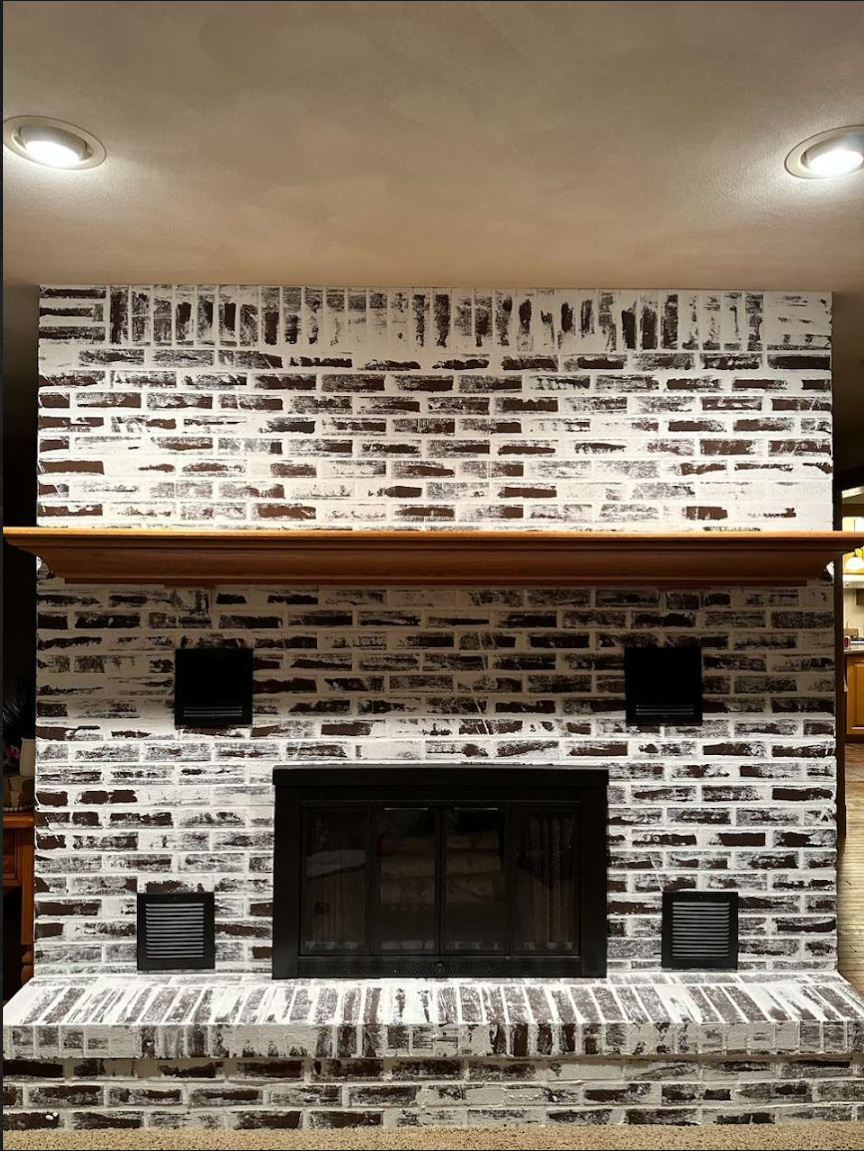
German smear preserves the brick’s topography; mortar fills mortar joints and low areas while leaving brick faces partially exposed.
The result is a soft, handcrafted relief with subtle shadows that shift with firelight and daylight.
Painted brick becomes perfectly flat and uniform; all texture is lost beneath the paint film, producing a smoother but more monolithic appearance.
Color and Light Reflection
German smear typically uses white or off-white mortar, creating a muted, chalky brightness that still reveals undertones of the original brick.
Paint offers unlimited color options but fully conceals the brick, resulting in higher contrast and a more graphic, contemporary look.
Smear diffuses light gently; paint reflects it more aggressively, which can make small rooms feel larger but may appear harsher in evening firelight.
Perception of Age and Authenticity
German smear ages the fireplace in a controlled, historic way—similar to centuries-old European examples—while maintaining visible masonry.
Paint reads as a modern intervention and can make even an old fireplace appear newly renovated rather than respectfully restored.
Material Science and Performance Considerations
Vapor Permeability and Breathability
Brick and mortar are hygroscopic materials that absorb and release minor amounts of interior moisture.
German smear formulated with lime or Type-N mortar remains highly vapor-permeable (typically >20 perms), allowing the masonry to breathe and preventing trapped moisture behind the finish.
Most interior latex and acrylic paints have low permeability (<1–5 perms); repeated heating cycles from the fireplace can drive moisture into the brick and cause paint to peel or blister over time.
Thermal Cycling and Durability
Fireplace surrounds undergo significant temperature swings (ambient to 200–400 °F at the surface during use).
German smear, being mineral-based and chemically similar to the original mortar joints, expands and contracts at nearly the same rate as the brick, minimizing cracking.
Paint films are polymeric and have different coefficients of thermal expansion; micro-cracking and flaking are common complaints on painted fireplaces after 3–10 years.
Cleanability and Soot Management
Both finishes resist light soot when properly cured, but German smear’s textured surface can trap fine particles in recesses.
Painted surfaces wipe clean more easily yet show soot stains more visibly against a smooth, uniform background.
Heavy soot accumulation on either finish requires gentle vacuuming or dry-brush cleaning; aggressive scrubbing damages paint films faster than mineral smear.
Reversibility and Future Options
Removal Difficulty
German smear is considered semi-permanent; removal is labor-intensive (wire brushing or light sandblasting) but does not chemically alter the brick.
Paint, especially multiple coats or primers, bonds tenaciously and often requires chemical strippers or aggressive abrasion, risking permanent damage to historic brick faces.
Ability to Change Aesthetics Later
A smeared fireplace can be painted in the future if desired.
A painted fireplace cannot be reliably returned to raw brick or successfully smeared without first removing all paint—a costly and uncertain process.
Summary Comparison
Texture retained: German smear – Yes | Paint – No
Vapor permeability: German smear – High | Paint – Low to nonexistent
Thermal compatibility: German smear – Excellent | Paint – Fair to poor
Color flexibility: German smear – Limited (Natural Colors) | Paint – Unlimited
Reversibility: German smear – Difficult but feasible | Paint – Very difficult to impossible
Aesthetic character: German smear – Soft, historic, tactile | Paint – Bold, contemporary, graphic
Long-term maintenance on active fireplaces: German smear – Generally lower film-failure risk | Paint – Higher risk of peeling
Conclusion
German smear and painting both successfully update tired interior fireplaces, but they occupy opposite ends of the texture-permanence spectrum. German smear preserves the masonry’s inherent character, accommodates thermal movement, and maintains breathability—making it the technically conservative choice for working fireplaces in older homes. Painting delivers maximum color impact and a cleaner modern silhouette yet introduces greater risk of deterioration and irreversibility. The decision ultimately rests on whether the goal is to enhance the brick’s natural qualities or to fully transform them.
Looking to DIY?
Checkout SmearTech’s Signature White™ Mortar and German Smear Tools.