Understanding the Factors Influencing German Smear Application
German Smear, sometimes referred to as Schmear or mortar wash, is a traditional finishing technique rooted in European masonry practices, particularly those documented in Germany as early as the medieval period. It was commonly used to protect brickwork from weathering while imparting a rustic, irregular aesthetic that mimics the patina of aged structures. Architecturally, this method is significant because it maintains the natural vapor permeability of brick, allowing moisture to escape and preventing issues like trapped humidity that can lead to deterioration in modern sealed systems.
Factors Affecting German Smear Application Expenses
Several elements contribute to the variability in resources needed for German Smear projects, drawing from building science principles and practical application considerations. These factors stem from the material properties of mortar and the physical demands of the work site.
Mortar Thickness: Thinner applications require less material and allow for quicker drying, but thicker layers increase adhesion challenges and extend curing times due to higher water content.
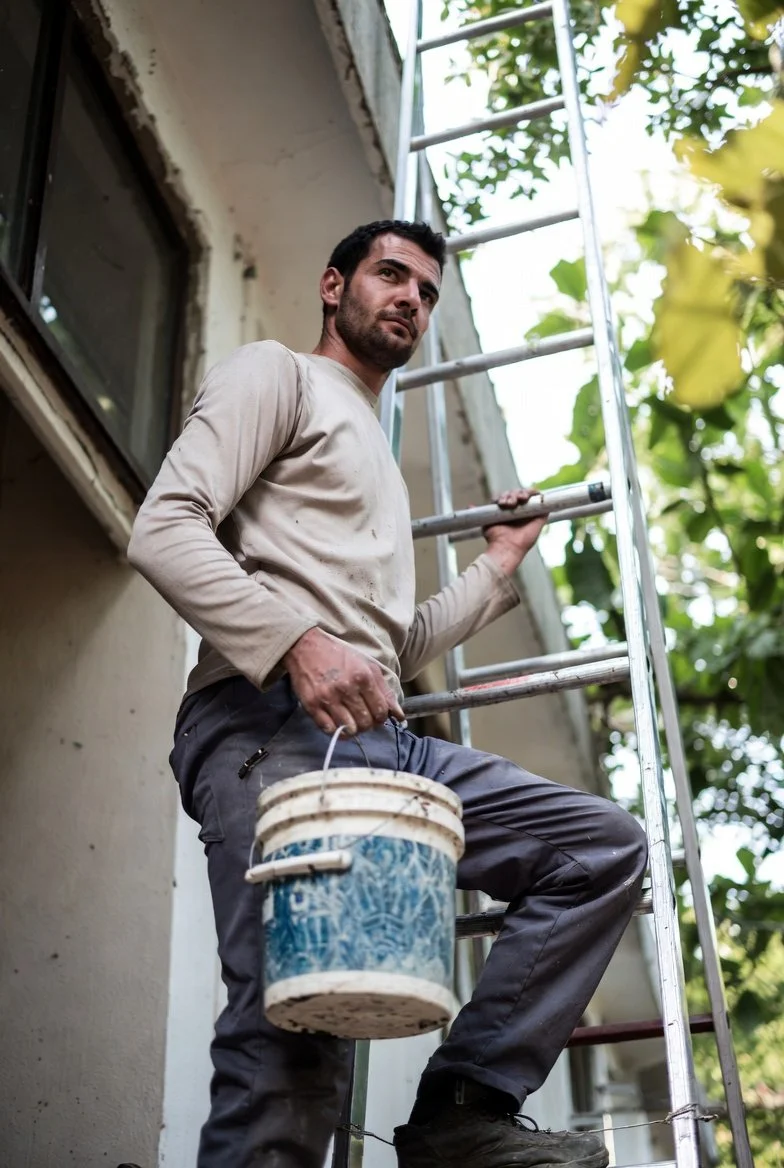
Structural Height: Taller buildings or those with high roofs necessitate additional safety measures, such as ladders or staging, which can prolong the process and demand more physical effort.
Surface Preparation: Brick porosity and condition influence how much mortar is absorbed, potentially requiring extra steps like cleaning or priming to ensure proper bonding.
Climate Conditions: In regions with freeze-thaw cycles, the technique must account for mortar's expansion and contraction properties to avoid cracking.
Historically, German Smear evolved from Kalkschlämme traditions in Central Europe, where lime-based mortars were applied for both functional protection and decorative purposes, distinguishing it from fully opaque painted brick that can impair breathability.
Labor Requirements in German Smear Application
Applying German Smear is a labor-intensive process that demands careful handling of materials and precise techniques to achieve the desired texture. It involves multiple stages, from mixing to final wiping, and requires physical strength due to the weights involved.
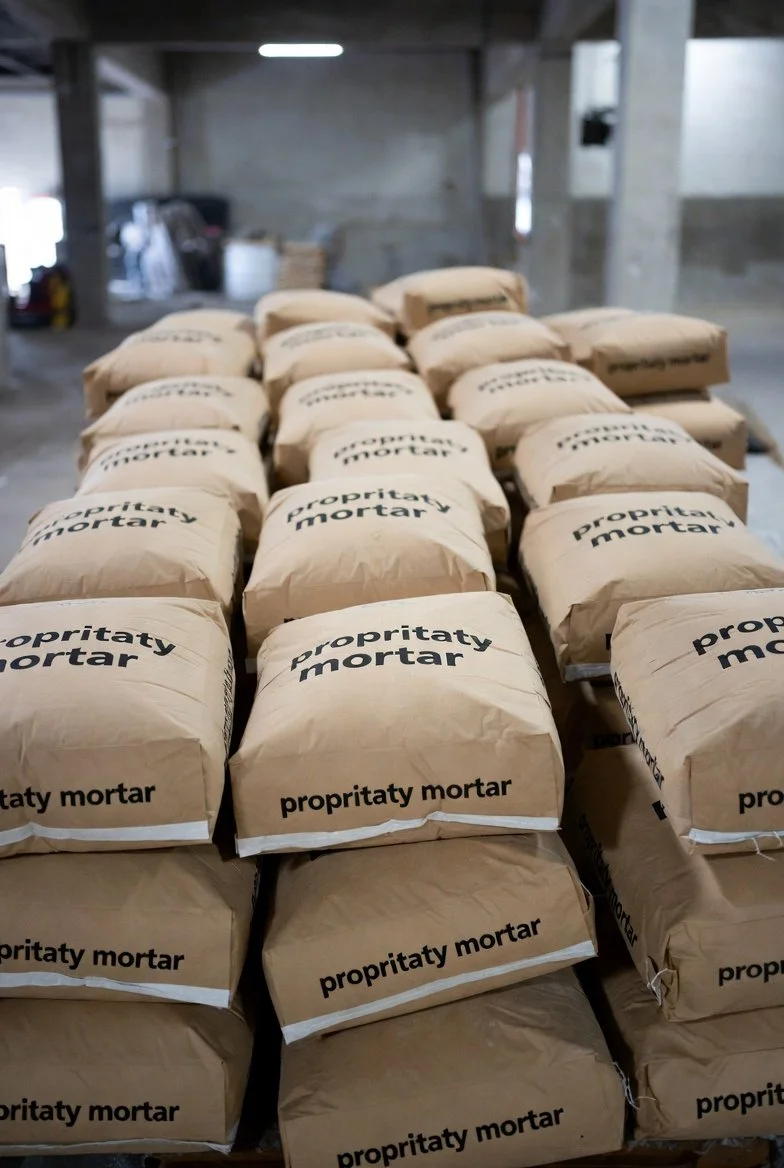
The core labor begins with transporting and mixing mortar. Dry mortar bags typically weigh between 50 and 80 pounds, making them cumbersome to carry, especially up ladders or across uneven terrain. Once mixed with water to form a slurry—often at a ratio of about 70% mortar to 30% water—the wet mixture increases in weight by approximately 10-15 pounds per bag due to added water, resulting in a denser, more viscous material that must be hauled in buckets or troughs. This wet mortar has a consistency similar to thick peanut butter, which aids in application but adds to the strain of repeated lifting and spreading.
Application itself requires troweling or smearing the mortar onto the brick surface, followed by wiping or scraping to reveal varying amounts of the underlying brick. For a standard single-story structure, this can take several days of continuous work, while multi-story homes may extend the timeline due to the need for safe access at heights. Building science emphasizes the importance of allowing proper curing—typically 24 to 48 hours per layer—to ensure adhesion and prevent efflorescence, a whitish deposit caused by salt migration in moist conditions.
Carrying and Handling: Workers often carry multiple bags or buckets, with dry weights around 80 pounds and wet mixtures slightly heavier, necessitating ergonomic practices to avoid injury.
Mixing and Application: Paddle mixers or manual stirring is used, followed by hand-application, which demands steady pressure to control thickness and avoid uneven coverage.
Cleanup and Finishing: Excess mortar must be removed promptly, as it hardens quickly, adding to the overall physical workload.
Unlike limewash or whitewash, which are thinner and easier to apply in liquid form, German Smear's mortar-based nature requires more manual effort to achieve its distinctive, irregular texture.
Specialized Mortar Blends in Authentic German Smear
A key aspect of traditional German Smear is the use of specific mortar formulations that differ from standard hardware store options. Experienced practitioners often rely on custom or specialty blends tailored for this technique, incorporating precise ratios of Portland cement, lime, sand, and sometimes additives for enhanced workability and durability.
These specialty mortars are designed to provide better adhesion and breathability compared to generic mixes, aligning with historical European practices where lime-rich compositions were favored for their vapor-permeable properties. Such blends are typically the sole material used in true German Smear applications, as they allow for the characteristic smudged effect without compromising structural integrity.
In terms of material science, these custom mortars often have higher lime content to improve flexibility and reduce cracking in varying climates. They differ from painted brick by preserving the brick's natural moisture exchange, unlike impermeable coatings that can trap water and lead to freeze-thaw damage.
Composition Differences: Specialty blends may include white or colored cements for aesthetic control, contrasting with basic Type S or N mortars.
Performance Benefits: Enhanced vapor permeability (measured in perms) helps prevent moisture buildup, a critical factor in architectural conservation.
Historical Context: Documented in German building traditions, these mortars echo methods used in structures from the 18th and 19th centuries, where local materials influenced blend variations.
Conclusion
German Smear offers an educational lens into historical masonry techniques, highlighting the balance between labor-intensive application, material science, and architectural preservation. By considering factors like mortar thickness, structural height, and specialized blends, one gains appreciation for its role in maintaining breathable, durable brick finishes. This method underscores the importance of vapor permeability and careful craftsmanship in sustaining building longevity across diverse climates.
Looking to DIY?
Checkout SmearTech’s Signature White™ Mortar and German Smear Tools.