Evaluating Exterior Masonry Paint for Brick Homes: A Building Science Analysis
Exterior masonry paint refers to coatings specifically formulated for brick and other masonry surfaces, typically acrylic-based or mineral compositions designed to adhere to porous materials. This topic matters from a historical and architectural standpoint because brick has been a fundamental building material in European and American traditions since the 17th century, valued for its durability and natural ability to manage moisture through vapor permeability. Applying modern paints can alter these inherent properties, potentially compromising the structural integrity of historic or traditional brick homes, whereas methods like German Smear align more closely with time-tested conservation principles to preserve both function and appearance.
Building Science Considerations for Masonry Paint on Brick
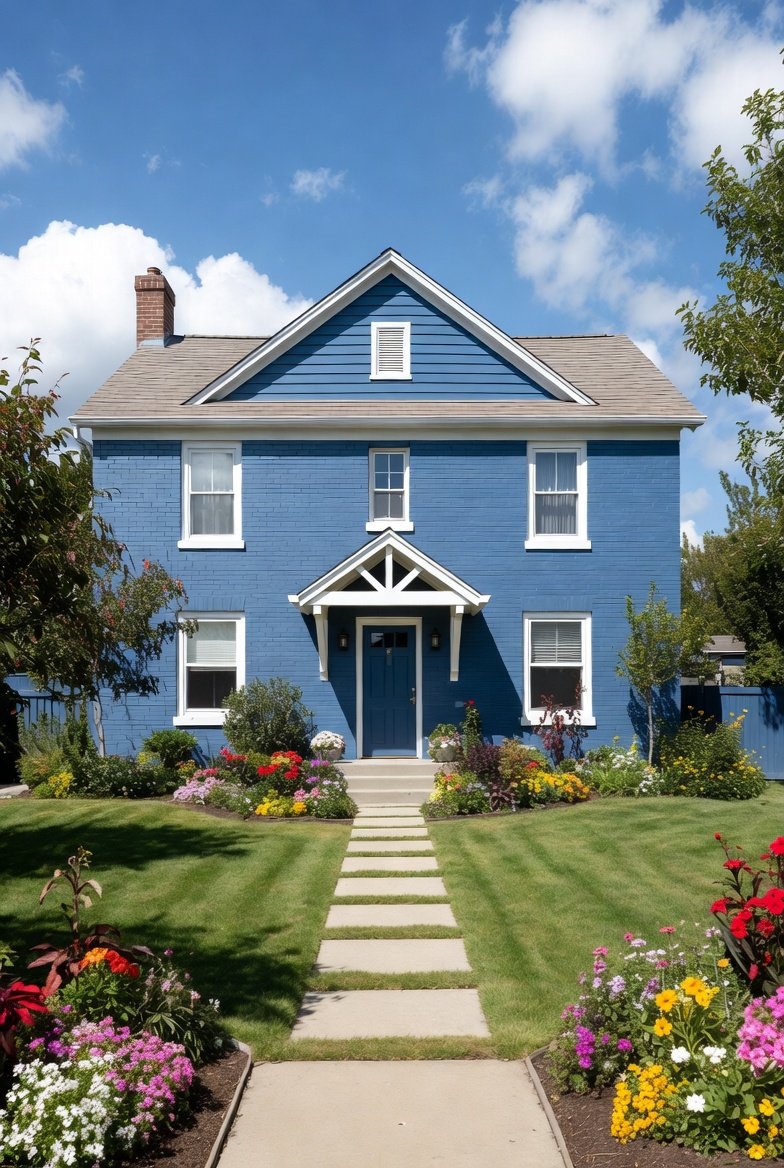
Building science emphasizes the importance of moisture management in masonry walls, as brick is a porous material that absorbs and releases water vapor to maintain equilibrium with its environment. Exterior masonry paint can interfere with this process, especially if the formulation creates a low-permeability barrier. Breathable paints allow some vapor transmission, but many standard applications still reduce the wall's ability to "breathe," leading to accumulated moisture that exacerbates freeze-thaw cycles in colder climates.
Key effects include:
Moisture Trapping: Non-permeable paints seal pores, preventing outward migration of interior humidity, which can cause internal deterioration such as cracking or flaking of the brick face.
Efflorescence and Mold: Salts dissolve in trapped water and migrate to the surface, forming white deposits; excess dampness may also promote mold growth within the wall assembly.
Freeze-Thaw Damage: In regions with temperature fluctuations, water expansion during freezing can lead to spalling, where brick surfaces chip away.
Adhesion and Peeling: Over time, environmental exposure causes paint to degrade, requiring frequent touch-ups to maintain integrity.
On the positive side, high-quality masonry paints can shield brick from direct weathering, such as UV radiation and acid rain, potentially extending surface life in mild climates if vapor-permeable formulations are used. However, these benefits are often outweighed by risks in humid or variable weather conditions, making paint less ideal for long-term architectural conservation compared to traditional treatments.
Detailed Comparison: Effects of Masonry Paint Versus German Smear on Brick
German Smear, a mortar-wash technique commonly used throughout European building traditions since the 19th century, involves applying a thin layer of lime-cement mortar to brick and partially removing it to create a textured, aged finish. This method differs fundamentally from masonry paint in composition, application, and interaction with brick, promoting better material compatibility based on building science principles.
In terms of vapor permeability—a measure of how easily water vapor passes through a material—German Smear maintains high levels (typically 10-20 perms or more), allowing the brick to release moisture naturally and reducing risks of internal damage. Masonry paint, often polymer-based, forms a film with lower permeability (frequently below 5 perms), which can block this process and lead to hydrostatic pressure buildup. For instance, in freeze-thaw environments, paint-trapped moisture expands and contracts, accelerating brick degradation, while German Smear's porous mortar absorbs and dissipates water, acting as a sacrificial layer that protects the underlying brick.
Adhesion mechanisms also vary: German Smear chemically bonds through hydration, integrating with the brick's mineral structure for a durable, non-peeling finish. Paint relies on mechanical adhesion, which can fail under thermal expansion or alkaline conditions in brick, resulting in blistering or flaking. Climatically, German Smear enhances breathability in humid areas, preventing efflorescence by allowing salts to migrate outward without trapping them, whereas paint often exacerbates this issue by confining minerals behind the coating.
Structurally, German Smear adds minor compressive strength to the facade due to its mortar composition, commonly used in historical restorations to stabilize aging brick without altering load-bearing properties. Paint provides no such reinforcement and may introduce vulnerabilities if it cracks, allowing water ingress. Aesthetically, German Smear preserves brick texture with partial coverage, evoking traditional mortar-wash methods documented in northern European architecture, while paint offers uniform opacity but can appear artificial over time as it weathers unevenly.
Overall distinctions:
Material Behavior: Mortar in German Smear is alkaline-compatible with brick, avoiding chemical reactions that degrade paint binders.
Climate Suitability: German Smear performs well in variable weather due to its permeability, reducing freeze-thaw risks; paint is better suited to dry climates but still requires breathable types.
Maintenance Impact: German Smear requires minimal upkeep as it ages gracefully, while paint demands periodic inspection for peeling.
Longevity of Masonry Paint Compared to German Smear
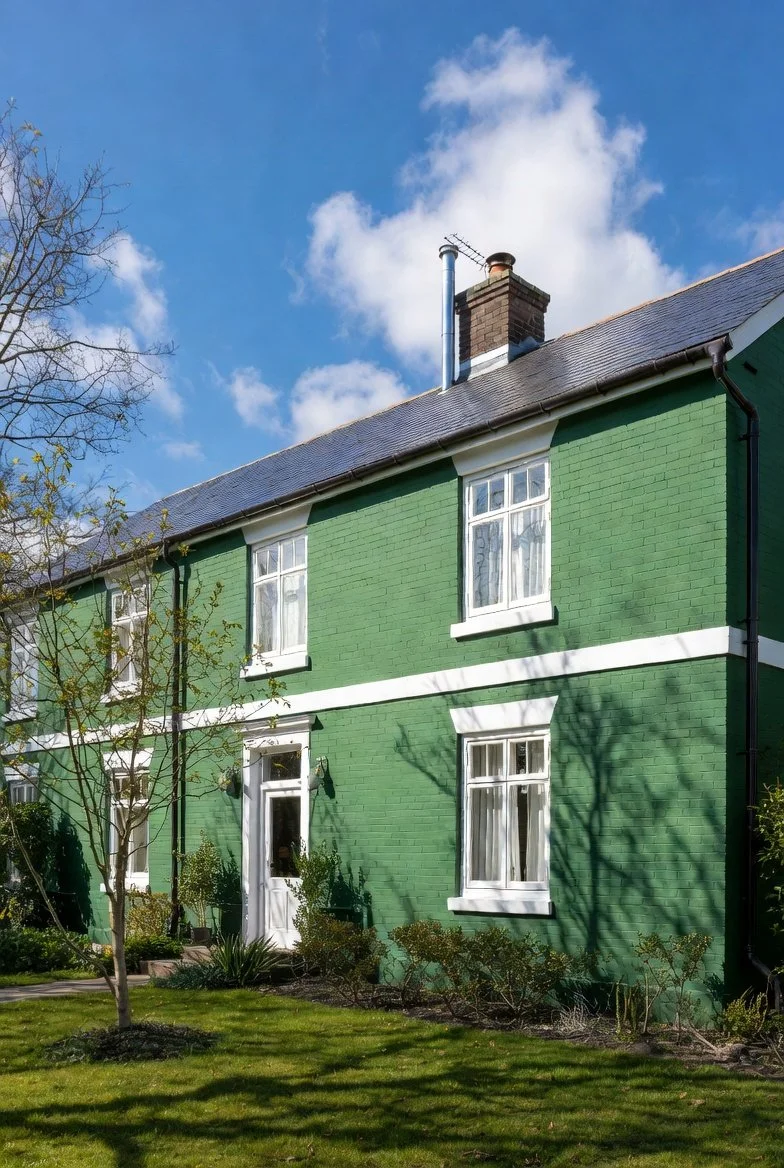
Longevity in brick treatments depends on factors like climate, application quality, and material formulation, but building science data highlights clear differences between paint and German Smear.
Masonry paint typically lasts 3-5 years before requiring repainting in exterior conditions, as exposure to UV light, rain, and temperature changes causes fading, cracking, or peeling. High-quality breathable variants may extend this to 10-15 years, with some warranties up to 20 years, but ongoing maintenance is essential to prevent moisture-related failures. In contrast, German Smear is considered a semi-permanent finish, often enduring 20-30 years or more without intervention, as its mortar bonds integrally and weathers naturally without flaking.
Comparative factors:
Durability in Harsh Weather: Paint degrades faster in wet or freezing climates due to moisture entrapment; German Smear's permeability enhances resilience.
Maintenance Requirements: Paint needs recoating every few years; German Smear may only require occasional cleaning and can be refreshed with a thin overlay if desired.
Historical Performance: Mortar-wash methods like German Smear have been documented lasting decades on European structures, outpacing modern paints in longevity.
Conclusion
Exterior masonry paint may offer initial aesthetic and protective benefits for brick homes but often compromises long-term health through reduced breathability and moisture issues, as evidenced by building science principles. German Smear, with its historical roots in mortar-wash traditions, provides a superior alternative by maintaining vapor permeability, chemical compatibility, and extended durability of 20-30 years compared to paint's 3-15 years. These insights underscore the value of selecting treatments that align with brick's natural properties for sustainable architectural conservation.
Looking to DIY?
Checkout SmearTech’s Signature White™ Mortar and German Smear Tools.