German Smear vs. Paint: Evaluating Brick Health Through Scientific Lens
Brick, a porous masonry material historically used in European and American architecture for its durability and thermal mass, requires treatments that respect its inherent breathability to maintain structural health. German Smear, a traditional mortar-wash technique, and modern painting methods both aim to enhance aesthetics but differ markedly in their effects on brick. This matters architecturally because improper treatments can lead to degradation, such as moisture-related damage, undermining the longevity of buildings documented in construction practices since the 19th century.
Defining German Smear
German Smear, also known as Schmear or mortar wash, involves applying a thin layer of mortar—typically composed of lime, cement, and sand—to brick surfaces and partially removing it while wet to create a textured, aged appearance. This method, rooted in European masonry traditions commonly used throughout the 18th and 19th centuries for both protective and decorative purposes, allows partial exposure of the underlying brick. It integrates with the brick rather than coating it, promoting a symbiotic relationship that enhances rather than hinders the material's natural behavior.
From a building-science perspective, German Smear's mineral composition ensures it remains vapor-permeable, allowing moisture to migrate through the wall assembly. This permeability is crucial for preventing issues like efflorescence, where soluble salts crystallize on the surface due to trapped water.
Defining Painting Brick
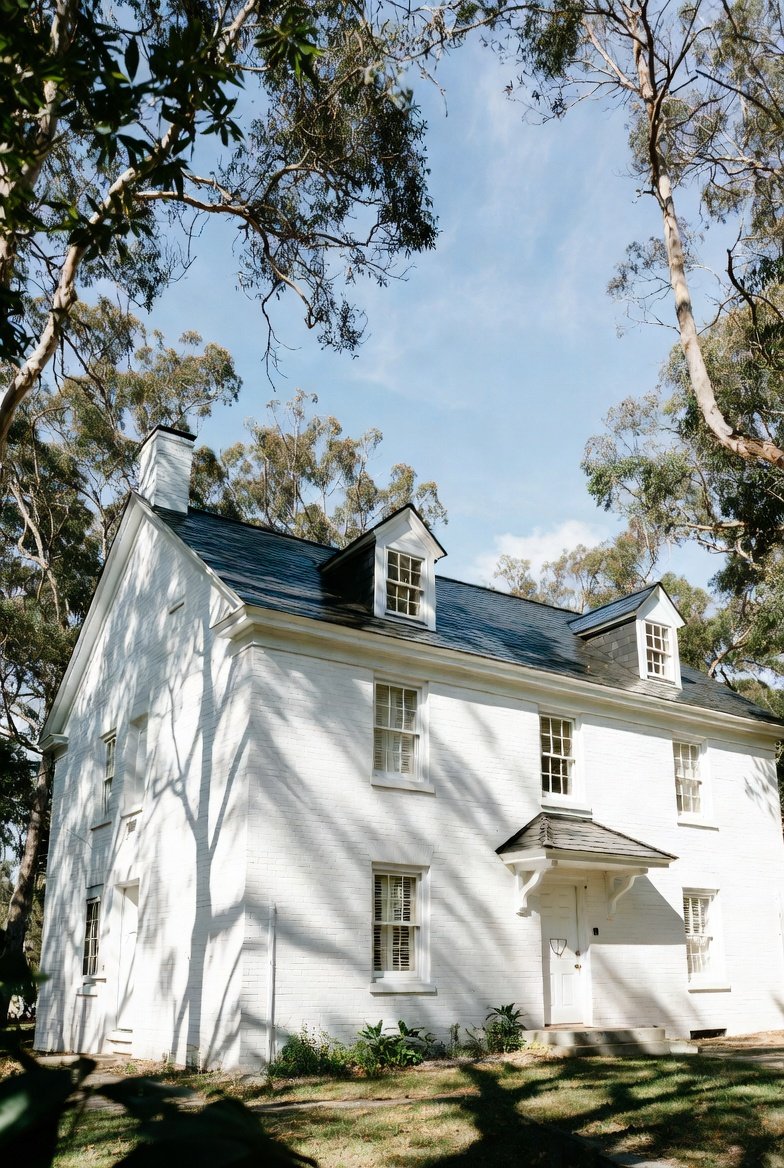
Painting brick entails applying one or more coats of paint, often acrylic or latex-based, to achieve full or opaque coverage. Historically, painting emerged as a 20th-century practice for quick aesthetic updates, but it contrasts with traditional methods by forming a film over the brick rather than bonding into its pores. Common paints reduce the brick's natural porosity, which can alter its interaction with environmental moisture.
Scientifically, many paints exhibit low vapor permeability, measured in perms (a unit indicating water vapor transmission rate), often below 1 perm for non-breathable formulations, effectively sealing the surface. This can lead to hydrostatic pressure buildup if moisture enters from behind the wall.
Key Differences in Composition and Application
The primary distinctions between German Smear and paint lie in their materials and how they interact with brick.
Composition: German Smear uses mineral-based mortar (lime-cement mixtures), which chemically bonds with brick through hydration processes, similar to how mortar sets in joints. Paint relies on polymer binders that cure to form a flexible film, lacking this chemical integration.
Application: German Smear is troweled on and smeared for partial coverage, allowing brick texture to show through. Paint is brushed or sprayed for uniform opacity, often requiring multiple layers.
Reversibility: German Smear is permanent once set, bonding durably, while paint can peel but is challenging to remove without damaging brick.
These differences influence adhesion principles: German Smear's mechanical and chemical bond enhances durability, whereas paint's surface adhesion can fail under thermal expansion.
Scientific Impacts on Vapor Permeability and Moisture Management

Vapor permeability is a key metric for brick health, as brick walls must allow water vapor diffusion to avoid condensation within the assembly. German Smear maintains high permeability, often comparable to untreated brick (around 10-20 perms for lime-based mortars), enabling moisture to evaporate outward. This breathability prevents mold growth and preserves insulation values by reducing internal humidity.
In contrast, standard paints reduce permeability to as low as 36-58% of untreated levels, trapping vapor and leading to interstitial condensation. Building science studies show this can increase relative humidity behind the coating, fostering microbial growth and salt mobilization. For instance, in humid environments, painted brick may "sweat," causing hidden water buildup.
Effects on Brick Durability and Freeze-Thaw Resistance
Freeze-thaw cycles exacerbate moisture issues, where water expands by approximately 9% upon freezing, exerting pressure that can cause spalling—surface flaking or cracking. German Smear enhances resistance by allowing moisture escape, reducing saturation levels and mitigating expansion forces. Its sacrificial nature absorbs weathering, protecting the brick core as documented in masonry conservation practices.
Painting, however, traps moisture, amplifying freeze-thaw damage in cold climates; trapped water freezes internally, leading to microcracks and eventual structural failure. Research indicates painted brick deteriorates faster, with spalling observed in as few as 5-10 cycles under lab conditions. Over time, this can compromise mortar joints and wall stability.
Climate Considerations
Environmental factors influence treatment suitability.
Humid Climates: German Smear's breathability manages high vapor drive, preventing efflorescence common in coastal areas. Paint may accelerate mold in such conditions due to trapped humidity.
Cold Climates: Freeze-thaw vulnerability makes breathable options like German Smear preferable to avoid internal ice formation.
Dry Climates: Both can perform, but German Smear's durability offers better UV resistance without peeling.
Conclusion
German Smear generally promotes healthier brick conditions compared to paint by preserving vapor permeability and enhancing moisture management, reducing risks like freeze-thaw damage and efflorescence. Key differences in their mineral versus polymer compositions lead to divergent impacts, with German Smear integrating protectively while paint often impedes natural processes. These insights, grounded in building science, underscore the importance of selecting treatments aligned with brick's porous nature for sustained architectural integrity.
Looking to DIY?
Checkout SmearTech’s Signature White™ Mortar and German Smear Tools.