

The Role of German Smear in Addressing Mortar Joint Erosion in Brick Houses
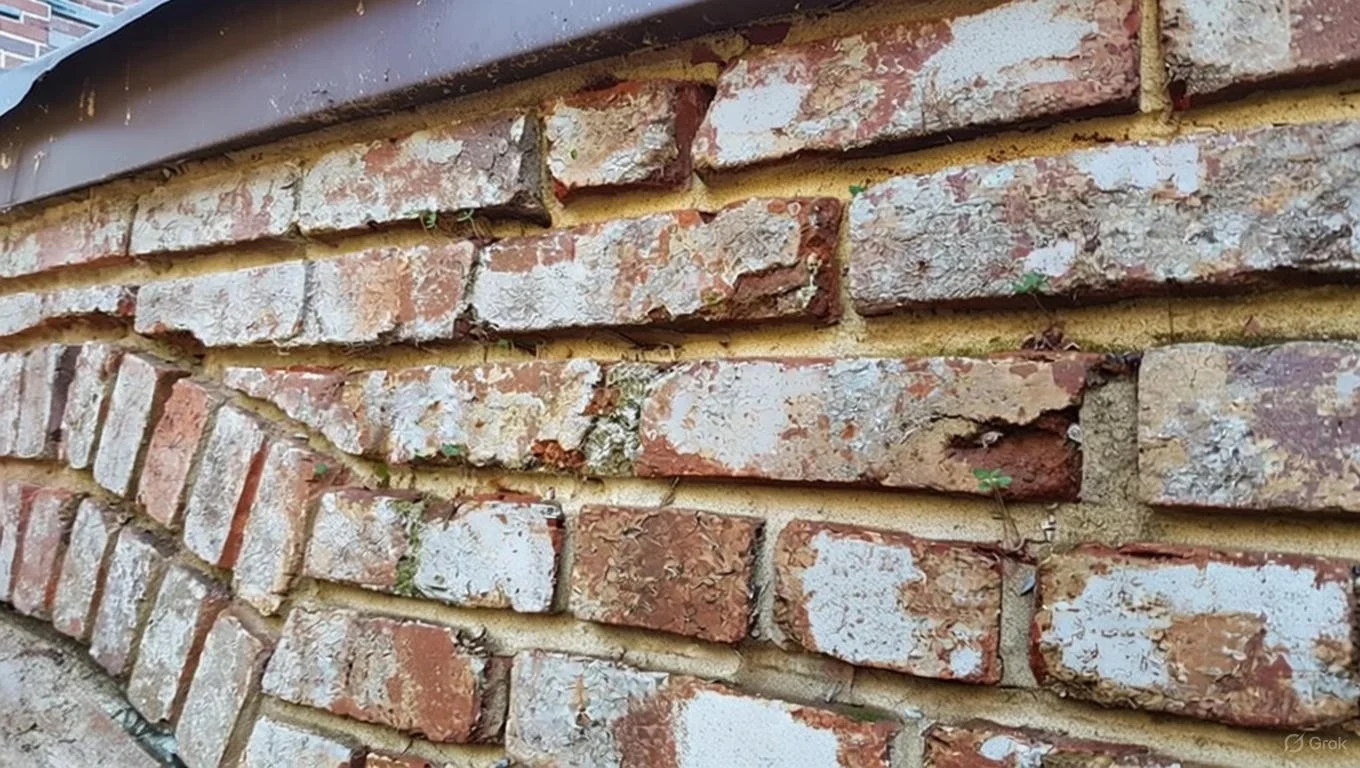
Mortar joint erosion in brick houses often results from prolonged exposure to environmental factors, leading to structural vulnerabilities over time. German Smear, a traditional mortar-wash technique, can help mitigate minor erosion by filling gaps and enhancing surface protection. This approach draws from historical European building methods, offering both aesthetic and functional benefits when applied correctly.

Ancient Paint Techniques and Their Application to Brick and Stone Structures
Ancient civilizations developed paint using natural materials like lime, clay, and earth pigments, applying these mixtures to enhance and protect brick and stone surfaces. These techniques differed significantly from modern synthetic paints in composition and performance, often prioritizing breathability over long-term durability. Understanding these historical methods provides insight into sustainable architectural practices that minimized structural damage from moisture entrapment.
Exploring the Different Styles of German Smear Techniques
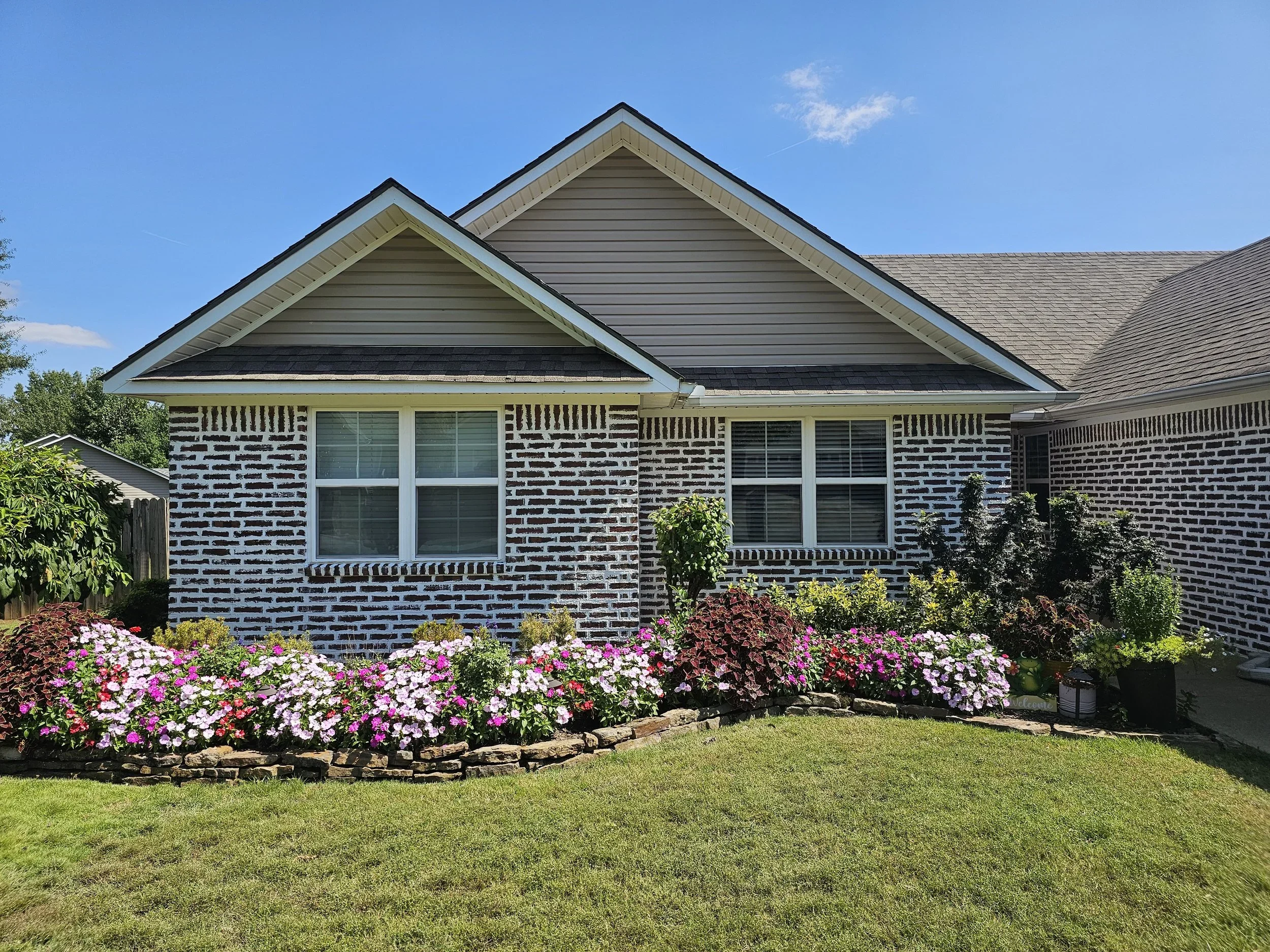
German Smear, also known as mortar wash or Schmear, is a historical brick finishing method that originated in Central European masonry practices during the medieval era. This technique involves applying a mortar mixture to brick surfaces to create an aged, textured appearance while enhancing structural integrity. Different styles vary primarily in the degree of mortar coverage and application method, offering options from subtle toning to more monolithic finishes.
Latex vs. Acrylic Paint on Brick Houses: The Real Story (and Why You Might Want to Skip Painting Altogether)
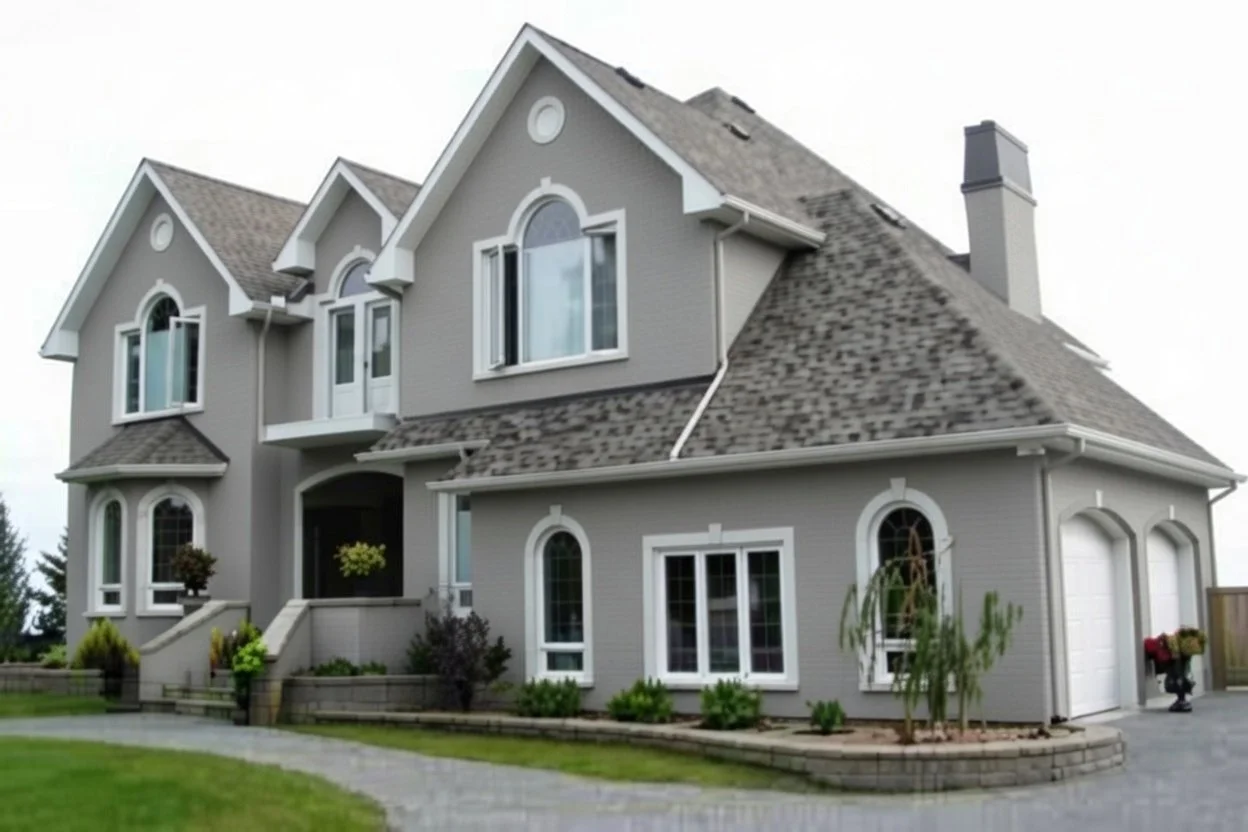
Conventional latex and acrylic paints, commonly applied to brick exteriors, differ significantly in composition, longevity, and interaction with porous masonry. Latex paints, often vinyl-acrylic blends, tend to offer lower durability outdoors compared to 100% acrylic formulations, which provide greater flexibility and resistance to weathering. However, both create film-forming barriers that can restrict the natural vapor permeability of brick, trapping moisture and increasing the risk of freeze-thaw damage leading to spalling. Breathable historical alternatives, such as limewash, mineral silicate paints, and mortar-wash techniques like German Smear, allow moisture to escape while altering appearance without compromising structural integrity.
The Effects of Painting Brick: Dirt Adhesion and Long-Term Structural Impacts
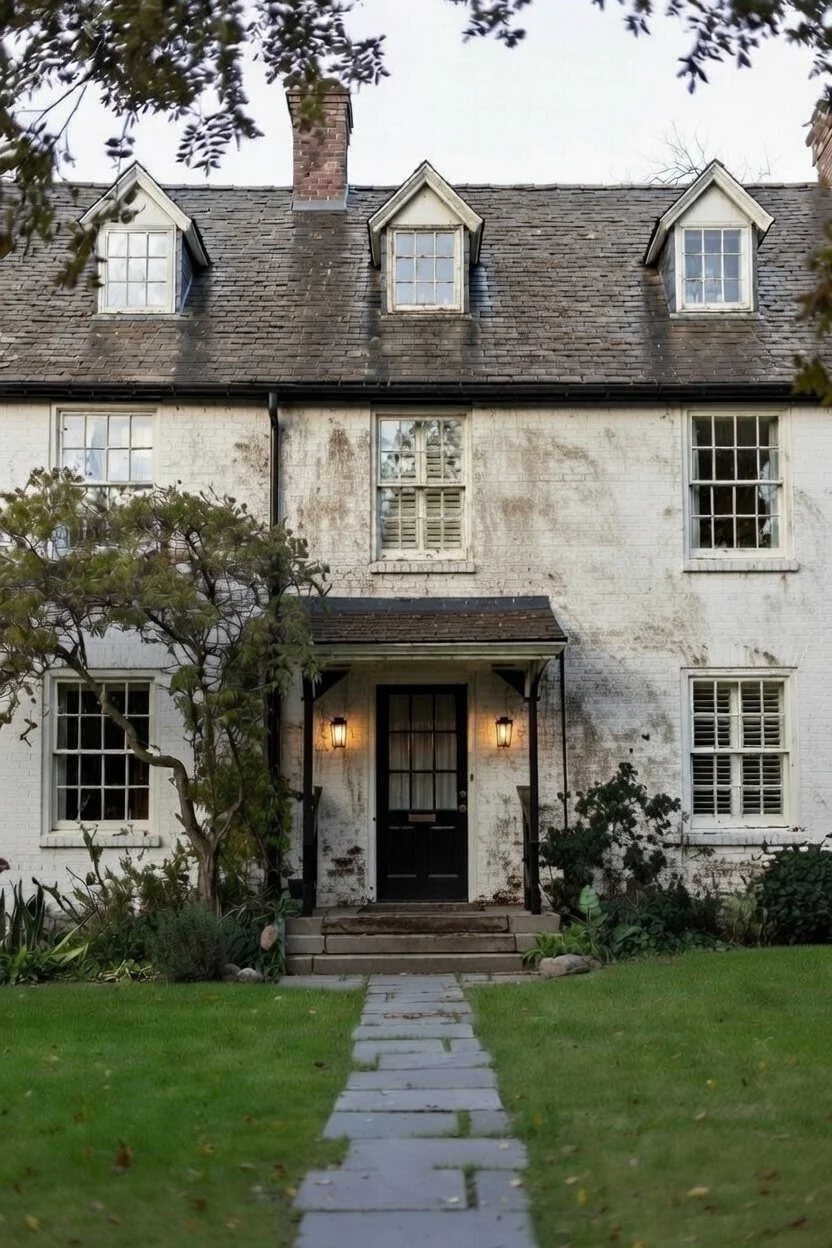
Painting brick exteriors alters the surface chemistry, making it less prone to stubborn dirt buildup by creating a smoother, less absorbent layer. While this can simplify cleaning routines, it often comes at the cost of the brick's natural breathability, leading to potential moisture-related deterioration over time. Understanding these mechanisms is essential for appreciating traditional brick maintenance practices rooted in architectural history.
Upkeep Costs in Brick Masonry Homes: Historical Mortar Traditions and Material Comparisons
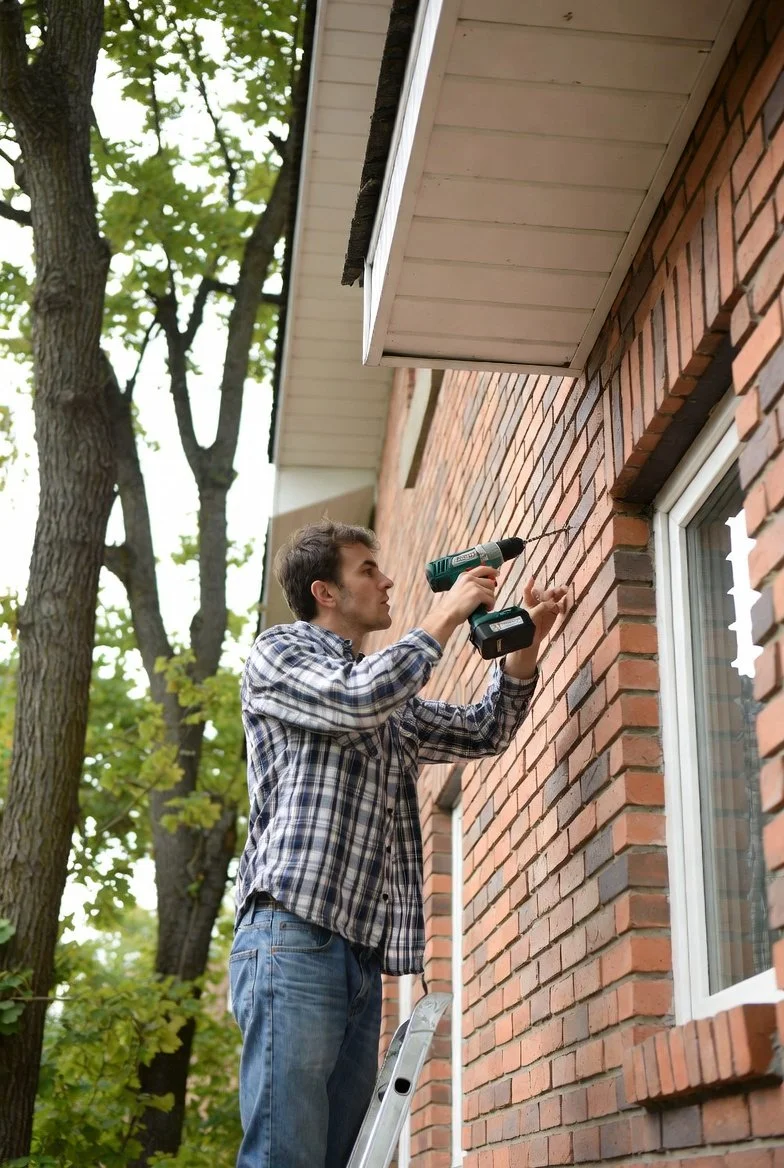
Brick masonry homes, enhanced by historical mortar-wash methods like German Smear for improved vapor permeability, typically incur lower annual upkeep costs due to their durability against environmental factors compared to more maintenance-intensive alternatives like wood-frame structures. These traditions, rooted in European architectural practices, emphasize breathable finishes that reduce long-term repair needs while preserving aesthetic integrity. Understanding comparative upkeep across home types, alongside protective measures that maintain visual appeal, highlights the architectural value of informed material choices in building conservation.

Lifetime Paint Warranties on Brick Versus the Durability of German Smear
Lifetime warranties on paint for brick surfaces promise coverage against specific defects but often require repeated applications due to environmental wear, contrasting with the integrated permanence of German Smear. Painting brick creates a film that limits future options, committing to ongoing repaints rather than allowing transitions to breathable finishes like limewash or German Smear. This distinction underscores key differences in material compatibility and long-term masonry behavior.
Glazed Bricks and German Smear
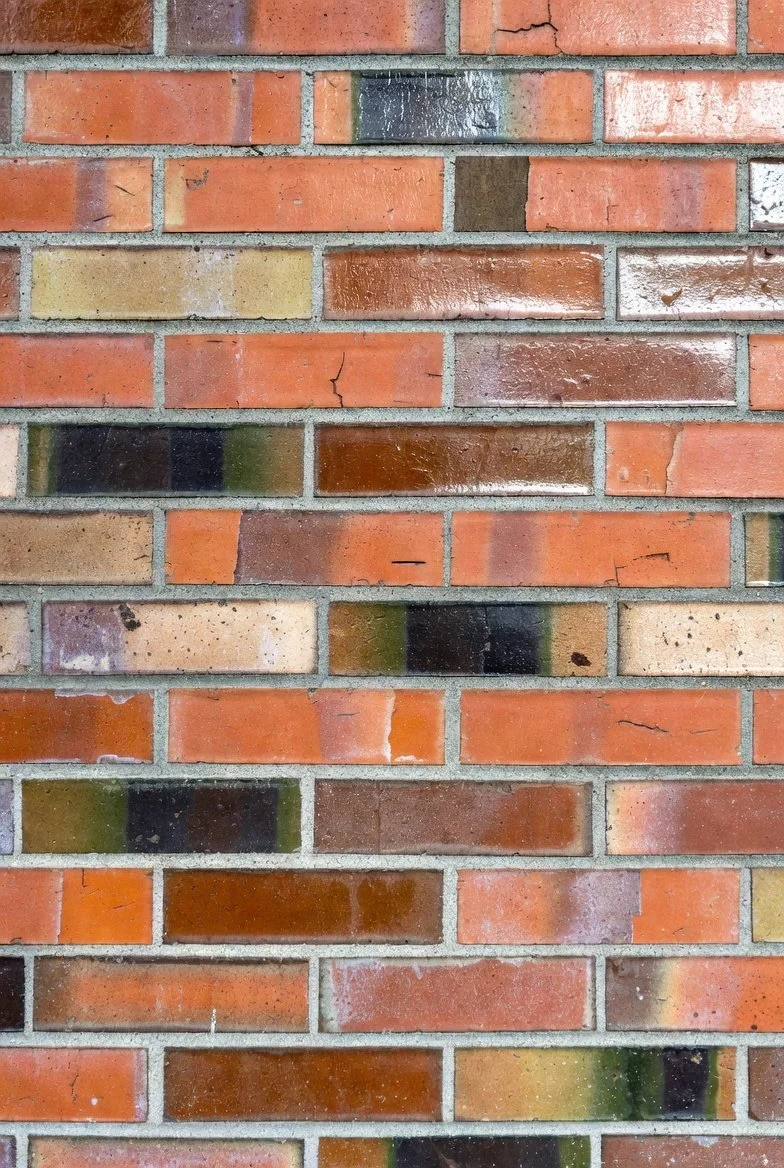
Glazed bricks feature a vitrified ceramic coating that enhances their durability and aesthetic appeal in architectural applications. This glassy surface provides significant benefits in terms of weather resistance and low maintenance, making them suitable for various building environments. However, their impermeable nature prevents effective application of traditional mortar-wash techniques like German Smear, which rely on porous substrates for adhesion.
The Transition from Mineral-Based to Latex-Based Paints in Brick Treatments
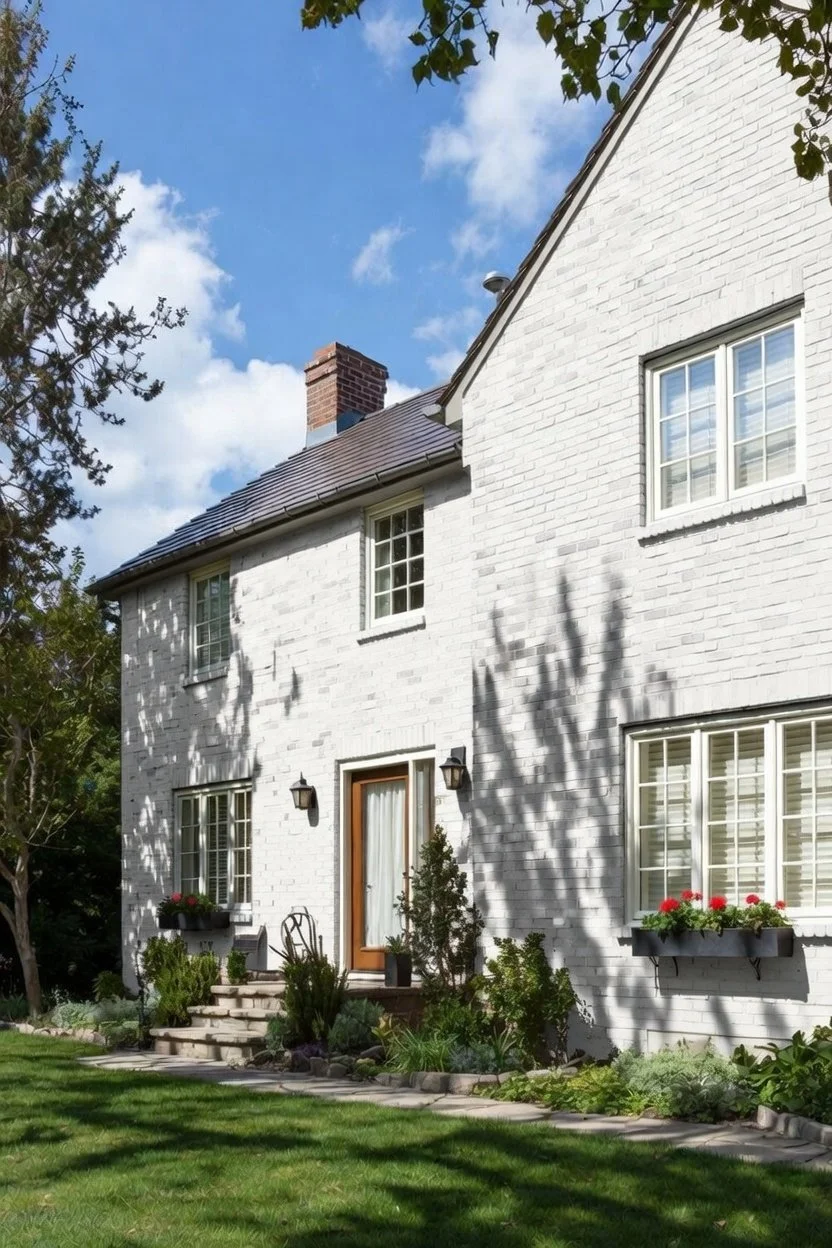
The shift from mineral-based paints to latex-based formulations marked a significant change in architectural finishing practices during the mid-20th century. This transition was driven by advancements in synthetic materials, offering easier application but introducing challenges for porous substrates like brick. Understanding this evolution highlights the importance of material compatibility in preserving masonry structures.
The History and Evolution of Painted Brick Compared to German Smear
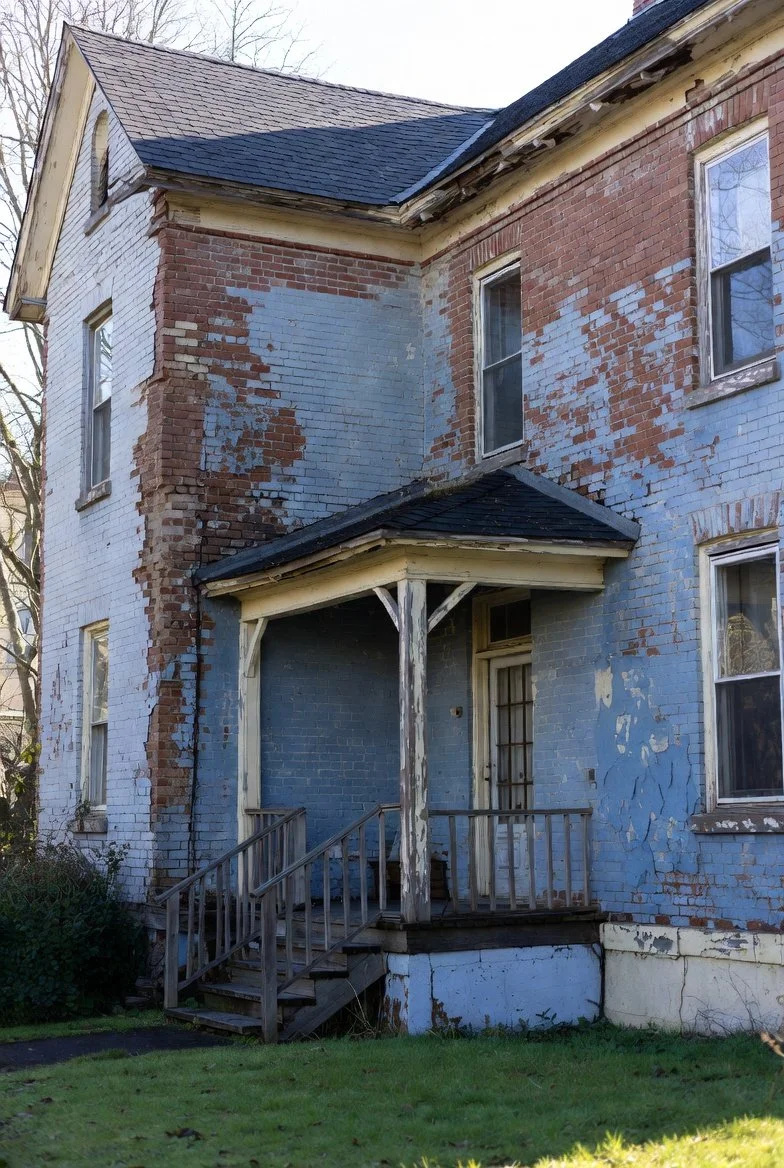
Painted brick and German Smear represent two fundamentally different traditions in brick surface treatment, with painted brick documented in scattered historical contexts but becoming significantly more widespread from the 19th century onward, while German Smear descends directly from medieval and early modern European mortar-slurry practices documented as early as the medieval period. These methods differ profoundly in their length of documented use, technical development, and physical impact on brick masonry. The comparison is essential for understanding how surface treatments affect moisture management, durability, and architectural authenticity over time.
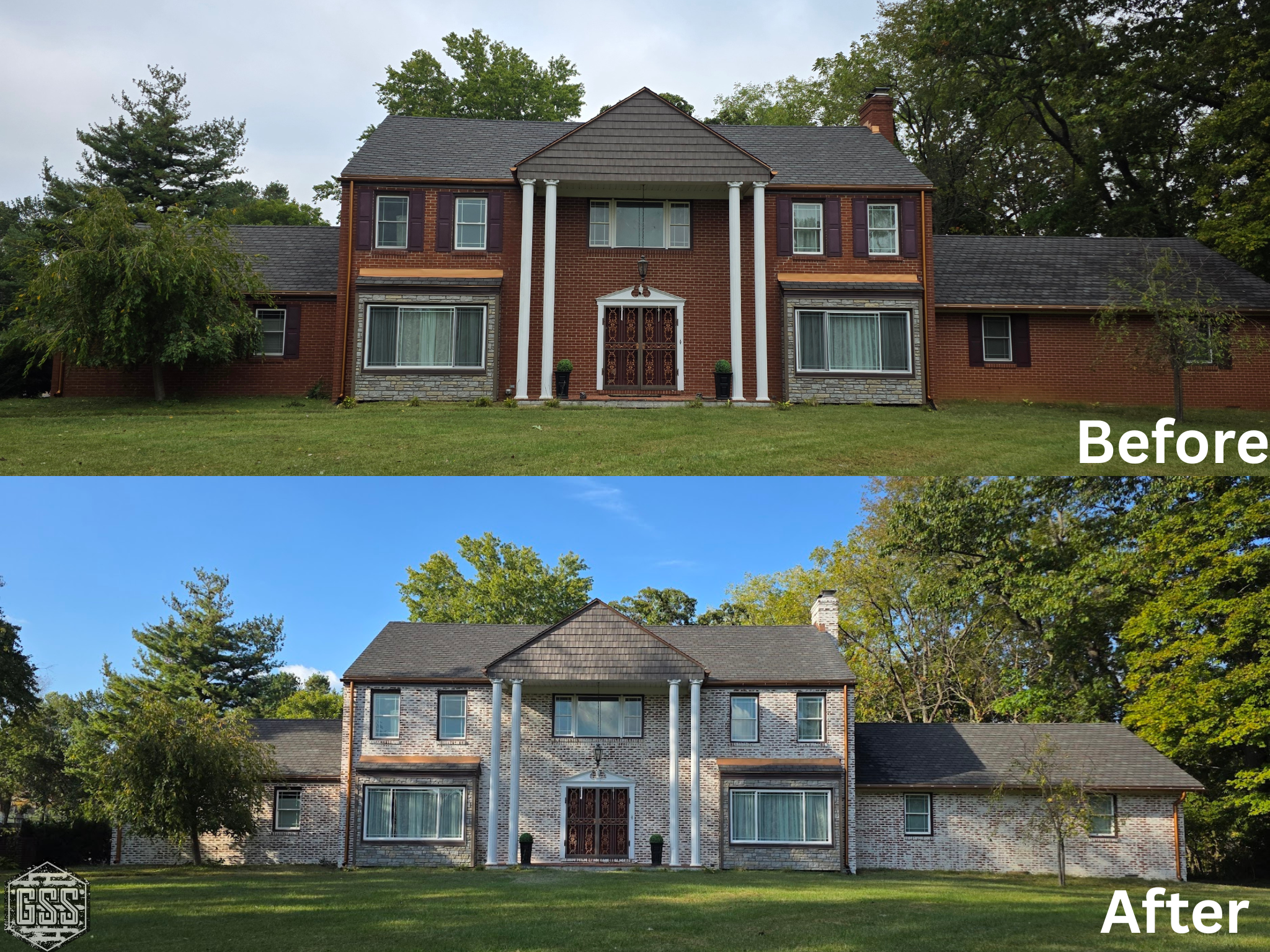
Blending Repaired Brick Sections with German Smear
German smear is a mortar-based finishing technique that can seamlessly integrate repaired or added brick sections into an existing home's facade by creating a uniform, distressed appearance. This method addresses visual discrepancies in color, texture, and age between original and replacement bricks, drawing from long-established European masonry practices. It offers an educational lens into how traditional building methods can resolve modern repair challenges while maintaining architectural cohesion.

DIY German Smear: Essential Nuances and Challenges
German Smear, a traditional mortar-based finishing technique, offers an accessible way for homeowners to transform brick surfaces into a rustic, aged appearance reminiscent of European architecture. While anyone can undertake this project with basic tools and materials, it demands careful attention to detail, physical effort, and safety precautions to achieve desirable results. Understanding the nuances ensures the final outcome enhances the home's aesthetic without compromising structural integrity.
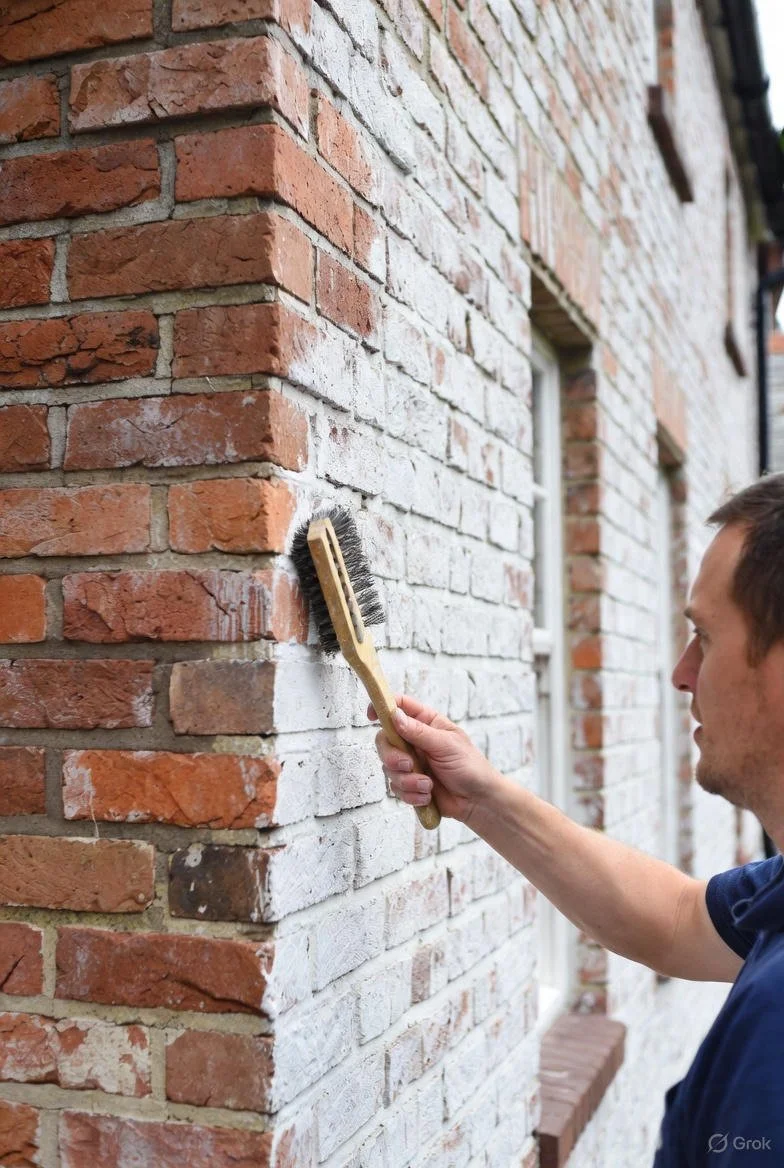
Removing Coatings from Brick Masonry: Paint, German Smear, and Limewash
Removing paint, German Smear (mortar wash), and limewash from brick requires careful methods to preserve the underlying masonry. These coatings differ in composition and adhesion, influencing removal difficulty and risks. Gentle approaches prioritize vapor permeability and avoid damage to porous brick, which can lead to moisture entrapment or surface erosion.
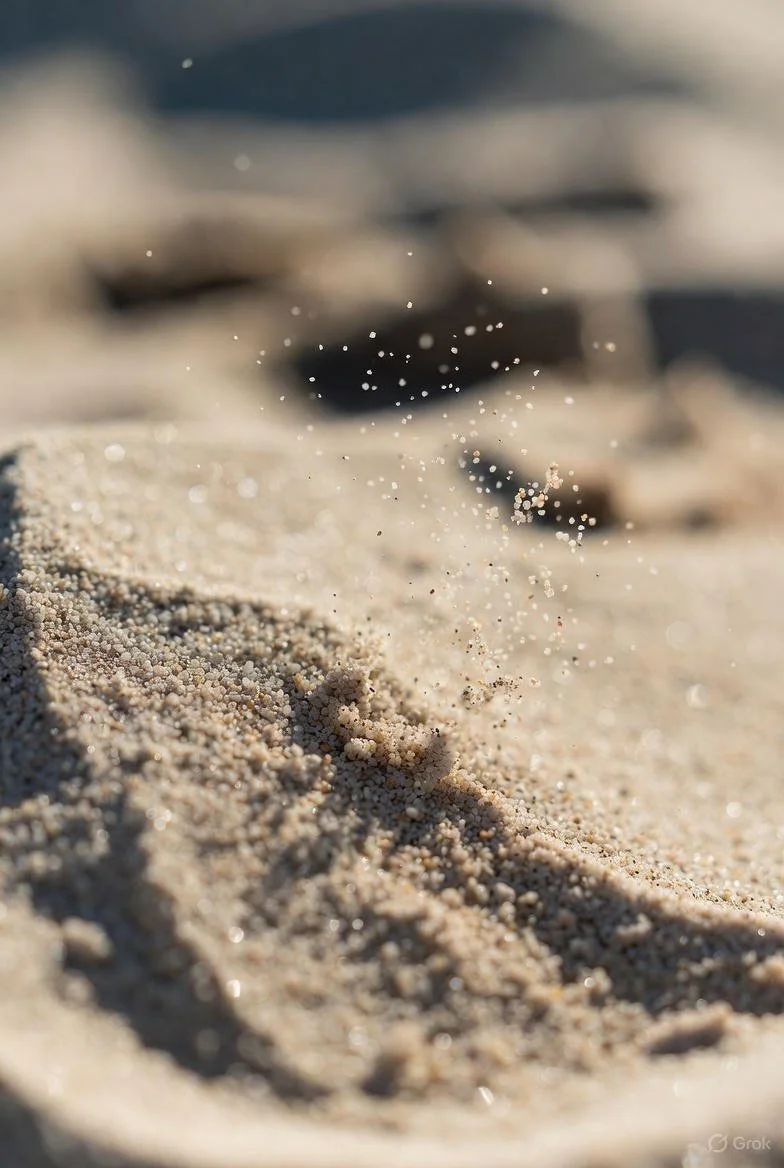
The Role of Particle Size in German Smear Mortar: Why Extremes Are Not Ideal
Particle size in the sand used for German Smear mortar significantly influences the application's workability, durability, and aesthetic outcome. Super fine particles can lead to excessive shrinkage and reduced breathability, while large grains may cause uneven adhesion and a gritty texture. Understanding these factors helps in appreciating the balance required for this traditional brick treatment method.
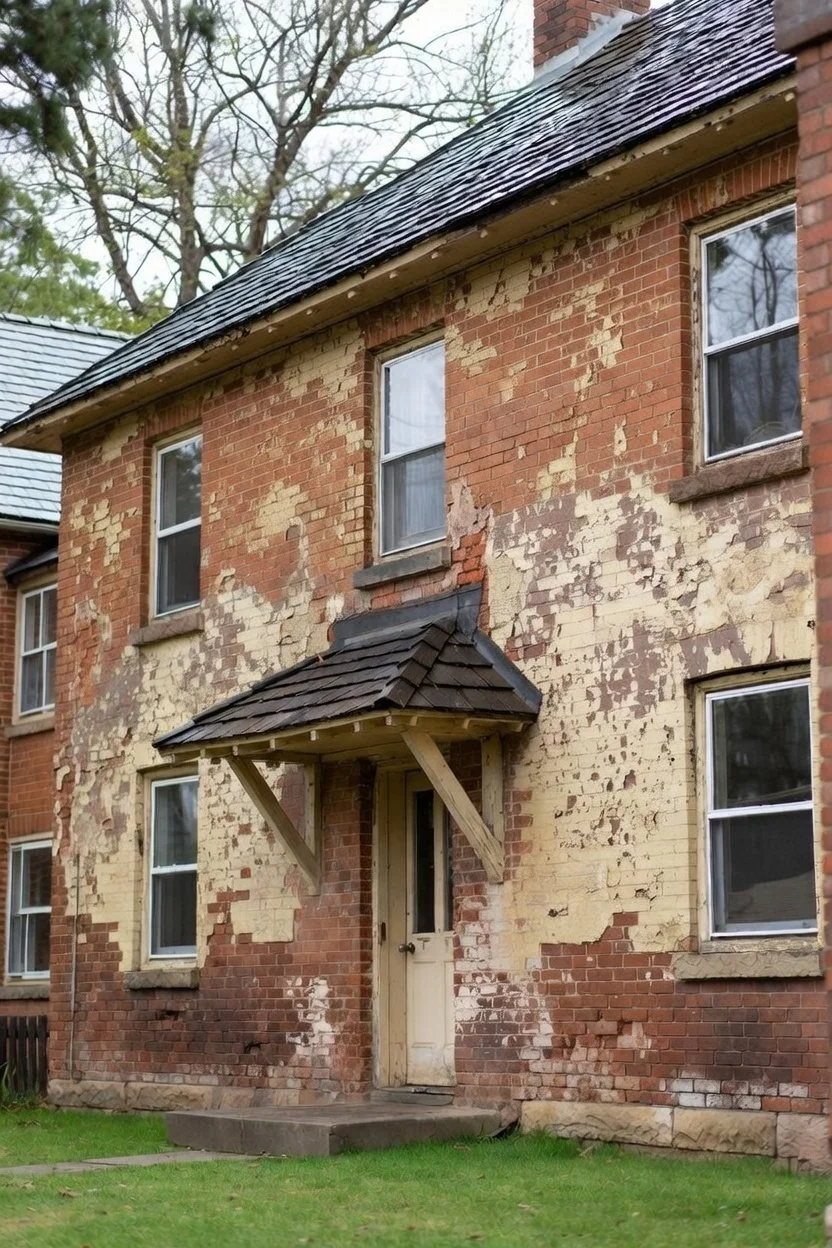
The Destructive Impact of Paint on Brick Masonry
Paint applied to brick creates a non-breathable barrier that traps moisture within the porous material, leading to accelerated deterioration through freeze-thaw cycles and other moisture-related issues. This practice, common in mid-20th-century renovations, often results in spalling, efflorescence, and long-term structural damage, particularly in older or historic brick buildings. Understanding these mechanisms highlights why traditional breathable treatments have endured in European architectural traditions.
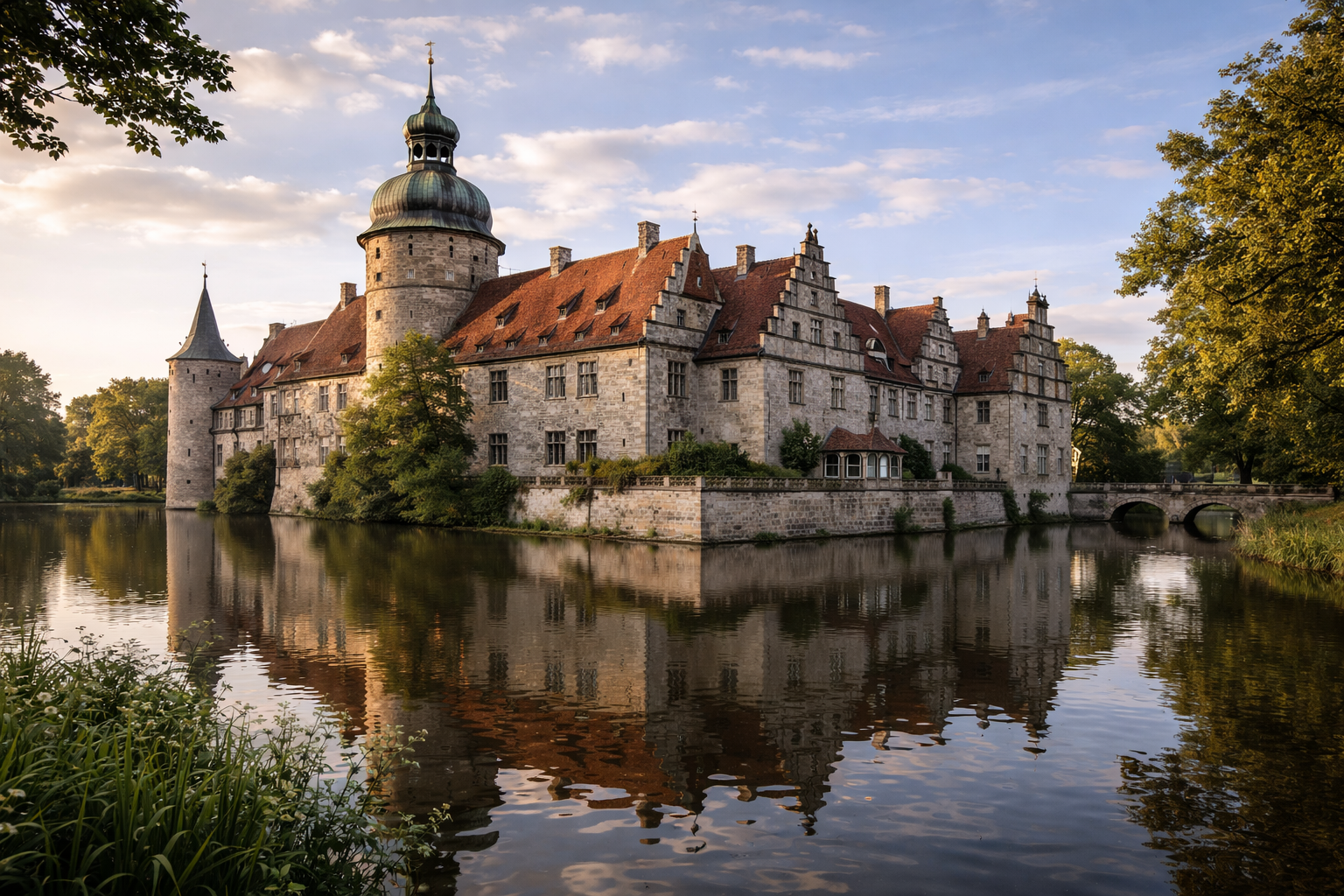
Schloss Burgsteinfurt and Kalkschlämme (German Smear) Traditional Masonry Protection
Schloss Burgsteinfurt (Burgsteinfurt Castle), the oldest moated castle in Westphalia first documented in 1129, represents enduring masonry architecture in northern Germany's temperate climate. Kalkschlämme (lime slurry), a traditional lime-based coating, aligns with regional conservation practices for protecting exposed facades. During renovations completed around 2013, a gray natural Kalkschlämme was applied to the facade after removing incompatible cement plaster, enhancing breathability and weather resistance.
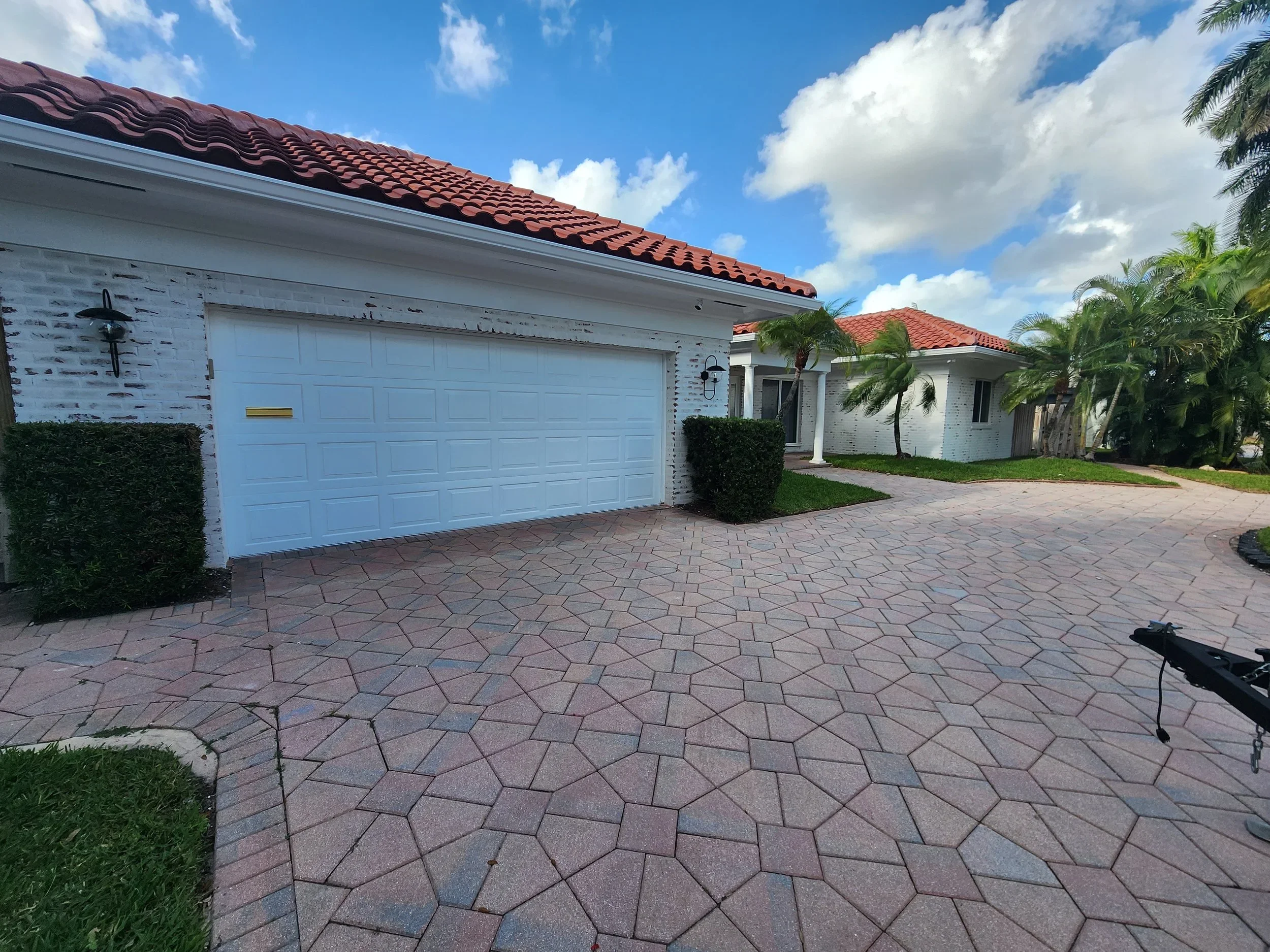
Aesthetic and Architectural Impacts of German Smear on Brick Exteriors
German smear, a historical mortar wash technique rooted in European building traditions, transforms brick surfaces by adding texture and a weathered appearance. This method enhances visual appeal by softening uniform brick lines and creating depth, potentially influencing buyer perceptions of curb appeal. Proper application is essential to achieve an intentional, artisanal look that holds up under close inspection.

Exploring German Smear Techniques: Mortars, Textures, Tools, and Artistic Applications
German Smear, a traditional brick finishing method originating from European building practices, involves applying a mortar wash to create an aged, irregular appearance on masonry surfaces. This technique emphasizes material composition and application methods to achieve varied textures and visual effects. Understanding its components and challenges provides insight into its role in architectural conservation and aesthetic enhancement.
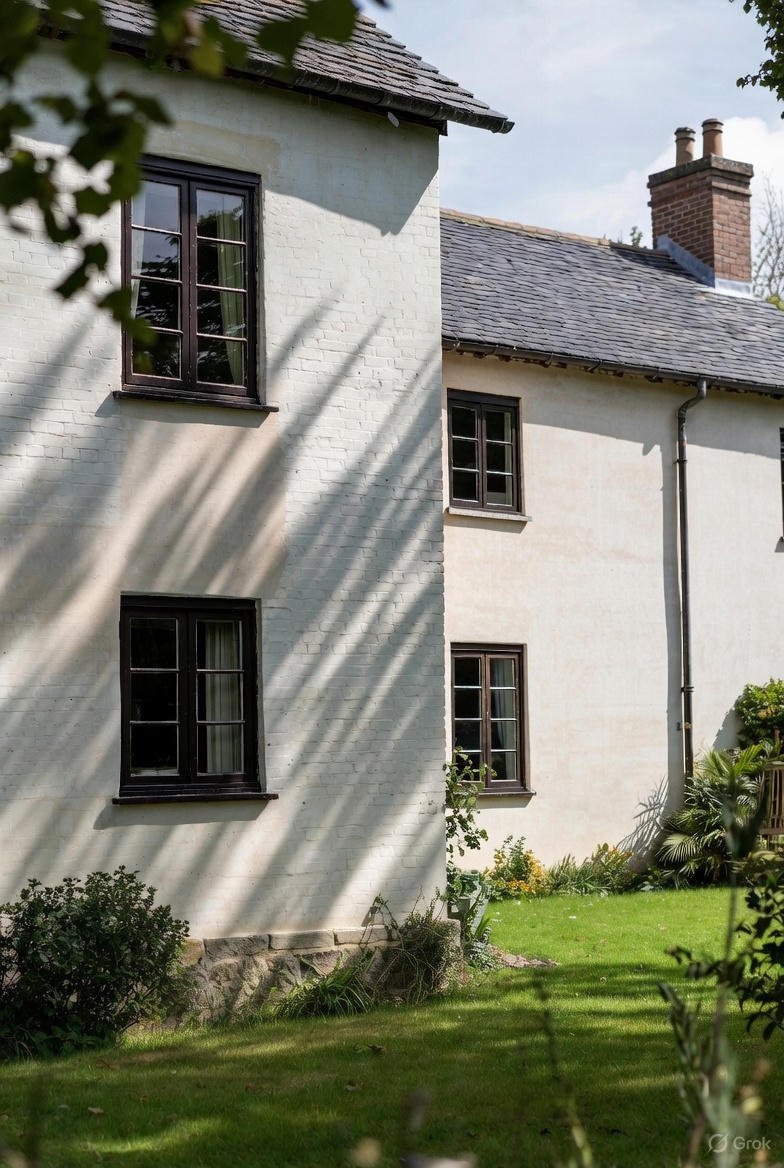
Why Is My Brick House So Hot?
Many homeowners with brick houses notice excessive indoor heat during warmer months, often due to the material's inherent properties. Brick's color and thermal mass play significant roles in absorbing and retaining solar energy, leading to higher temperatures inside. Understanding these factors, along with potential solutions like insulation and exterior coatings, can provide insights into managing heat in traditional brick structures.
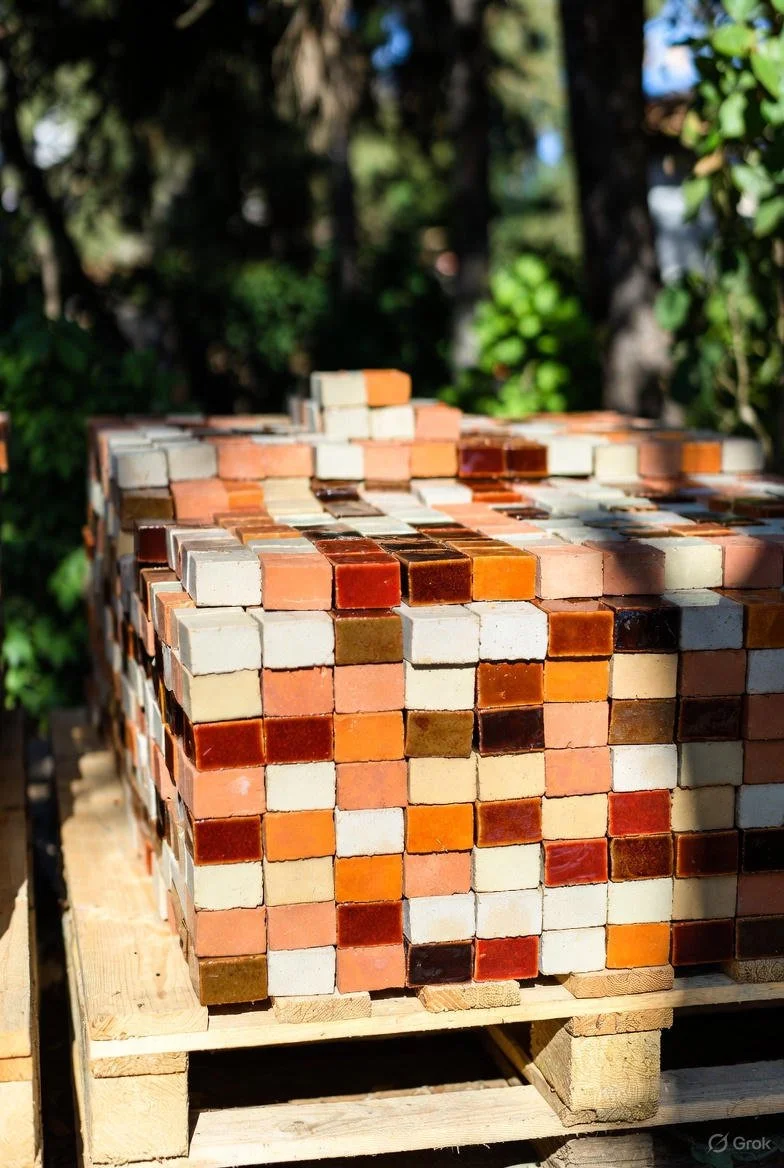
Glazed Bricks: Origins of the Glossy Appearance in Brick Construction
Certain bricks exhibit a glossy or shiny surface due to the application of a ceramic glaze or through vitrification during high-temperature firing. This glossy finish, most commonly seen in glazed bricks, serves primarily to create an impervious barrier against moisture, staining, and environmental damage. While offering enhanced durability and ease of maintenance, glazed bricks present challenges such as reduced vapor permeability and incompatibility with traditional surface treatments like German Smear or mortar wash.