

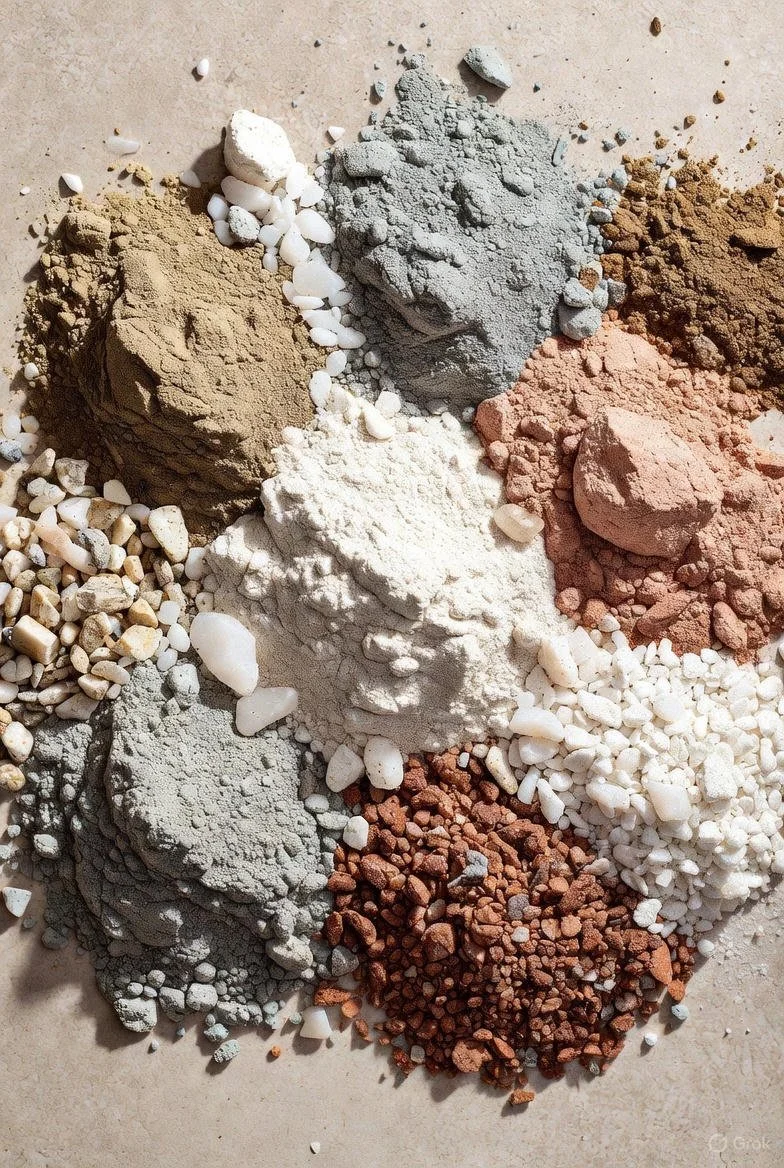
Factors Influencing Mortar Bond Strength in Brick Finishing Techniques
Mortar bond strength in brick applications, including techniques like German Smear and mortar wash, depends on controlled moisture levels, appropriate temperatures during application and curing, and suitable mineral compositions. Optimal conditions promote mechanical adhesion and chemical hydration or carbonation, ensuring durable bonds. Improper management of these factors can lead to weak adhesion, cracking, or premature failure, significantly reducing the longevity of the finish compared to properly executed applications.
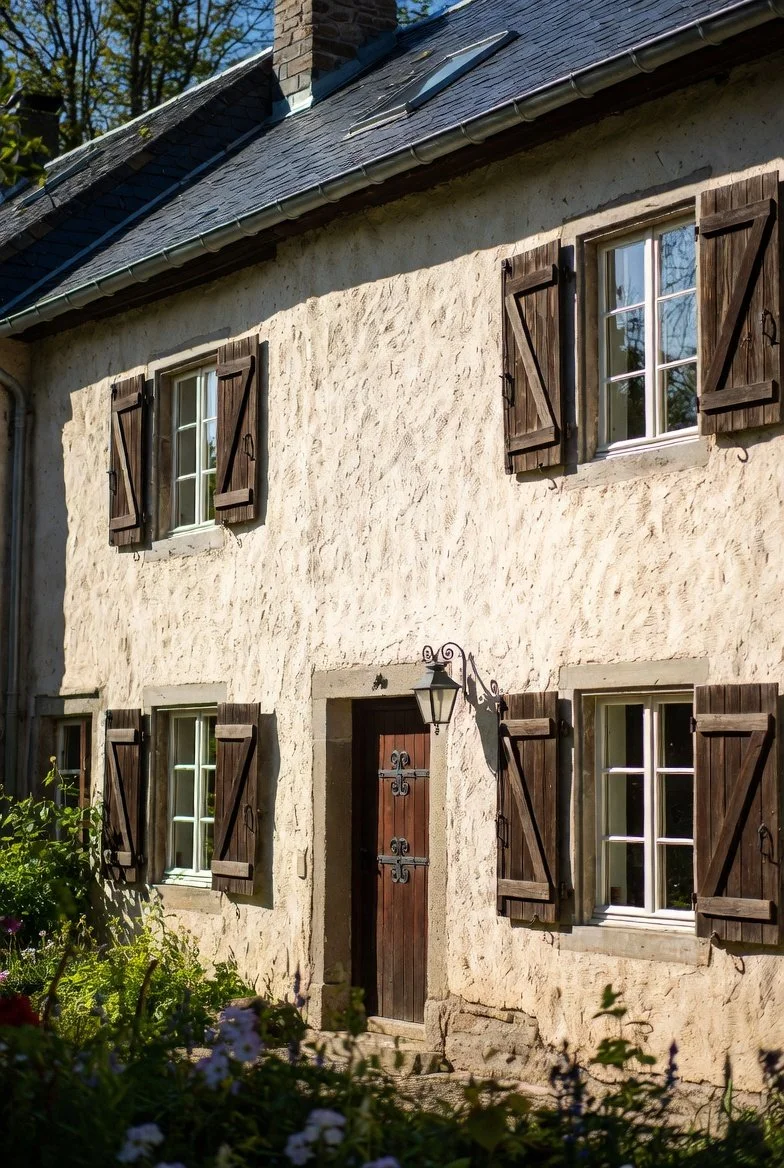
German Smear: A Centuries-Old Technique Rediscovered in Contemporary Building Practices
German Smear, a mortar-based finishing method, traces its origins to European masonry traditions dating back centuries, where it served both aesthetic and functional roles in protecting brick and stone structures. Today, this technique is being rediscovered for its ability to infuse modern homes with an authentic old-world European aesthetic while maintaining the breathability essential to masonry durability. By applying a thin layer of mortar and partially removing it, German Smear creates irregular textures that blend seamlessly with historical architectural elements.

The Production and Properties of White Mortar
White mortar, prized for its light color in decorative architectural applications, is produced using specialized materials and processes to minimize impurities that cause discoloration. This mortar plays a key role in techniques like German Smear, where its composition influences both aesthetics and material performance. Understanding its makeup and effects on properties such as permeability helps in appreciating its historical and practical uses in brick treatments.

German Smear and Protection Against Freeze-Thaw Cycles
German smear, a traditional mortar wash technique, utilizes lime-based materials that enhance the durability of brick structures in regions prone to temperature fluctuations. This method protects against freeze-thaw damage by promoting moisture evaporation through high vapor permeability, preventing water accumulation within the masonry. On a molecular level, the structure of slaked lime in the mortar forms a porous network that allows water vapor to diffuse outward even as the material solidifies.

The Craftsmen Behind German Smear: Origins and Material Practices
German Smear, a traditional masonry technique involving the application of mortar to brick or stone surfaces, emerged from centuries-old European building practices, particularly in Germany. Craftsmen discovered the benefits of lime in enhancing breathability and providing protection against environmental damage through practical application in construction. This method, rooted in medieval traditions, involved sourcing and processing local materials like lime and sand to create durable, textured finishes.
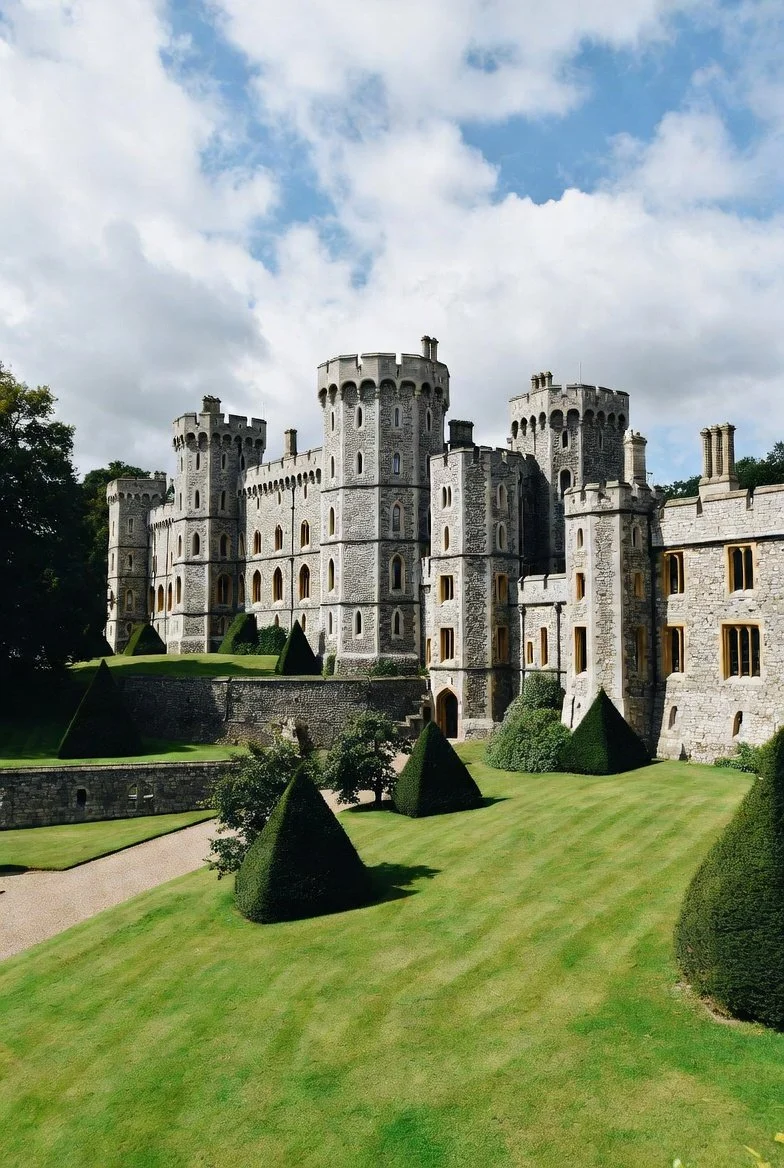
Medieval Castle Expansions: Blending Additions Through Mortar Wash Techniques
Medieval kings frequently expanded their castles to accommodate growing needs for defense, residence, and prestige, often integrating new sections with existing structures. Techniques like mortar washes, akin to what is now called German Smear, were employed in some European regions to unify the appearance of brick or stone facades. This method helped maintain architectural coherence while addressing practical concerns such as weather resistance.
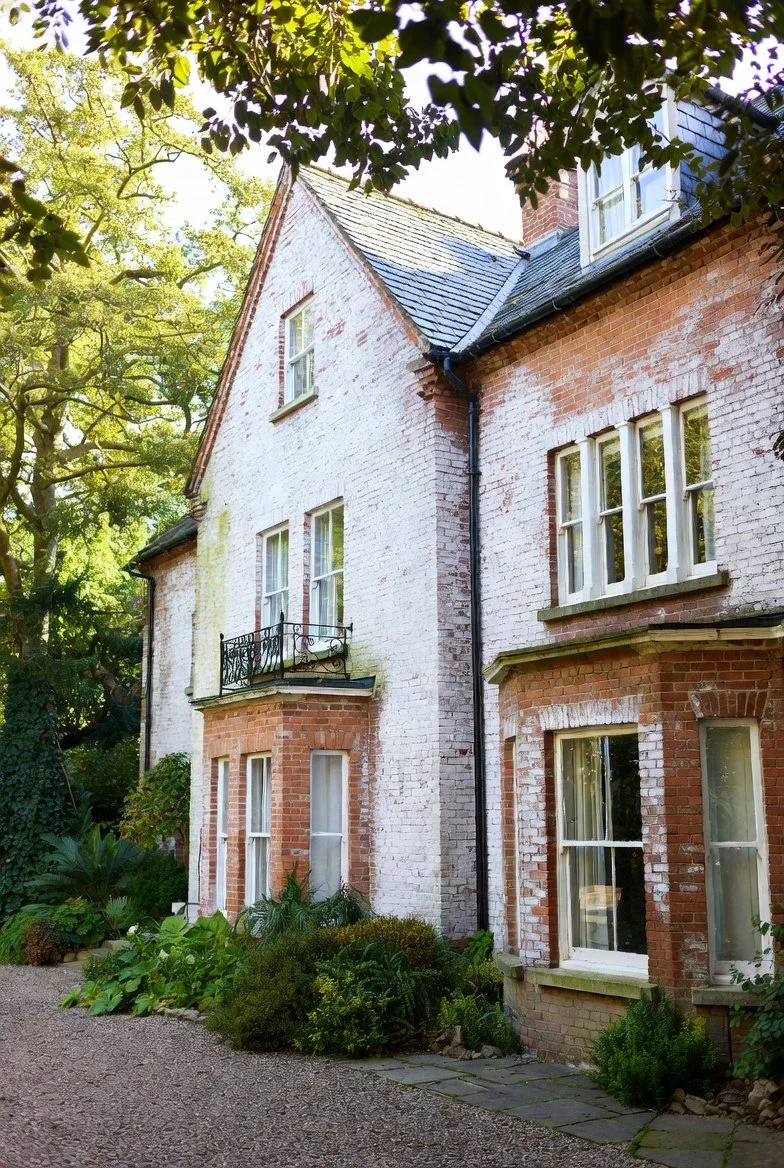
Comparing German Smear Brick Finishes to Untreated Brick: Aesthetic and Building Science Perspectives
German smear, a traditional mortar-wash technique applied to brick surfaces, creates a distinct aged appearance compared to the uniform look of untreated brick. This method, rooted in European building practices, alters both the visual character and material properties of masonry. By examining aesthetic differences, potential impacts on property visibility, and building science aspects, readers can gain insight into how such treatments influence architectural outcomes.
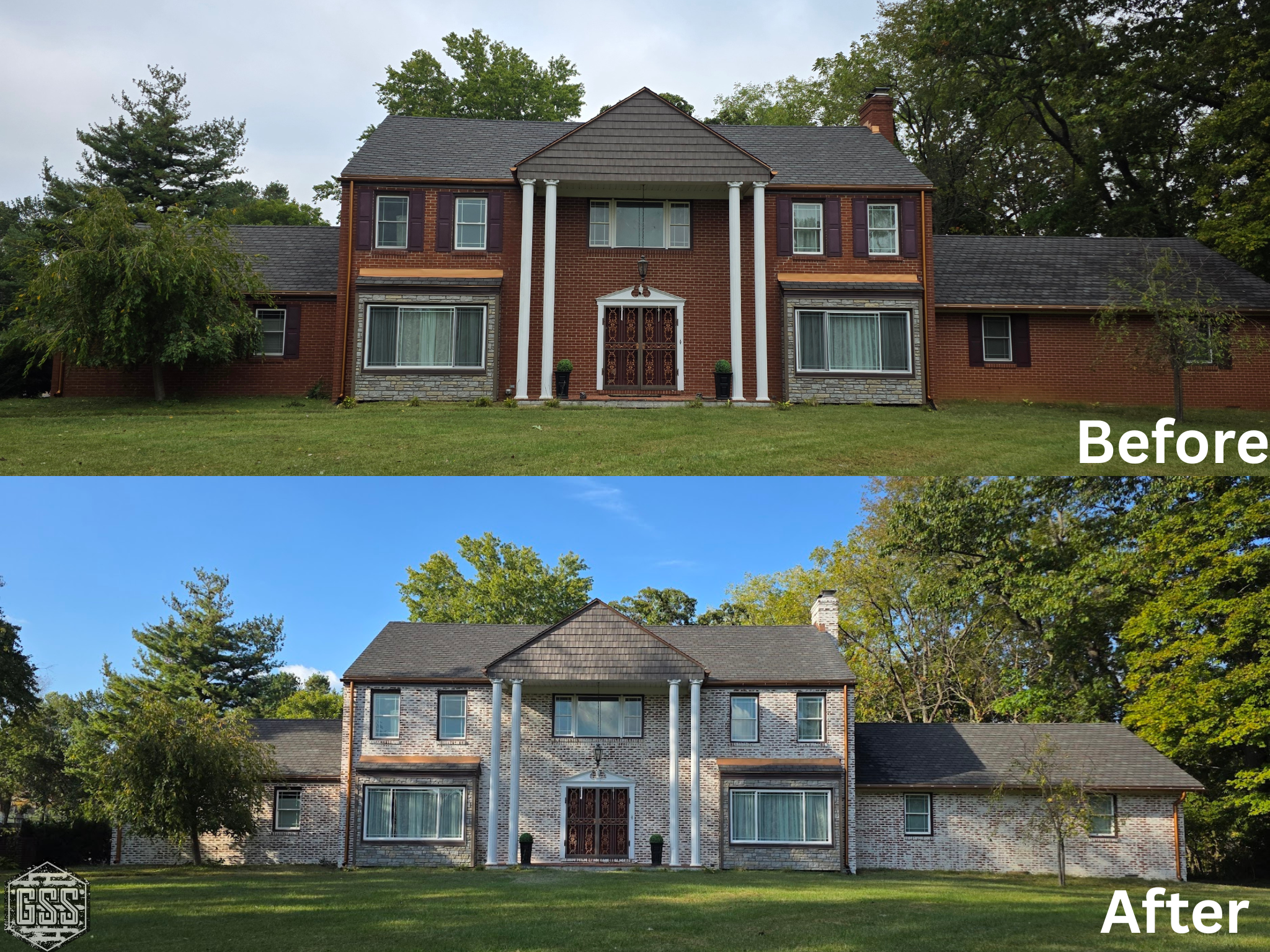
Blending Repaired Brick Sections with German Smear
German smear is a mortar-based finishing technique that can seamlessly integrate repaired or added brick sections into an existing home's facade by creating a uniform, distressed appearance. This method addresses visual discrepancies in color, texture, and age between original and replacement bricks, drawing from long-established European masonry practices. It offers an educational lens into how traditional building methods can resolve modern repair challenges while maintaining architectural cohesion.
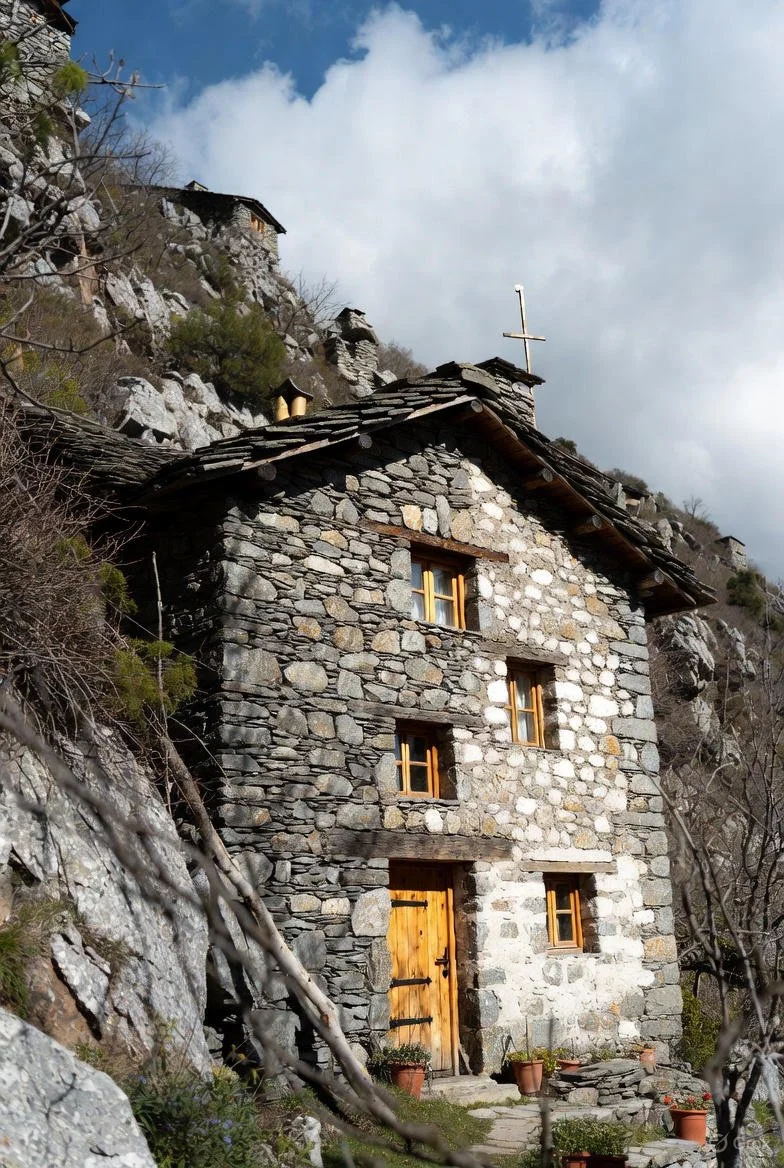
The Impact of Altitude on Mortar Adhesion in German Smear Applications
Altitude plays a significant role in the curing and adhesion of mortar used in traditional techniques like German Smear, affecting factors such as evaporation rates and material expansion. This influence is particularly relevant for porous substrates like brick and stone, where environmental conditions at higher elevations can alter long-term durability. Understanding these effects helps preserve historical architectural methods rooted in European building practices.
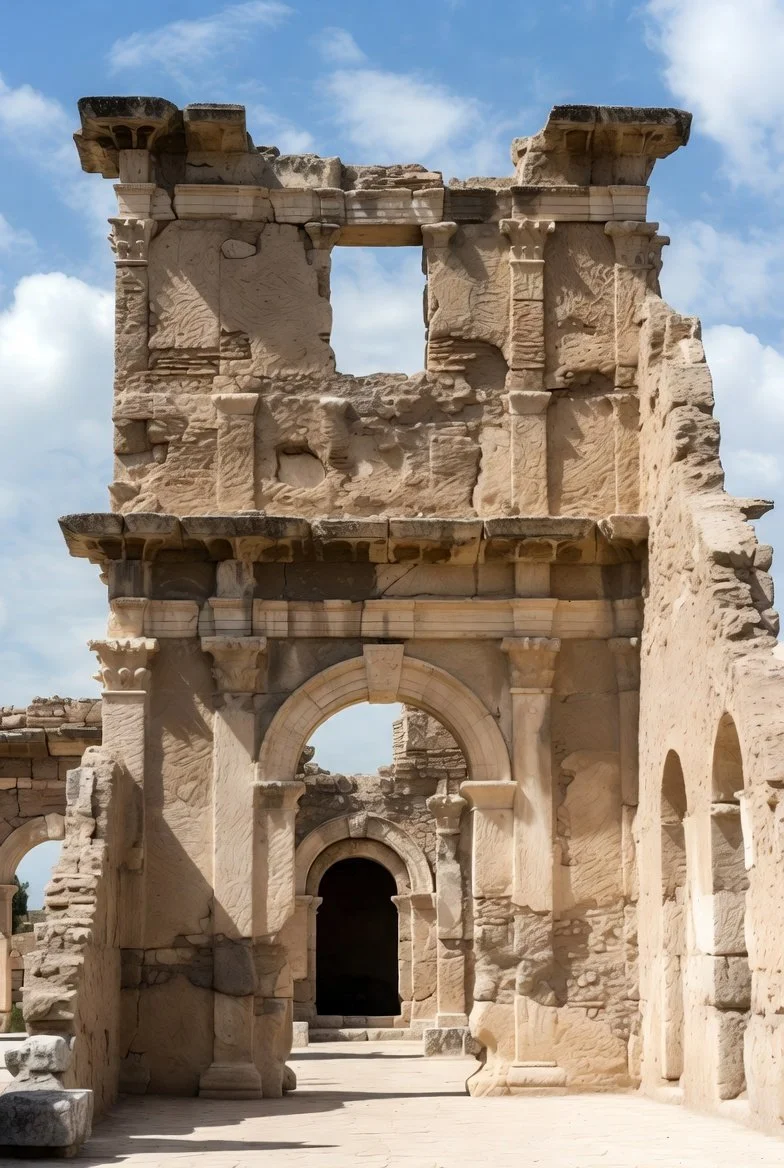
The Evolution of Stucco Through History
Stucco, a versatile plaster material, has evolved from ancient lime-based mixtures to modern cement-enhanced formulations, reflecting advancements in building science and architectural needs. Documented as early as 1400 BCE in ancient Greece, its development involved key innovations by various cultures, particularly the Romans, who improved its durability. Over time, stucco's adoption transformed construction practices by enabling decorative, weather-resistant exteriors while influencing related finishes like German Smear.

Chemical Composition of Brick Paint vs. Mortar in German Smear: Breathability, Efflorescence, and Moisture Trapping Explained
Modern exterior masonry paints contain acrylic or vinyl polymers that form an impermeable film over brick, trapping moisture and often triggering efflorescence. In contrast, the mortar used in authentic German Smear is primarily lime-based or lime-dominant, remaining highly vapor-permeable throughout its service life. This fundamental difference in chemical composition explains why painted brick frequently spalls and stains while German Schmear allows brick to breathe naturally.
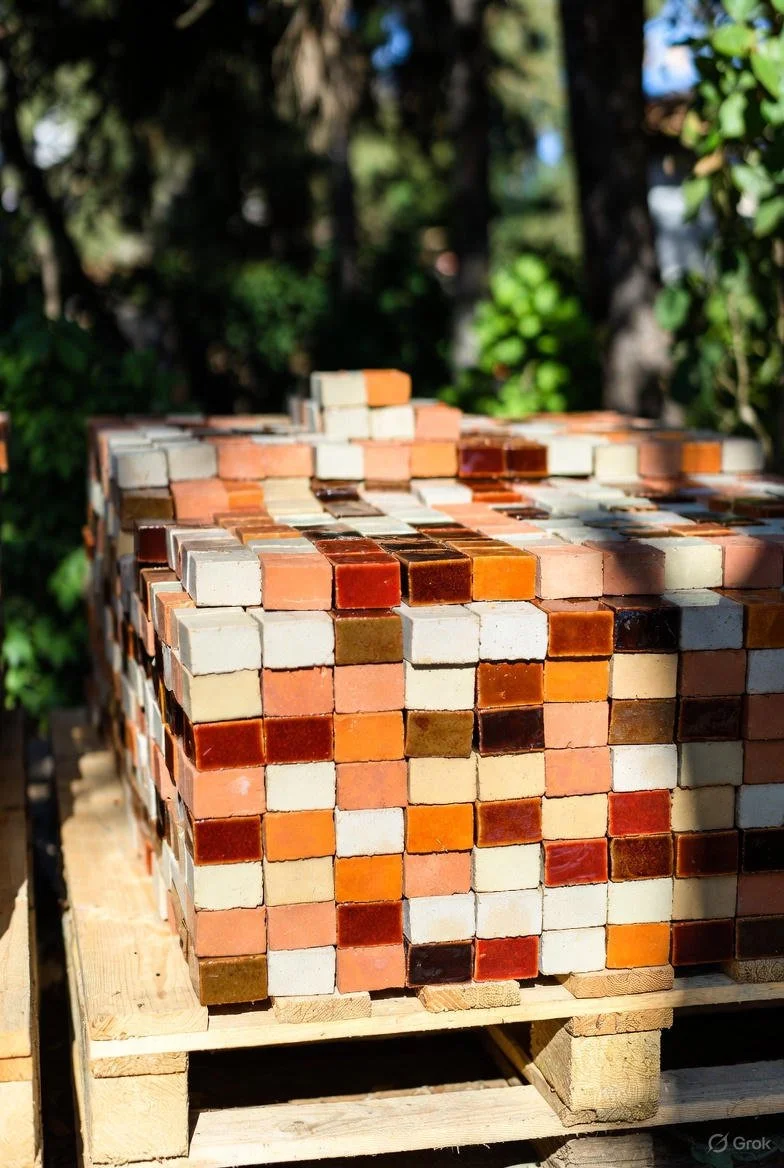
Glazed Bricks: Origins of the Glossy Appearance in Brick Construction
Certain bricks exhibit a glossy or shiny surface due to the application of a ceramic glaze or through vitrification during high-temperature firing. This glossy finish, most commonly seen in glazed bricks, serves primarily to create an impervious barrier against moisture, staining, and environmental damage. While offering enhanced durability and ease of maintenance, glazed bricks present challenges such as reduced vapor permeability and incompatibility with traditional surface treatments like German Smear or mortar wash.
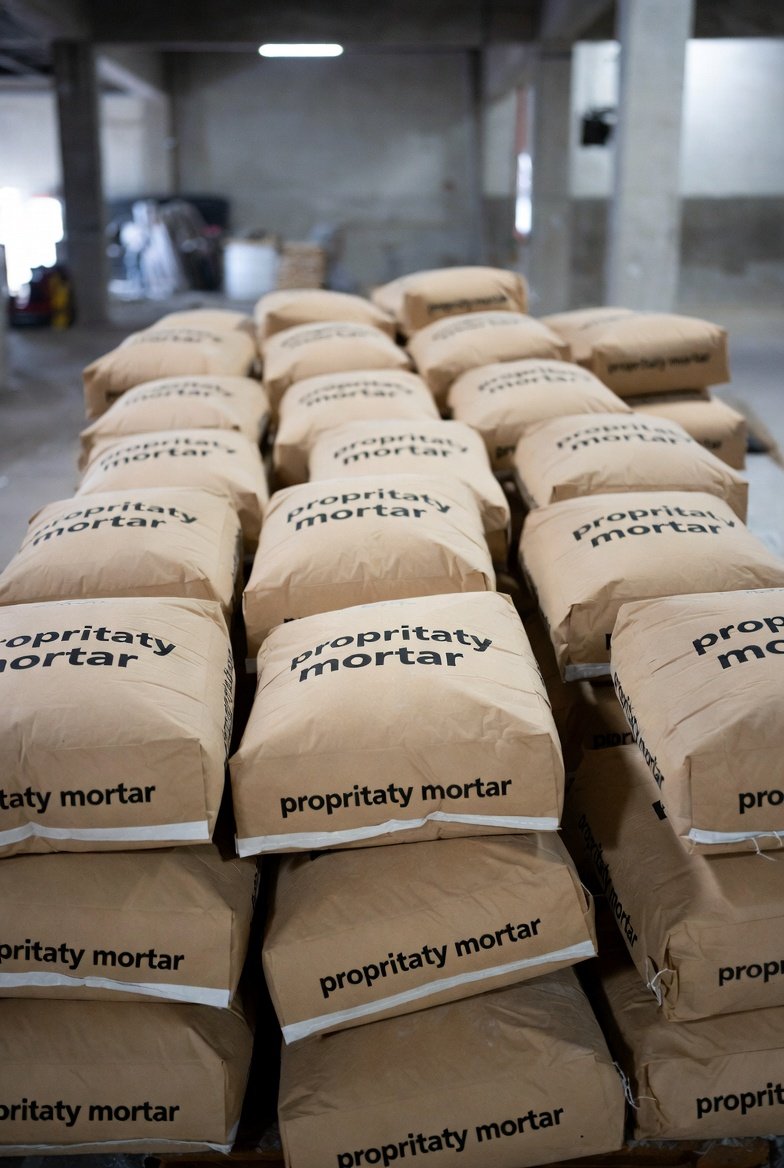
Understanding the Factors Influencing German Smear Application
German Smear, a time-honored brick treatment method, involves spreading a thin layer of mortar over brick surfaces to create a textured, aged appearance that enhances architectural character. The process is influenced by variables such as mortar thickness and structural height, which affect both material use and labor demands. This educational overview details the physical labor involved, including handling mortar weights, and explains the role of specialized mortar blends in achieving authentic results.

German Smear: The Sustainable Choice for Eco-Conscious Homeowners
What if your next home upgrade could not only make your exterior look stunning but also align with your values for a greener planet? In a world where sustainability is more important than ever—especially with rising energy costs and environmental concerns—German Smear stands out as a smart, eco-friendly option. We've seen how this professional masonry technique transforms homes while minimizing environmental impact, using natural materials that enhance energy efficiency and reduce waste. Picture your brick facade getting a timeless makeover that cuts down on your carbon footprint. In this post, we'll explore why German Smear is the intelligent, planet-friendly alternative to traditional updates like painting, backed by expert insights and verified facts as of October 27, 2025.

Why Painting Your Brick Is a Mistake—and How German Smear Is the Smarter Choice
Tired of your home’s dated brick exterior and thinking about slapping on a fresh coat of paint? Hold that thought—painting your brick could lead to costly issues down the road.
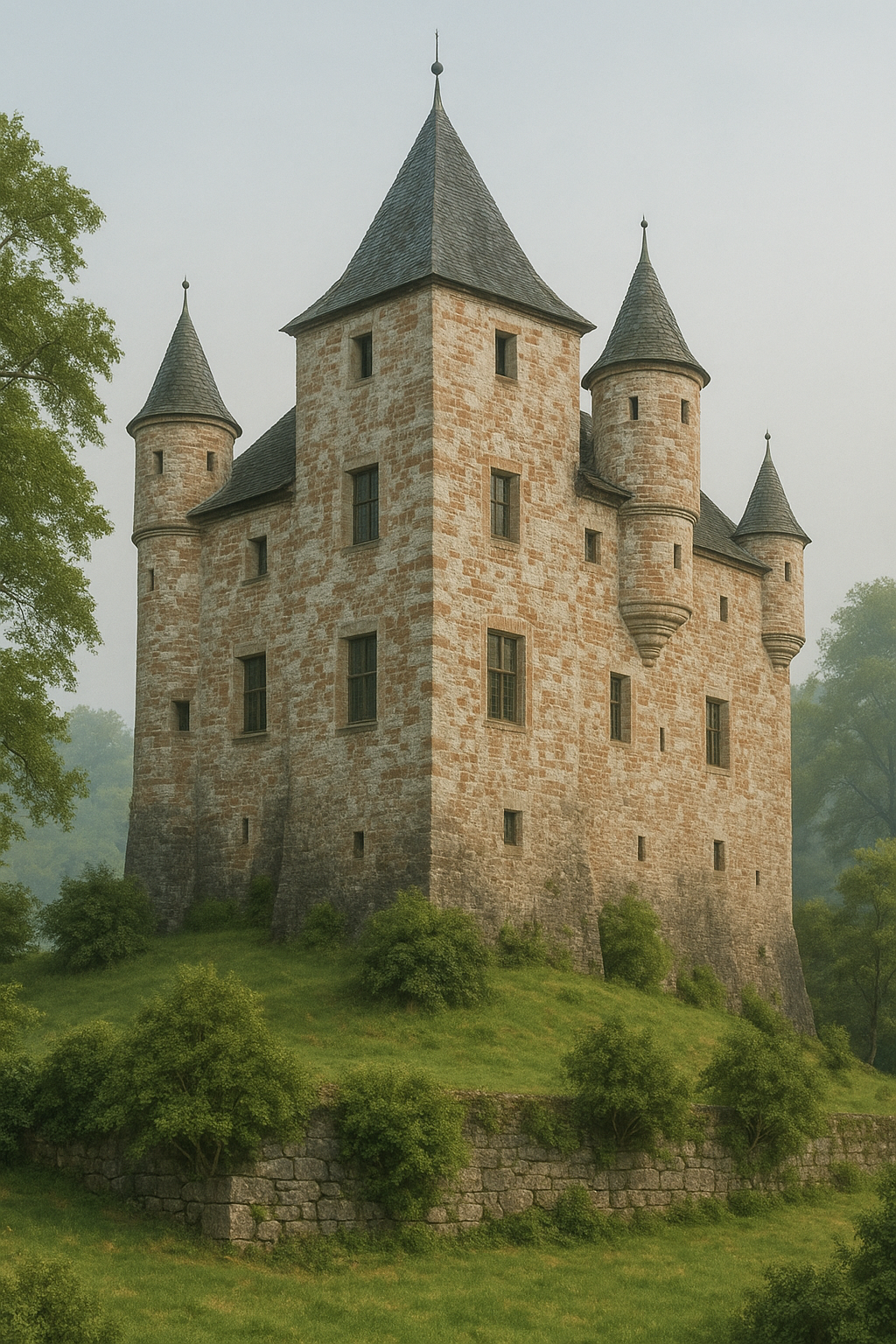
Restoring Royalty: How German Smear Helped Preserve Castles and Homes of the Monarchy
Discover how the German Smear technique—once used to preserve castles and royal estates across Europe—became a timeless method for both protection and beauty, blending craftsmanship with centuries of architectural history.
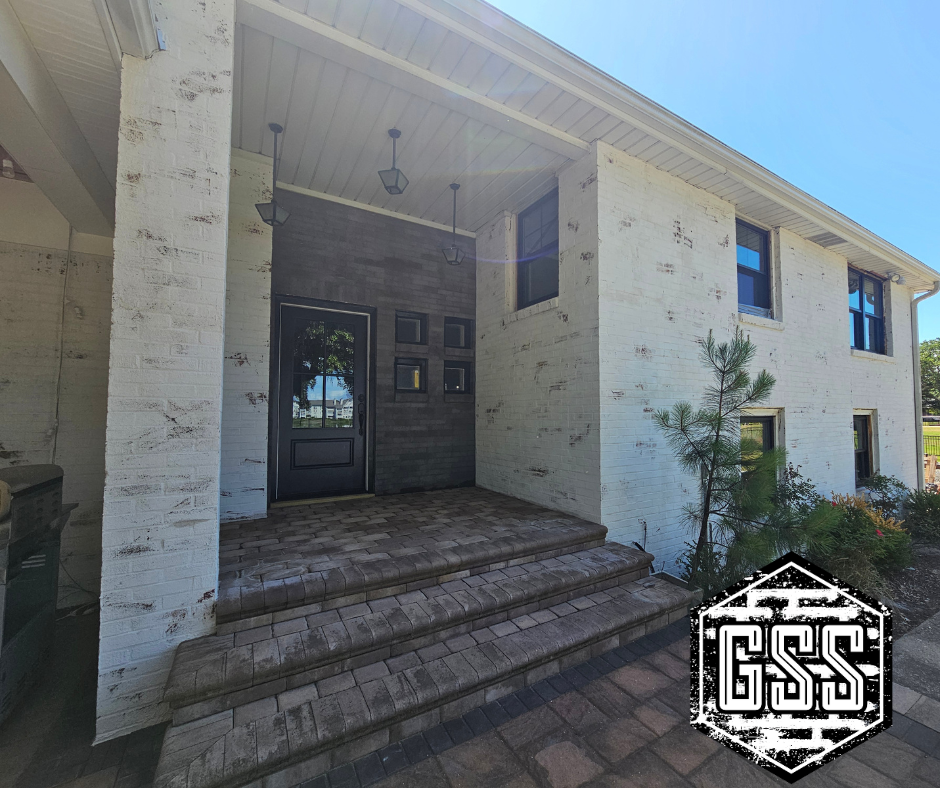
The Historical Origins and Use of German Smear: A Timeless European Technique
German Smear, also known as Schmear, is a centuries-old technique that originated in Germany and has since become a beloved style in both European and contemporary architecture. This method involves applying a thin layer of mortar over brick or stone, creating a rustic, textured, whitewashed appearance. It was originally developed for both practical and aesthetic purposes and continues to captivate homeowners today with its timeless charm.
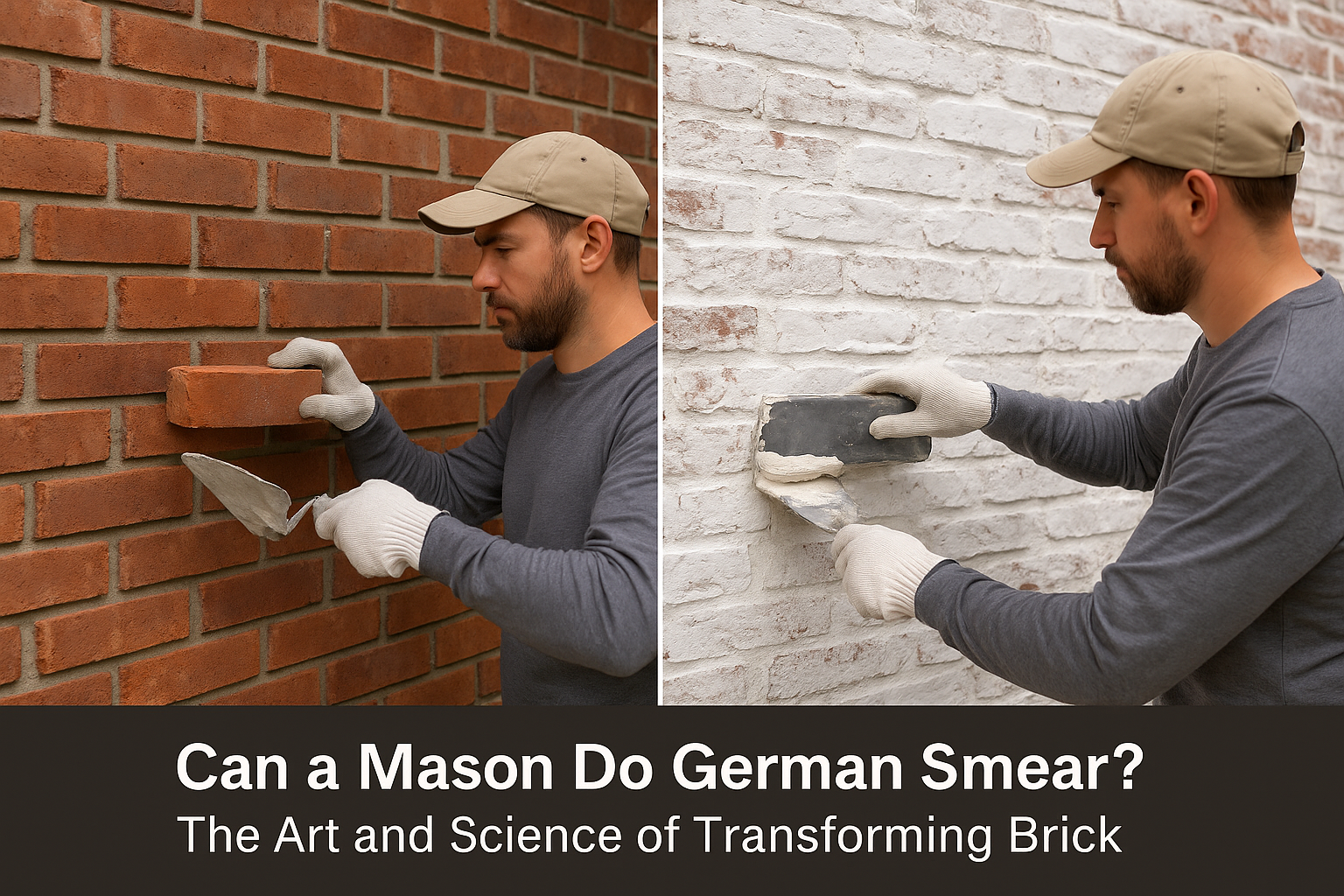
Can a Mason Do German Smear?
Not every mason is equipped to master the artistry behind a true German Smear. While traditional masonry focuses on structure and precision, German Smear requires a creative touch — blending technique, texture, and timing to achieve that signature old-world charm. In this article, we explore why this finish goes beyond standard brickwork, and what sets specialized craftsmen apart when transforming a home’s exterior.
The Benefits of German Smear: A Timeless Technique for Stunning Brickwork
Discover the timeless charm and practical advantages of German Smear, a unique masonry technique that enhances brickwork with rustic texture and durability. From boosting curb appeal to offering eco-friendly protection, this method transforms spaces with lasting elegance.
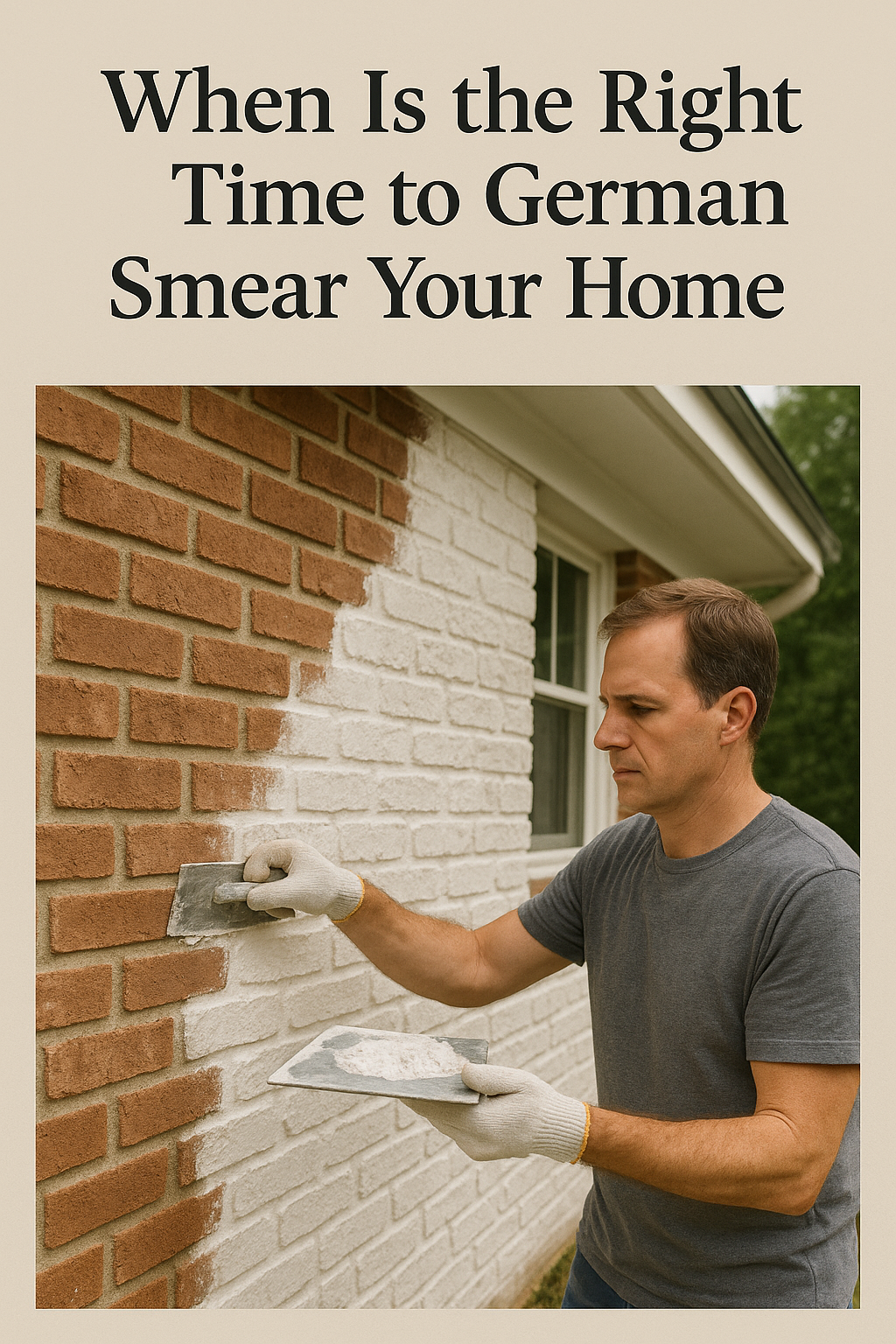
When Is the Right Time to German Smear Your Home?
Choosing the perfect moment to apply German Smear to your home is key to a stunning, lasting result. Aim for spring or fall when temperatures hover between 50°F and 80°F, humidity is low, and rain is scarce—early fall, like September, often fits the bill. Ensure your brick is in top shape, free of cracks or old paint, and plan during a quieter season to secure skilled masons. Contrary to DIY myths, this isn’t a cheap fix, and larger projects demand professional expertise for a flawless finish.