


German Smear and Protection Against Freeze-Thaw Cycles
German smear, a traditional mortar wash technique, utilizes lime-based materials that enhance the durability of brick structures in regions prone to temperature fluctuations. This method protects against freeze-thaw damage by promoting moisture evaporation through high vapor permeability, preventing water accumulation within the masonry. On a molecular level, the structure of slaked lime in the mortar forms a porous network that allows water vapor to diffuse outward even as the material solidifies.
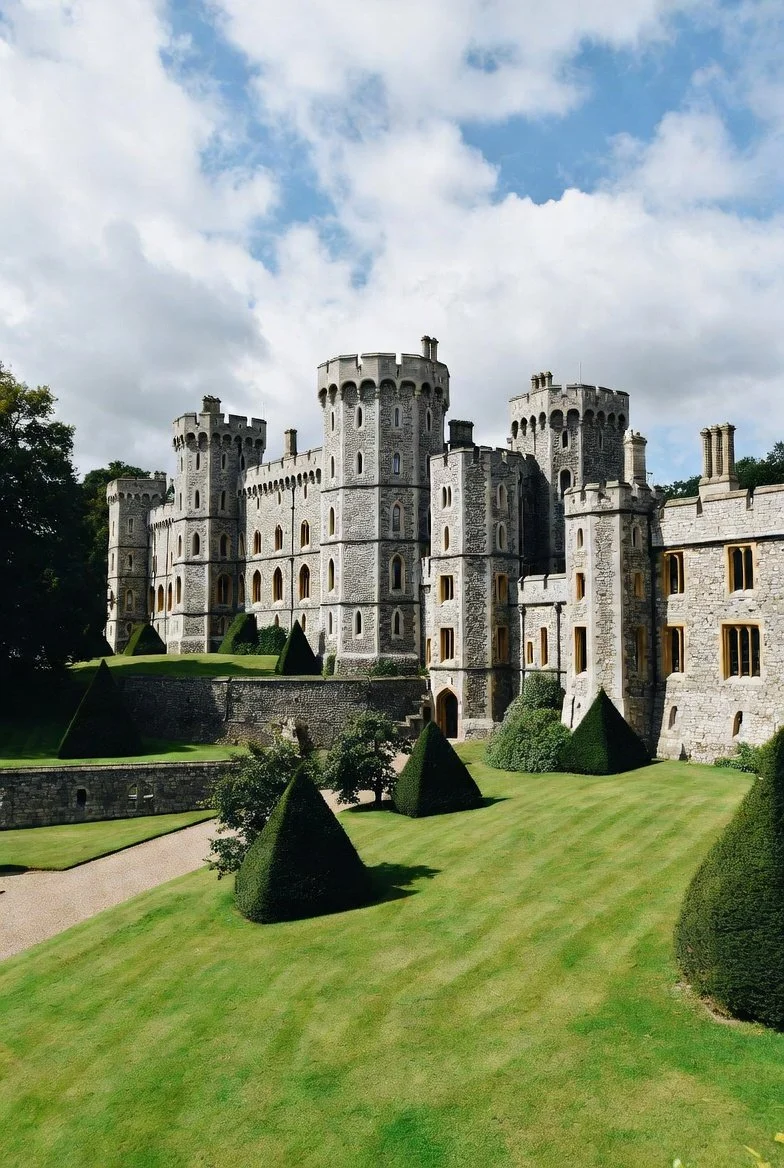
Medieval Castle Expansions: Blending Additions Through Mortar Wash Techniques
Medieval kings frequently expanded their castles to accommodate growing needs for defense, residence, and prestige, often integrating new sections with existing structures. Techniques like mortar washes, akin to what is now called German Smear, were employed in some European regions to unify the appearance of brick or stone facades. This method helped maintain architectural coherence while addressing practical concerns such as weather resistance.