Medieval Castle Expansions: Blending Additions Through Mortar Wash Techniques
In the medieval period, roughly spanning the 5th to 15th centuries, European kings and nobles routinely added to their castles as political, military, and social demands evolved. These expansions could include new towers, halls, or fortifications, but blending them seamlessly with original structures posed architectural challenges. From a historical and building-science perspective, techniques involving mortar applications—similar to modern German Smear—emerged in certain contexts to achieve visual unity and enhance durability. This approach not only preserved the fortress's imposing aesthetic but also reflected practical adaptations to materials like brick, which became more common in later medieval architecture in regions such as Northern Germany and the Baltic areas.
Historical Context of Castle Expansions
Medieval castles were dynamic structures, often modified over centuries. Kings like Edward I of England or Philip II of France oversaw extensive building campaigns, adding elements such as concentric defenses or residential wings. These additions were driven by factors including territorial conquests, technological advancements in siege warfare, and the need for more elaborate living quarters.
Defensive Motivations: Expansions frequently included outer walls or barbicans to counter evolving threats like trebuchets, documented in conflicts from the 12th century onward.
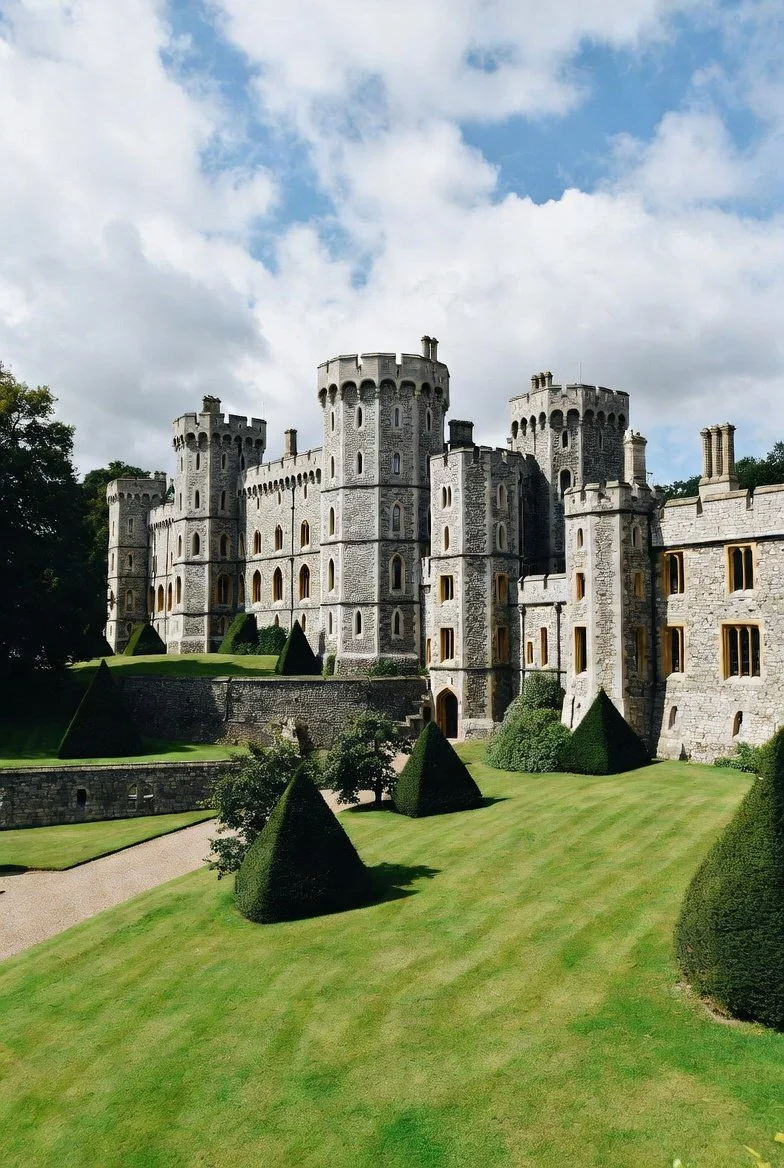
Residential and Symbolic Needs: Additions such as great halls or chapels symbolized royal power, commonly seen in castles like Windsor in England, expanded from the 11th century.
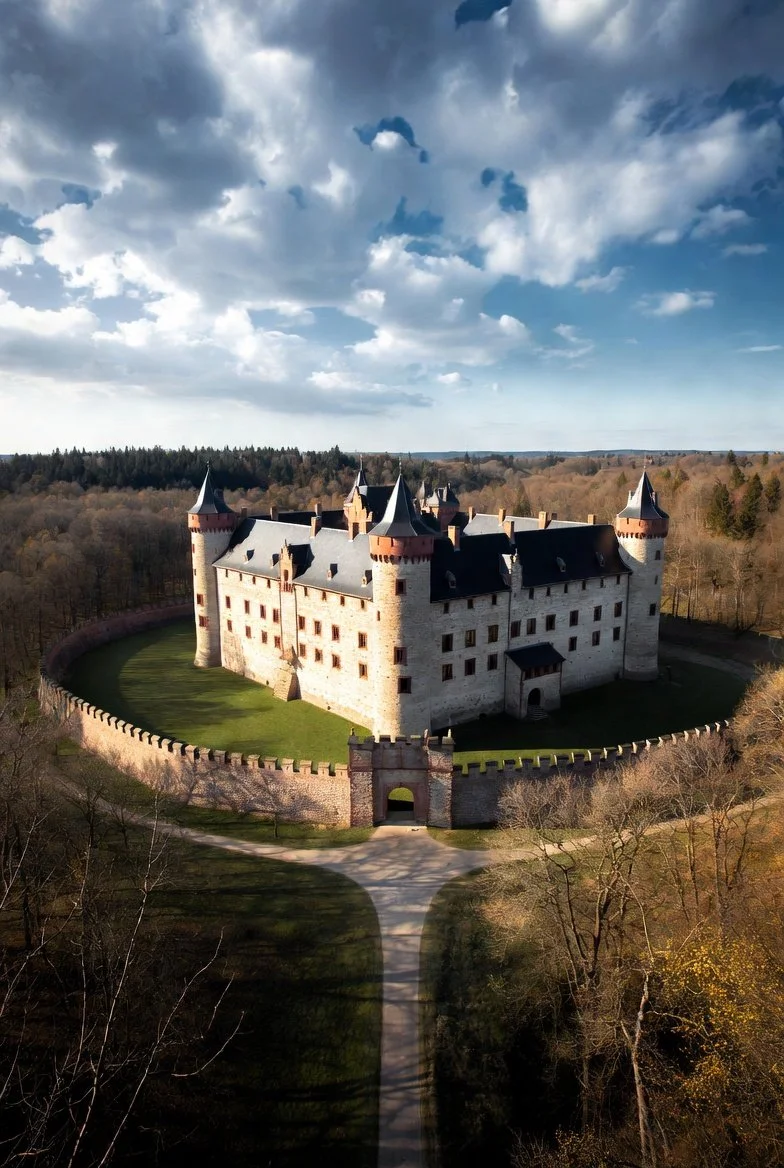
Material Choices: Early castles used primarily stone, but brick gained prominence in the 13th-15th centuries in areas with scarce stone, such as the Hanseatic League territories, leading to Brick Gothic styles.
These modifications required methods to integrate disparate construction phases, ensuring the castle appeared as a cohesive whole rather than a patchwork.
The Role of Mortar Wash in Blending Additions
Mortar wash techniques, which involve applying a thin layer of mortar or lime-based slurry to surfaces and partially removing it, have roots in European building traditions. While the term "German Smear" (or "Schmear") is a modern designation, historical equivalents were used to blend new and old sections, particularly on brick facades. This method provided a uniform, weathered appearance, masking differences in brick color, texture, or aging.
In architectural conservation, such washes promoted breathability, allowing moisture to escape and reducing damage from freeze-thaw cycles in temperate climates. Historical records from the late medieval period in Germany and surrounding regions indicate the use of lime mortars for this purpose, derived from Roman and earlier traditions but adapted for Gothic structures.
Application Process: A mixture of lime, sand, and water was spread over bricks, then wiped or brushed to leave a smeared residue in joints and surfaces, creating a monolithic look.
Distinctions from Other Finishes: Unlike limewash (a thinner, paint-like coating for full coverage) or whitewash (often with added chalk for brightness), mortar washes emphasized texture and partial coverage, enhancing adhesion to porous brick.
Climate Considerations: In rainy or freezing European climates, these washes improved vapor permeability, preventing trapped moisture that could lead to spalling—cracking from ice expansion.
Examples include Teutonic Order castles in Prussia, where brick additions from the 14th century were unified through similar surface treatments, as documented in architectural surveys.
Building-Science Principles Behind the Technique
From a materials perspective, mortar washes like those resembling German Smear relied on the chemical properties of lime. Lime mortar sets through carbonation, absorbing CO2 from the air to form calcium carbonate, which bonds well with brick's silica content.
Breathability and Durability: High vapor permeability (typically 10-20 perms) allowed structures to "breathe," crucial for medieval buildings without modern vapor barriers.
Adhesion and Weathering: The smear effect filled micro-cracks, reducing water ingress while permitting evaporation, thus mitigating freeze-thaw damage in regions with harsh winters.
Historical Composition: Mortars often included local aggregates, with ratios like 1:3 lime to sand, ensuring compatibility with existing masonry and preventing differential expansion.
These principles ensured that expansions not only blended visually but also performed structurally over time, aligning with medieval builders' empirical knowledge of material behavior.
Conclusion
Medieval castle expansions highlighted the ingenuity of historical architecture, where kings adapted fortresses to meet evolving needs through thoughtful integration. Mortar wash techniques, precursors to modern German Smear, played a key role in achieving aesthetic unity and material resilience, grounded in European traditions of lime-based finishes. Understanding these methods underscores the importance of breathable, compatible materials in preserving architectural heritage.
Looking to DIY?
Checkout SmearTech’s Signature White™ Mortar and German Smear Tools.